
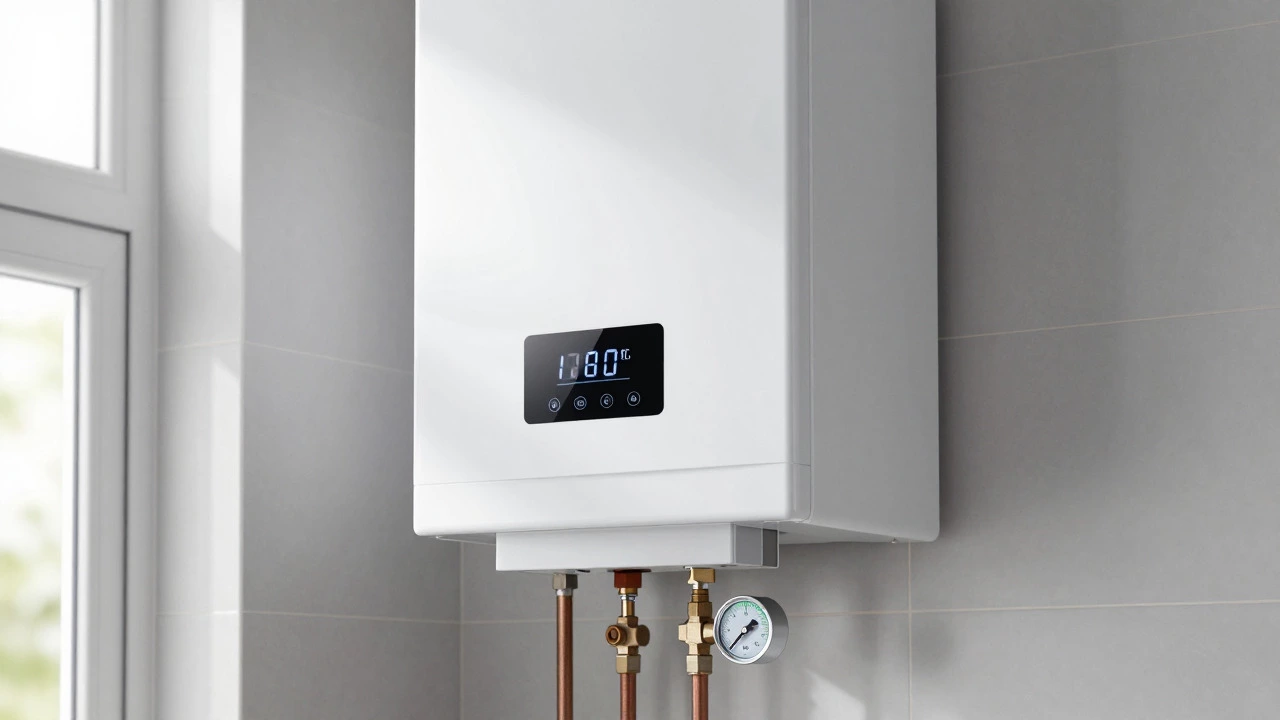
🔧 Boiler Repair vs. Replace Calculator
Use this tool to apply the "50% Rule": If the repair cost exceeds 50% of a new unit's price AND the boiler is past half its expected life, replacement is usually the smarter financial move.
Cost Comparison
Lifespan Status
Most homeowners assume a boiler is a set-it-and-forget-it appliance. You install it, maybe service it once a year, and expect it to run until the day you sell the house. But here’s the reality check: your boiler has a ticking clock. Knowing exactly how long that clock runs-and what speeds it up or slows it down-saves you from expensive emergency repairs in the middle of winter.
A standard residential boiler is a heating device that heats water for central heating systems or domestic hot water. The average lifespan varies significantly by type, but most modern units last between 10 and 20 years. Older cast-iron models might stretch into their 30s, while high-efficiency condensing boilers often hit their limit closer to the 15-year mark. Understanding these numbers helps you budget for future costs rather than getting blindsided by a total failure.
How Boiler Type Dictates Lifespan
Not all boilers are built the same, and their construction materials heavily influence how long they survive. If you’re trying to guess when yours will quit, look at what kind of unit you have installed.
- Combi Boilers: These all-in-one units heat water directly without a storage tank. Because they work harder cycling on and off frequently, they typically last 10 to 15 years. The pump and heat exchanger are under constant stress.
- System Boilers: These use a cylinder for hot water but no tank in the loft. With less frequent cycling than combis, they often reach 15 to 20 years.
- Regular (Conventional) Boilers: These rely on a cold water tank and a hot water cylinder. The separation of duties means each component works less intensely. Many of these units last 20 to 30 years, provided the cylinders don’t fail first.
The material of the heat exchanger also plays a role. Stainless steel exchangers generally outlast copper ones in hard water areas because they resist scaling better. If you live in an area with very hard water, like parts of the UK or northern Europe, your boiler faces more mineral buildup, which can shorten its life by several years if not managed properly.
The Hidden Killers: Water Quality and Maintenance
If type determines the baseline lifespan, water quality determines the variance. Think of your boiler’s internal components like the engine in a car. You wouldn’t put sludge in your gas tank, right? Yet many homes feed untreated, hard water directly into their heating systems.
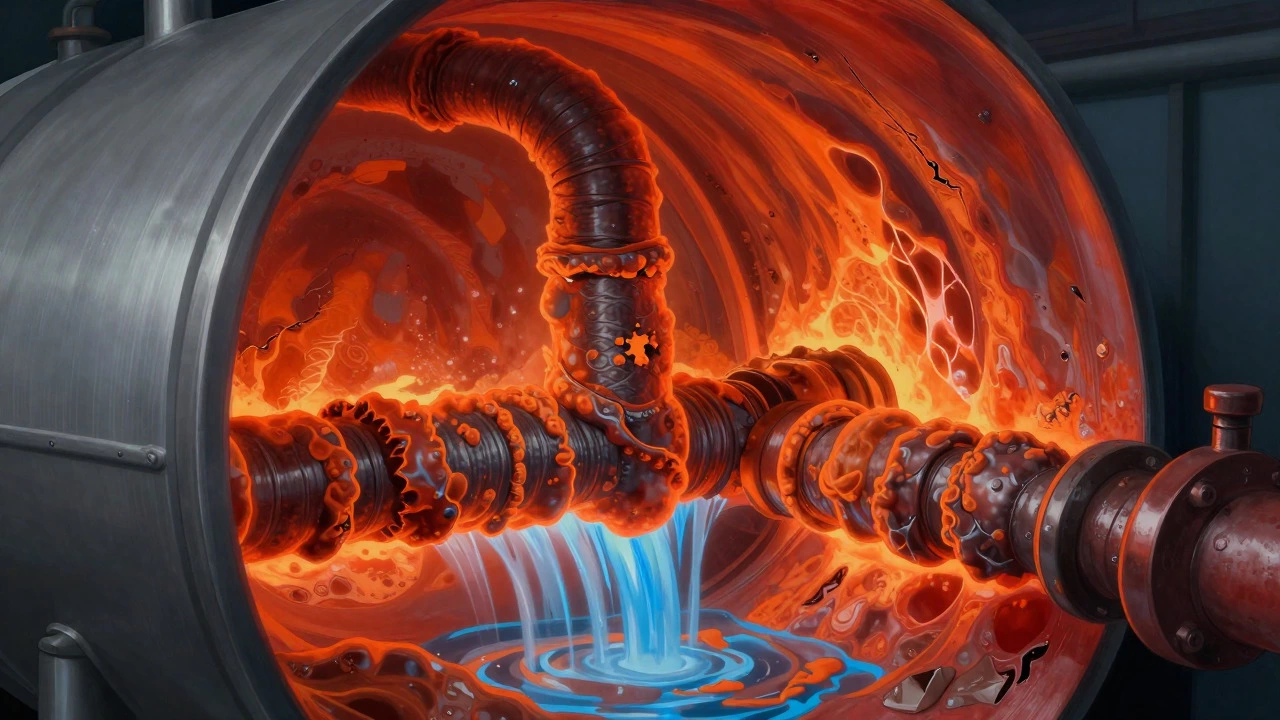
Limescale is the primary enemy. As water heats up, minerals precipitate out and form a hard crust inside pipes and heat exchangers. This layer acts as insulation, forcing the boiler to work harder to reach temperature. Over time, this causes overheating, cracking, and eventual failure. A simple magnetic filter installed at the point of entry can remove iron and manganese particles before they settle in the system, potentially adding three to five years to your boiler’s life.
Maintenance isn’t just about keeping the warranty valid; it’s about catching small issues before they become catastrophic. During an annual service, a technician checks the pressure, flushes the system, and inspects the flame pattern. Neglecting this can lead to sludge buildup in the heat exchanger, which reduces efficiency by up to 15% and accelerates wear on the burner assembly.
Signs Your Boiler Is Nearing the End
Before the total breakdown, boilers usually send warning signals. Ignoring these often leads to a much higher repair bill later. Keep an eye out for these specific indicators:
- Frequent Breakdowns: If you’ve called a repair person more than twice in a single year, the cost of those calls might exceed the price of a new unit.
- Dropping Efficiency: Noticeably higher energy bills without a change in usage suggest the boiler is struggling to transfer heat effectively.
- Unusual Noises: Kettling sounds (rumbling or banging) indicate limescale buildup. Gurgling can mean air locks or low water levels.
- Cold Spots: Radiators that take forever to warm up or stay cold at the top signal poor circulation or a failing pump.
- Leaking Pressure: If the pressure gauge drops below the green zone regularly, even after topping up, there may be a slow leak in the expansion vessel or heat exchanger.
When you see two or three of these signs appearing together, it’s time to get a professional assessment. Sometimes, a simple descale or part replacement fixes the issue. Other times, it’s the final straw.
Repair vs. Replace: The Economic Calculation
This is the question every homeowner dreads. You’re standing in front of a dead boiler in January, and the engineer hands you a quote for a major part replacement. Do you pay it? There’s a simple rule of thumb used by heating engineers: the 50% Rule.
If the repair cost is more than 50% of the cost of a new boiler, and the current unit is over half its expected lifespan, replace it. For example, if a new high-efficiency boiler costs $4,000 installed, and the repair quote is $2,500 for a heat exchanger on a 12-year-old unit, replacing is almost always the smarter financial move. You’re not just paying for the fix; you’re buying reliability for the next decade.
However, if the repair is minor (like a thermostat or pump seal) and the boiler is relatively young, fixing it makes sense. Always ask your engineer for a written estimate that breaks down labor and parts. This transparency helps you make an informed decision without feeling pressured.
Maximizing Your Boiler’s Longevity
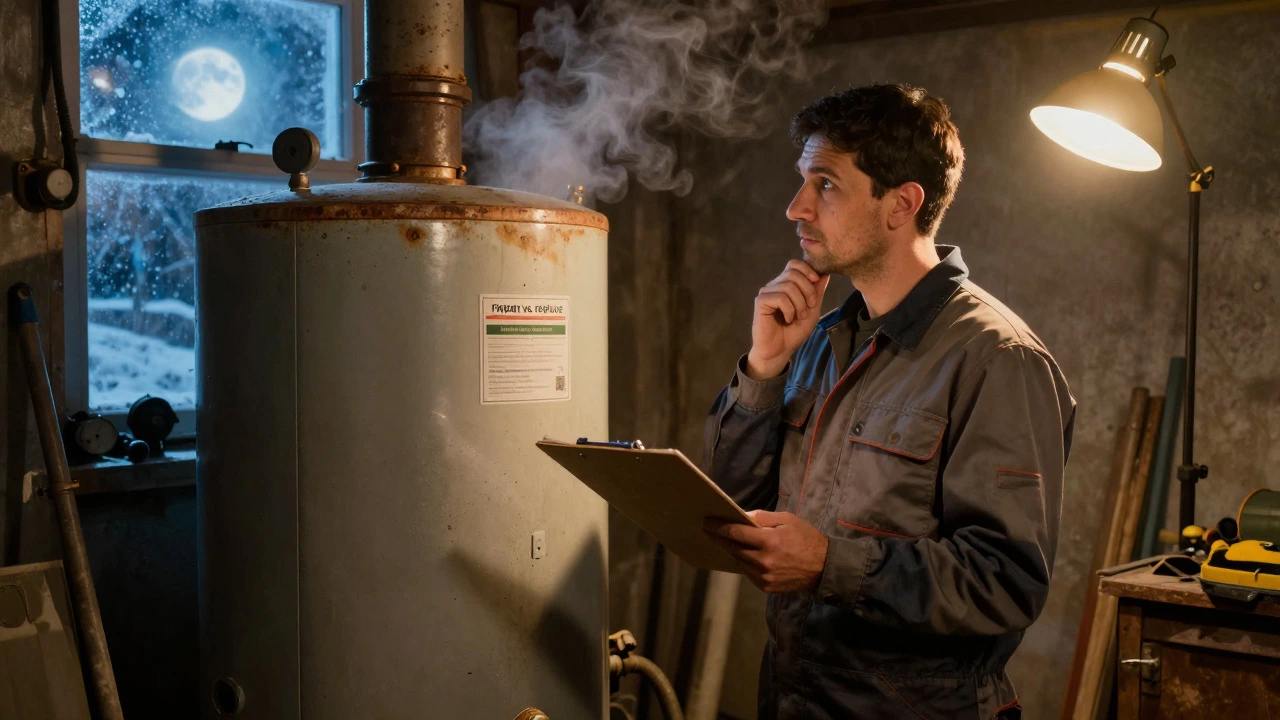
You can’t control the manufacturing quality, but you can control how the boiler operates. Small habits add up to significant gains in durability.
- Keep the System Pressurized: Maintain pressure between 1 and 1.5 bar. Too low strains the pump; too high stresses the safety valve.
- Bleed Radiators Annually: Trapped air prevents proper circulation, causing uneven heating and unnecessary strain on the pump.
- Install a Magnetic Filter: This inexpensive device captures ferrous debris, preventing it from clogging the heat exchanger.
- Avoid Extreme Temperature Fluctuations: Don’t turn the boiler off completely in mild weather if possible. Constant cycling wears out components faster than maintaining a steady low temperature.
- Check the Expansion Vessel: If the pressure drops consistently, the diaphragm in the expansion vessel may be failing. Replacing this small part can save the whole system.
These steps require minimal effort but protect your investment. Think of them as routine oil changes for your home’s heart.
FAQ
Does a boiler warranty cover the full lifespan?
No. Most manufacturers offer 5 to 10-year warranties on parts, but these usually require annual servicing. Labor is rarely covered. Once the warranty expires, you are responsible for all repair costs. Always read the fine print regarding service requirements to keep the warranty valid.
Can I extend my boiler's life beyond the average?
Yes. By installing a magnetic filter, maintaining correct pressure, and having annual services, you can often add 3 to 5 years to the average lifespan. Hard water areas benefit most from these preventative measures due to reduced limescale accumulation.
Is it cheaper to repair an old boiler or buy a new one?
Use the 50% rule. If the repair costs more than half the price of a new unit and the boiler is older than half its expected life, replace it. Newer, high-efficiency models also save money on energy bills, offsetting the upfront cost within a few years.
What is the biggest factor in boiler failure?
Limescale buildup is the leading cause of premature failure, especially in hard water regions. It reduces heat transfer efficiency and causes overheating, which cracks the heat exchanger. Regular flushing and filtration mitigate this risk significantly.
Do condensing boilers last longer than non-condensing ones?
Not necessarily. Condensing boilers are more efficient but have more complex components, such as secondary heat exchangers and condensate drains. These extra parts can be points of failure. However, their lower operating temperatures reduce thermal stress, which can balance out the complexity.