
Boiler Health & Maintenance Tracker
System Status Check
Answer these questions based on the monthly checks described in the article.
Diagnosis & Action Plan
Enter your system details on the left and click Analyze to get your health report.
Monthly Homeowner Checklist
Track your progress. Completing these tasks ensures efficiency and safety.
Why this matters?
Neglected boilers can lose up to 20% efficiency due to sludge and limescale. Regular checks prevent costly emergency call-outs that cost twice as much as routine care.
Imagine this: it’s a freezing Tuesday in July here in Wellington, the wind is howling against your windows, and you turn up the thermostat. Nothing happens. The house stays cold. You’re shivering, frustrated, and now you’re staring at a bill for an emergency call-out that costs twice as much as a routine check would have.
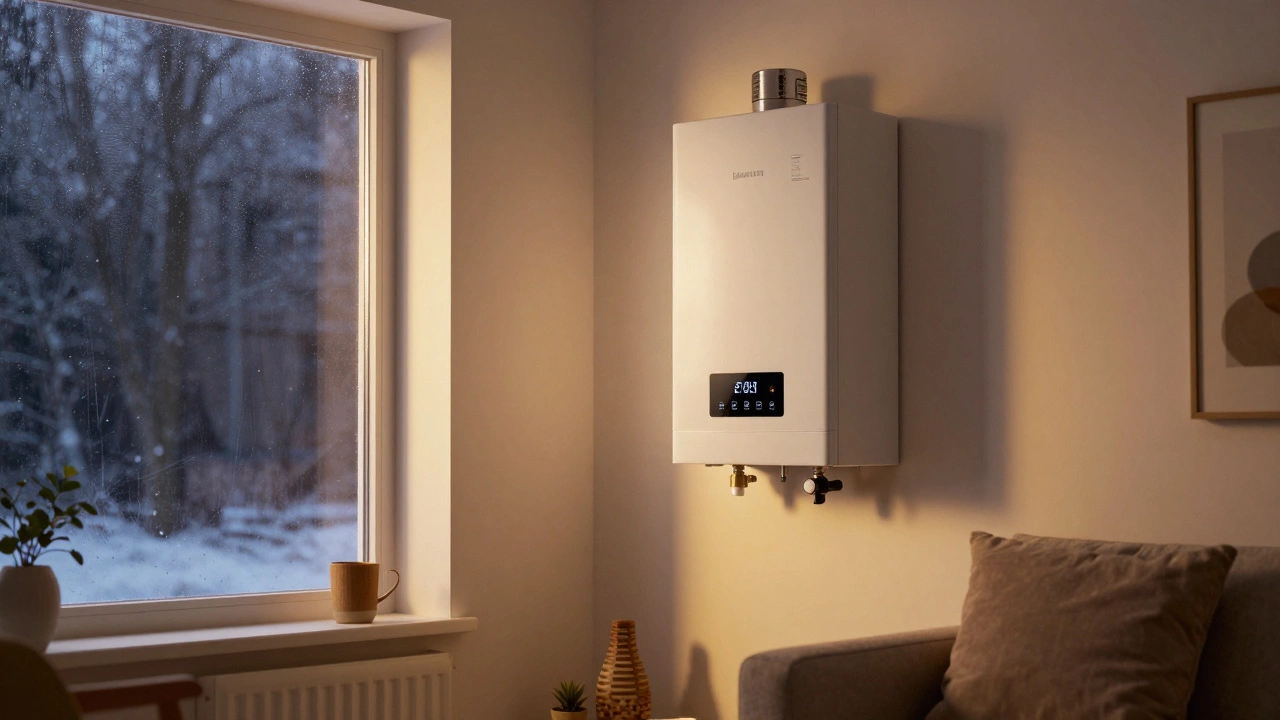
That scenario isn’t just bad luck; it’s usually the result of skipped maintenance. A boiler is a complex mechanical device that burns fuel or uses electricity to heat water for domestic use and central heating. It’s not a 'fit and forget' appliance. Like a car engine, it has moving parts, filters, and pressure systems that degrade over time.
Most homeowners think maintenance means getting a technician out once a year. That’s only half the truth. While professional servicing is non-negotiable for safety, there are several things you can-and should-do yourself to keep your system running smoothly between visits. Ignoring these tasks leads to higher energy bills, unexpected breakdowns, and potentially dangerous gas leaks or carbon monoxide poisoning.
The Non-Negotiable: Annual Professional Servicing
Let’s get the big one out of the way first. Every single year, your boiler needs a full service by a qualified engineer. In New Zealand, if you have a gas boiler, this must be done by someone registered with GasSafe (or the equivalent local authority body depending on your specific region's regulations). For electric boilers, a licensed electrician is required.
Why is this so critical? During a professional service, the technician doesn’t just wipe down the casing. They perform a deep dive into the internal components. They will:
- Check for Carbon Monoxide Leaks: This is the silent killer. Engineers use specialized flue gas analyzers to measure the combustion efficiency and ensure no toxic gases are escaping into your home. You cannot do this yourself.
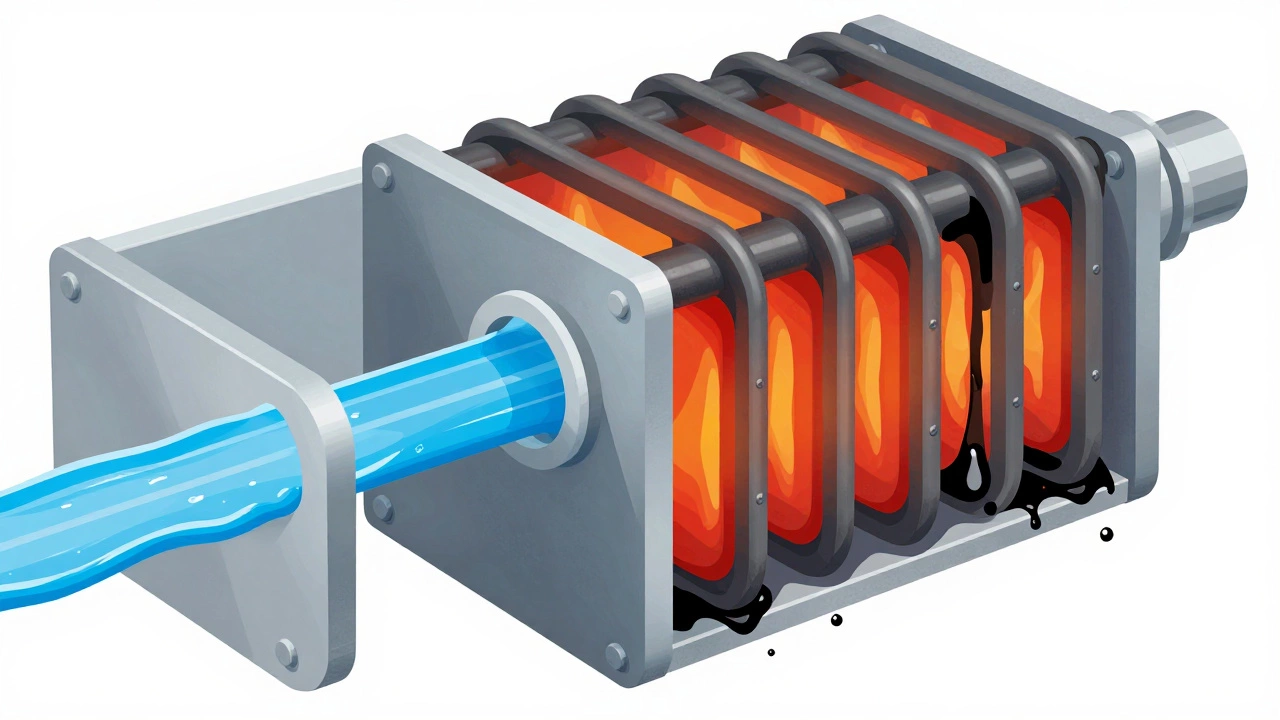
- Clean the Heat Exchanger: Over time, soot and debris build up inside the heat exchanger. This acts like insulation, trapping heat inside the unit instead of transferring it to your water. This makes your boiler work harder, burning more gas and costing you more money.
- Inspect the Seals and Gaskets: Rubber seals degrade over time due to heat and pressure. A cracked seal can lead to water leaks or gas escapes. Replacing them early prevents major damage later.
- Test Safety Devices: Boilers have multiple safety switches (like flame failure devices and overheat thermostats). The engineer tests these to ensure they trip correctly if something goes wrong.
If you skip this step, you aren’t just risking a breakdown; you’re risking your family’s health. Plus, most manufacturers require proof of annual servicing to keep the warranty valid. If your boiler fails and you can’t show a service record, the repair cost falls entirely on you.
What You Can Do Yourself: Monthly Checks
You don’t need to be an engineer to spot warning signs. In fact, being observant can save you thousands in repairs. Here are three simple checks you should do every month.
1. Check the Pressure Gauge
Most modern combi boilers have a small dial on the front showing the system pressure. The needle should sit between 1 and 1.5 bar when the system is cold. If it drops below 0.8 bar, your boiler might lock out and refuse to fire. This is often caused by a minor leak in the radiators or pipes. If the pressure is too high (above 2 bar), you may need to bleed a radiator to release excess air and pressure. Keep an eye on this gauge; a sudden drop is your first clue that something is leaking.
2. Listen to the Sounds
A healthy boiler hums quietly. If you hear banging, gurgling, or whistling noises, pay attention. Banging (kettling) usually means limescale has built up inside the heat exchanger, causing steam pockets to form and burst. Gurgling often indicates air trapped in the system or low water flow. Whistling can point to a blocked pipe or a failing pump. These sounds are your boiler’s way of asking for help before it breaks down completely.
3. Inspect for Visual Clues
Look around the base of the boiler. Is there any dampness or water pooling? Check the condensation drain pipe (usually a white plastic tube leading outside). In winter, this can freeze and block, causing the boiler to shut down. Ensure the area around the boiler is clear of clutter. Boilers need airflow to cool their electronic components. Blocking the vents with boxes or laundry can cause overheating and premature failure.
The Hidden Enemy: Sludge and Limescale
Here’s something many people overlook: the water inside your heating system. Over years, tiny particles of rust and magnetite (black sludge) accumulate in the pipes and radiators. This sludge circulates through your boiler, coating the heat exchanger and blocking narrow passages.
In areas with hard water, like parts of Auckland or Christchurch, limescale is also a major issue. Limescale builds up on the internal walls of the boiler, reducing its efficiency by up to 20%. This means you’re paying for heat that never reaches your rooms.
To combat this, consider two maintenance tasks that go beyond basic servicing:
- Power Flushing: Every 3 to 5 years, ask your engineer about power flushing the system. This involves connecting a high-speed pump to your boiler and circulating strong chemicals that dissolve sludge and flush it out. It’s messy but incredibly effective at restoring efficiency.
- Magnetic Filter Installation: Ask your installer if your system has a magnetic filter (often called a scale inhibitor filter). These devices trap iron oxide particles before they enter the boiler. If you don’t have one, installing it during your next service is a smart investment. It protects the pump and heat exchanger from corrosion.
Radiator Maintenance: The Other Half of the System
Your boiler doesn’t work alone. It pushes hot water through radiators, which then release heat into the room. If your radiators are inefficient, your boiler has to work overtime to compensate. This creates a vicious cycle of wear and tear.
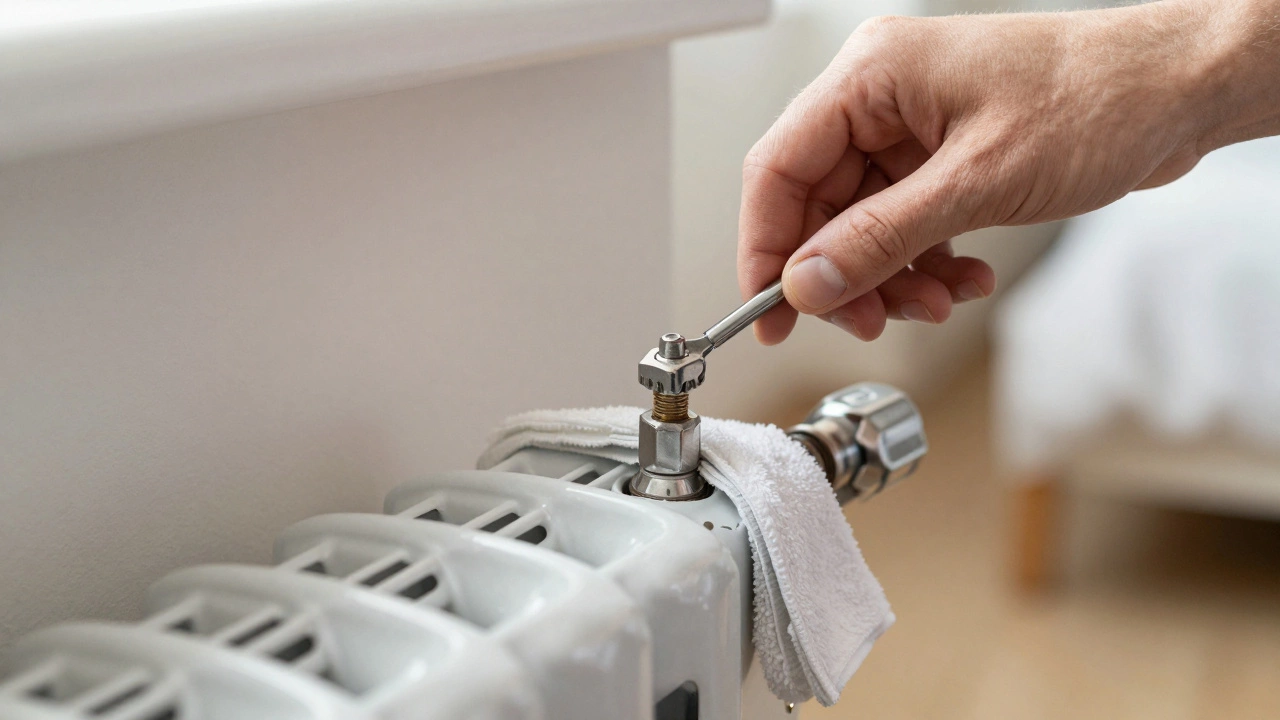
Once a year, ideally before winter starts, check your radiators. Are the tops cold while the bottoms are hot? That’s a classic sign of trapped air. You’ll need a radiator key to bleed them. Turn off the heating, place a towel under the valve, and slowly open the bleed screw until water spurts out. Close it tight. Repeat for all radiators, starting from the furthest room from the boiler.
Also, check for cold spots on the sides of the radiators. This could mean the valves are stuck or the flow is restricted. Tightening the lockshield valves slightly can sometimes improve balance, but if the problem persists, it might indicate sludge buildup requiring a power flush.
| Task | Frequency | Who Does It? | Why It Matters |
|---|---|---|---|
| Professional Service & Safety Check | Annually | Certified Engineer | Prevents CO leaks, maintains warranty, ensures efficiency |
| Pressure Gauge Check | Monthly | Homeowner | Detects leaks early, prevents lockouts |
| Bleeding Radiators | Annually (Pre-Winter) | Homeowner | Removes trapped air, improves heat distribution |
| Visual Inspection for Leaks/Noise | Monthly | Homeowner | Identifies early signs of component failure |
| Power Flush / Chemical Clean | Every 3-5 Years | Certified Engineer | Removes sludge and limescale, restores efficiency |
| Condensate Pipe Check | Seasonally (Winter) | Homeowner | Prevents freezing and blockages that cause shutdowns |
When to Call a Pro vs. DIY Fixes
It’s easy to try and fix everything yourself to save money, but some issues are strictly off-limits. Never attempt to open the boiler casing, adjust the gas pressure, or replace internal components like the pump or fan unless you are certified. Gas appliances are dangerous. Incorrect adjustments can lead to incomplete combustion, producing lethal carbon monoxide.
However, you can handle external issues. If the boiler won’t turn on, check the power supply first. Is the plug in? Is the switch on the back of the unit flipped up? Sometimes the reset button needs to be pressed (refer to your manual). If the error code persists after a reset, call a pro.
If your boiler is making noise, check the pressure first. If it’s normal, it’s likely internal. Don’t ignore it. Early intervention for kettling or pump noise can extend the life of your boiler by several years.
Extending Boiler Lifespan: Long-Term Strategies
A well-maintained boiler can last 10 to 15 years. A neglected one might fail in 5. To maximize longevity, keep the thermostat settings stable. Constantly turning the temperature up and down stresses the components. Use a programmable timer to maintain consistent temperatures based on your schedule.
Also, consider upgrading older controls. Modern weather-compensating thermostats adjust the boiler output based on outdoor temperature, preventing the boiler from firing unnecessarily on mild days. This reduces cycles and wear on the ignition system.
Finally, document everything. Keep a logbook of services, repairs, and part replacements. This helps technicians diagnose recurring issues and provides proof of care if you ever sell your home. Buyers in Wellington know that a maintained heating system is a valuable asset in our unpredictable climate.
How often should I service my boiler?
You should service your boiler annually. This is crucial for safety, efficiency, and maintaining the manufacturer's warranty. Skipping annual services can void your warranty and increase the risk of carbon monoxide leaks.
Can I service my own boiler?
No, you cannot fully service a gas boiler yourself. Only a certified GasSafe engineer (or equivalent licensed professional in your region) should perform internal inspections, gas pressure checks, and safety tests. However, you can perform external checks like monitoring pressure and bleeding radiators.
What does a boiler service include?
A standard service includes visual inspection, cleaning of the heat exchanger and burner, checking gas pressure and combustion efficiency, testing safety devices (like flame failure), inspecting seals for leaks, and ensuring proper ventilation. The engineer will also provide a service certificate.
Why is my boiler making a banging noise?
Banging or 'kettling' noises are usually caused by limescale or sludge buildup in the heat exchanger. As water heats up, steam pockets form and burst, creating loud bangs. This requires a power flush or chemical clean by a professional to resolve.
What is the ideal boiler pressure?
The ideal boiler pressure for most residential systems is between 1 and 1.5 bar when the system is cold. If it drops below 0.8 bar, the boiler may lock out. If it exceeds 2 bar, you may need to bleed radiators to reduce pressure.
How long does a boiler last?
With regular annual maintenance, a modern boiler typically lasts between 10 and 15 years. Neglecting maintenance can shorten this lifespan significantly, leading to premature failure and costly replacements.