
Boiler Lifespan Estimator
Select your options and click Calculate to see your boiler's potential lifespan.
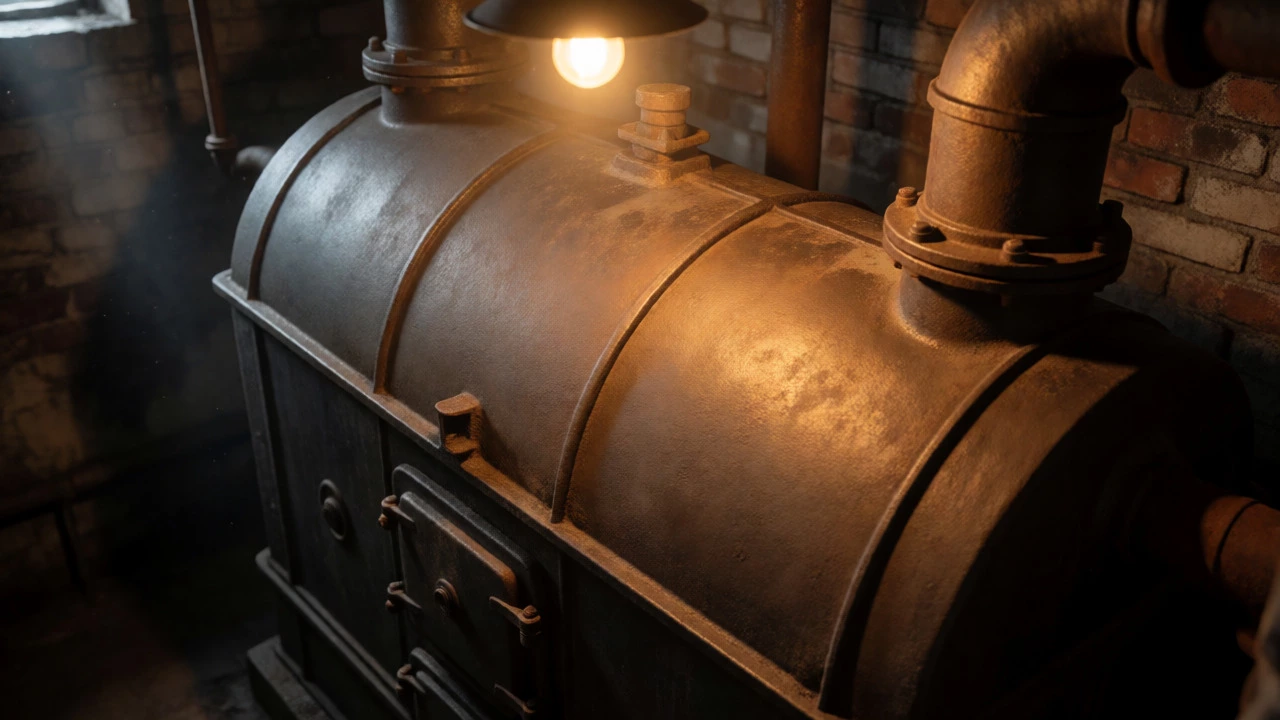
You walk into your basement or utility room, look at that big metal box humming away, and wonder: how long will this thing actually last? It’s a fair question. You’ve heard stories about grandpa’s boiler running for decades without complaint. But you’ve also seen the price tags on new units. So, can a boiler really hit the 50-year mark? The short answer is yes, but it’s not just luck. It’s about chemistry, physics, and how well you treat your equipment.
The Truth About Boiler Lifespan
Most modern gas boilers are designed to last between 15 and 20 years. That’s the industry standard. If you’re pushing past 25 years, you’re already doing something right. Hitting 50 years? That’s rare. It usually happens with specific types of boilers under ideal conditions. Think of it like a car. Most cars need major repairs after 150,000 miles. But some old Volvos keep going forever if you change the oil on time. Your boiler is similar.
Why do some fail early while others survive half a century? It comes down to three main factors: material quality, water chemistry, and maintenance frequency. A cheap steel boiler in hard water areas might rust out in 10 years. A high-end cast iron boiler, treated with proper inhibitors, can easily cross the 40-year threshold.
Material Matters: Cast Iron vs. Steel vs. Copper
The body of your boiler determines its potential ceiling. Not all metals age the same way.
| Material Type | Average Lifespan | Max Potential Lifespan | Vulnerability |
|---|---|---|---|
| Cast Iron | 30-50 years | 60+ years | Thermal shock (cracking) |
| Steel | 15-20 years | 30 years | Rust and corrosion |
| Copper | 20-30 years | 40 years | Acidic water erosion |
| Stainless Steel | 20-30 years | 40+ years | Chloride pitting |
Notice the difference? Cast iron is the heavyweight champion here. It’s thick, durable, and resistant to internal corrosion better than thin steel sheets. However, cast iron is brittle. If you turn the heat up too fast (thermal shock), it can crack. Once it cracks, it’s game over. No welding fix works reliably on cracked cast iron sections.
Modern condensing boilers often use stainless steel or aluminum alloys. They are efficient but have thinner walls. They rely heavily on precise temperature control and clean water to survive. If you neglect them, they fail faster than their older, chunkier predecessors.
Water Quality: The Silent Killer
If you want your boiler to reach 50 years, stop worrying about the burner and start worrying about the water. Water is what flows through your system. If it’s dirty, acidic, or full of minerals, it eats your boiler from the inside out.
In Wellington, we don’t have extreme hard water issues like some inland areas, but dissolved oxygen and pH balance still matter. Oxygen causes rust. Acidic water eats copper and brass components. When these materials degrade, they release particles that clog pumps and valves. This forces your boiler to work harder, leading to overheating and failure.
How do you protect against this? Use chemical inhibitors. These are additives put into the heating water during installation and topped up during servicing. They create a protective film on the inside of the pipes and boiler. Without inhibitors, even a stainless steel boiler can suffer from pitting corrosion within a decade.
Maintenance: The Non-Negotiable Routine
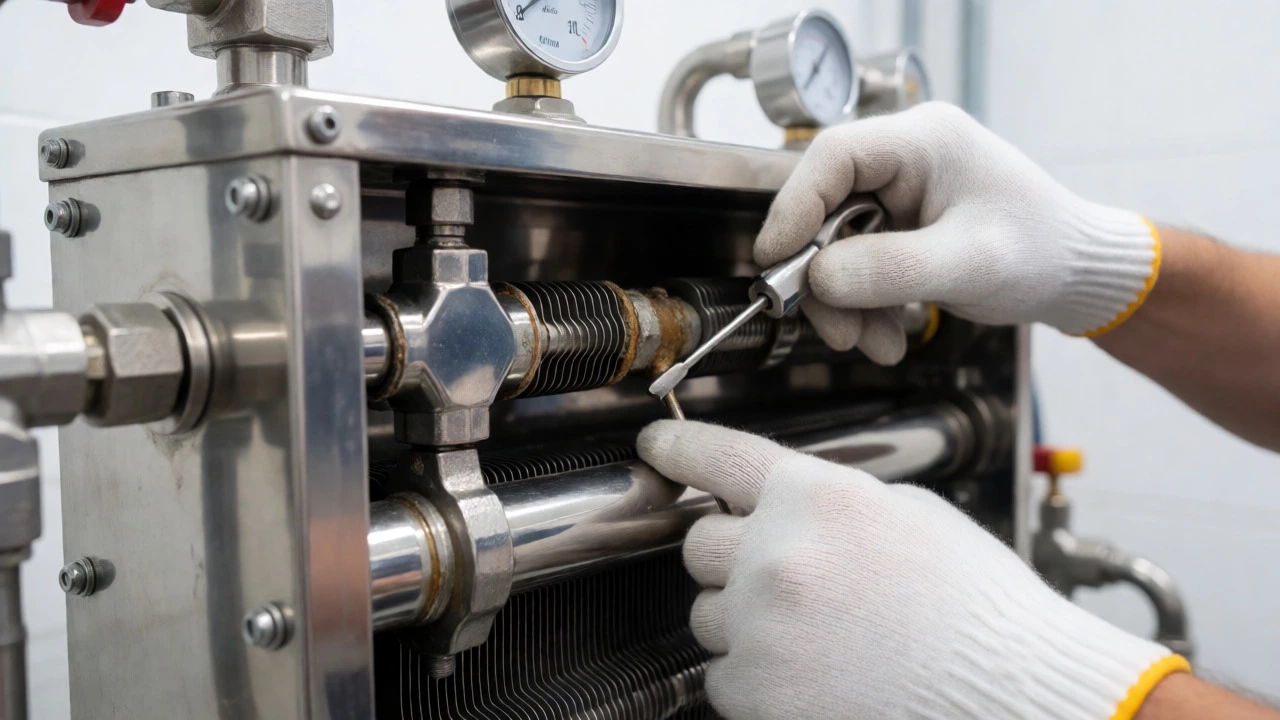
You can buy the best boiler in the world, but if you never service it, it won’t last 50 years. In fact, it might not last 15. Regular maintenance isn’t just about checking if it turns on. It’s about cleaning critical parts.
- Burner Cleaning: Dust and debris accumulate on burners. This leads to incomplete combustion. Unburnt fuel creates soot, which insulates heat exchangers and causes hot spots. Hot spots warp metal. Warped metal leaks.
- Heat Exchanger Flush: Over time, scale builds up on the heat exchanger fins. This reduces efficiency. More importantly, it restricts water flow. Restricted flow means the water gets too hot in certain spots, causing stress fractures.
- Pressure Checks: Boilers operate at specific pressures. Too low, and air gets in (causing noise and corrosion). Too high, and safety valves trip constantly, wearing them out.
Think of it like changing the oil in your car. You skip it, and the engine seizes. Skip boiler servicing, and the heat exchanger cracks. It’s that direct.
Usage Patterns and System Design
Did you know that how you use your boiler affects its lifespan? Constantly turning it on and off (short cycling) is bad for any mechanical device. Every start-up puts stress on the ignition system, the gas valve, and the fan motor.
Older systems were designed for constant operation. Modern modulating boilers are smarter. They adjust output based on demand. But if your thermostat settings cause rapid on/off cycles, you’re mimicking the wear-and-tear of an older system without the robust build quality.
Also, consider your piping system. If your radiators are sludged up, the boiler has to push water through narrow passages. This increases pump workload and pressure drop. A clean system allows the boiler to run gently. A dirty system makes it strain. Strain equals shorter life.
Signs Your Boiler Is Aging Gracefully (or Not)
How do you know if yours is on track for 50 years? Look for these signs.
Good Signs: * Quiet operation. No banging, clanking, or whistling. * Consistent heating throughout the house. * Low gas bills relative to your usage. * Clean flame color (blue, not yellow).
Warning Signs: * Yellow flame indicates poor combustion and carbon monoxide risk. * Puddles under the boiler suggest seal degradation. * Increasing energy bills despite no change in habits. * Frequent error codes requiring resets.
If you see warning signs, don’t ignore them. A small leak today becomes a flooded basement tomorrow. A dirty burner today becomes a cracked heat exchanger next year.
When to Replace vs. Repair
So, your boiler is 40 years old. Should you replace it? Not necessarily. If it’s cast iron, serviced annually, and running efficiently, keep it. Parts might be harder to find, but specialist plumbers often stock generic seals and gaskets.
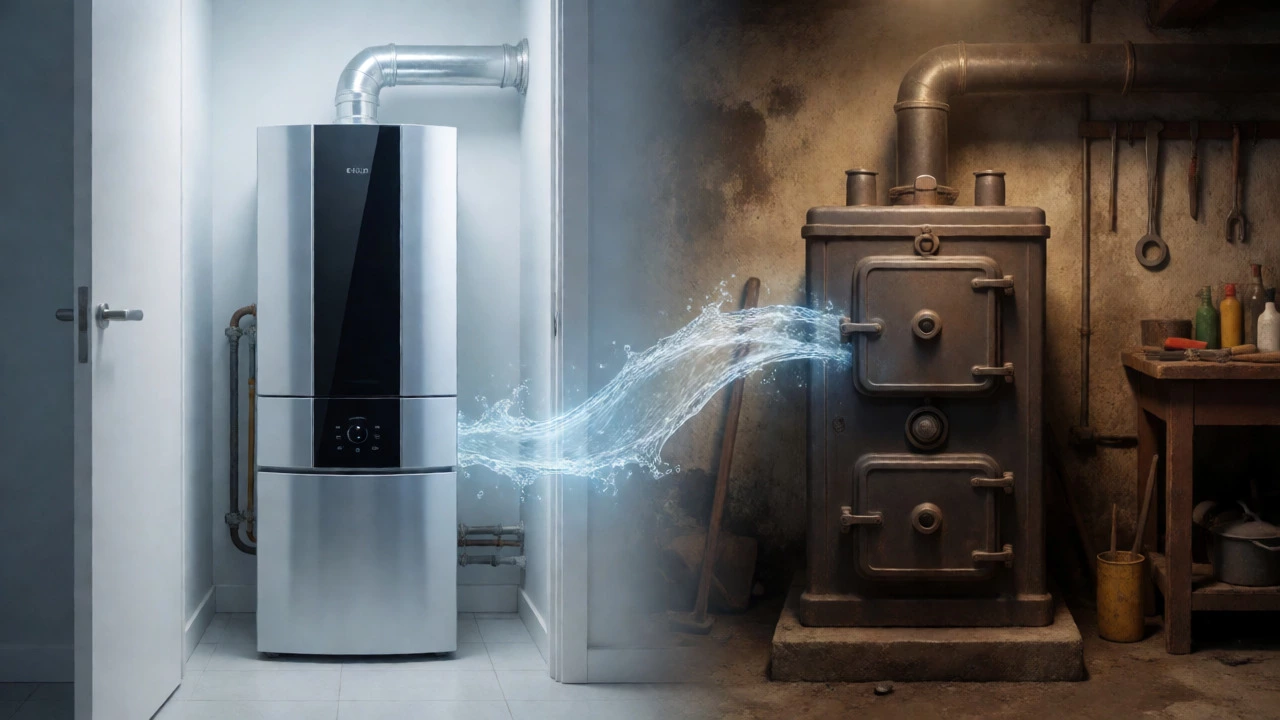
However, if it’s a steel boiler hitting 25 years, replacement is usually more cost-effective. New condensing boilers are up to 90% efficient compared to 70% for older non-condensing models. The energy savings can offset the replacement cost within 5-7 years.
Consider replacing if: * Repair costs exceed 50% of the replacement price. * Spare parts are obsolete or unavailable. * Efficiency has dropped significantly. * You plan to stay in the home for more than 10 years.
Final Thoughts on Longevity
Can a boiler last 50 years? Yes. But it requires a specific setup: cast iron construction, excellent water treatment, and rigorous annual maintenance. For most homeowners with modern steel or copper boilers, expect 15-25 years. Treat your system with respect, keep the water clean, and service it yearly. You’ll get every minute of life out of it.
What is the average lifespan of a gas boiler?
The average lifespan of a modern gas boiler is typically between 15 and 20 years. Older cast iron models can last 30 to 50 years with proper maintenance, while cheaper steel models may fail sooner if not cared for correctly.
Can I extend my boiler's life beyond 20 years?
Yes, you can extend your boiler's life by performing annual professional servicing, using water inhibitors to prevent corrosion, ensuring correct water pressure, and avoiding frequent short-cycling of the heating system.
Is it worth repairing a 30-year-old boiler?
It depends on the type. If it is a cast iron boiler that has been well-maintained, repairing it is often worth it because replacements are expensive and inefficient. However, for modern steel boilers, replacement is usually more economical due to higher efficiency gains.
What kills a boiler prematurely?
The primary causes of premature boiler failure are limescale buildup, corrosion from untreated water, lack of regular servicing, and thermal shock from rapid temperature changes. Ignoring minor leaks or strange noises also accelerates failure.
Do cast iron boilers really last longer than steel ones?
Generally, yes. Cast iron is thicker and more resistant to internal corrosion than sheet steel used in many modern boilers. While cast iron is susceptible to cracking from thermal shock, its resistance to rust gives it a longer potential lifespan if handled carefully.