

Boiler Repair Decision Tool
Select the issues you are currently experiencing with your heating system. The tool will analyze your inputs and recommend the correct professional.
What is happening?
Result Title
Subtitle goes hereDescription of the result.
Why this recommendation?
Imagine it’s a freezing Tuesday morning in Wellington. You turn the tap for hot water, but only cold sputters out. The radiator stays ice-cold. Panic sets in. Your first instinct might be to call the plumber you hired last year to fix that leaky kitchen sink. But here is the hard truth: calling a general plumber to fix your boiler could leave you with a broken system, a massive bill, or worse, a safety hazard.
The question "Can a plumber fix a boiler?" doesn't have a simple yes or no answer. It depends entirely on what kind of plumber they are, what type of boiler you own, and where you live. In many places, including New Zealand and the UK, there is a strict legal divide between plumbing (water pipes) and gas engineering (combustion systems). Crossing that line without the right certification can be illegal and dangerous.
The Critical Difference Between Plumbing and Gas Engineering
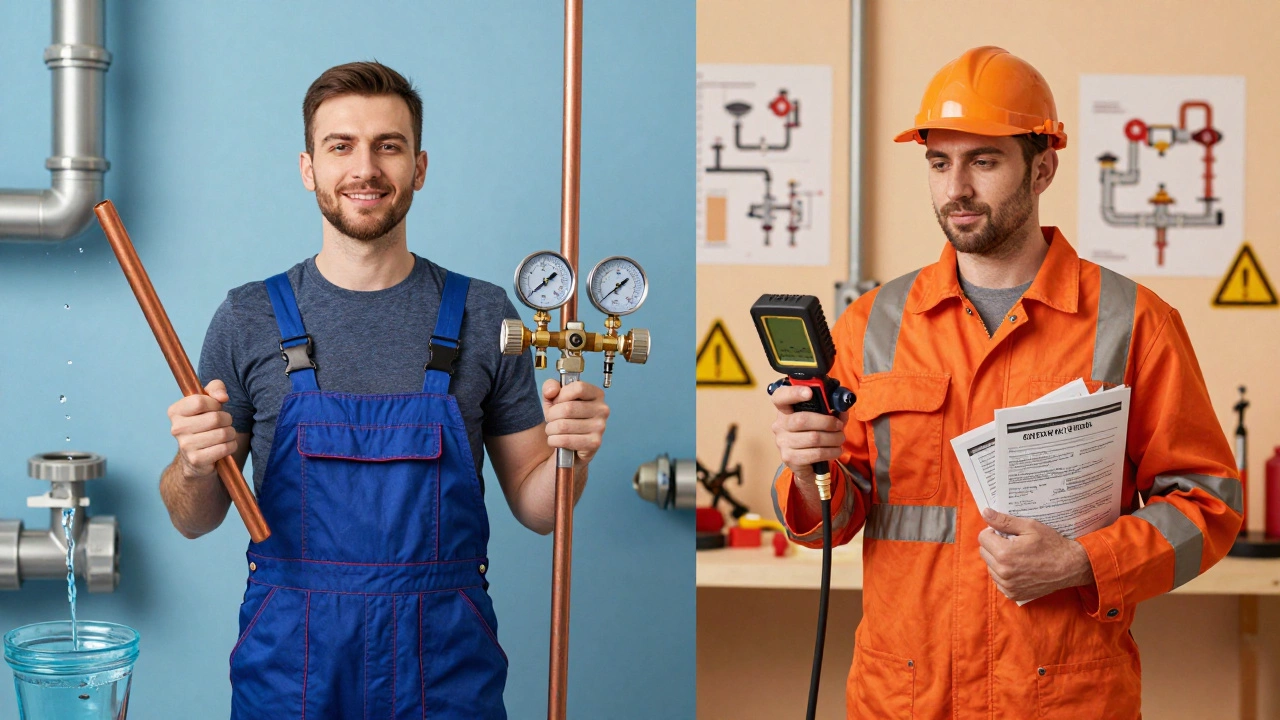
To understand why you shouldn't just grab any handyman's number, we need to look at how these two trades differ. A general plumber is an expert in water movement. They know everything about drainage, sewage, cold water supply, and pipe fitting. Their tools include wrenches, soldering torches for copper, and pressure gauges for water lines.
A gas engineer, however, deals with combustion. Boilers burn fuel-usually natural gas-to heat water. This process creates carbon monoxide, a deadly, odorless gas. If the burner isn't calibrated correctly, or if the flue isn't sealed properly, that gas can leak into your home. Gas engineers undergo specialized training to handle high-pressure gas lines, ignition systems, and ventilation requirements that plumbers typically do not cover.
| Feature | General Plumber | Gas Engineer |
|---|---|---|
| Primary Focus | Water supply, drainage, sanitation | Fuel combustion, heating generation |
| Certification | Plumbing license/trade qualification | Gas Safe Register (UK) / Gaswork License (NZ) |
| Boiler Work Allowed | Only non-combustion parts (pipes, radiators) | Internal components, gas valves, ignition |
| Safety Risk | Flooding, water damage | Carbon monoxide poisoning, explosion |
In New Zealand, for example, anyone working on a gas appliance must hold a valid Gaswork License issued by WorkSafe NZ. A standard plumbing license does not grant this authority. Similarly, in the UK, only engineers registered with the Gas Safe Register can legally work on gas boilers. Hiring someone outside these frameworks voids your insurance and puts your family at risk.
When Can a Plumber Actually Help?
This doesn't mean plumbers are useless when your heating breaks down. There is significant overlap in the broader heating system. Many issues that *look* like boiler failures are actually plumbing problems connected to the boiler. Here is where a qualified plumber shines:
- Radiator Bleeding: If your radiators are cold at the top but warm at the bottom, air is trapped inside. A plumber can bleed them easily.
- Pipe Leaks: If water is dripping from the pipes leading to or from the boiler, that’s a plumbing job. The boiler itself might be fine; the connection is just faulty.
- Pressure Issues (Water Side): While low pressure often indicates a leak in the system, a plumber can check the expansion vessel and fill loop. However, if the pressure drops because of an internal seal failure in the boiler, that requires a gas engineer.
- Thermostat Wiring: Basic wiring checks for room thermostats or programmer units are often within a plumber's scope, provided they don't touch the gas valve controls.
Think of it this way: The boiler is the engine, and the pipes/radiators are the chassis. If the chassis has a flat tire (leak), the mechanic (plumber) can fix it. If the engine is misfiring (ignition fault), you need a specialist engine tuner (gas engineer).
Red Flags: When You Must Call a Gas Specialist
If you hear a clicking noise when trying to light the pilot, smell gas, see soot around the boiler unit, or notice the flame color has changed from blue to yellow, stop immediately. These are signs of combustion issues. Do not let a general plumber touch these components.
Common boiler faults that require a certified gas engineer include:
- Ignition Failure: The spark generator or electrode is faulty.
- Gas Valve Malfunction: The valve controlling fuel flow is stuck or leaking.
- Heat Exchanger Cracks: Internal corrosion can lead to gas leaks or loss of efficiency.
- Flue Blockages: Exhaust gases aren't escaping properly, risking backflow into the home.
- Error Codes: Modern condensing boilers display digital error codes (like E1, F29, etc.) that require diagnostic software and technical knowledge to interpret safely.
Attempting to bypass these errors or force the boiler on can cause catastrophic failure. In 2025, data from health and safety authorities showed that unqualified repairs contributed to a rise in domestic carbon monoxide incidents. Don't gamble with your life to save $50 on labor.
The Rise of the "Plumber-Engineer" Hybrid
You might wonder, "Are there professionals who do both?" Yes, absolutely. Many companies employ technicians who are dual-certified. They hold both a plumbing license and a gaswork license. These individuals are highly valuable because they can diagnose the entire heating loop-from the water inlet to the gas burner-in one visit.
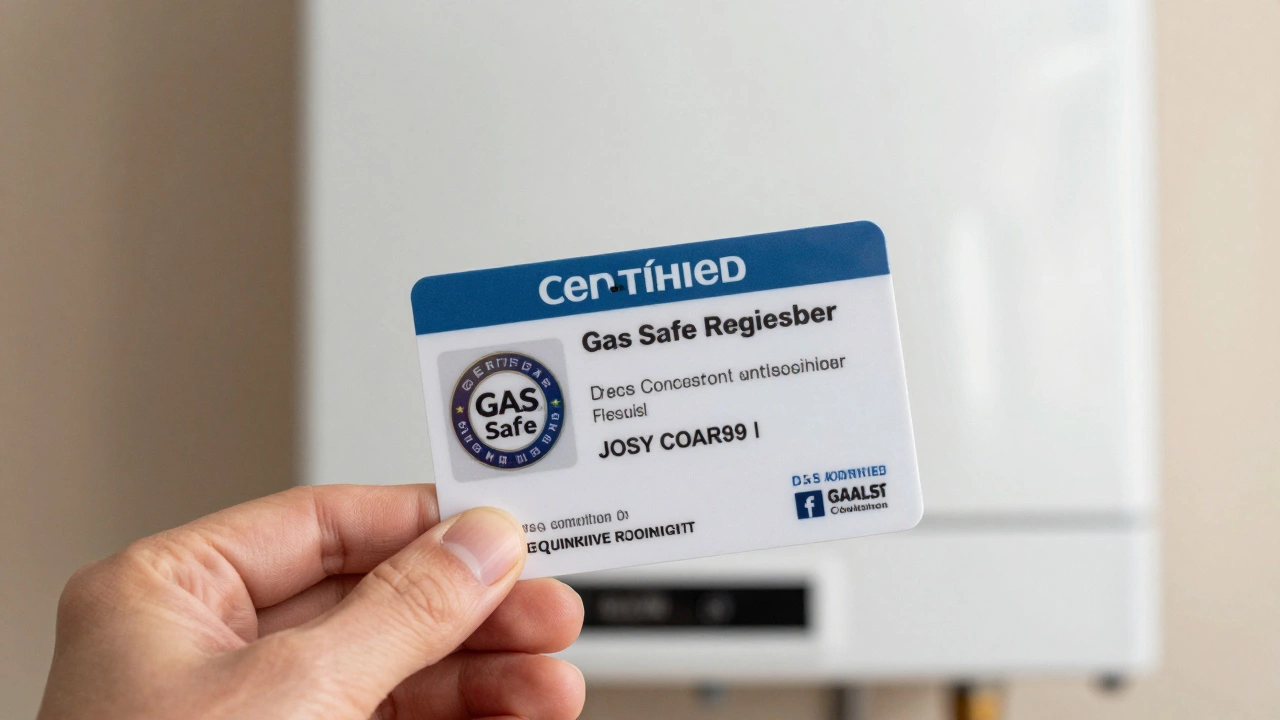
However, even these hybrids operate under strict rules. When they touch the gas side of the boiler, they are acting as a gas engineer, subject to gas safety regulations. When they fix the drainpipe, they are acting as a plumber. Always ask for proof of their specific gas certification before letting them open the boiler casing. In New Zealand, ask to see their WorkSafe Gaswork License card. In the UK, check their ID against the Gas Safe Register online.
Cost Implications of Calling the Wrong Person
Hiring the wrong professional often costs more in the long run. If a general plumber attempts a repair they aren't qualified for and fails, you’ll still have a broken boiler. Now you have to pay a second call-out fee to a gas engineer to come in, undo whatever was touched, and perform the correct repair. Gas engineers charge premium rates due to their specialized liability insurance and certification costs. In major cities like Auckland or London, call-out fees can range from $150 to $300, plus hourly labor.
Furthermore, if an unqualified person causes damage to the boiler's internal seals or gas pathways, your home insurance policy may refuse to cover the resulting damages. Most policies explicitly exclude coverage for work performed by uncertified contractors on gas appliances.
How to Verify Credentials Before Booking
Don't rely on a van sticker or a website claim. Verification takes two minutes and saves potential disasters.
- New Zealand: Use the official WorkSafe NZ license checker tool. Enter the technician's name or license number to confirm they hold a current Gaswork License for the specific category of appliance (e.g., Category B for fixed appliances).
- United Kingdom: Visit the Gas Safe Register website. Type in the engineer's name or company name to verify their registration status and the types of appliances they are authorized to work on.
- USA/Australia: Check local state licensing boards. Requirements vary by state, but most require specific endorsements for gas fitting.
Always ask directly: "Are you licensed to work on gas combustion systems?" If they hesitate or say "I'm a master plumber," that is not the same thing. A master plumber is an expert in water, not necessarily fire and gas.
Maintenance Tips to Avoid Emergency Calls
The best way to avoid the dilemma of who to call is to prevent breakdowns. Annual servicing is crucial. A certified gas engineer should service your boiler every 12 months. They will clean the heat exchanger, check gas pressure, test for carbon monoxide emissions, and ensure safety devices are functioning. This service usually includes a basic check of the plumbing connections, giving you peace of mind on both fronts.
Additionally, monitor your boiler pressure gauge regularly. For most systems, the ideal pressure is between 1 and 1.5 bar. If it drops below 0.5, top it up using the filling loop (a task a competent DIYer or plumber can do). If it rises above 3 bar, release some pressure via a radiator valve. Keeping the pressure stable reduces strain on the system's sensors and pumps.
Can a plumber fix a gas leak in a boiler?
No. A general plumber cannot legally or safely fix a gas leak. Gas leaks require immediate attention from a certified gas engineer. If you suspect a gas leak, turn off the gas supply at the meter, open windows, evacuate the house, and call the emergency gas number from outside.
Is it cheaper to hire a plumber or a gas engineer for boiler repairs?
While plumbers may have lower hourly rates, hiring them for gas-related boiler issues is risky and often illegal. If the issue is purely plumbing (like a leaking pipe), a plumber is the cost-effective choice. For internal boiler faults, a gas engineer is mandatory. Trying to save money with an unqualified person often leads to higher costs due to repeated call-outs and potential insurance voids.
What happens if a non-certified person repairs my boiler?
If an uncertified individual works on your gas boiler, you face several risks: carbon monoxide poisoning, explosion hazards, voided home insurance, and potential legal penalties depending on local laws. Additionally, the manufacturer's warranty on the boiler will likely be invalidated, meaning you'll pay full price for future repairs or replacements.
Do I need a plumber or gas engineer for installing a new boiler?
Installing a new boiler typically requires both. A gas engineer handles the boiler unit, gas connections, and flue installation. A plumber handles the water supply, drainage, and radiator connections. Many reputable companies provide a team with both certifications to ensure the entire system is installed correctly and safely.
How often should I service my boiler?
You should service your boiler annually. This ensures efficient operation, extends the lifespan of the unit, and maintains safety standards. During the service, a certified engineer checks for wear and tear, cleans key components, and tests for gas leaks and carbon monoxide emissions.