
Oven Repair vs. Replacement Decision Tool
Diagnosis & Inputs
Analysis Result
Enter details above to see if you should fix it or buy new.
The Hard Truth About Broken Ovens
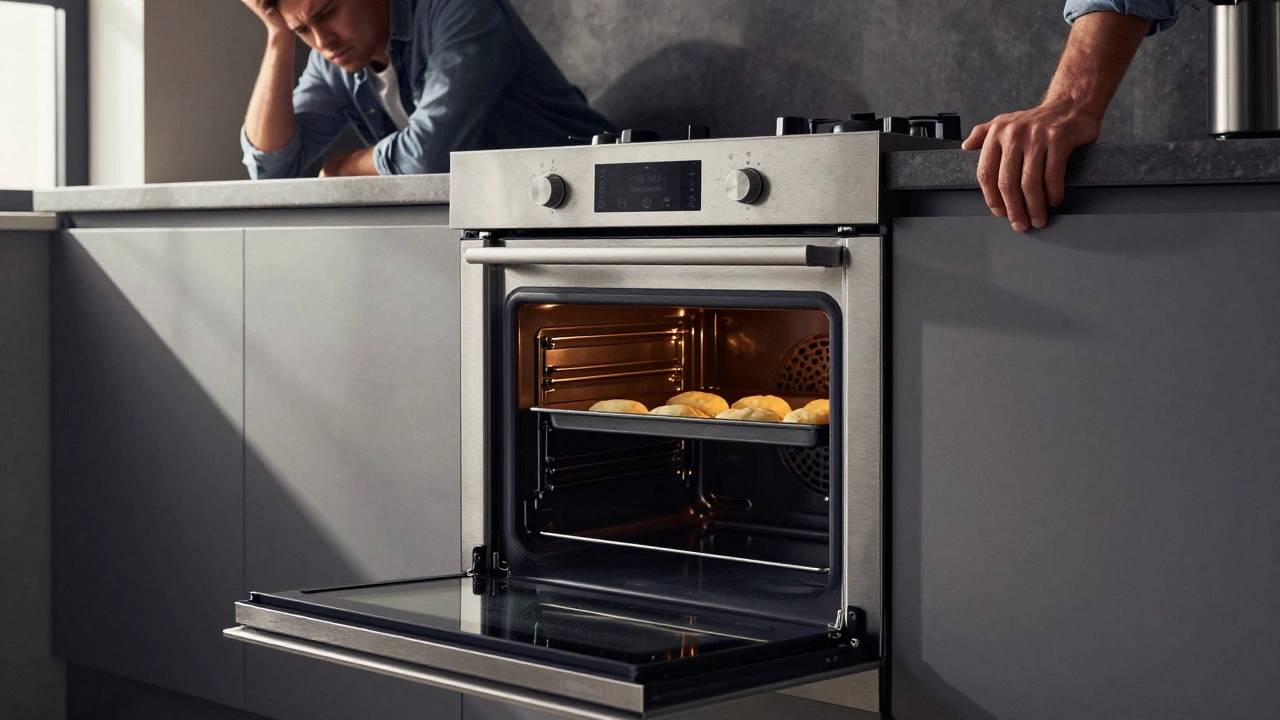
Nothing ruins dinner plans faster than an electric oven that refuses to heat up. You press the button, wait twenty minutes, and open the door to find cold metal and raw food. It feels like a hassle worth fixing, but the question always lingers: Can you really fix it, or is it time to buy something new? The short answer is yes. Most modern electric ovens can be repaired. However, the real question isn’t just about possibility-it’s about whether it makes sense financially and safely.
Many people assume that when an appliance stops working, the internal computer has died. While that happens, it is rarely the culprit. Mechanical and electrical wear-and-tear are the usual suspects. Understanding the difference between a quick fix and a lost cause saves you money and keeps you out of trouble with dangerous voltages.
Diagnosing the Issue Before You Spend a Dime
You cannot decide on a repair until you know exactly what is wrong. Symptoms are your biggest clue. If the oven clicks but stays cold, the issue is often power-related or involves the main heating unit. If it heats up but runs hot, you are likely dealing with a sensing problem.
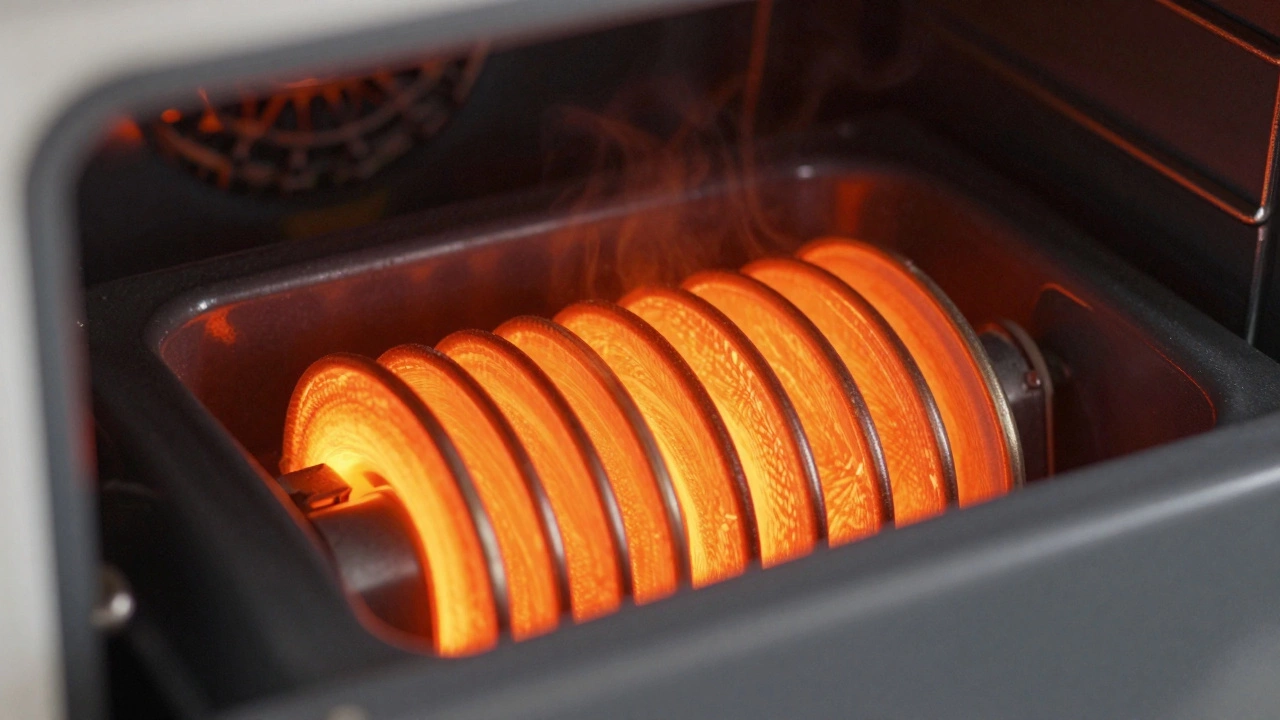
Heating Elements are the coils visible at the top or bottom of the cavity that glow red during operation. Also known as Bake Element, these are the most common failure points. A visual inspection often reveals breaks or blistering on the surface. If you see gaps in the coil, you found your problem. These parts are inexpensive and accessible.
Another frequent offender is the temperature sensor. If you set the dial to 350 degrees Fahrenheit (175°C) but the interior reads 450, your food burns before the timer goes off. This does not mean the oven is broken; it means it needs calibration or part replacement. Before assuming a complex failure, check the basics:
- Has the circuit breaker tripped in your main panel?
- Is the plug seated firmly in the wall socket?
- Are the knobs loose or disconnected?
Ruling these out quickly prevents unnecessary service calls. If the power light on the display flickers but the fans run, the control board might still have life left. This is where professional diagnosis becomes valuable because testing resistance on live components carries significant risk.
Understanding the Repair vs. Replace Threshold
Just because something can be fixed doesn’t mean it should be. There is a general financial rule of thumb used by experienced technicians. If the repair cost exceeds fifty percent of the price of a comparable new unit, replacement is usually the smarter choice. Electric ovens typically last between ten to twelve years with average usage. If yours is approaching that age, the next part to fail could be anything else.
Labor costs vary significantly by region. In some areas, a standard service fee covers the first hour, while parts are billed separately. You should ask for a diagnostic fee upfront. Some companies waive this fee if you proceed with the repair. Without this clarity, a simple thirty-dollar element change could turn into a three hundred-dollar visit just to find the switch.
Consider the age of the unit. Older models lack modern energy efficiency features. An upgrade to a newer convection oven reduces electricity bills over time. The savings on utility bills can offset the cost of buying a replacement model. On the other hand, high-end built-in ranges hold their value better and often use more durable components designed to last longer.
Common Components That Fail
To understand why repairs happen, you need to know what is inside the box. The complexity of modern appliances has increased, but the core mechanics remain similar across brands.
A Thermostat is a mechanism that measures internal temperature and cycles power on or off to maintain heat acts as the brain for heat regulation. When this component sticks, the oven will never cut off the power to the heating coils, leading to dangerously high temperatures. This poses a fire hazard if unaddressed. Replacing a thermostat requires accessing the rear or side panels, often behind the kickplate at the bottom.
The Control Board is the electronic circuit board that manages inputs from buttons and displays outputs to heating elements. Also known as PCB, failures here often show as error codes on the screen. Modern digital boards can suffer from moisture damage or overheating. Unlike older mechanical timers, these do not come with fuses. When a control board fails, manufacturers usually require a full unit swap rather than a chip-level repair.
Door seals are another overlooked area. If you can feel heat radiating strongly from the front of the unit even when closed, the gasket may be perished. Air leaks force the heating elements to work harder to maintain temperature, raising your energy bill. Seals are cheap rubber replacements that anyone can install with a screwdriver. It is a common maintenance task that extends the life of the main components.
| Component | Symptoms | Typical Fix Cost | DIY Friendly? |
|---|---|---|---|
| Heating Element | No heat / Blown glass | $50 - $150 | Yes |
| Temperature Sensor | Inaccurate temps | $60 - $120 | Moderate |
| Control Board | Error codes / No display | $200 - $400 | No |
| Door Switch | Light stays on | $40 - $80 | Yes |
Safety Risks and Electrical Hazards
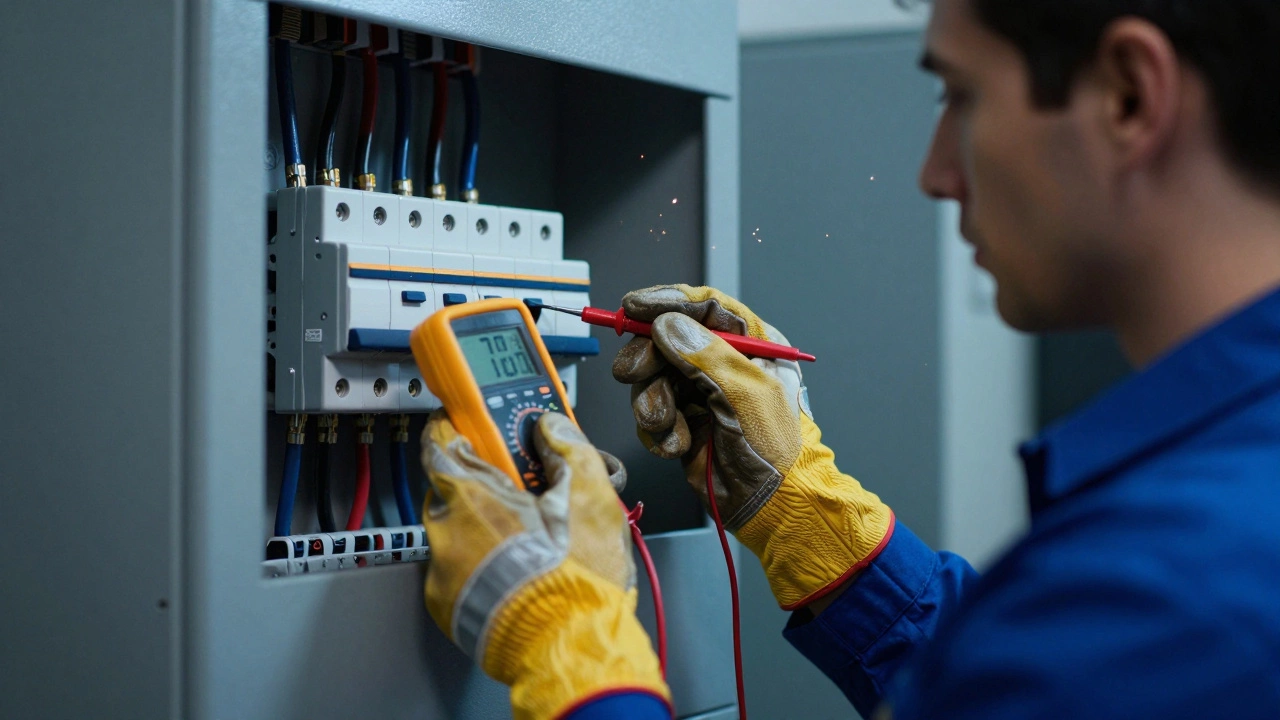
Electric ovens operate on high voltage. Standard residential supply is around 240 volts in many regions. This voltage is lethal if you accidentally bridge terminals while troubleshooting. Always disconnect the power at the mains breaker before attempting any access. Touching live wires can cause severe injury or cardiac arrest.
Gas leaks are not a risk with pure electric units, but burn marks from previous spills can ignite oil residues. When cleaning before repair, avoid harsh chemicals near electrical contacts. Moisture intrusion is a major killer of electronics. Ensure the unit is dry after cleaning before restoring power.
If you hear popping sounds coming from the back of the cabinet, stop immediately. This often indicates a capacitor blow or wire insulation melting. Do not try to touch the exposed wiring. Call a qualified Appliance Technician who has training in high-voltage diagnostics and certified tools to safely test circuits. They carry insurance coverage in case of accidental damage. Attempting to bypass safety interlocks to make the machine work is extremely dangerous and voids liability protection.
When to Upgrade Instead of Repair
There comes a point where patching old equipment is less logical than investing in modern efficiency. Consider replacing your appliance if the warranty has expired and the unit is older than ten years. Manufacturers discontinue parts after roughly fifteen years. Once parts become obsolete, finding replacements is nearly impossible.
Newer models offer convection settings that cook food evenly and faster. Smart connectivity allows remote monitoring of baking status. While the upfront cost is higher, the reliability and performance gains justify the expense. Energy Star rated ovens consume less power per hour of use. Over five years, this reduction in consumption pays for the initial upgrade.
Frequently Asked Questions
How long does a typical electric oven take to repair?
Most routine repairs, such as changing a heating element or sensor, take one to two hours on site. Technicians need to diagnose, order the part if not present, install it, and test the unit. Complex issues involving the control board may require a second visit to bring the correct electronic module.
Can I fix the oven myself?
Yes, for simple components like door switches or visible heating coils. However, you must turn off the power at the fuse box first. Internal components like the control board should be handled by professionals due to high voltage risks and complex wiring diagrams.
Is it cheaper to buy a new oven or repair the old one?
It depends on the repair cost versus the market value of a new unit. If the repair bill is over half the cost of a new oven, buy new. If the oven is over ten years old, upgrading is often the wiser financial decision.
What are the signs my oven needs fixing?
Signs include no heat at all, uneven cooking, temperatures that are too high or low, strange burning smells, or the oven failing to turn on. If the lights flicker or the display shows error codes, internal sensors are likely damaged.
Does a repair restore the warranty?
No. Repairs do not extend the original manufacturer warranty. However, a reputable technician will offer a guarantee on the labor and the replaced parts, typically ranging from 90 days to one year depending on the service policy.