
Glass Hob Repair vs. Replace Calculator
Enter your details below to get a personalized recommendation based on current New Zealand market rates.
Appliance Details
Fill in the form to see if you should repair or replace.
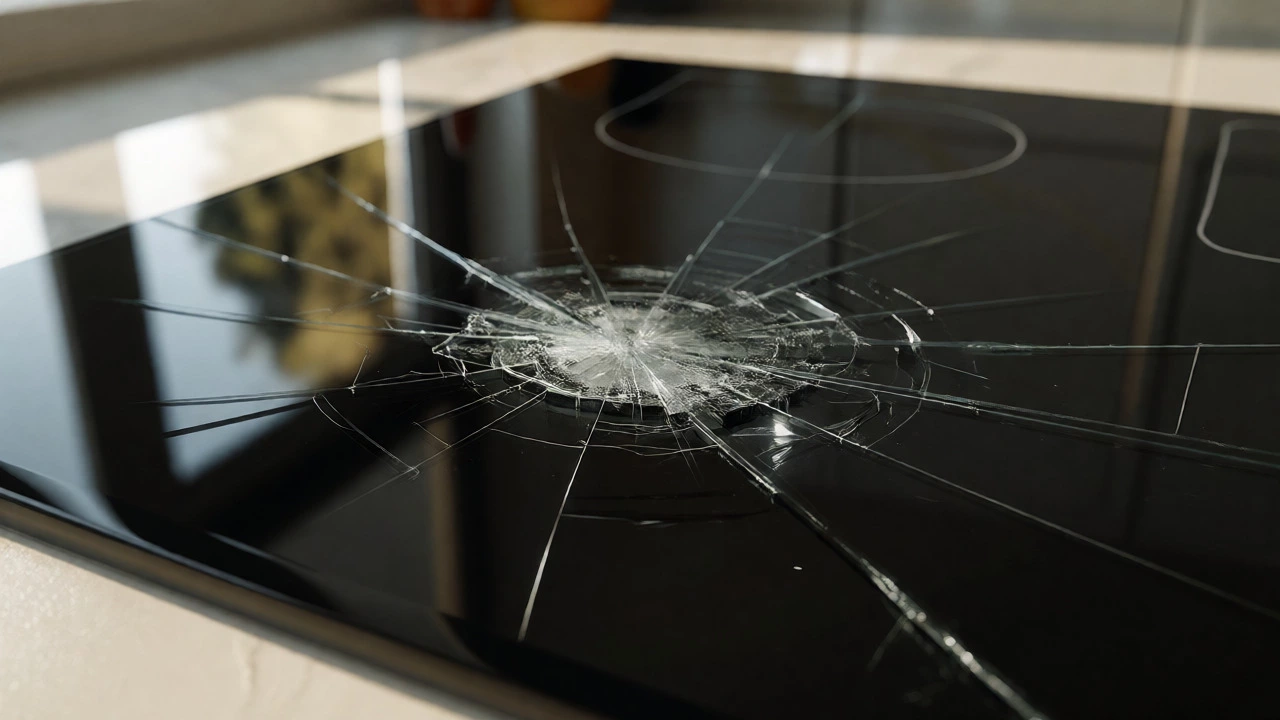
You’re cooking dinner, the pan slides slightly, or maybe you just set something heavy down too hard. Crack. Your heart sinks. You look down at your sleek, modern kitchen centerpiece and see a spiderweb fracture across the surface. The immediate thought is panic: "Is my entire stove ruined?"
The short answer is yes, you can often repair a glass hob, but it’s rarely as simple as slapping some glue on it. Whether you should repair it depends entirely on the type of damage, the age of the unit, and how much you value your wallet. In New Zealand, where appliances are expensive and labor costs aren't exactly cheap, knowing when to call a technician versus when to start browsing for a new stove is crucial.
Understanding What Actually Broke
First, let’s clear up a common misconception. A "glass" hob isn’t actually glass in the window-pane sense. It is almost always a specialized ceramic-glass composite, typically branded as Schott Ceran or EuroKera. This material is engineered to withstand extreme thermal shock-going from cold to red-hot instantly without shattering like regular glass. But while it handles heat well, it has zero tolerance for impact.
When you see a crack, one of three things has happened:
- A Surface Scratch: It looks white or silver but doesn’t catch your fingernail. This is cosmetic. You can’t really "repair" this, but you can polish it out with specific ceramic compounds if you’re patient.
- A Hairline Crack: You feel a slight ridge with your nail. The structural integrity is compromised. Water can seep into the gap, potentially damaging the heating elements underneath.
- A Deep Fracture: The crack spans a significant portion of the surface or branches out. The panel is effectively broken. If water gets under here, you risk electrical shorts or gas leaks (if it’s a hybrid unit).
If you have a deep fracture, do not use that burner again until it’s fixed. Heat expands materials. Every time you turn on that zone, the crack will grow because the expansion has nowhere else to go.
The DIY Myth: Can You Glue It Yourself?
I see people online trying to use superglue or even silicone sealant to fix cracks. Here’s the reality: standard adhesives fail under high heat. Ceramic hobs reach temperatures upwards of 300°C (572°F) during normal operation, and the element itself glows red hot. Most household glues degrade, yellow, or melt at these temps.
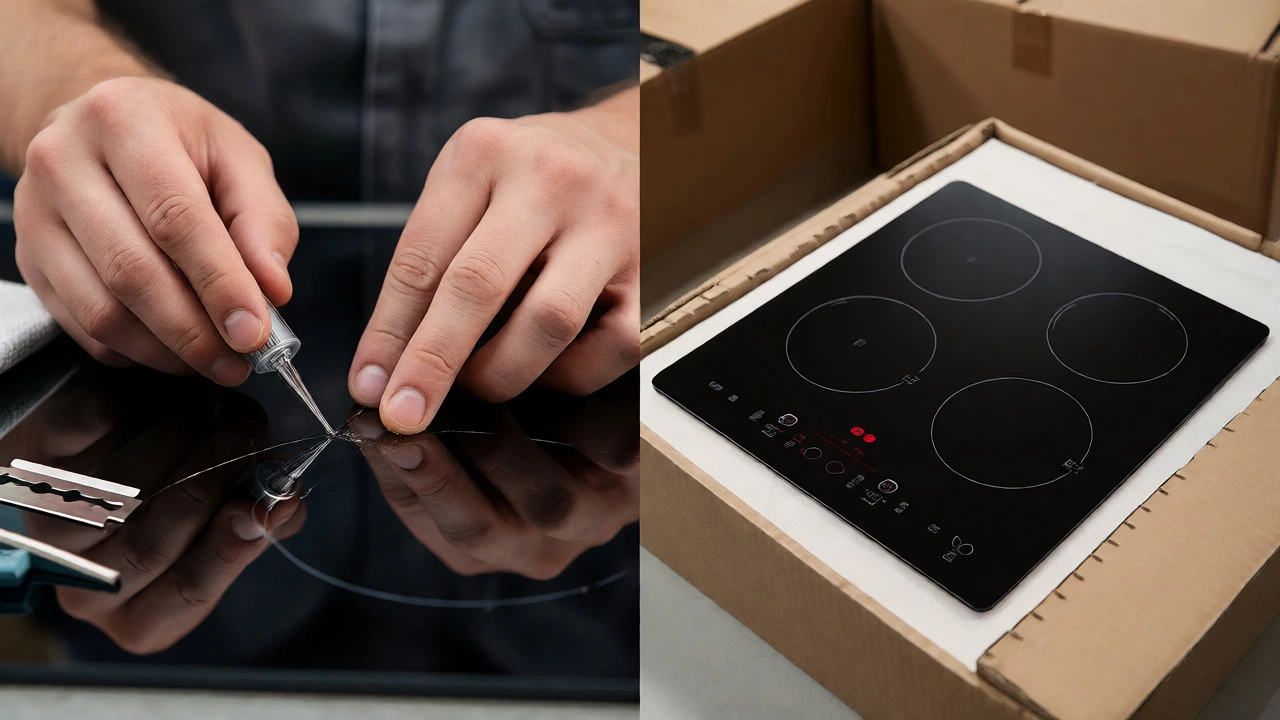
There are specialized high-temperature epoxies designed for ceramic repairs. They work for small chips or hairline fractures that haven’t penetrated fully through the thickness of the glass. However, they are not invisible. You’ll see the patch. And more importantly, they don’t restore structural strength. If you press down on that spot later, the epoxy might hold, but the surrounding glass could still flex and crack further.
| Damage Type | DIY Fix Possible? | Risk Level | Recommended Action |
|---|---|---|---|
| Cosmetic Scratches | Yes | Low | Polish with ceramic cleaner |
| Hairline Crack (<1cm) | Maybe | Medium | High-temp epoxy or monitor closely |
| Deep Crack (>1cm) | No | High | Professional replacement |
| Shattered Panel | No | Severe | Replace entire hob or unit |
When Professional Replacement Is the Only Option
If the crack is long enough to span between two burners, or if it goes all the way to the edge of the frame, you need a new glass panel. This isn’t a job for the average handyman. Replacing the glass on a built-in hob involves disconnecting power, removing the unit from the countertop cutout, lifting the entire assembly, and carefully prying off the old glass without breaking the internal components.
In Wellington, finding a specialist who stocks generic glass panels for older models can be tricky. Manufacturers like Bosch, Miele, and Fisher & Paykel often design their hobs so that the glass is bonded to the chassis. Sometimes, replacing the glass means replacing the whole top half of the appliance. This drives the cost up significantly.
Here is the brutal math you need to do before calling a technician:
- Get a Quote for Glass Replacement: Ask for parts + labor. In NZ, expect to pay between $300 and $600 depending on the brand and accessibility.
- Check the Age of the Appliance: If your hob is over 8-10 years old, the control board, switches, or wiring may be nearing end-of-life. Putting $500 into an old machine is risky.
- Compare to New Unit Price: A basic entry-level electric hob starts around $400-$500. If the repair quote is more than 50% of the price of a new unit, walk away. Buy new.
Sourcing the Right Part
Not all glass is created equal. You cannot just buy any rectangular piece of tempered glass. The panel must match the dimensions exactly, including the corner radius and the position of the mounting holes or clips. More critically, it must match the curvature and thickness required by the manufacturer’s gasket system.
If you have a discontinued model, you might face a "parts shortage." Companies like BSH (which owns Bosch and Siemens) keep parts for about 10-12 years after production stops. After that, you’re hunting on TradeMe or looking for second-hand units to salvage glass from. Always check the serial number sticker under the hob before ordering. There are often subtle revisions within the same model year that change the glass shape.
Preventing Future Cracks
Once you’ve repaired or replaced your hob, you want to avoid repeating the mistake. Glass hobs are durable against heat, but fragile against point impacts.
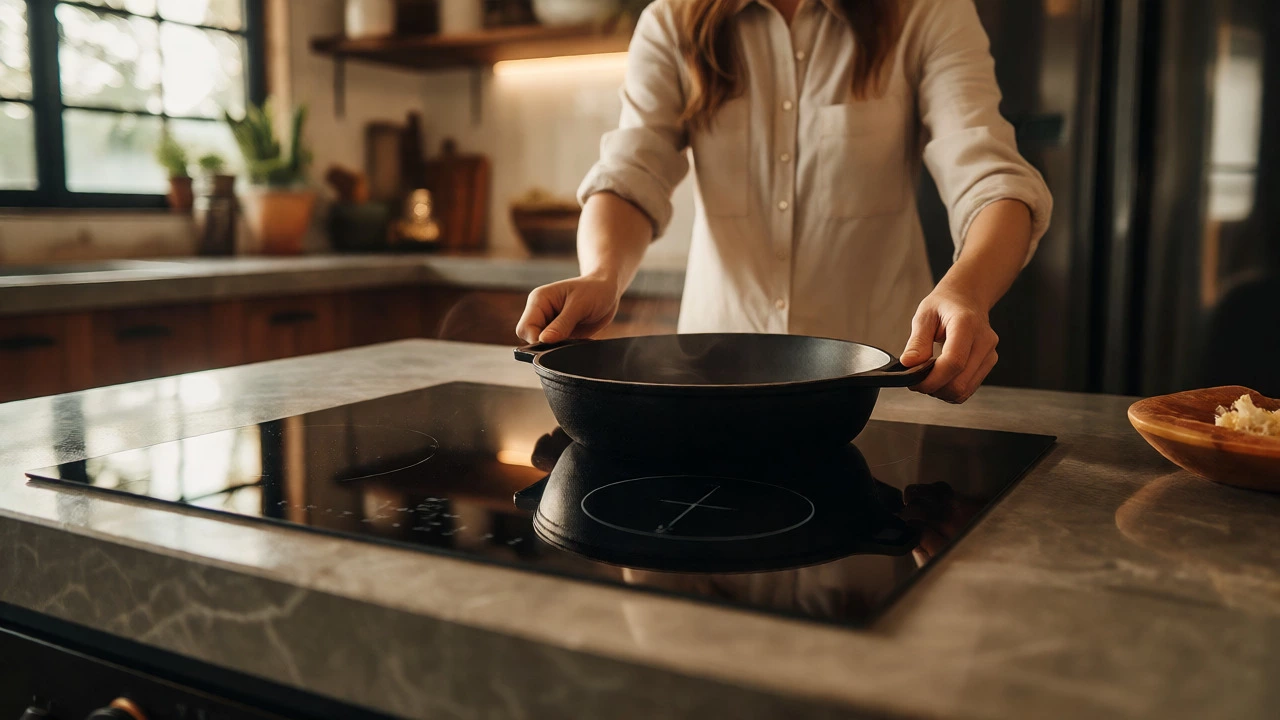
- Lift, Don’t Drag: Never slide cast iron pans across the surface. Even a tiny grain of sand caught under the base acts like a diamond cutter. Lift the pan and place it down gently.
- Watch the Sugar: Spilled sugar melts and fuses to the glass. If you try to scrape it off while hot, you can pull chunks of glass out with it. Wait until it cools slightly (but is still warm) to scrape with a razor blade held at a low angle.
- Avoid Thermal Shock: While the glass handles heat well, putting a freezing cold wet cloth on a red-hot burner can cause stress fractures. Let the surface cool before aggressive cleaning.
The Verdict: Repair or Replace?
So, can you repair a glass hob? Technically, yes. Practically, it depends on the severity.
If it’s a minor chip or scratch, leave it alone or polish it. If it’s a growing crack, get a professional quote immediately. If the quote exceeds half the cost of a new mid-range hob, replace the unit. Modern hobs come with better energy efficiency, faster boiling times, and safety features that older models lack. Plus, you get a warranty on the new glass.
Don’t let a small crack become a shattered mess. Address it early, weigh the costs honestly, and choose the option that keeps your kitchen functional without draining your bank account.
Is it safe to cook on a cracked glass hob?
It is generally unsafe to cook directly over a deep crack. Liquids can seep into the fissure and reach the electrical components or insulation below, causing short circuits or corrosion. Additionally, the structural weakness means the glass could shatter completely under the weight of a heavy pot or sudden temperature change. If the crack is superficial and hasn't penetrated the full depth, you can cautiously use other zones, but avoid the damaged area.
How much does it cost to replace a glass hob panel in New Zealand?
Costs vary widely based on the brand and whether the glass is a separate part or integrated into the chassis. For common brands like Fisher & Paykel or Electrolux, parts plus labor typically range from $350 to $600 NZD. High-end European brands like Miele or Gaggenau can exceed $800 NZD due to specialized parts and higher labor rates. Always get a written quote before authorizing work.
Can I use superglue to fix a crack in my ceramic hob?
No, standard cyanoacrylate (superglue) is not suitable. It becomes brittle when heated and will likely fail during cooking cycles. Furthermore, most superglues contain solvents that can discolor the ceramic surface permanently. If you attempt a DIY fix, use only a high-temperature ceramic-specific epoxy rated for at least 300°C, though professional replacement remains the superior option for structural integrity.
Why did my glass hob crack on its own?
Spontaneous cracking is rare but possible. Common causes include pre-existing micro-scratches that weakened the structure over time, improper installation where the glass was under tension, or placing a very hot pan on a cold surface rapidly (thermal shock). Sometimes, manufacturing defects in the tempering process can lead to delayed failure, usually covered under warranty if the appliance is new.
Does home insurance cover glass hob repairs?
Typically, no. Home contents insurance usually covers accidental damage from external events (like dropping something on it), but wear and tear or accidental breakage during normal use is often excluded. Check your policy's definition of "accidental damage." Some comprehensive policies might cover it, but the excess (deductible) might be higher than the repair cost itself.