
Boiler Replacement Toilet Calculator
Will Your Toilet Work During Boiler Replacement?
Answer these questions to see if you can flush your toilet during boiler replacement.
When your boiler breaks down and needs replacing, the first thing you might worry about isn’t the cost or the installer’s schedule-it’s whether you can still flush the toilet. It sounds simple, but in the middle of a home renovation, even basic routines like using the bathroom can become a headache. The good news? In most cases, you can still use the toilet when the boiler is being replaced. But there are important exceptions, and knowing them ahead of time can save you from a messy, stressful day.
How boilers and toilets are connected (and how they’re not)
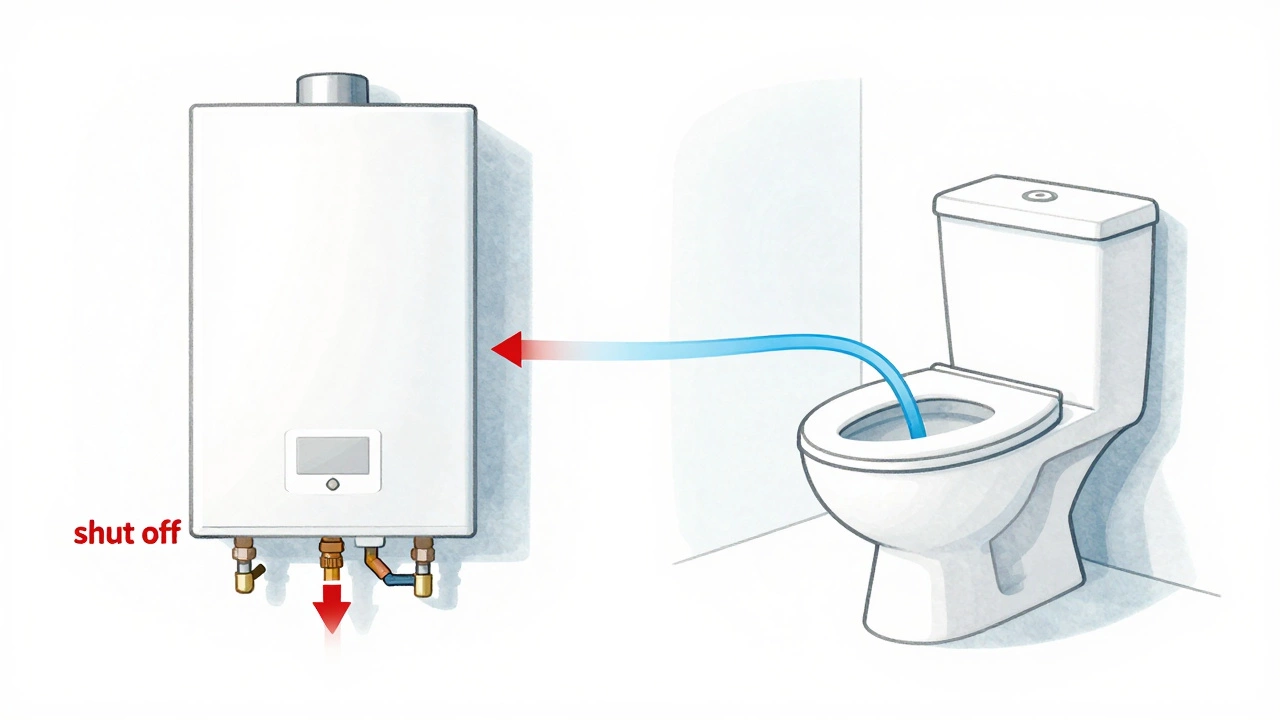
Many people assume the boiler powers the whole house’s water system. It doesn’t. A boiler heats water for radiators and sometimes provides hot water for taps and showers. The toilet? It only needs cold water to refill the tank after each flush. That water comes straight from your main supply line, usually under the sink or near the water meter-not through the boiler.
Unless your home has a very old or unusual setup, the toilet’s water source is completely separate from the boiler. That means even if the boiler is turned off, drained, or removed, the cold water feed to your toilet should still work. You’ll still get water in the bowl. You’ll still be able to flush.
When you might NOT be able to use the toilet
There are three real-world situations where flushing could become a problem during a boiler replacement:
- Your boiler is also your hot water tank. In older combi boiler systems, the boiler heats water on demand. But in some older homes, especially in the UK and parts of Europe, the boiler feeds a separate hot water cylinder. If that cylinder is connected to the same cold water feed as your toilet (a rare setup), and the plumber shuts off the main water to drain the system, your toilet won’t get water either.
- The plumber shuts off the main water supply. This is the most common reason toilets stop working during boiler work. To safely replace a boiler, plumbers usually turn off the main water valve to the house. This stops water flow everywhere-sinks, showers, and toilets. It’s not because the boiler is involved-it’s just standard safety procedure.
- Your toilet is connected to a pressurized system. Some homes, especially in newer builds or high-rise apartments, use unvented pressurized systems. If the boiler is part of that system, turning it off might affect water pressure. In rare cases, this can delay or stop water from reaching the toilet tank.
Most homes in New Zealand, including those in Wellington, use standard gravity-fed cold water systems. That means if your toilet stops working during boiler work, it’s almost certainly because the main water was turned off-not because of the boiler itself.
What to expect on the day of the boiler replacement
A professional boiler installer will usually tell you in advance if the water will be shut off. Most will schedule the work to minimize disruption. If they’re replacing the boiler in the morning, they might turn off the water for 3-5 hours while they drain the old system, install the new one, and pressure-test the pipes.
During that time, you won’t be able to flush the toilet. But here’s what you can do:
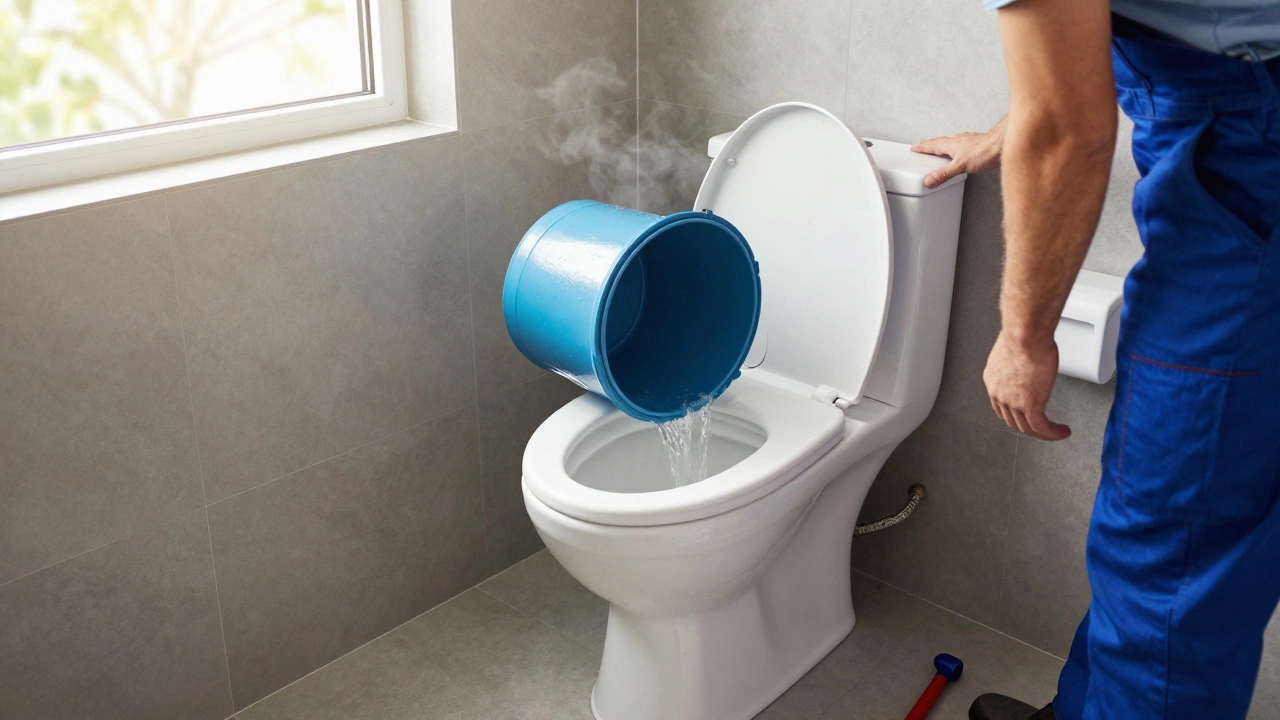
- Fill a large bucket or container with water before the work starts. You can pour it directly into the toilet bowl to flush manually.
- Use a nearby neighbor’s bathroom if you’re comfortable doing so.
- If you have a guest bathroom or an outdoor toilet (like a composting toilet or outhouse), use that instead.
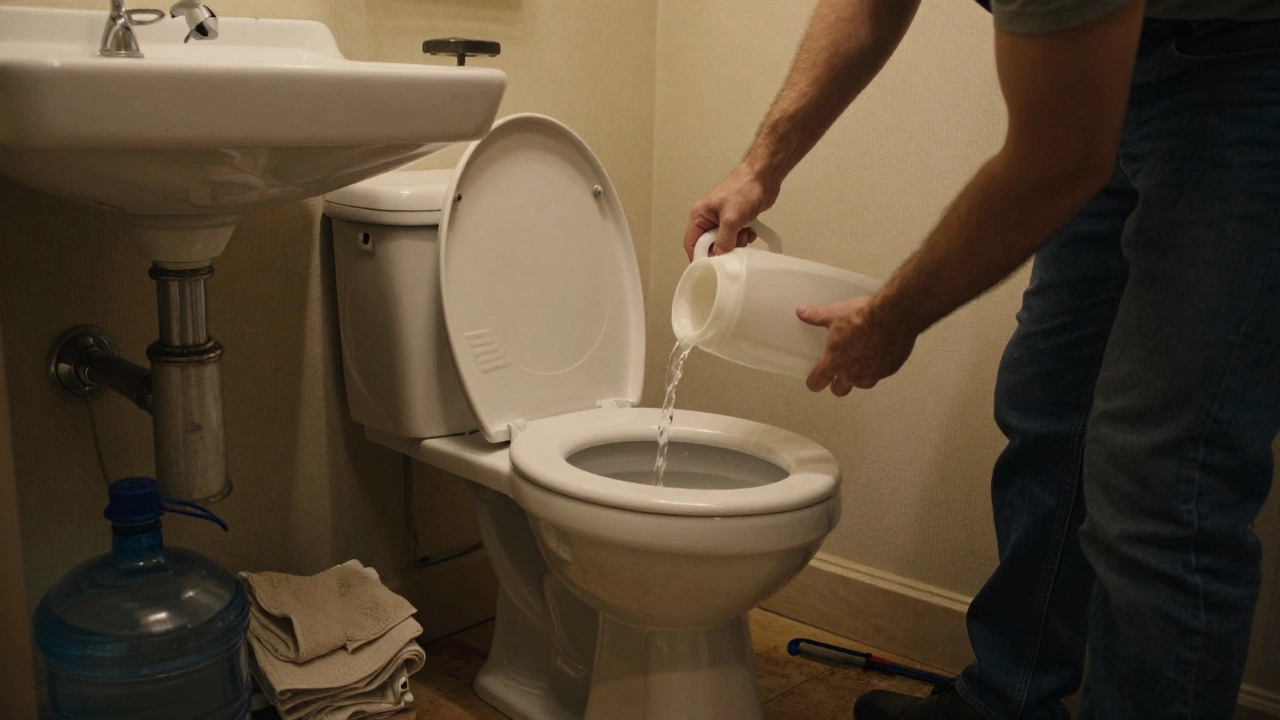
- Keep a jug of water in the bathroom for emergencies. Even a few liters can make a big difference.
Some installers will leave the cold water on for toilets only if they’re confident the plumbing can be isolated. Ask them ahead of time. Many will agree to it if you explain you have young kids, elderly family members, or medical needs.
What to ask your boiler installer before they start
Don’t assume they’ll tell you everything. Ask these questions:
- “Will you be turning off the main water supply?”
- “Can you leave the cold water on for the toilet?”
- “How long will the water be off?”
- “Will I still have hot water during the process?”
If they say they’re unsure, that’s a red flag. A good installer should know exactly how your system works. If they’re working on a combi boiler in a standard New Zealand home, they should be able to isolate the boiler without affecting the toilet’s cold water feed.
What to do if the water gets cut off unexpectedly
Even the best plans can go sideways. Maybe the plumber finds a leak in an old pipe and needs to shut off more than planned. Or maybe your home’s plumbing is older than expected.
If your toilet stops working and you didn’t prepare:
- Use a bucket of water from the sink or bathtub to flush manually. Pour it quickly into the bowl-not slowly. The force helps trigger the siphon.
- Don’t flush multiple times in a row. Each flush uses 6-12 liters. If you’re low on water, be conservative.
- If you have a garden hose, you can fill a watering can or large jug from the outdoor tap. Just make sure it’s not connected to a pressure washer or irrigation system that could contaminate the water.
- Keep wet wipes or tissues handy for emergencies. They’re not a substitute, but they can help in a pinch.
Most people don’t realize how much water a toilet uses. A single flush can drain a 5-liter jug. Plan for at least 3-4 flushes per person per day. If you have a family of four, you’ll need 50-60 liters of stored water for the day.
What’s different about newer boilers?
Modern boilers, especially condensing models, are designed to be installed with minimal disruption. Many use push-fit connections and don’t require draining the entire system. If your new boiler is a direct replacement, the plumber might only need to disconnect the old one and plug in the new one without turning off the water at all.
That’s becoming more common in Wellington and other parts of New Zealand. If your boiler is less than 15 years old and you’re replacing it with a similar model, ask if they can do a “swap without drain.” If they can, you won’t lose water at all-not even for a minute.
Final checklist before boiler replacement day
Here’s what you should do the night before:
- Fill at least two large buckets or containers with water (10-15 liters total).
- Keep a jug of water next to the toilet.
- Confirm with the installer whether the water will be shut off and for how long.
- Let everyone in the house know what to expect-especially kids and older adults.
- Have wet wipes, paper towels, and hand sanitizer ready.
- Check if your home has a separate cold water valve for the toilet. If you find one, mark it so you can turn it on yourself if needed.
Boiler replacement isn’t fun, but it doesn’t have to ruin your day. With a little preparation, you can keep your routine going-even if the boiler’s gone for a few hours. And once the new one’s up and running, you’ll be back to normal faster than you think.
Can I flush the toilet if the boiler is turned off?
Yes, you can usually flush the toilet even if the boiler is turned off. The toilet uses cold water from your main supply line, not the boiler. Unless the plumber shuts off the main water to the house, your toilet should still work.
Why is my toilet not flushing during boiler replacement?
If your toilet isn’t flushing, it’s likely because the plumber turned off the main water supply to the house. This is standard practice when replacing a boiler to prevent leaks or pressure issues. It’s not because the boiler is connected to the toilet-it’s just a safety step.
How long will the water be off during boiler replacement?
Most boiler replacements take 4-8 hours. The water will typically be off for 3-5 hours while the plumber drains the old system, installs the new boiler, and tests the pipes. Ask your installer for a timeline ahead of time.
Can I use the shower during boiler replacement?
No, you won’t have hot water during the replacement. If the main water is shut off, you won’t have cold water either. Even if the water is on, the new boiler won’t be running yet, so no hot water. Plan to shower before or after the work.
Should I turn off the water myself before the plumber arrives?
No, don’t turn off the water yourself. The plumber needs to control the shutdown to avoid damaging pipes or causing leaks. Just make sure you know where your main water valve is in case you need to turn it on after they finish.
What to do after the boiler is installed
Once the new boiler is running, the plumber will turn the water back on and check for leaks. Wait at least 15 minutes before using the toilet or shower. This gives the system time to stabilize and any air pockets to clear.
Flush the toilet a few times to make sure the tank fills properly. If it takes too long or doesn’t fill at all, there might be air in the pipes. Run the cold tap in the kitchen or bathroom for a minute to clear it.
And don’t forget to thank your installer. A good job means you won’t be dealing with this again for 10-15 years.