
Electric Oven Troubleshooting Assistant
Select the symptom you are experiencing below to identify potential causes and recommended actions.
Please select a symptom from the list and click "Diagnose Issue" to see results.
Safety First
- • Always unplug the oven or trip the circuit breaker before inspecting internal components.
- • If your oven is under warranty, check terms before attempting repairs.
- • Call a professional if you are unsure about electrical connections.
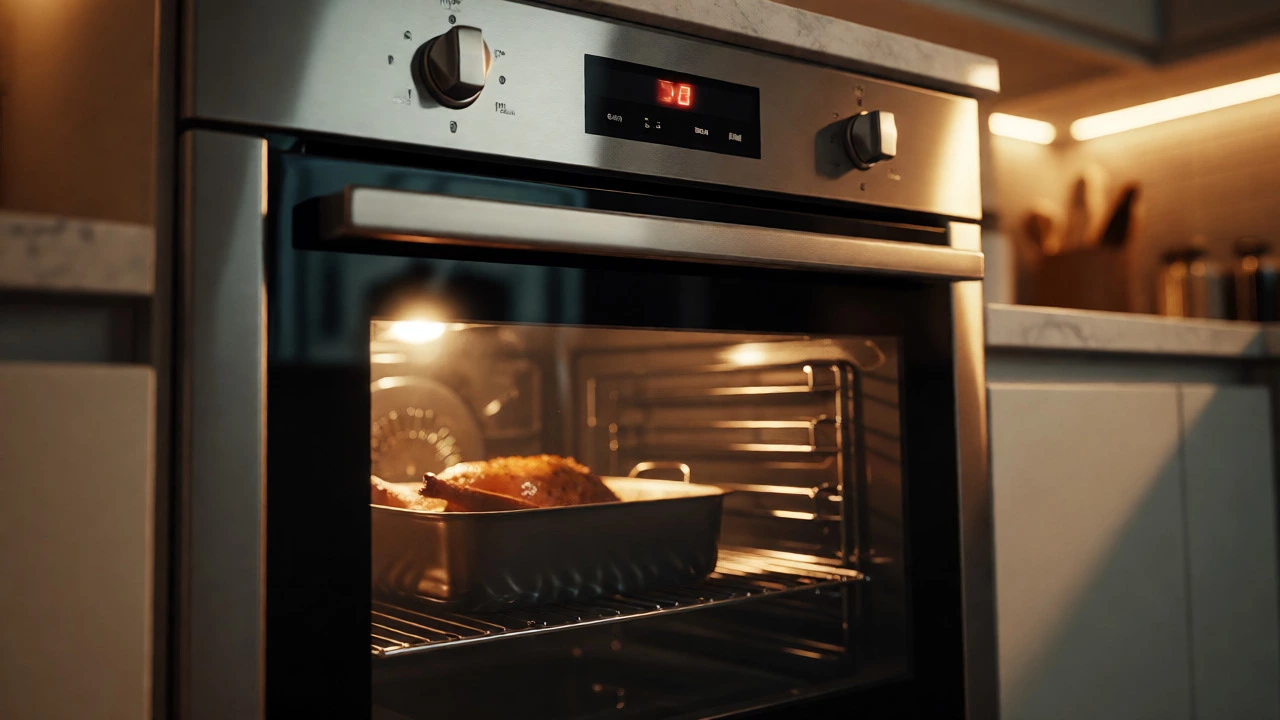
You’re mid-way through roasting a chicken, and suddenly the heat dies. Or maybe your oven just won’t switch on at all. It’s frustrating, but before you call a technician, you can often pinpoint the issue yourself. Most electric oven problems fall into a few predictable categories: power supply issues, faulty components like elements or thermostats, or door seal failures. Knowing which part is acting up saves you time and money.
The Oven Won’t Turn On
If your oven is completely dead-no lights, no timer, no fan-the problem is usually electrical rather than mechanical. Before blaming the oven itself, check the obvious culprits. Is the plug firmly in the socket? Have you checked your home’s circuit breaker or fuse box? A tripped breaker is a common, easy fix that many people overlook.
If the power supply seems fine, look at the thermal cut-out. This safety device shuts off power if the oven overheats. If it trips, it needs resetting or replacing. Another frequent offender is the door interlock switch. If the oven thinks the door is open, it cuts power to the heating elements for safety. Test this by pressing the switch manually (with the oven unplugged!) to see if it clicks or feels loose.
Heating Elements Are Failing
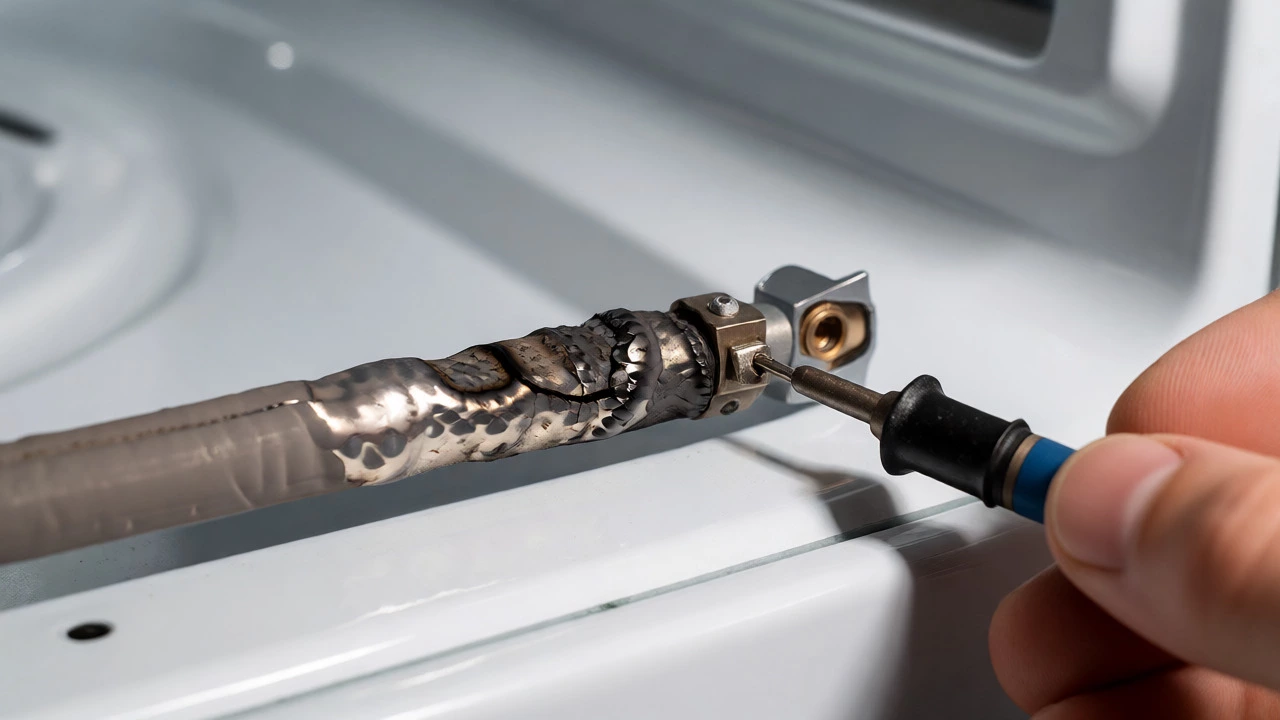
When an oven heats unevenly or not at all, the heating elements are usually to blame. There are typically two main elements: one at the top (for grilling/broiling) and one at the bottom (for baking). Visual inspection is your best friend here. Look for blistering, cracks, or dark spots on the metal sheath of the element. If it looks burnt or broken, it’s likely failed.
Fan-assisted ovens have an additional component: the fan motor and its surrounding circular element. If the fan doesn’t spin, the oven will overheat locally while remaining cold elsewhere. Listen closely when you turn it on. If you hear a humming sound but no rotation, the fan motor might be seized. If there’s no sound at all, check the wiring connections first.
Temperature Inconsistencies
Does your cake burn on the outside but stay raw inside? Or does the oven take forever to reach the set temperature? These symptoms point to a faulty thermostat. The thermostat regulates the flow of electricity to the heating elements based on the internal temperature. Over time, these sensors drift out of calibration.
You can test this with a simple oven thermometer. Set your dial to 180°C and place the thermometer in the center. After preheating, check the actual temperature. If it’s off by more than 10-15 degrees, the thermostat needs adjustment or replacement. Some modern ovens allow you to calibrate the offset via the control panel; older models require a technician to swap the part.
Door Seal Problems
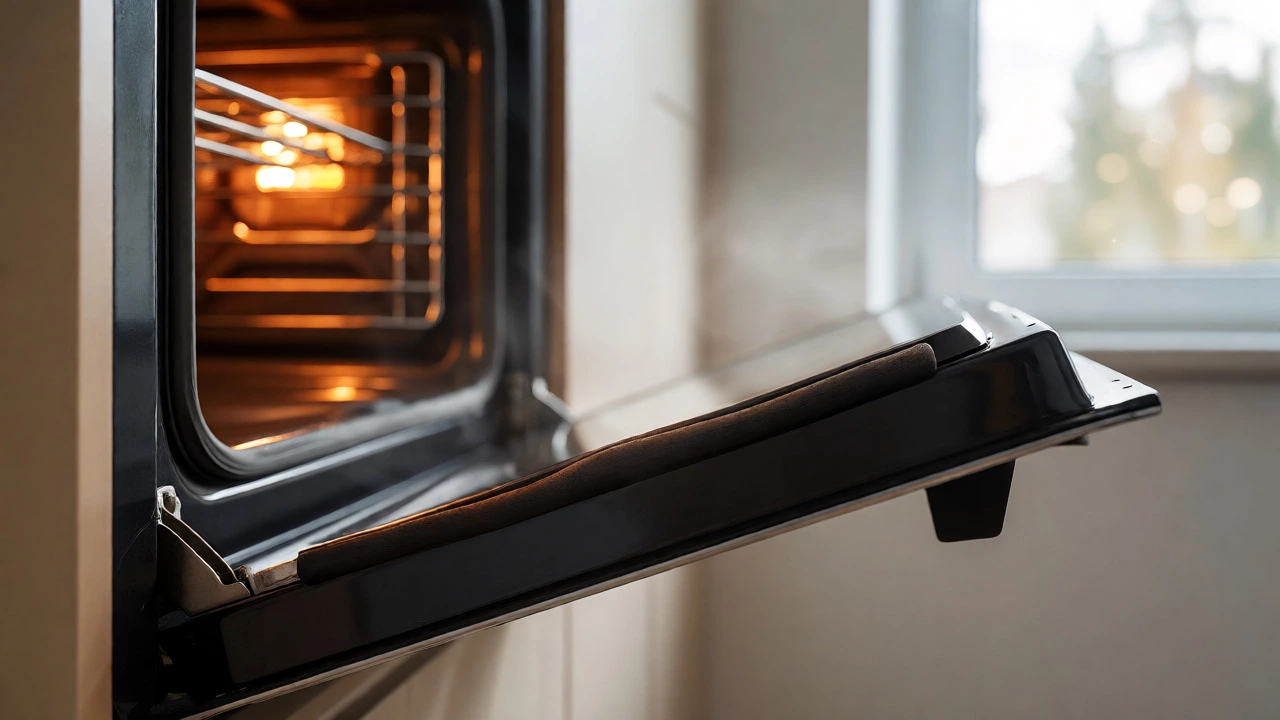
A worn or damaged door gasket lets hot air escape, forcing the oven to work harder to maintain temperature. This leads to longer cooking times and higher energy bills. Inspect the rubber seal around the door edge. If it’s cracked, flattened, or detached, replace it immediately. They’re inexpensive parts and usually snap right into place without tools.
Check the hinges too. If the door sags or doesn’t close tightly, even a new seal won’t help. Loose screws or bent hinges prevent proper sealing. Tighten them gently-over-tightening can strip the threads in the enamel casing.
| Symptom | Likely Cause | DIY Fix? |
|---|---|---|
| No power at all | Tripped breaker, blown fuse, faulty cord | Yes |
| Light works, no heat | Faulty heating element, thermal cut-out | Maybe (element) |
| Uneven heating | Failed fan motor, dirty fan blade | Maybe (fan) |
| Overheating/Underheating | Bad thermostat, sensor error | No (usually) |
| Poor heat retention | Damaged door seal, misaligned door | Yes |
Control Panel Glitches
In digital ovens, the electronic control board manages everything from timers to temperature settings. If buttons don’t respond, displays flicker, or cycles start randomly, the control board might be failing. Moisture ingress is a common cause-steam getting behind the panel during cleaning can corrode contacts.
Try a hard reset: unplug the oven or flip the breaker for 30 seconds, then restore power. This clears temporary software glitches. If the problem persists, the board may need professional diagnosis. Replacing a control board is complex and expensive, so weigh the cost against buying a new oven.
When to Call a Pro
While many fixes are DIY-friendly, some jobs require a qualified electrician or appliance technician. Never attempt to repair internal wiring or gas lines (if it’s a dual-fuel unit) unless you’re trained. High-voltage capacitors in some models can hold a charge even when unplugged, posing a shock risk.
If your oven is under warranty, contact the manufacturer before opening it up. Self-repair often voids coverage. Also, consider the age of the appliance. If repairs exceed 50% of the cost of a new model, upgrading is often smarter long-term.
Maintenance Tips to Prevent Future Faults
Regular care extends the life of your oven significantly. Clean spills promptly to avoid corrosive buildup on elements. Avoid using harsh abrasive cleaners on glass doors, as they can scratch surfaces and weaken seals. Run the self-clean cycle sparingly-it generates extreme heat that stresses components.
Check ventilation vents regularly. Blocked airflow causes overheating, triggering the thermal cut-out repeatedly. Keep the area around the oven clear of flammable materials and ensure the unit has adequate clearance from walls for heat dissipation.
How do I know if my oven heating element is broken?
Visually inspect the element for blisters, cracks, or dark spots. If it glows orange but the oven stays cold, the element might be partially working but inefficient. For a definitive test, use a multimeter to check for continuity; a break in the circuit means the element is dead.
Why is my electric oven not heating up?
Common reasons include a blown heating element, a faulty thermostat, or a tripped thermal cut-out. Check the power supply first, then inspect the elements visually. If those look fine, the issue is likely the thermostat or control board.
Can I replace an oven heating element myself?
Yes, for most models. Unplug the oven, remove the back panel or unscrew the element from the wall, disconnect the wires, and install the new part. Always match the wattage and voltage specifications of the old element exactly.
How much does it cost to fix an electric oven?
Costs vary by region and fault. Simple fixes like door seals or elements range from $50 to $150. Thermostat replacements might cost $100 to $250 including labor. Control board repairs can exceed $300. Compare this to the price of a new oven before deciding.
Why does my oven smell like burning plastic?
This often indicates food debris or packaging material stuck to the heating element. Turn off the oven, let it cool, and clean the element carefully. If the smell persists after cleaning, it could be melting insulation on internal wiring, which requires professional attention.