
Appliance Maintenance Planner & Cost Estimator
| Appliance | Task | Frequency | Type |
|---|
Based on average New Zealand market rates for professional services and DIY material costs.
Your refrigerator hums along quietly. The washing machine spins without complaint. You probably haven't thought about these machines since you plugged them in years ago. But do they actually need professional attention, or is that just a sales pitch from the last technician who visited?
The short answer is yes, but not all of them require the same level of care. Some appliances are designed to run for decades with minimal intervention, while others have moving parts that wear out predictably. Understanding which falls into which category saves you money and prevents those 3 a.m. breakdowns when you least expect them.
Why Preventive Maintenance Matters More Than You Think
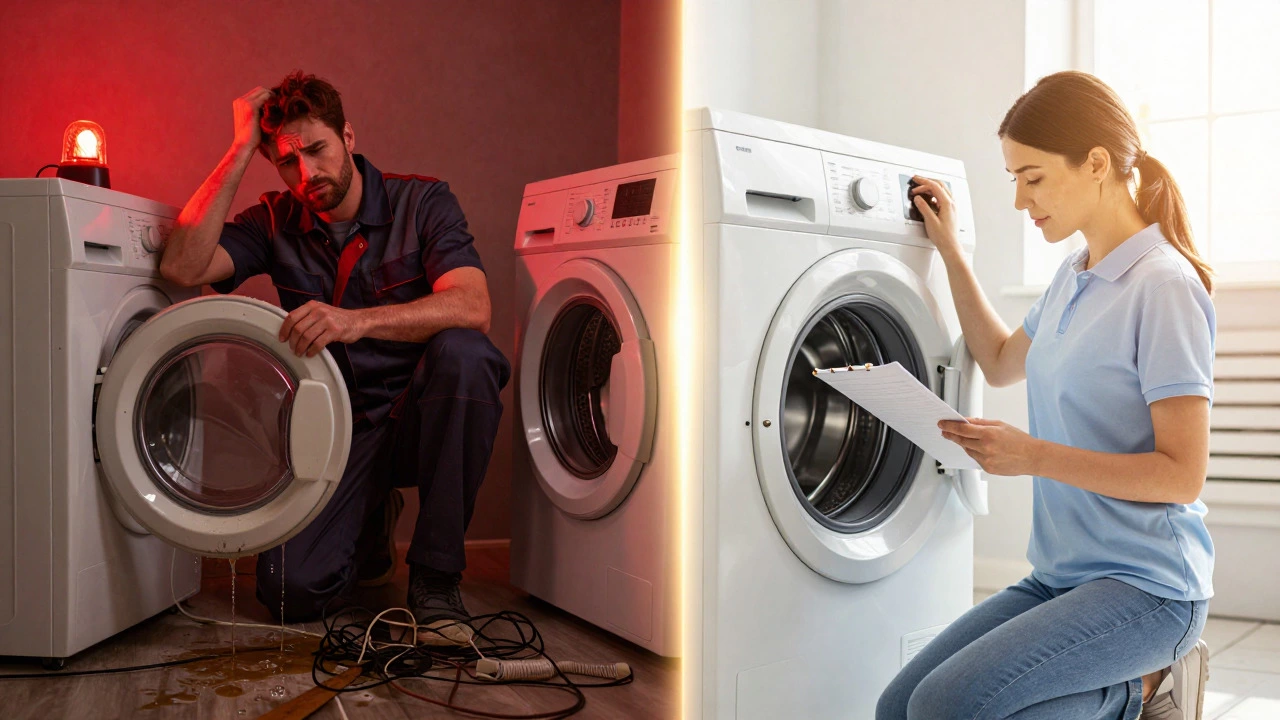
Most people wait until something breaks to call a repairer. This reactive approach often costs more because small issues turn into big failures. For example, a clogged drain pump filter in a washing machine is a five-minute fix. Ignore it for six months, and the water backs up, corrodes the motor connections, and now you're looking at a $400 part replacement instead of a $50 service call.
Preventive servicing extends the lifespan of your equipment by keeping components clean and lubricated. It also maintains energy efficiency. A dirty condenser coil on an air conditioner forces the compressor to work harder, increasing your electricity bill by up to 15%. Regular cleaning reverses this trend immediately.
Which Appliances Actually Need Professional Service?
Not every device in your home requires a paid technician. Some tasks are DIY-friendly, while others involve high voltage, gas lines, or complex mechanics that warrant expert hands. Here’s how to categorize them:
- High-Complexity (Professional Only): Gas ovens, central heating boilers, built-in dishwashers with complex plumbing, and large commercial-grade refrigeration units. These involve safety risks like gas leaks or high-voltage shocks.
- Medium-Complexity (DIY or Pro): Washing machines, dryers, standard refrigerators, and range hoods. You can clean filters and check belts yourself, but internal motor issues or thermostat replacements are best left to pros.
- Low-Complexity (DIY Only): Coffee makers, microwaves, toaster ovens, and small portable fans. These rarely need external servicing beyond basic cleaning.
A Realistic Maintenance Schedule for Common Home Appliances
You don’t need a calendar full of appointments. Most homeowners only need to focus on three key areas: airflow, drainage, and mechanical wear. Here is a practical timeline based on typical usage patterns in New Zealand homes.
| Appliance Type | Task | Frequency | Who Should Do It |
|---|---|---|---|
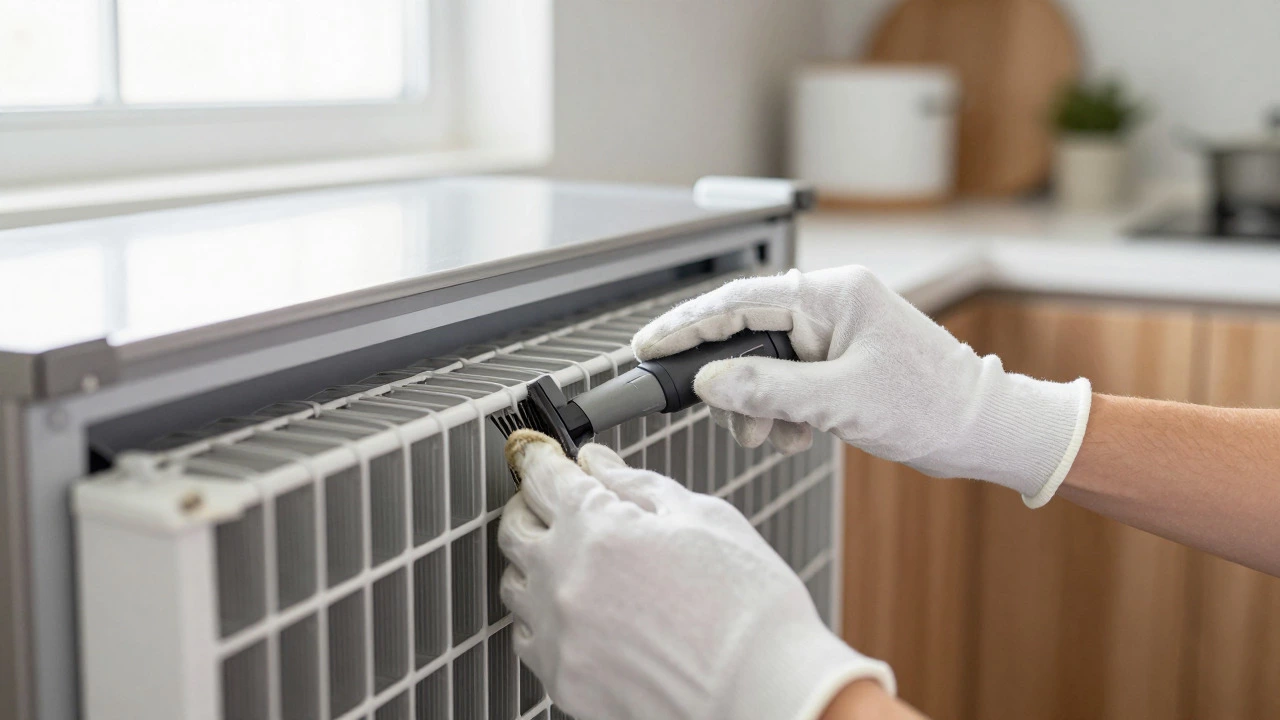
| Refrigerator | Clean condenser coils; check door seals | Every 6-12 months | DIY |
| Washing Machine | Clean drain pump filter; descale drum | Every 3-6 months | DIY |
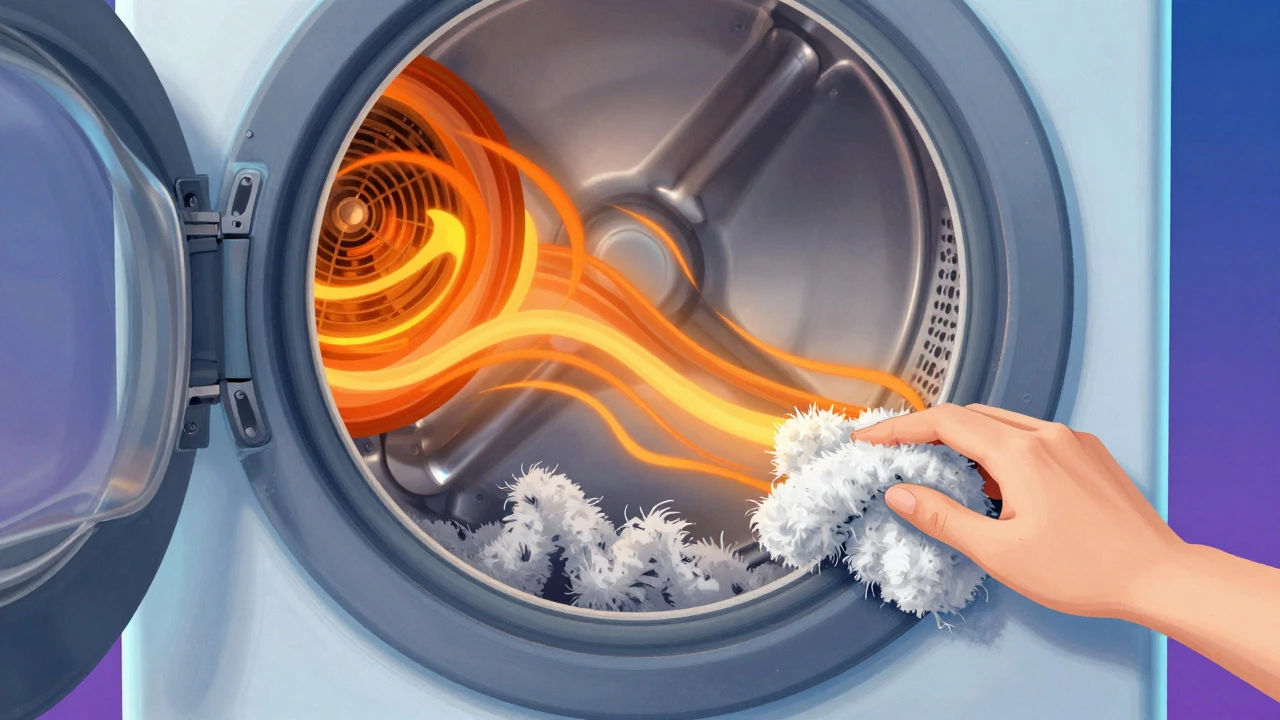
| Clothes Dryer | Clean lint trap after each load; clear exhaust vent | Lint: Daily; Vent: Yearly | DIY / Pro for vents |
| Dishwasher | Clean spray arms; check filter basket | Every 3 months | DIY |
| Gas Oven/Hob | Safety check for gas leaks; burner calibration | Every 2-3 years | Professional |
| Air Conditioner | Replace/clean filters; inspect refrigerant levels | Filters: Monthly; System: Yearly | DIY / Pro |
The Cost-Benefit Analysis: Is It Worth Paying for Service?
Let’s look at the numbers. In Wellington, a standard annual service for a gas boiler might cost between $150 and $250. If that service catches a failing heat exchanger early, you save thousands in replacement costs and potential carbon monoxide risks. The return on investment is clear here.
However, for a standard top-load washing machine, paying $100 for a "full tune-up" every year might be overkill if you’re already cleaning the filter monthly. The sweet spot is usually hybrid: handle the easy cleaning tasks yourself, and book a professional once every two to three years for a deep inspection of motors, bearings, and electrical connections.
Consider the age of the appliance too. If your oven is 15 years old and has never been serviced, skipping a pre-purchase inspection before buying a used one could lead to expensive surprises. Conversely, if your fridge is only three years old and running cool, a professional service isn’t necessary unless performance drops.
Signs Your Appliance Needs Attention Before It Breaks
Your appliances communicate their needs through subtle changes. Learning to read these signs can save you from emergency repair fees. Watch out for these common indicators:
- Noise Changes: A humming sound that becomes a grinding noise in a blender or dryer indicates bearing wear. A rattling fridge compressor suggests loose mounting brackets or a failing fan.
- Temperature Fluctuations: If your fridge food spoils faster or your freezer develops ice buildup unevenly, the cooling system is struggling. This often points to a dirty condenser coil or a leaking refrigerant seal.
- Water Stains or Drips: Puddles under a dishwasher or washing machine aren’t normal. They indicate hose fatigue or a cracked tub, which can cause significant water damage to your subfloor if ignored.
- Increased Energy Bills: If your electricity bill spikes without increased usage, check your older appliances first. Inefficient motors and poor insulation consume more power than new models.
- Unusual Smells: A burning smell from a microwave or toaster signals overheating elements. A musty odor from a dryer means the lint trap is clogged or the vent is blocked, creating a fire hazard.
DIY vs. Professional: Where to Draw the Line
You don’t need a degree in engineering to maintain most home appliances, but you do need to know your limits. Safety should always be the deciding factor.
If the task involves opening a sealed component containing refrigerant, working near high-voltage capacitors, or adjusting gas pressure, call a pro. These systems require specific tools and certification to ensure compliance with local building codes. For instance, handling R-410A refrigerant in an air conditioner requires EPA certification in many regions, including strict standards in New Zealand.
On the other hand, replacing a door gasket, cleaning a filter, or swapping a worn belt on a clothes dryer are straightforward jobs. YouTube tutorials and manufacturer manuals provide step-by-step guidance for these tasks. Just remember to unplug the appliance before starting any work. Electricity is unforgiving, even in low-power devices.
Common Myths About Appliance Servicing
There’s a lot of misinformation floating around online. Let’s clear up a few persistent myths that might be holding you back from proper maintenance.
Myth 1: Newer appliances never break. While modern electronics are more reliable, they are also more complex. A smart fridge with a touchscreen interface has more points of failure than a simple 1980s model. Software glitches and sensor errors are common issues that don’t happen to older mechanical units.
Myth 2: Cleaning the outside is enough. Dust doesn’t just settle on surfaces; it accumulates inside ventilation grilles and behind panels. That dust acts as insulation, trapping heat and forcing motors to overwork. Interior cleaning is just as important as exterior wiping.
Myth 3: If it works, don’t touch it. This is true for minor adjustments, but false for preventive care. A small leak in a water heater tank might not affect today’s hot water supply, but it will eat away at the metal until the tank bursts. Early detection prevents catastrophic failure.
How Climate Affects Your Appliance Care Routine
Living in New Zealand, we experience distinct seasonal changes that impact our equipment. In summer, air conditioners and dehumidifiers work overtime. This increased duty cycle accelerates wear on compressors and fans. A yearly service before the peak summer season ensures these units are ready for the heat.
In winter, gas heaters and boilers take the strain. Humidity levels drop, which can dry out rubber seals in ovens and refrigerators, leading to cracks. Adding a humidifier to your home environment can help preserve these components. Additionally, cold mornings can cause condensation inside electronic controls, so ensuring good ventilation around your appliances helps prevent moisture-related corrosion.
Frequently Asked Questions
How often should I service my refrigerator?
You should clean the condenser coils every six to twelve months. Check the door seals quarterly to ensure they are tight. If you notice ice buildup or temperature fluctuations, have a professional inspect the compressor and refrigerant levels immediately.
Is it worth servicing an old washing machine?
If the machine is less than ten years old and the repair cost is under 50% of the price of a new unit, servicing is usually worthwhile. Focus on cleaning the drum, checking hoses, and inspecting the drive belt. If major components like the motor or control board fail, replacement is often more economical.
What happens if I ignore dryer vent cleaning?
Lint buildup reduces airflow, causing the dryer to take longer to dry clothes and use more energy. Worse, trapped heat creates a significant fire risk. Clean the lint filter after every load and have the entire exhaust duct inspected professionally once a year.
Do dishwashers need professional servicing?
Most dishwasher issues are solved by cleaning the filter and spray arms yourself. However, if water isn’t draining properly or the pump makes unusual noises, a professional may need to replace the circulation pump or check the float switch. Annual professional checks are recommended for built-in models to prevent hidden leaks.
How can I tell if my air conditioner needs a refill?
Signs include weak airflow, ice forming on the outdoor unit, or the indoor unit blowing warm air. You can’t easily check refrigerant levels yourself, so book a professional inspection. Low refrigerant often indicates a leak that needs fixing before refilling to avoid wasting gas.