
Extractor Fan Maintenance & Risk Calculator
Fan Configuration
Analysis Results
Risk Assessment
Immediate Action Plan:
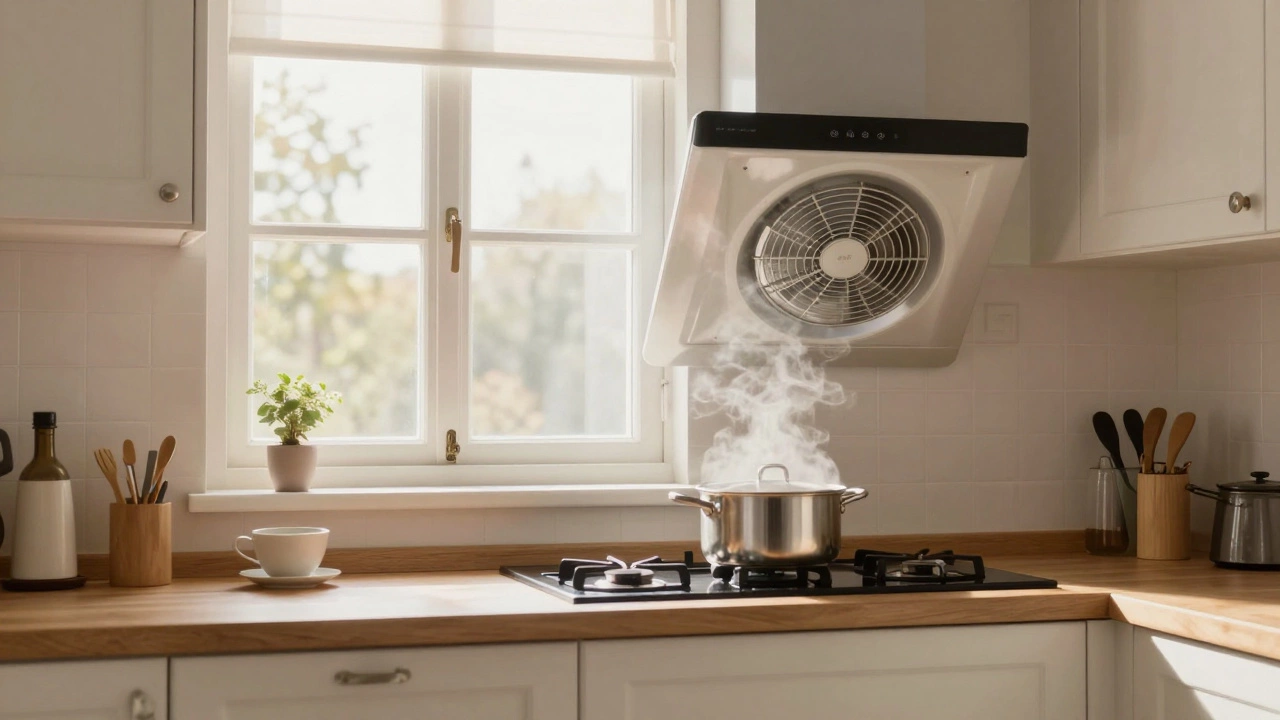
You stand in your kitchen, cooking a meal that smells amazing. Then, you notice the air feels heavy. The grease on your cabinets seems thicker than usual. You glance at the extractor fan above your stove. It’s humming, but is it actually pulling the smoke away? This is the moment many homeowners realize they haven’t thought about their ventilation system in years. The question isn’t just whether these devices work; it’s whether they need professional attention to keep working.
The short answer is yes. Extractor fans require regular servicing to maintain efficiency, prevent fire hazards, and extend their operational life. Unlike a lightbulb that either works or doesn’t, an extractor fan degrades slowly. Grease builds up, bearings wear out, and motors lose torque. Ignoring this maintenance leads to higher energy bills, poor indoor air quality, and potentially dangerous situations. In this guide, we will break down exactly what servicing involves, how often you should do it, and when it’s time to call a professional.
Why Your Extractor Fan Needs Attention
An extractor fan is not just a noise-maker; it is a critical component of your home’s health and safety infrastructure. Its primary job is to remove airborne contaminants-grease, steam, odors, and combustion byproducts-from your living space. When this process fails, the consequences are immediate and tangible.
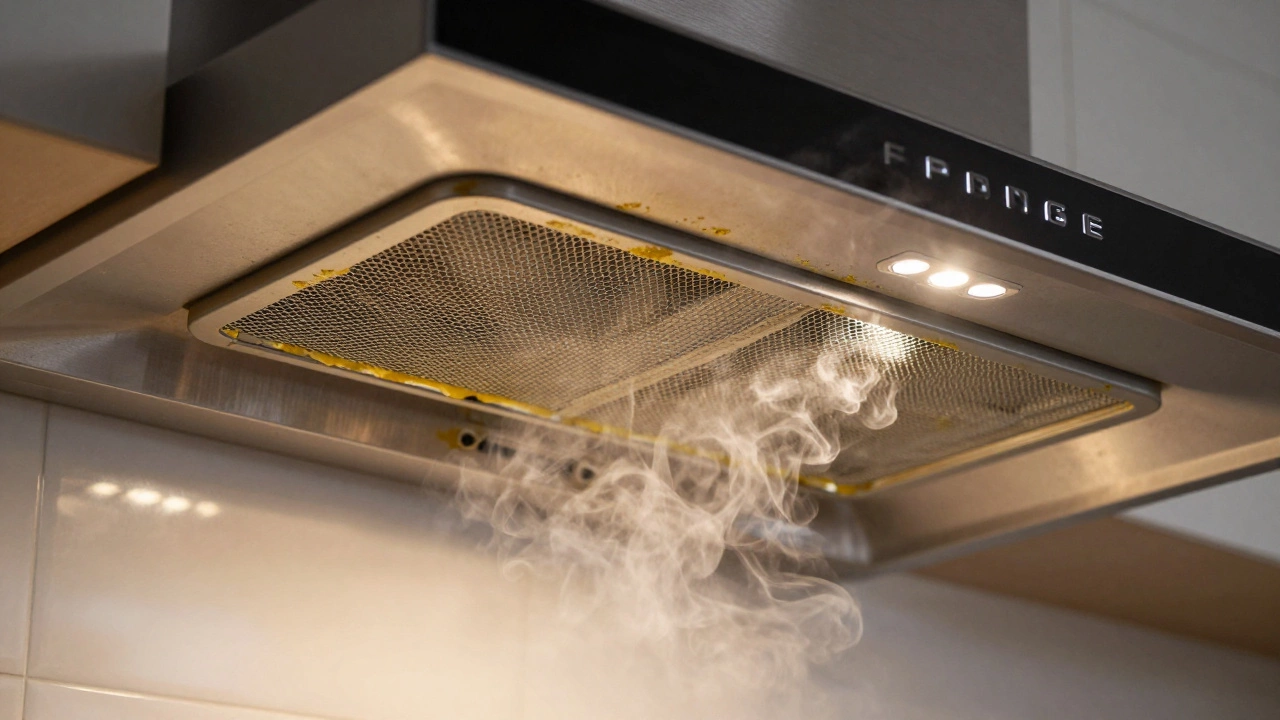
Grease accumulation is the biggest enemy. In a kitchen environment, tiny particles of oil and fat become airborne during cooking. These particles stick to every surface, including the internal components of your fan. Over time, this layer of grease acts as an insulator for the motor, causing it to overheat. More dangerously, grease is highly flammable. A buildup of thick grease inside the ductwork or fan housing creates a significant fire risk. According to fire safety data, cooking-related fires are a leading cause of residential fires, and blocked ventilation paths often exacerbate the spread.
Beyond safety, there is the issue of efficiency. A clogged filter or a greased-up impeller blade cannot move air effectively. You might be running your fan at maximum speed, yet it struggles to clear steam from the bathroom or smoke from the stove. This inefficiency translates directly into wasted electricity. Your motor works harder to push air through restricted pathways, drawing more power while delivering less performance. Regular servicing restores this balance, ensuring the unit operates at its designed capacity.
Indoor air quality is another critical factor. Modern homes are built to be energy-efficient, which means they are also tightly sealed. Without proper ventilation, moisture and pollutants have nowhere to go. This leads to condensation on windows, mold growth in hidden corners, and musty odors. A well-serviced extractor fan ensures that fresh air circulates, protecting your family’s respiratory health and preserving the structural integrity of your home.
What Does Servicing Actually Involve?
When people hear "servicing," they often imagine a complex mechanical overhaul. For most residential extractor fans, however, the process is straightforward and focuses on cleaning and inspection. Understanding what goes into a service visit helps you decide if you can handle it yourself or if you need a technician.
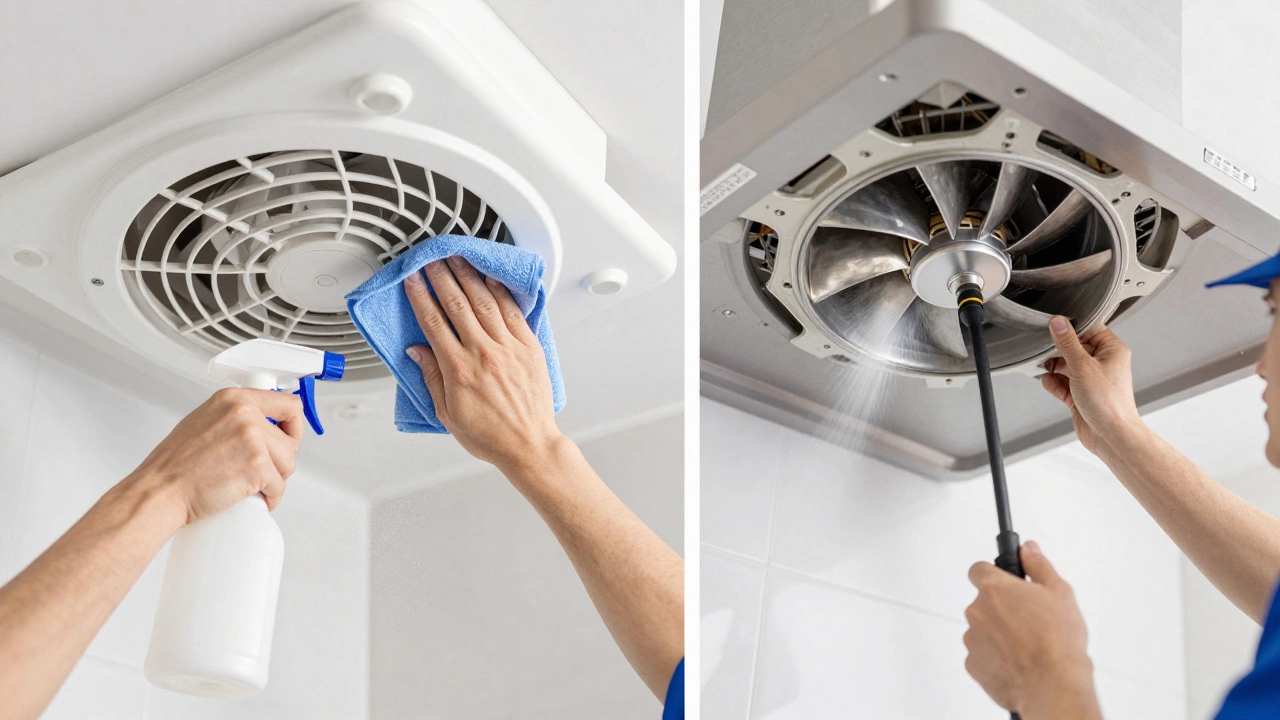
The first step is always the removal and cleaning of filters. Most modern units use metal mesh filters or charcoal filters. Metal filters can be washed with warm soapy water or placed in the dishwasher. Charcoal filters, on the other hand, cannot be cleaned; they trap odors physically and chemically, so they must be replaced entirely. During a professional service, the technician will inspect these filters for damage or excessive wear.
Next comes the deep clean of the fan housing and impeller blades. This is where DIY efforts often fall short. The impeller is the spinning part that moves the air. If it is coated in grease, it becomes unbalanced. An unbalanced impeller causes vibration, noise, and premature bearing failure. Professional cleaners use specialized degreasers and tools to reach these internal components without damaging the delicate wiring or motor assembly. They ensure that every blade is free of residue, restoring smooth airflow.
Electrical connections and motor bearings are also inspected. Technicians check for loose wires, signs of arcing, or corrosion. They listen to the motor for unusual grinding or whining noises that indicate bearing wear. If the bearings are dry, they may be lubricated with high-temperature grease. If the motor itself is failing, the technician will advise on repair versus replacement. This diagnostic step is crucial because it catches small issues before they become expensive breakdowns.
Finally, the ductwork is checked for blockages. Even if the fan itself is clean, a bird’s nest, debris, or collapsed ducting can render the system useless. Professionals use cameras or manual inspection tools to ensure the entire path from the fan to the outside wall is clear. This comprehensive approach guarantees that the system functions as a complete unit, not just isolated parts.
How Often Should You Service Your Fan?
There is no one-size-fits-all schedule for extractor fan maintenance. The frequency depends heavily on usage patterns, the type of cooking you do, and the environment where the fan is installed. However, general guidelines can help you establish a routine that keeps your system running smoothly.
Kitchen Range Hoods: If you cook daily, especially frying or grilling, you should clean the filters monthly. A full professional service is recommended every six to twelve months. Heavy users who host large dinners or cook with lots of oils may need servicing every three to four months. The visible grease on the underside of the hood is a good indicator: if you can see a film, the inside is likely worse.
Bathroom Exhaust Fans: These fans deal primarily with moisture rather than grease. Cleaning the grille and checking for mold or dust buildup every three to six months is sufficient. A professional inspection once a year ensures the motor is still functioning correctly and that no condensation has damaged the electrical components. In humid climates or larger bathrooms, more frequent checks may be necessary.
Commercial Kitchens: Restaurants and commercial kitchens face strict regulatory requirements. Fire codes often mandate quarterly or even monthly professional cleaning and certification. This is non-negotiable due to the high volume of cooking and the increased fire risk. Ignoring these schedules can lead to failed inspections, fines, or insurance voids.
To help you visualize these differences, here is a comparison table:
| Fan Type | Filter Cleaning | Professional Service | Key Risk |
|---|---|---|---|
| Kitchen Range Hood | Monthly | Every 6-12 Months | Fire Hazard (Grease) |
| Bathroom Exhaust Fan | Every 3-6 Months | Annually | Mold & Moisture Damage |
| Commercial Ventilation | Weekly/Monthly | Quarterly (Mandatory) | Regulatory Compliance & Fire |
Remember, these are minimums. If you live in a dusty area, have pets that shed heavily, or notice a drop in suction power, increase the frequency. Proactive maintenance is always cheaper than reactive repair.
DIY vs. Professional Servicing: What’s the Difference?
Many homeowners wonder if they can save money by doing the servicing themselves. For basic tasks like cleaning the exterior grille and washing removable metal filters, DIY is perfectly fine and encouraged. However, there are limits to what you can safely and effectively do on your own.
DIY cleaning often misses the internal components. You might wipe down the front, but the grease accumulating on the backside of the impeller blades remains untouched. This imbalance continues to cause wear. Furthermore, disassembling the fan housing without proper knowledge can void warranties or damage sensitive electrical parts. If you’re not comfortable working with live electricity or handling delicate mechanical parts, leave it to the pros.
Professional technicians bring expertise and equipment. They have access to industrial-strength degreasers that cut through hardened grease without damaging plastic or metal surfaces. They also have the tools to test motor amperage and voltage, diagnosing issues that aren’t visible to the naked eye. A professional service includes a liability check, ensuring that any electrical faults are identified and fixed safely.
Consider the cost-benefit analysis. A DIY kit might cost $50, but if you miss a critical issue, you could face a $500 motor replacement or worse, a house fire. Professional servicing typically costs between $150 and $300 depending on the complexity and location. This investment buys peace of mind, extended appliance life, and guaranteed safety compliance. For most households, the annual professional service is a worthwhile expense.
Signs Your Fan Needs Immediate Attention
Waiting for a scheduled service date is ideal, but sometimes your fan will tell you it needs help sooner. Pay attention to these warning signs. Ignoring them can lead to total system failure or hazardous conditions.
- Noise Changes: If your fan starts rattling, grinding, or squealing, something is wrong. This could be a loose blade, worn bearings, or debris hitting the impeller. Noise is often the first symptom of mechanical failure.
- Reduced Suction: If you’re cooking and the smell lingers, or if steam isn’t being pulled away quickly, your airflow is restricted. Check the filters first. If they’re clean, the issue might be internal blockage or a failing motor.
- Vibration: Excessive shaking indicates an unbalanced impeller or loose mounting. This stresses the motor and can cause the fan to detach from its housing over time.
- Burning Smell: A faint burning odor can be normal when you first turn on a very dirty fan, as old grease heats up. However, a strong, persistent burning smell suggests an overheating motor or electrical short. Turn off the fan immediately and call a professional.
- Visible Grease Drips: If you see grease dripping from the unit onto your stove or counters, the internal filters are saturated. This is a serious fire hazard and requires immediate cleaning.
If you experience any of these symptoms, do not wait. Addressing the issue promptly prevents minor problems from becoming major expenses.
Extending the Lifespan of Your Extractor Fan
Regular servicing is the key to longevity, but daily habits also play a role. How you use your fan affects how long it lasts. Simple changes in behavior can significantly reduce wear and tear.
Always run your fan for 10-15 minutes after cooking. This allows the fan to clear residual smoke and grease particles from the air before they settle on surfaces. Turning it off immediately leaves contaminants hanging in the room, where they eventually coat your fan and kitchen.
Avoid using the highest speed setting unless necessary. High speeds generate more heat and stress on the motor. Medium settings are usually sufficient for everyday cooking and are gentler on the machinery. Reserve the high blast for heavy frying or smoking.
Keep the area around the fan clean. Dust and dirt accumulate faster if the surrounding surfaces are grimy. Wiping down the exterior regularly prevents external grime from working its way into the vents.
Lastly, consider upgrading to a model with easier maintenance features. Some newer fans have self-cleaning mechanisms or washable filters that are more durable. Investing in a high-quality unit initially can save you money on repairs and replacements in the long run.
Can I clean my extractor fan myself?
Yes, you can clean the exterior grille and washable metal filters yourself. Use warm soapy water or a mild degreaser. However, avoid disassembling the motor housing or touching electrical components unless you are qualified. Internal cleaning and motor inspection should be left to professionals to ensure safety and effectiveness.
How much does professional extractor fan servicing cost?
Costs vary by location and complexity, but typically range from $150 to $300 for a standard residential kitchen hood. Commercial units may cost more due to size and regulatory requirements. Bathroom fans are generally cheaper to service. Always get a quote upfront to avoid surprises.
What happens if I never service my extractor fan?
Neglecting servicing leads to reduced efficiency, higher energy bills, and increased fire risk due to grease buildup. It can also cause permanent damage to the motor, requiring costly replacement. Poor ventilation contributes to mold growth and poor indoor air quality, affecting your health.
Should I replace or repair an old extractor fan?
If the fan is less than 10 years old and the issue is minor (like a worn belt or dirty filters), repair is usually cost-effective. If the motor is failing, the unit is noisy despite servicing, or it’s outdated and inefficient, replacement might be better. Newer models are quieter and more energy-efficient.
Do bathroom fans need the same servicing as kitchen fans?
No, bathroom fans deal with moisture and dust, not grease. They require less intensive cleaning but still need regular inspection to prevent mold and ensure the motor functions correctly. Clean the grille every few months and have a professional check annually.