
Boiler Professional Matcher & Risk Checker
Project Assessment
Answer the following questions to find out who you should hire and identify potential safety risks.
Recommended Professional:
Required Verifications:
- Plumbers can handle the water pipes, but only certified gas engineers can legally connect the gas line.
- In many regions, a "heating engineer" is the specific professional you need for a full swap.
- Hiring an uncertified person can lead to legal issues, insurance denials, and safety hazards.
- Always check for local certifications (like Gas Safe in the UK) before signing a contract.
The Plumber vs. Heating Engineer Divide
To understand this, we first need to define who we're talking about. A Plumber is a professional specializing in the installation and repair of pipes, fixtures, and water systems. They are the kings of water flow, drainage, and leak prevention. If your kitchen sink is overflowing, they are your best friend.
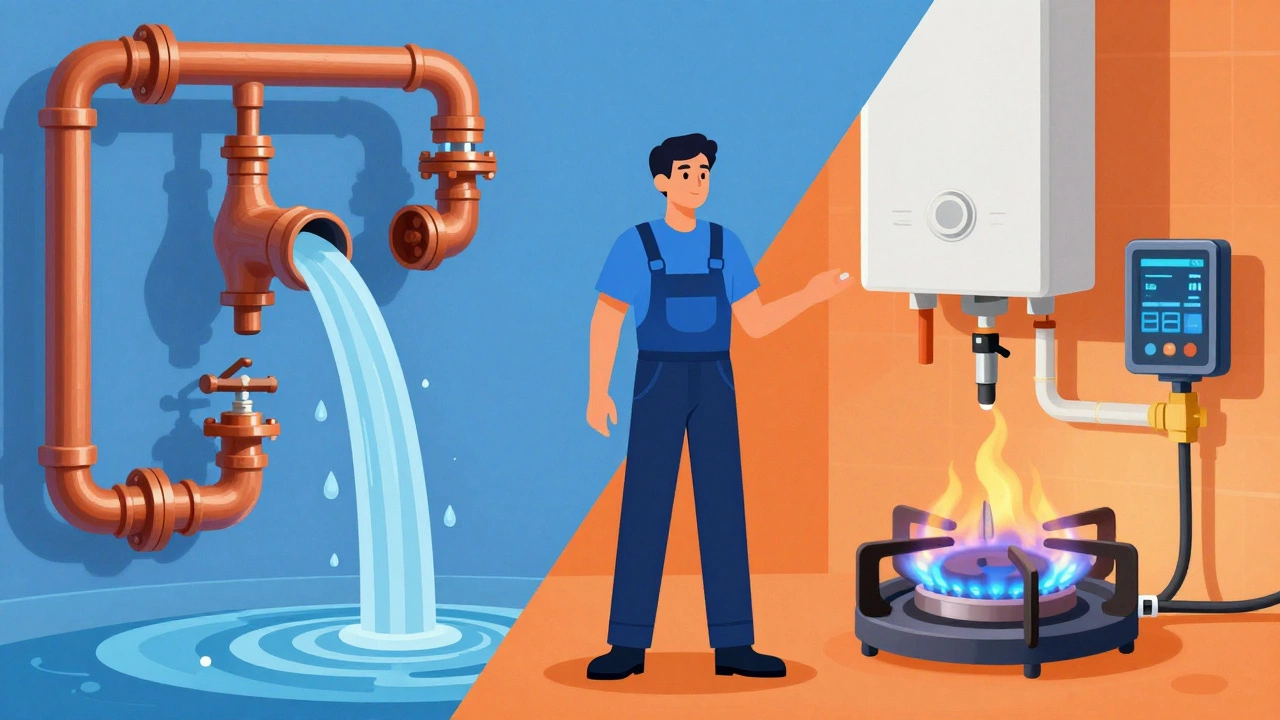
However, a boiler isn't just a water tank. It's a complex piece of machinery that burns fuel to create heat. This brings us to the Heating Engineer, who is a technician trained specifically in HVAC systems, central heating, and gas combustion. While many professionals hold both qualifications, not every plumber is a gas expert. If a plumber only has water certifications, they can physically move the boiler and connect the pipes, but they cannot legally or safely touch the gas valve.
Think of it like this: a mechanic can change your tires (the plumbing part), but you want a certified specialist to tune the engine's fuel injection system (the gas part). If you have a Combi Boiler-which combines a central heating boiler and a hot water heater into one unit-the complexity increases. These units require precise pressure settings and ventilation checks that go beyond standard pipe-fitting.
When a Plumber Is the Right Choice
There are definitely times when your go-to plumber is the perfect person for the job. If you're replacing an electric boiler or a simple water heater, a licensed plumber is usually all you need. Since there's no combustible gas involved, the primary concerns are electrical safety and water pressure.
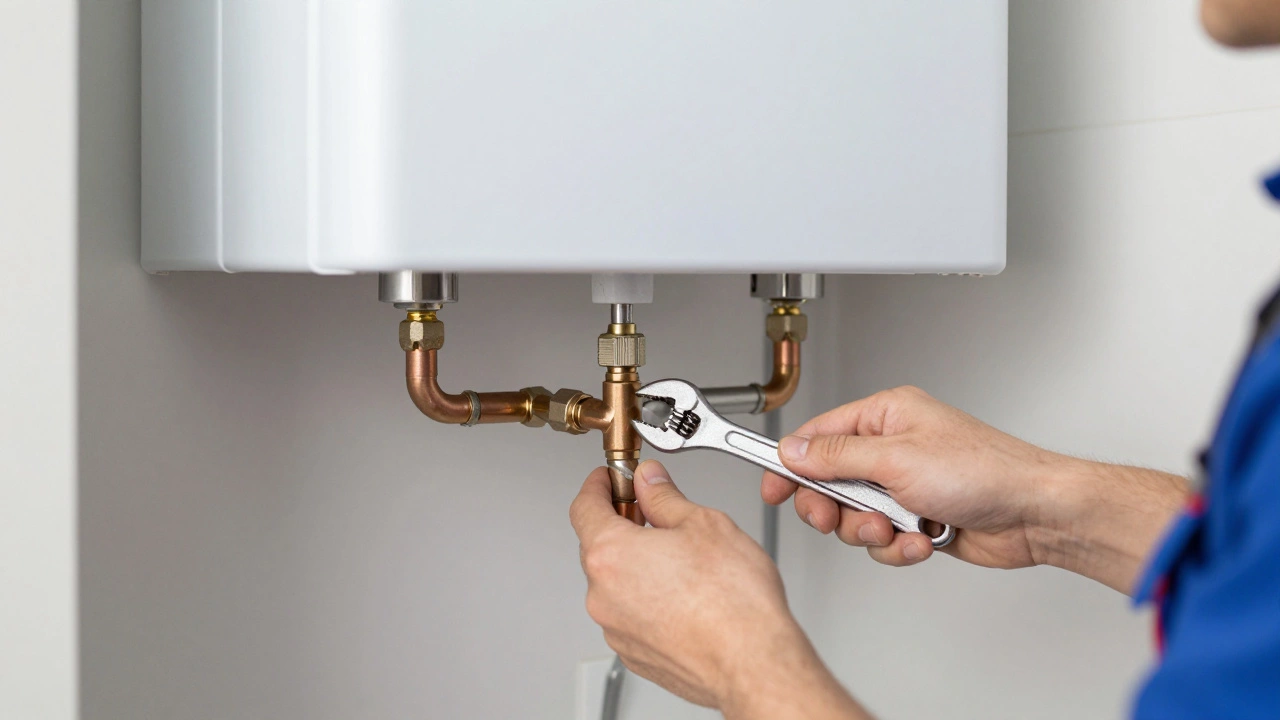
Plumbers are also essential during the "prep" phase of a boiler change. For example, if your new boiler is being moved to a different wall, you need someone to reroute the Pipework. This involves cutting into old copper pipes and soldering new joints. A plumber is the best person to ensure these connections are watertight and won't cause a flood in your hallway two weeks after the installation.
If you're just upgrading the radiators or installing a new Thermostatic Radiator Valve (TRV) to save on energy bills, a plumber can handle that without needing a gas certification. The rule of thumb is: if it only carries water, a plumber is your guy. If it burns fuel, you need a specialist.
The Danger of "Handyman" Installations
You'll always find someone who says they can "do it for half the price." This is where things get risky. A boiler installation involves a critical component called the Flue, which is the pipe that vents dangerous exhaust gases outside your home. If a flue is installed incorrectly, carbon monoxide can seep back into your living room.
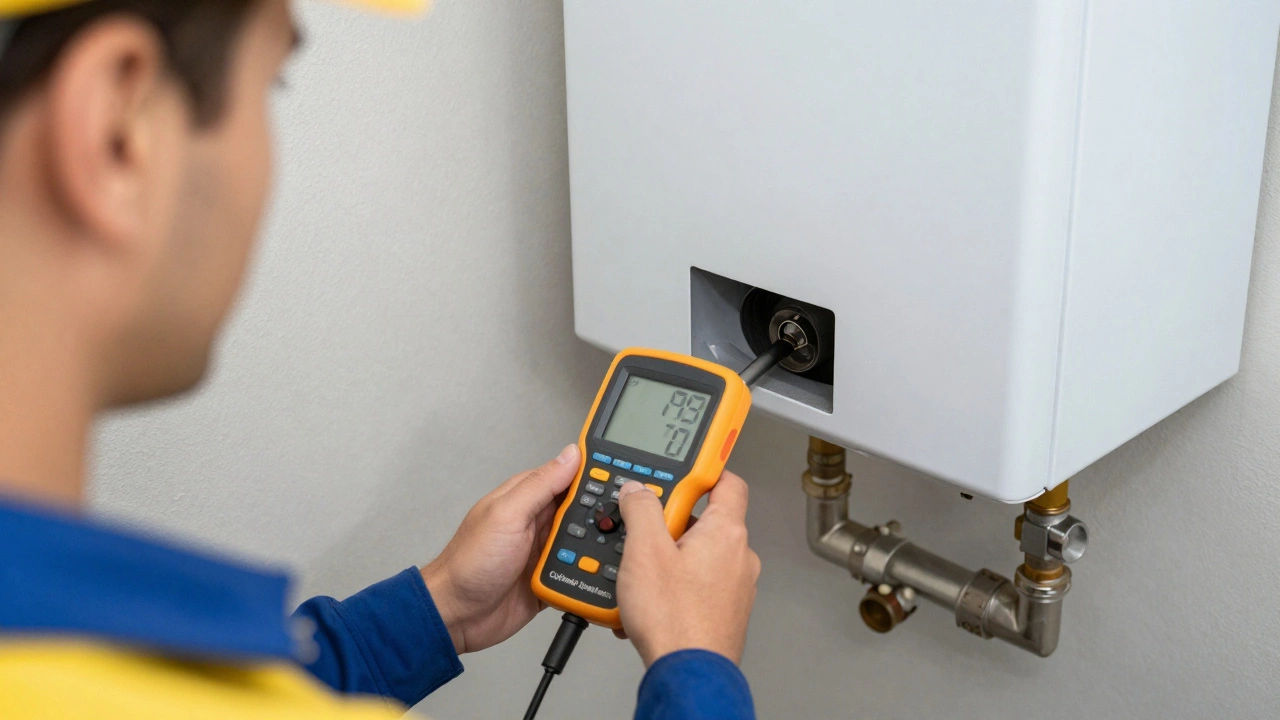
Carbon monoxide is odorless and colorless. Without a certified engineer to perform a combustion analysis using a calibrated flue gas analyzer, you have no way of knowing if the unit is venting safely. This isn't a "guess and check" job. Professional engineers follow strict building codes to ensure the gap between the boiler and the wall is correct and that the seal is airtight.
Beyond safety, there is the money issue. Most boiler manufacturers, such as Worcester Bosch or Vaillant, require the unit to be installed by a certified professional to activate the warranty. If an uncertified plumber installs your brand new 10-year warranty boiler and it breaks in year two, the manufacturer will see the lack of a certification sticker and deny your claim. You'll be paying for a luxury boiler but owning it with zero protection.
| Feature | Standard Plumber | Gas/Heating Engineer |
|---|---|---|
| Water Pipe Connection | Yes | Yes |
| Gas Line Connection | No (unless dual-certified) | Yes |
| Flue Installation & Testing | No | Yes |
| Warranty Validation | Partial/None | Full |
| System Flushing | Yes | Yes |
The Step-by-Step Process of a Proper Change
If you've decided to move forward with a boiler replacement, what should the process actually look like? A professional job isn't just "unplugging and plugging in." Here is the sequence of events you should expect from a qualified pro:
- System Assessment: The engineer checks your current gas supply and determines if the new boiler requires a larger pipe diameter to handle a higher BTU (British Thermal Unit) output.
- Draining and Removal: The old unit is drained and safely disconnected. This is where the plumbing skill is vital to avoid flooding the floor.
- Installation of the New Unit: The boiler is mounted. The engineer ensures it is level, as an uneven boiler can lead to air pockets in the system.
- Flushing the System: Before connecting the new boiler, the engineer should perform a Power Flush. This removes sludge and rust from your old radiators so they don't clog the brand new heat exchanger.
- Gas Connection and Purge: The gas line is connected, and the pipes are purged of air.
- Testing and Commissioning: The unit is fired up, the pressure is balanced, and the flue gases are tested.
- Certification: You receive a legal certificate proving the installation meets safety standards.
How to Verify Your Contractor
Don't take a contractor's word for it. In the UK, for example, you check the Gas Safe Register. This is the only way to know if someone is legally allowed to work on gas appliances. If they aren't on that list, they aren't a gas engineer, regardless of what their van says.
In other regions, look for licenses from bodies like the ACCA (Air Conditioning Contractors of America) or local municipal plumbing and mechanical licenses. Ask for their license number and a copy of their insurance. A real pro will be happy to provide this because it's a standard part of their business. If they hesitate or tell you "I've been doing this for 20 years, I don't need a piece of paper," that is your cue to find someone else.
Another pro tip: Ask about the "commissioning checklist." A qualified engineer will have a formal document they fill out during the first start-up. This includes the gas pressure, the flow rate, and the temperature differential. If they just turn it on and say "it's working," they've skipped the most important safety steps.
Dealing with Different Boiler Types
Not all boiler swaps are created equal. Depending on your system, the required skill set changes. If you are switching from a traditional Regular Boiler (which requires a separate hot water cylinder) to a Combi, you are fundamentally changing the plumbing of your house. You'll be removing a large tank and potentially changing where your hot water pipes run.
This is a hybrid job. You need the plumbing expertise to remove the old tank and cap off the lines, and the engineering expertise to set up the new high-pressure Combi system. If you hire a plumber who doesn't understand the pressure requirements of a Combi, you might find your pipes hammering or leaking because the system is over-pressurized.
For those with Heat Pumps, the shift is even more dramatic. Moving from a gas boiler to an air-source heat pump is less about "changing a boiler" and more about redesigning your entire heating system. This requires a specialist in renewable energy, as heat pumps operate at lower temperatures and usually require larger radiators to be effective.
Can a plumber install a boiler if they aren't gas certified?
They can install the physical unit and connect the water pipes, but they cannot legally connect the gas line or commission the boiler. Doing so is illegal in most jurisdictions and extremely dangerous due to the risk of gas leaks and carbon monoxide poisoning. You must have a certified gas engineer perform the final connections and safety checks.
Will my boiler warranty be void if a general plumber installs it?
Yes, in the vast majority of cases. Manufacturers require a valid certification number from a recognized professional body to activate the warranty. If the installation isn't signed off by a licensed heating engineer, the manufacturer will likely refuse any future warranty claims.
What is the difference between a plumber and a heating engineer?
A plumber focuses on water and waste systems (pipes, sinks, toilets). A heating engineer is trained in the combustion and thermodynamics of heating systems, including gas, oil, and electric boilers. Many professionals are both, but not all plumbers are qualified to work with gas.
How do I know if my boiler needs to be replaced or just repaired?
Look for the "Rule of Three": if the unit is over 12-15 years old, has required three or more major repairs in the last two years, and is costing more than 50% of a new unit to fix, it's time to replace it. Constant pressure drops or a cracked heat exchanger are usually signs that replacement is the only viable option.
Do I need a new flue every time I change my boiler?
Almost always. Even if the new boiler is the same brand, the flue specifications and seal requirements often change. Using an old flue with a new boiler is a major safety violation and can lead to the dangerous buildup of exhaust gases inside the home.
Next Steps: How to Hire the Right Person
If you're ready to get a quote, don't just ask "how much to change a boiler?" Instead, ask these three specific questions to weed out the amateurs:
- "Are you registered with the [Local Gas Authority/Gas Safe Register]?" If they can't give you a registration number immediately, stop the conversation.
- "Does your quote include a full system flush and a commissioning certificate?" This ensures they aren't cutting corners by just swapping the box without cleaning the pipes.
- "Can you provide a guarantee that the installation will be accepted by the manufacturer for warranty purposes?" This puts the responsibility on them to do the job correctly.
For those in older homes, consider asking about a "system upgrade" rather than just a replacement. This might include adding a magnetic filter to the pipework, which catches metal shavings and sludge before they hit your new boiler, potentially doubling the lifespan of your investment. It's a small cost upfront that saves you thousands in the long run.