
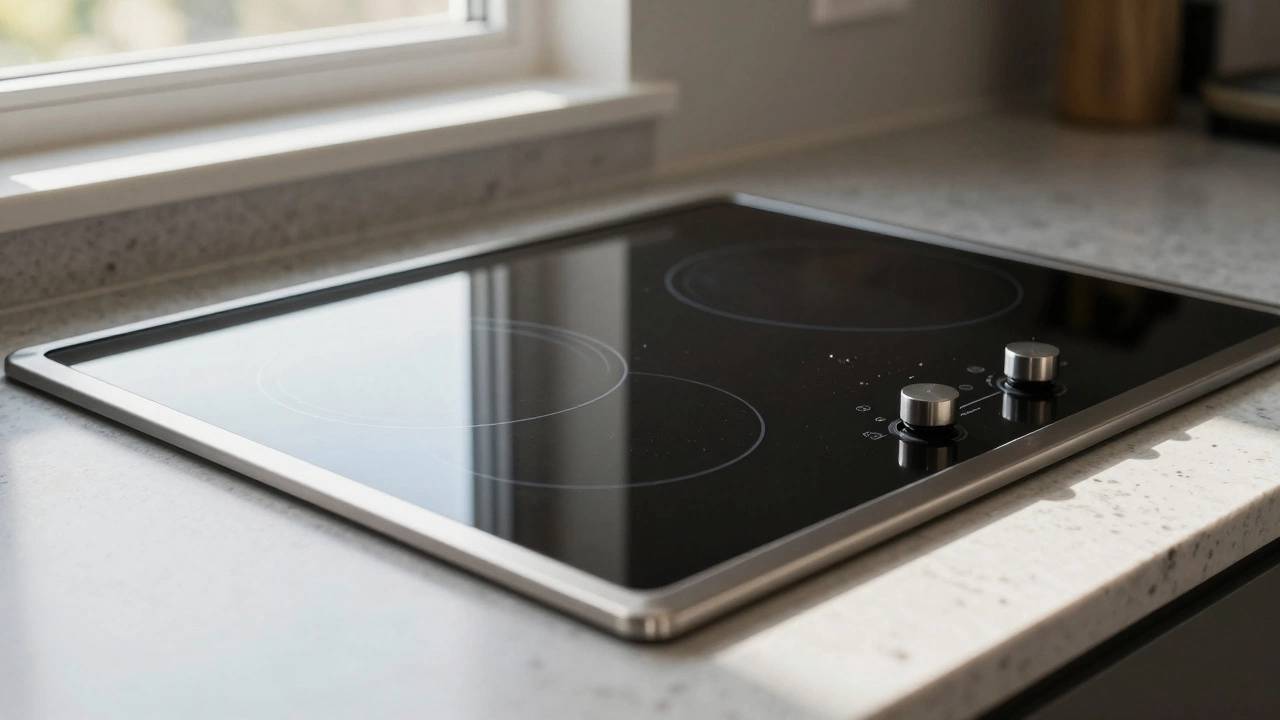
Electric Hob Installation Decision Tool
Let's figure out what you need.
Question 1 of 2
Look at the wall or benchtop where your old hob was installed. How was it connected?
Checking compliance...
Question 2 of 2
Since it is hardwired, are you planning to do the electrical connection yourself?
✅ You Can DIY This!
If your new hob comes with a plug and fits into an existing standard socket, you do not need an electrician. Simply unplug the old one and plug in the new one.
Safety Check:
- Ensure the new hob doesn't exceed the socket rating (usually 10A/15A).
- Check that the cord isn't pinched under the appliance.
👷 Hire a Licensed Electrician
This is the correct and legal path. Since the circuit is hardwired (likely 32A), a professional must terminate the connections to comply with NZ regulations.
What to expect:
- ⏱️ Time: ~1 hour
- 💰 Cost: $150 – $250
- 📄 Outcome: Electrical Works Certificate (EWC)
🛑 STOP! Do Not Do This
Connecting a hardwired hob yourself is illegal in New Zealand without an EWRB license. It poses severe fire and shock risks.
Consequences:
- Your home insurance will likely be voided if a fire occurs.
- You may face legal penalties under Health and Safety regulations.
- High risk of electrocution or house fire due to high amperage (32A).
Picture this: your old electric hob finally gives up the ghost. The heating elements are uneven, or worse, it just won’t turn on at all. You’ve bought a shiny new model, maybe even saved up for a premium induction unit. Now comes the moment of truth. Do you grab your screwdriver and tackle the wiring yourself, or do you call in a professional?
The short answer is yes, you almost certainly need a licensed electrician. In New Zealand, replacing a fixed electrical appliance like a hob isn't just about plugging something in. It involves working with high-amperage circuits that can cause serious injury or fire if handled incorrectly. While it might be tempting to save the $150-$300 labor cost by doing it yourself, the risks far outweigh the savings.
Why This Isn't a Simple Plug-and-Play Job
You might be thinking, "It’s just three wires. Red, black, earth. How hard can it be?" If your hob came with a standard plug and fits into a standard 10A or 15A socket, you’re in luck. But most modern electric hobs, especially those with multiple zones or high-power induction technology, draw significantly more power than a toaster or a kettle.
Most dedicated hob circuits in New Zealand homes are wired for 32 amps. That requires a much thicker cable (typically 6mm² copper) and a specific type of circuit breaker known as a Residual Current Device (RCD) combined with a Miniature Circuit Breaker (MCB). These connections are usually terminated directly at the consumer unit (your fuse box) or via a specialized isolation switch near the appliance. There is no plug involved. Connecting these terminals requires stripping wire insulation, securing lugs, and ensuring tight torque settings to prevent overheating.
If you get the connection loose, the resistance builds up heat. Over time, this can melt the plastic housing of the terminal block, damage the internal wiring of the hob, or ignite surrounding materials. We aren't talking about a minor nuisance; we're talking about a potential house fire.
New Zealand Electrical Safety Regulations
In Wellington, and indeed across all of New Zealand, electrical work is strictly regulated under the Health and Safety at Work (Electrical Safety) Regulations 2007. These rules exist for one reason: to keep people alive. Under these regulations, any work on fixed wiring must be performed by a person who holds a current license issued by the Electrical Workers Registration Board (EWRB).
This means you cannot legally perform the final connection of a hardwired appliance. Even if you feel confident with tools, doing so without a license is illegal. More importantly, if an unlicensed person performs the work and something goes wrong-whether it's a shock hazard, a malfunctioning appliance, or a fire-your home insurance policy will likely refuse to cover the damages. Insurers routinely void policies when they discover unauthorized electrical modifications during a claim investigation.
Furthermore, when you sell your home in New Zealand, buyers often request an electrical inspection report. Any unlicensed work discovered during this process can delay the sale, reduce the property value, or force you to pay for a complete rewiring of the affected circuit before the contract settles.
When Can You DIY? (The Exceptions)
There is a narrow window where you might not need an electrician, but it depends entirely on how your previous hob was installed. Check your kitchen wall or countertop area. Is there a standard 10A or 15A power outlet behind or next to the hob? Does your new hob come with a detachable power cord and a plug?
If the answer to both questions is yes, then you can simply plug the new hob into the existing socket. This is common with smaller, portable induction hobs or lower-wattage ceramic models designed for rental properties or small kitchens. In this scenario, you are not altering the fixed wiring of the house. You are merely connecting an appliance to an existing, certified point. This is perfectly legal and safe for a homeowner to do.
However, if the previous hob was hardwired, you generally cannot just buy a plug kit and attach it to the existing cables unless the circuit is specifically rated for it. A 32A circuit protected by a 32A breaker cannot safely accept a standard 10A plug. The plug would melt long before the breaker trips. Trying to adapt a hardwired setup to a plug without upgrading the entire circuit back to a lower amperage rating is dangerous and non-compliant.
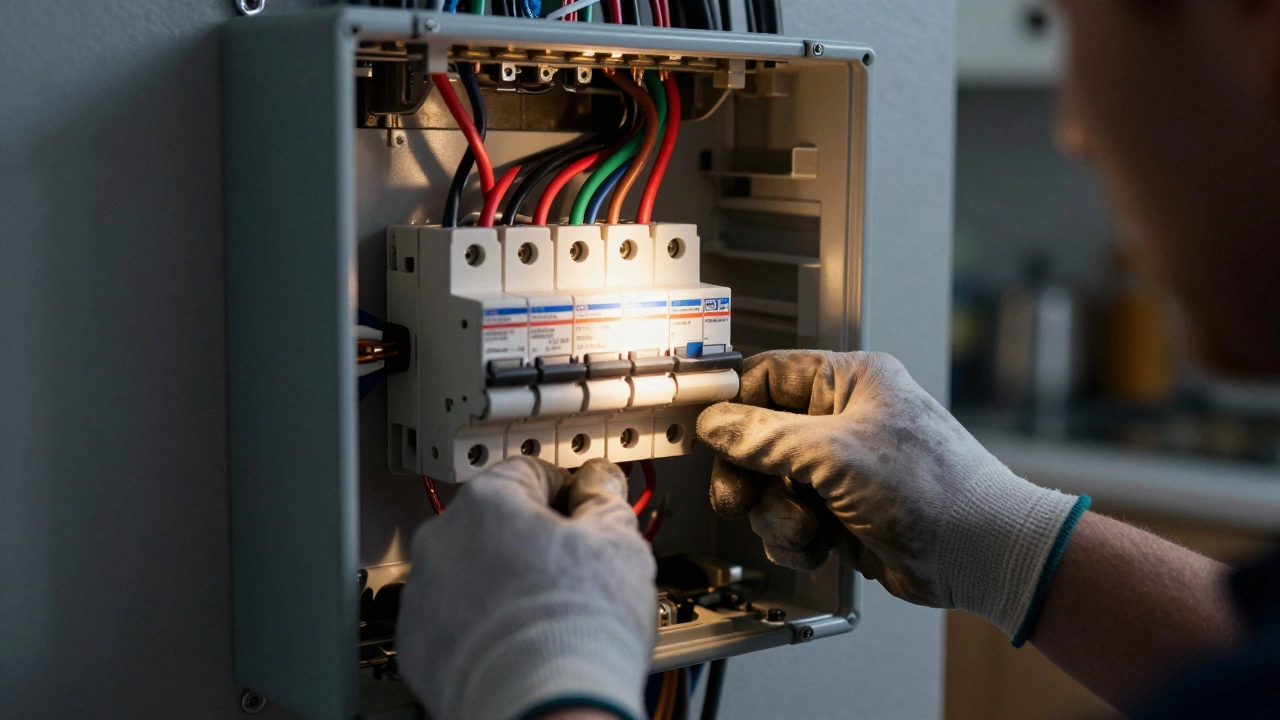
What the Electrician Actually Does
Hiring an electrician for a hob replacement is usually a quick job, often taking less than an hour. Here is what you should expect from the process:
- Safety First: The electrician will turn off the main power supply to the kitchen circuit at the consumer unit. They will use a voltage tester to confirm the line is dead before touching any wires.
- Removal: They will disconnect the old hob. If it’s built-in, they may need to unscrew mounting brackets or cut through silicone sealant used to secure it to the benchtop.
- Inspection: Before installing the new unit, they will inspect the existing wiring. If the previous owner did a sloppy job, or if the wires are frayed or burnt, the electrician will replace the damaged section. This is a critical step that saves you from future headaches.
- Installation: They will position the new hob, feed the power cable through the designated hole in the benchtop or wall, and connect the live, neutral, and earth wires to the terminal block inside the hob. They will ensure the connections are tight and secure.
- Testing: Once connected, they will restore power and test each zone of the hob to ensure it heats correctly. They will also check the RCD function to ensure the safety switch trips if there is a fault.
- Certification: After completing the work, the electrician will issue an Electrical Works Certificate (EWC). This document proves the work was done to code. You must keep this certificate for your records and potentially for future home sales.
Cost vs. Risk Analysis
Let’s talk numbers. In Wellington, a call-out fee plus one hour of labor for a licensed electrician typically ranges from $150 to $250, depending on the company and urgency. If additional parts are needed, such as a new isolation switch or cable extensions, add another $50-$100.
Compare this to the cost of failure. A single electrical fire can destroy a kitchen worth tens of thousands of dollars. Medical bills for severe burns or electrocution are catastrophic. Not to mention the emotional toll of dealing with insurance claims and temporary accommodation while your home is repaired. The math is simple. Paying $200 now is an investment in peace of mind. Trying to save it by risking your safety and legal standing is a gamble you shouldn't take.
| Factor | DIY (Unlicensed) | Licensed Electrician |
|---|---|---|
| Upfront Cost | $0 (Labor only) | $150 - $250 |
| Legal Compliance | Illegal for fixed wiring | Fully compliant with EWRB |
| Insurance Coverage | Likely voided if fault occurs | Protected with valid EWC |
| Safety Risk | High (Shock/Fire) | Minimal (Trained & Tested) |
| Time Required | Variable (Learning curve) | 30 - 60 minutes |
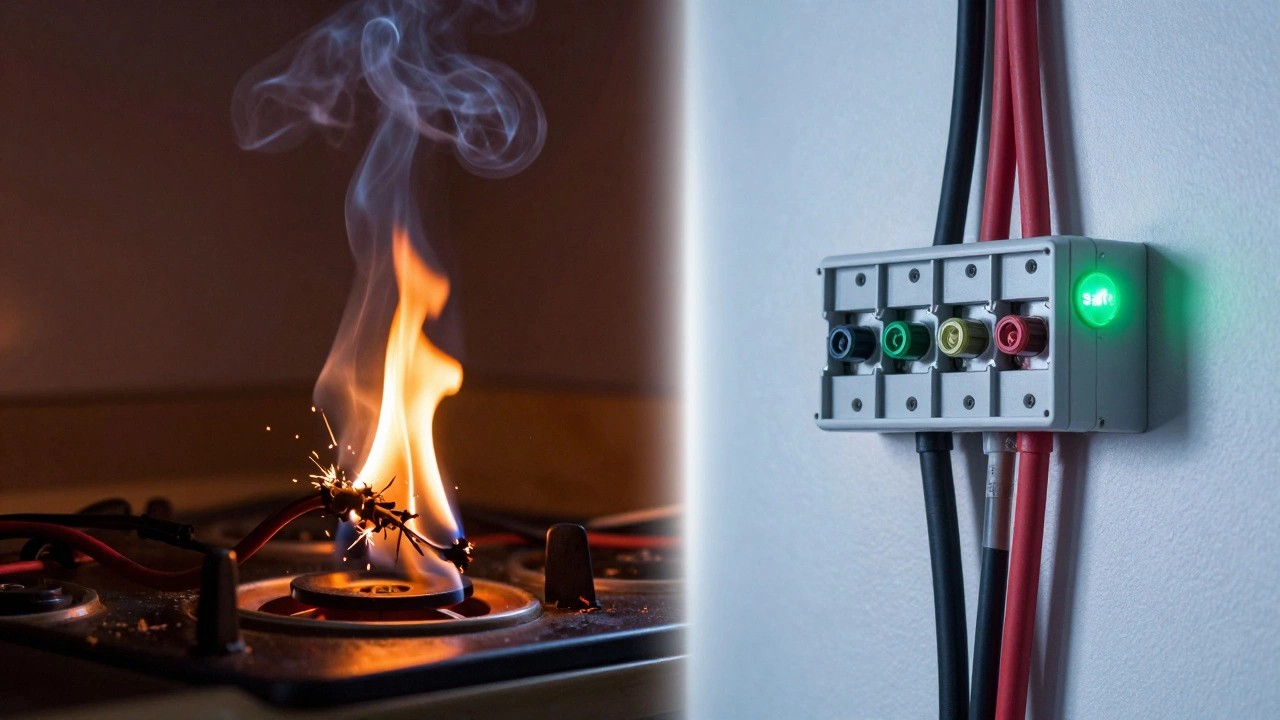
Signs Your Old Wiring Needs Attention
While you wait for the electrician, take a look at your old setup. Are there signs that the previous installation was problematic? Yellowing or browning around the terminal block indicates overheating. Burnt smells coming from the back of the hob are a major red flag. Loose wires that dangle when you move the appliance suggest poor termination.
If you notice any of these issues, inform your electrician immediately. They may need to replace the terminal block within the hob or upgrade the cable running from the consumer unit. Ignoring these signs and simply bolting on a new hob could lead to immediate failure of the new appliance.
Choosing the Right Electrician
Not all electricians are created equal. When searching for someone in Wellington, look for reviews that mention punctuality, cleanliness, and clear communication. Ask if they provide a written quote before starting work. Avoid anyone who suggests bypassing safety switches or using undersized cables to save money. A reputable electrician will never compromise on safety standards.
Ensure they are registered with the Electrical Workers Registration Board. You can verify their license status online for free. This simple check protects you from hiring rogue operators who may charge exorbitant rates or perform substandard work.
Can I replace the plug on my electric hob myself?
If your hob is designed to have a plug and connects to a standard 10A or 15A outlet, yes, you can replace the plug yourself. However, ensure the new plug matches the wattage requirements of the hob. For hardwired hobs, you cannot simply attach a plug without modifying the circuit, which requires a licensed electrician.
Is it illegal to change an electric hob in New Zealand?
It is illegal for an unlicensed person to perform fixed electrical wiring work. Replacing a hardwired hob involves connecting to the permanent wiring of the premises, which falls under this category. Plugging in a portable hob is not illegal, but altering fixed wiring without a license violates the Health and Safety at Work (Electrical Safety) Regulations 2007.
How much does it cost to hire an electrician for hob installation?
In Wellington, expect to pay between $150 and $250 for a standard replacement. This covers the call-out fee and approximately one hour of labor. Costs may increase if new components like isolation switches or cable extensions are required.
What happens if I install the hob myself and it catches fire?
If you perform unlicensed electrical work and a fire results, your home insurance policy will likely deny the claim. You would be responsible for all repair costs, potential medical bills, and liability for damage to neighboring properties. Additionally, you could face legal penalties for violating electrical safety regulations.
Do I need a permit to replace my electric hob?
You do not need a building consent for a like-for-like replacement of an electric hob. However, the electrician performing the work must issue an Electrical Works Certificate (EWC) to certify that the installation complies with the New Zealand Electrical Code of Practice.