
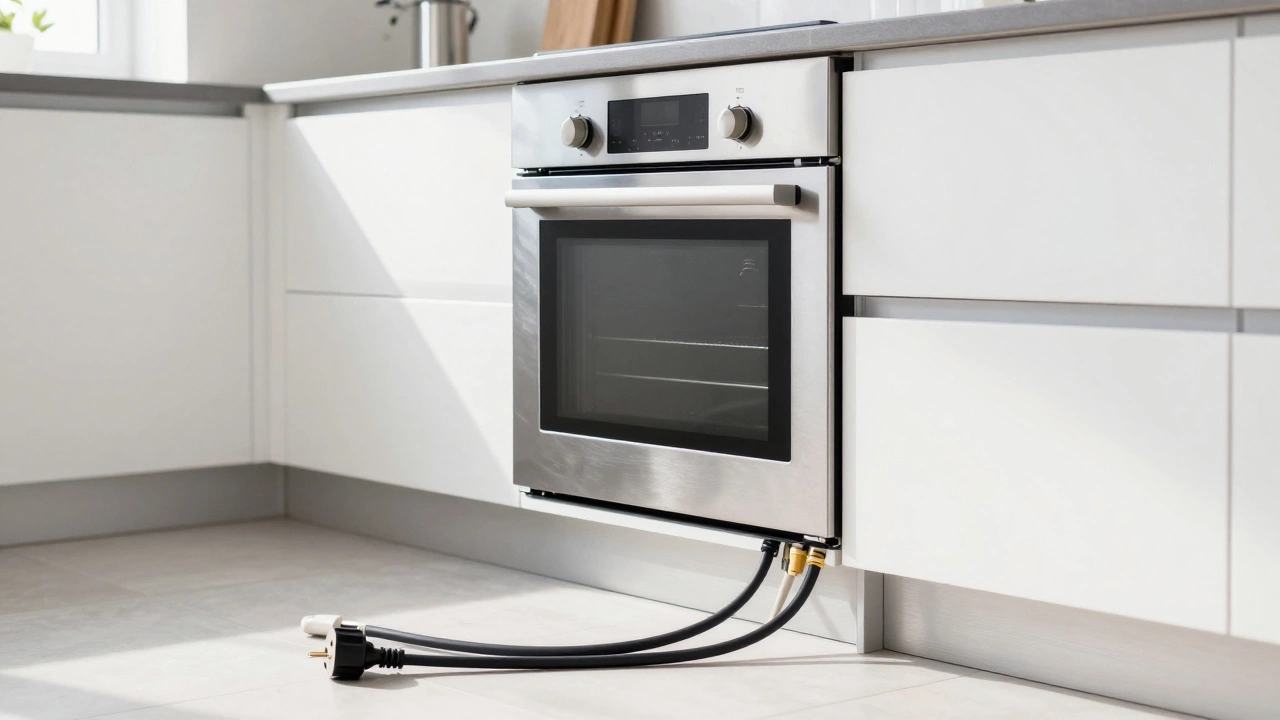
Electric Oven Installation Safety Checker
Answer these quick questions to see if your oven installation is safe for DIY or requires a professional.
✅ DIY Possible
Based on your answers, a DIY replacement for a plug-in oven is generally safe. However, always turn off the power at the main breaker and verify with a voltage tester before starting.
⚠️ Professional Required
You must hire a licensed electrician for this installation.
- Hardwired connections carry high risk of arc flash.
- Higher amperage needs may require new wire gauges to prevent fires.
- Damaged sockets indicate an existing electrical fault.
- Professional certification is often required for insurance.
You just bought a shiny new oven, it's sitting in your kitchen, and now you're staring at the thick cables coming out of the wall. Can you just plug it in and call it a day, or are you risking a house fire if you don't call a pro? The short answer is that it depends entirely on how your current oven is connected. If you're dealing with a standard plug and socket, you might be fine. But if those wires are bolted directly into the wall, you're in a different league of risk.
Key Takeaways
- Plug-and-play ovens generally don't need a pro, provided the socket is rated for the load.
- Hardwired ovens absolutely require a licensed electrician for legal and safety reasons.
- Replacing a 30-amp circuit with a 50-amp oven without upgrading the wiring is a major fire hazard.
- Local building codes often mandate professional sign-off for insurance validity.
The Big Divide: Plug-in vs. Hardwired
Before you touch a single screw, you need to know what you're working with. In the world of kitchen appliances, there are two main ways an oven gets its power. Electric Ovens is a high-voltage cooking appliance that converts electrical energy into heat through resistance. Depending on the model, these can pull a massive amount of current.
First, you have the "plug-in" style. If your oven has a heavy-duty cord and a large pronged plug that fits into a dedicated wall outlet, you're basically dealing with a giant toaster. If the new oven has the same plug and the socket looks healthy (no burn marks or melted plastic), you can technically swap them yourself. However, this assumes the Circuit Breaker - the switch in your electrical panel that kills power when things go wrong - is rated for the new oven's wattage.
Then there's the hardwired setup. This is where the oven cable is connected directly to the house wiring via a junction box. There is no plug. If you see a metal box on the wall with wires nutted together, you are dealing with a high-voltage connection. Attempting to "guess" the wiring here isn't just dangerous; in many places, it's illegal. A mistake here can lead to an arc flash or a dead short that fries your entire kitchen's electrical system.
Why the Voltage Matters
You can't just look at the wires and assume they'll work. Most modern electric ovens operate on 240 volts. This is double what your bedside lamp uses. If you're upgrading from an old, small oven to a professional-grade double oven, your power needs change.
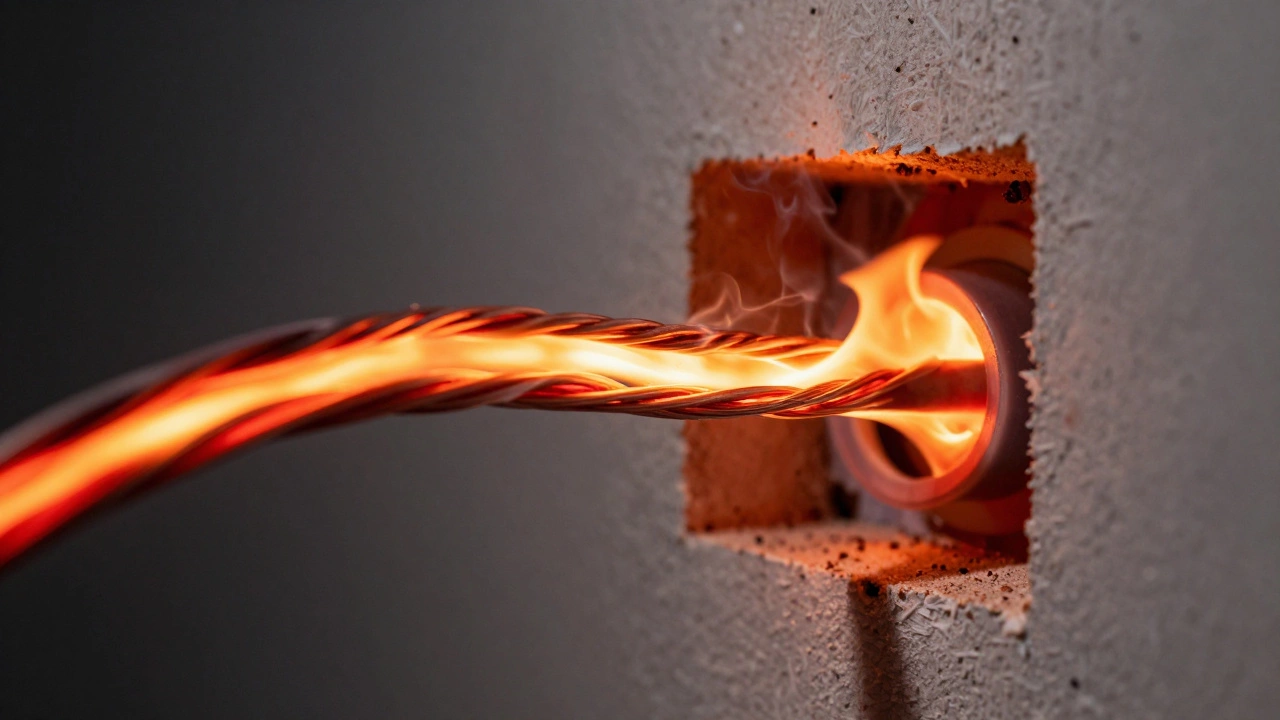
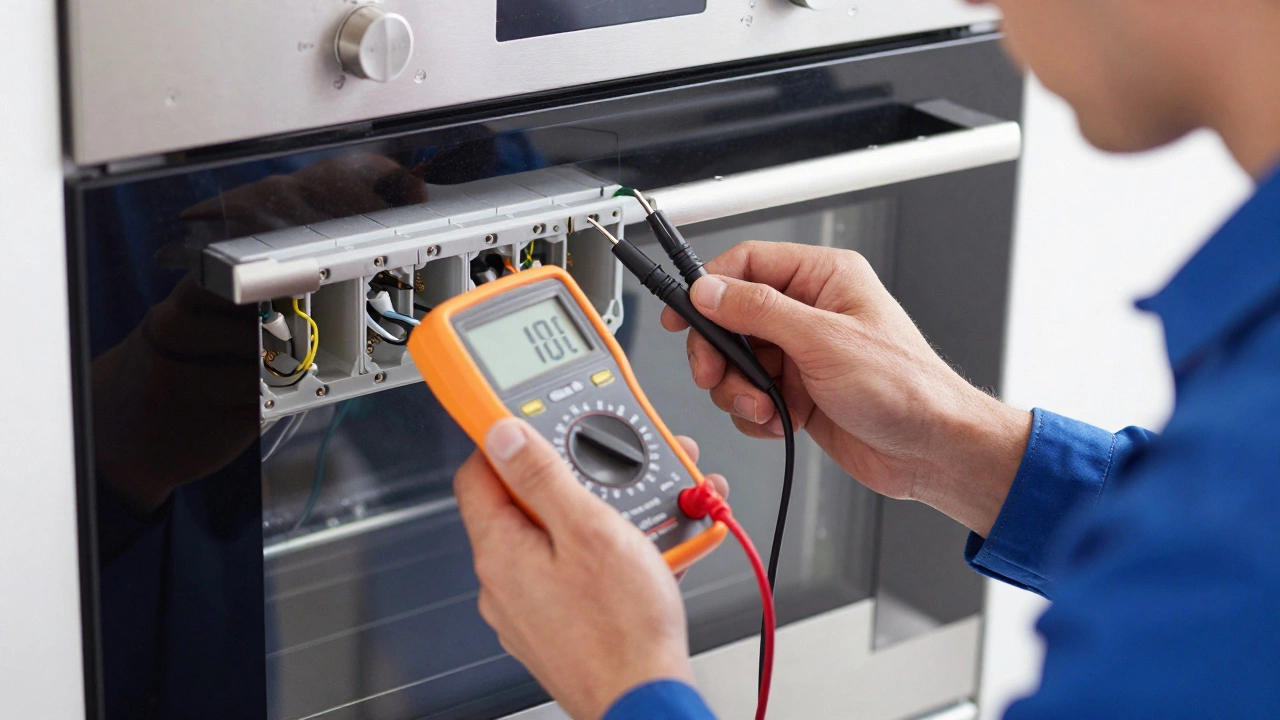
Imagine your old oven used 30 amps of current, but your fancy new convection model needs 50 amps. If you just hook it up, the wires inside your walls will start to heat up because they can't handle the flow. This is how electrical fires start-not with a sudden bang, but with wires slowly melting their insulation inside the drywall over several hours of baking a Sunday roast. An electrician uses a Multimeter to verify the voltage and ensures the wire gauge (the thickness of the copper) can handle the load.
| Feature | DIY (Plug-in Only) | Licensed Electrician |
|---|---|---|
| Risk Level | Low to Medium | Very Low |
| Legal Compliance | Varies by region | Fully compliant |
| Wiring Upgrades | Impossible | Can upgrade circuits/panels |
| Insurance Coverage | May be voided if fire occurs | Fully protected with certificate |
| Tool Requirement | Screwdriver/Basic tools | Professional testing gear |
The Hidden Dangers of "Doing it Yourself"
Let's talk about the things people forget. It's not just about the wires; it's about the Grounding. A properly grounded oven ensures that if a wire comes loose inside the machine, the electricity flows safely into the ground rather than through you when you touch the oven handle. If you're replacing an oven in an older home, you might find that the grounding is outdated or non-existent.
Then there's the torque. Electrical connections must be tight. If a wire is loose in a terminal block, it creates resistance. Resistance creates heat. Heat creates a fire. Professionals use specific torque settings to ensure that the connection is tight enough to be safe but not so tight that they strip the screw or break the wire.
Lastly, consider the Electrical Panel. If your home is old, adding a high-draw appliance might push your main breaker to its limit. An electrician will look at your total home load to make sure you won't trip the main power every time the dishwasher and oven run at the same time.
When You Absolutely Must Call a Pro
If any of the following scenarios apply to you, put the screwdriver down and call a licensed pro:
- The oven is hardwired: No plug, just wires and a junction box.
- You are upgrading the capacity: Moving from a single oven to a double oven or adding a high-power induction feature.
- The old socket looks "crispy": Any discoloration or melted plastic on the outlet is a sign of overheating.
- You're unsure of the wire gauge: If you don't know if your wires are 10-gauge or 12-gauge, you can't know if they are safe for the new load.
- Insurance Requirements: Many homeowners' insurance policies require a certificate of electrical compliance for high-voltage installations.
Steps for a Safe Transition
Whether you do it yourself (for a plug-in) or hire a pro, the process should follow a logical sequence to avoid accidents. Electric oven replacement is more about preparation than the actual plugging in.
- Power Down: Never trust a wall switch. Go to the main breaker panel and flip the switch for the oven to "Off." Use a voltage tester to confirm there is zero current at the outlet.
- Inspect the Old Unit: Note how the old oven was connected. Take a photo of the wiring before disconnecting anything. This is a lifesaver if you get confused later.
- Clean the Space: Old ovens leave a lot of grease and dust. Now is the only time you'll have access to the gap between the oven and the wall. Clean it to prevent a fire hazard.
- Verify the New Unit: Check the manual for the "Minimum Circuit Ampacity." If your home provides 30 amps but the oven requires 40, it will not work safely.
- Installation: Slide the new unit in, connect it (or have the pro do it), and check for stability.
- Testing: Turn the power back on and run a test cycle. Listen for weird humming or smell for burning plastic-if you notice either, shut it off immediately.
Common Mistakes to Avoid
I've seen people try to use a "cheater plug" or an adapter to make a 3-prong oven fit into a 2-prong outlet. This is a recipe for disaster. These adapters aren't designed for the massive current an oven pulls; they will melt in minutes.
Another mistake is ignoring the clearance. Some ovens need a specific amount of air gap around them to prevent the cabinets from overheating. If you jam a high-power oven into a tight space without proper ventilation, you're essentially building a slow-cooker out of your kitchen cabinetry.
Is it illegal to install my own electric oven?
In many regions, yes, if the oven is hardwired. Electrical work involving fixed wiring usually requires a licensed professional by law. However, replacing a plug-in appliance where the outlet already exists is generally permitted for homeowners.
Can I use an extension cord for my oven?
Absolutely not. Standard extension cords cannot handle the amperage required by an electric oven. They will overheat, melt, and likely start a fire. Your oven must be plugged directly into a dedicated wall outlet.
How do I know if my oven is hardwired or plug-in?
Pull your current oven away from the wall. If you see a thick cable ending in a large plug that goes into a socket, it's a plug-in. If the cable goes straight into a metal box in the wall without a plug, it's hardwired.
Why does my new oven keep tripping the breaker?
This usually happens because the new oven has a higher power draw than the old one, or the circuit breaker itself is failing. Do not simply replace the breaker with a larger one; the wires in the wall may not be thick enough to handle the higher amperage, which is a major fire risk.
Does an electrician charge more for different brands of ovens?
Usually, no. An electrician cares about the voltage, amperage, and wiring method, not the brand name on the front. However, some high-end professional ranges have complex installation requirements that might take longer to set up.
Next Steps and Troubleshooting
If you've decided to hire a pro, start by checking your oven's manual for the "Electrical Requirements" section. Give these specific numbers (Voltage and Amperage) to the electrician when you call; it helps them determine if they need to bring extra wire or a new breaker.
If you've already installed a plug-in oven and it's not heating up, check your breaker panel first. Sometimes the surge of plugging in a new appliance can trip a sensitive breaker. If the power is on but the oven is dead, check if there's a shipping bolt or a protective plastic film covering the heating elements inside.
For those in older homes, if you find that your outlet is a two-prong style and your new oven is three-prong (grounded), do not try to cut the ground pin off. This removes your primary safety layer. Instead, have an electrician run a new grounded circuit to the kitchen.