
Electric Hob Repair vs. Replace Calculator
Repair Details
Common Repair Estimates:
Enter your details to see if you should repair or replace your hob.
Recommendation
Quick Checklist:
- • Age check...
- • Cost check...
- • Parts availability assumption...
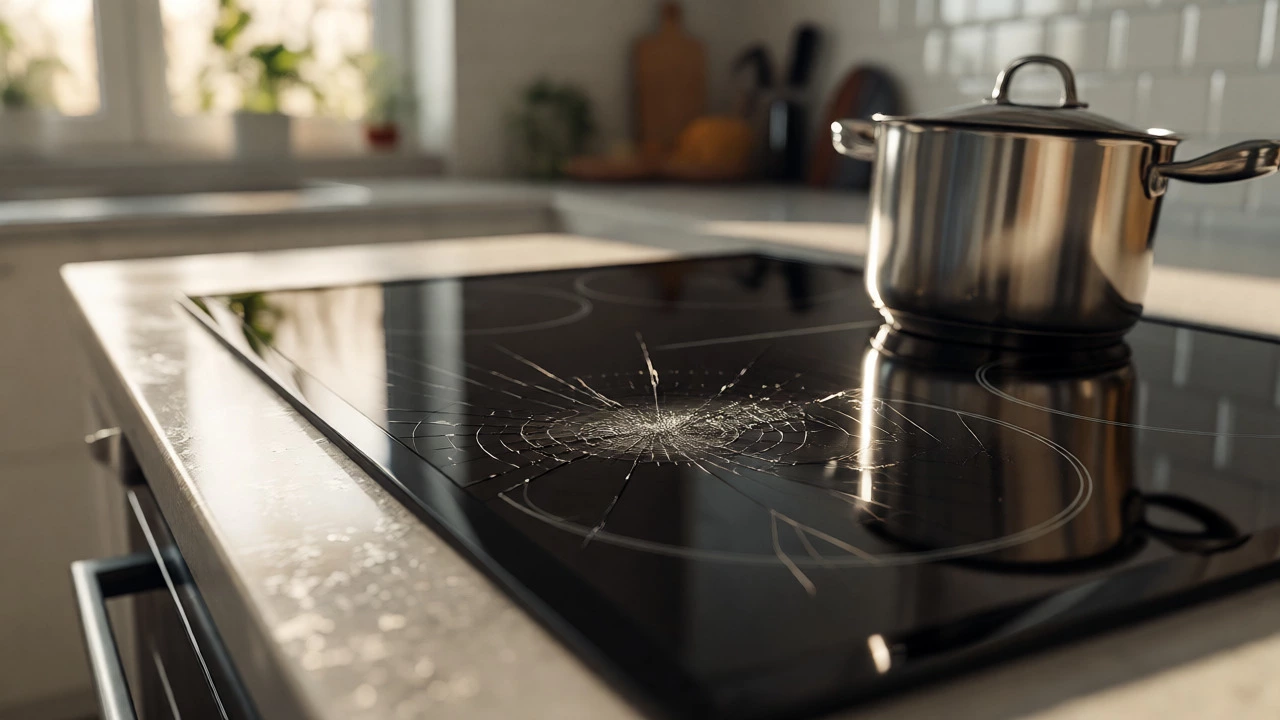
You’re standing in your kitchen, staring at a cold burner or a cracked glass surface on your electric hob. The frustration is real, but the bigger worry is usually the bill. How much are you actually going to pay to get it working again? It’s not just about swapping a part; it’s about labor, diagnostics, and whether that specific component even exists anymore.
| Repair Type | Part Cost | Labor Cost | Total Estimate |
|---|---|---|---|
| Diagnostic Call-out | N/A | $80-$150 | $80-$150 |
| Element Replacement | $30-$120 | $100-$200 | $130-$320 |
| Switch/Knob Fix | $10-$40 | $90-$150 | $100-$190 |
| Glass/Ceramic Top | $150-$400 | $150-$250 | $300-$650 |
| Control Board | $100-$300 | $120-$200 | $220-$500 |
The Hidden Costs of Diagnostics
Before any wrench turns, you pay for expertise. Most reputable technicians charge a call-out fee between $80 and $150. This covers their time driving to your home and spending 30-60 minutes diagnosing the issue. Here’s the catch: this fee often gets waived if you proceed with the repair. If they tell you the unit is beyond saving, you’ve essentially paid for a professional opinion. That might sound steep for a "look," but consider the alternative. Guessing which part is broken leads to buying the wrong component, wasting money, and still having a broken stove.
Is it worth paying for a diagnosis? Absolutely, if your hob is under five years old. For older units, ask yourself if the diagnostic fee plus the potential repair cost exceeds half the price of a new model. If yes, walk away. If no, let them diagnose it.
Breaking Down Part Prices by Failure Type
The cost hinges entirely on what broke. Let’s look at the most common failures and what they hit your wallet for.
Heating Elements
These are the workhorses of traditional coil hobs and many ceramic models. A single element typically costs between $30 and $120 depending on wattage and brand. High-end brands like Miele or Bosch charge a premium for genuine parts. Labor adds another $100-$200 because replacing an element often requires disassembling the top of the unit to access the wiring. It’s fiddly work involving high-voltage connections, so don’t be tempted to DIY unless you’re comfortable with electrical safety protocols.
Control Switches and Knobs
If one burner works fine but another stays dead, it’s often a faulty switch or knob rather than the element itself. These components are cheap-often $10 to $40-but labor remains fixed. You’re paying for the technician’s time to open up the chassis, test continuity, and swap the small plastic or electronic component. Total cost usually lands between $100 and $190.
Ceramic and Glass Tops
This is where things get expensive. If you dropped a heavy pot and cracked the glass on your ceramic hob, the repair bill skyrockets. The glass panel itself can cost $150 to $400. But here’s the kicker: manufacturers often don’t sell these panels as standalone spare parts anymore. They might only supply them to authorized service centers, or worse, discontinue support for models over seven years old. If you can find the part, add $150-$250 for labor. Total? Up to $650. At that point, check if the warranty covers accidental damage (rare) or if buying a new unit makes more sense.
Induction Specifics
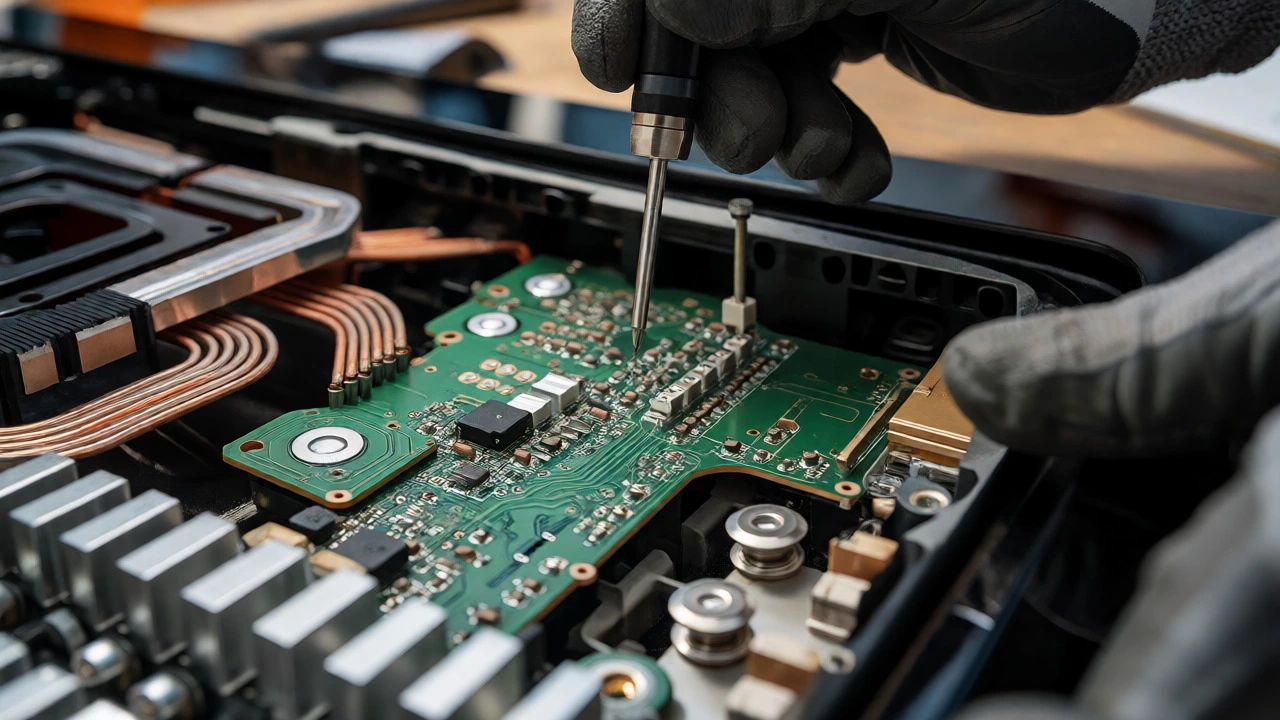
Induction hobs rely on complex electronics. They don’t have simple heating elements; they use copper coils and inverters. When an induction zone fails, it’s rarely the coil-it’s the control board or the power transistor. Control boards range from $100 to $300. Labor is higher too, around $120-$200, because troubleshooting circuitry takes longer than swapping a plug-in element. Expect total bills between $220 and $500. Note: Induction repairs require specialized multimeters and knowledge. Not every general appliance tech handles these well. Look for specialists.
Labor Rates and Regional Variations
Labor isn’t flat-rate everywhere. In major cities like London, New York, or San Francisco, hourly rates hover around $100-$150 per hour. Rural areas might see $75-$100. Why the difference? Overhead, insurance, and demand. Also, note that many companies offer flat-rate pricing for common jobs. This is good for you-it caps your exposure. Ask upfront: "Is this a flat rate or hourly?" If it’s hourly, ask for an estimated max hours. No one likes surprise invoices.
Do you need a specialist or a generalist? For basic coil hobs, any competent appliance repair person will do. For induction or smart hobs with Wi-Fi connectivity, seek out a brand-authorized technician. Their rates might be 20% higher, but they have access to proprietary diagnostic tools and firmware updates that generic techs lack.
When to Repair vs. Replace
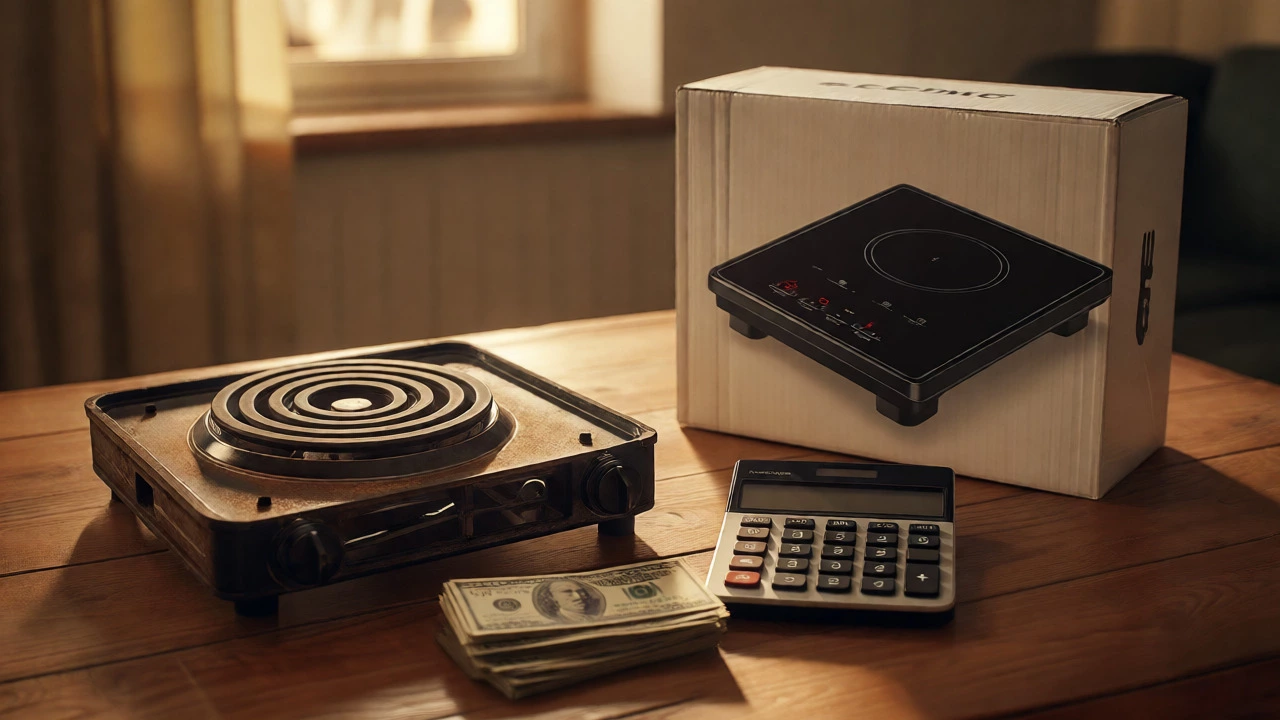
This is the million-dollar question-or rather, the $500 question. Use this simple rule of thumb: If the repair cost exceeds 50% of the price of a comparable new hob, replace it. Why? Because once one part fails, others are likely near the end of their life. Spending $400 to fix a 10-year-old hob that costs $800 new means you’ll probably face another repair within two years.
Consider energy efficiency too. Modern induction hobs are significantly more efficient than older resistive coil models. Replacing an inefficient unit could save you $20-$50 annually on electricity, offsetting the purchase price over time. Plus, new models come with warranties-usually 1-2 years-which protects you from immediate future costs.
Checklist: Should You Repair?
- Is the hob less than 7 years old?
- Is the repair cost under 50% of a new equivalent model?
- Are spare parts readily available?
- Does the hob have other signs of wear (rust, frayed wires)?
- Do you love the specific features of this model?
If you answered "yes" to the first three and "no" to the fourth, repair is usually the smart financial move.
DIY Risks and Savings
Can you fix it yourself? For simple knob replacements or cleaning contact points, sure. Grab a screwdriver and some electrical tape, and you might save $100. But for anything involving internal wiring, capacitors, or glass removal, think twice. Electric hobs store residual heat and charge. Capacitors in induction units can hold lethal charges even when unplugged. One slip-up doesn’t just void your warranty; it risks fire or shock.
If you do attempt DIY, document everything. Take photos before disconnecting wires. Buy exact-match parts using your model number (found on a sticker underneath the hob). And always, always turn off the breaker at the main panel, not just the hob switch.
Frequently Asked Questions
How long does electric hob repair take?
Most repairs are completed during the initial visit if the part is in stock. This takes 1-2 hours. If parts need ordering, expect a follow-up visit 3-7 days later. Induction board repairs may take longer due to testing requirements.
Is it cheaper to fix an induction hob or buy a new one?
For units under 5 years old, fixing is usually cheaper. For units over 7-8 years, replacement is often better value due to rapid improvements in induction technology and falling prices of new entry-level models.
What voids my electric hob warranty?
Unauthorized repairs, using non-genuine parts, physical damage (like cracks from impact), and incorrect installation voltage typically void warranties. Always check your manual before attempting DIY fixes.
Why is my induction hob clicking?
Clicking often indicates the hob is trying to detect cookware size. If it persists without a pan, it could signal a sensor fault or debris under the glass. Clean the surface thoroughly. If it continues, a technician should check the detection coils.
Can I replace just one zone on a multi-zone hob?
On traditional coil hobs, yes. On integrated ceramic or induction units, zones are often wired to a shared control board. Sometimes you can isolate and repair one zone, but if the board is failing, it may affect all zones eventually.
Next Steps
Start by identifying your hob type: coil, ceramic, or induction. Check the model number and search online for part availability. Get quotes from two different technicians-one local independent, one brand-authorized. Compare the total cost including parts and labor against the price of a new unit. If the numbers align, book the repair. If not, start shopping for a replacement that fits your budget and cooking style.