
Water Heater Maintenance Advisor
Answer three questions about your water heater to get a personalized maintenance recommendation.
You have a choice to make when it comes to keeping your water heater running efficiently: do you just flush the system, or do you perform a full drain? It sounds like splitting hairs, but the difference between these two methods can mean the gap between a unit that lasts ten years and one that fails in three. Most homeowners assume they are the same thing. They aren't. One is a quick rinse; the other is a deep clean.
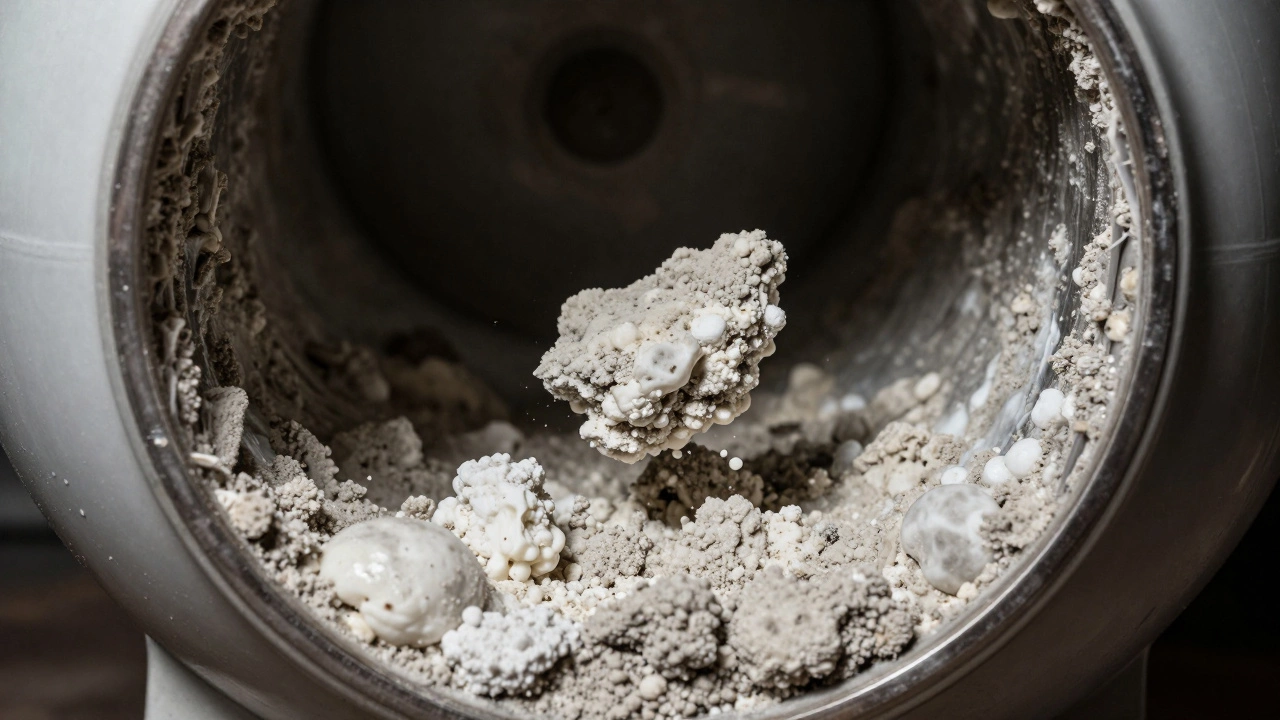
If you want your hot water tank to survive past its warranty period, you need to understand how sediment works. Sediment is not just dirt. It is minerals from your local water supply-calcium, magnesium, and lime-that settle at the bottom of the tank. Over time, this layer gets thicker. If you leave it there, it insulates the heating elements or burner from the water. Your heater works harder, burns more gas or electricity, and eventually cracks under thermal stress. The question isn't whether to clean it. The question is how thoroughly.
The Quick Fix: Flushing the Water Heater
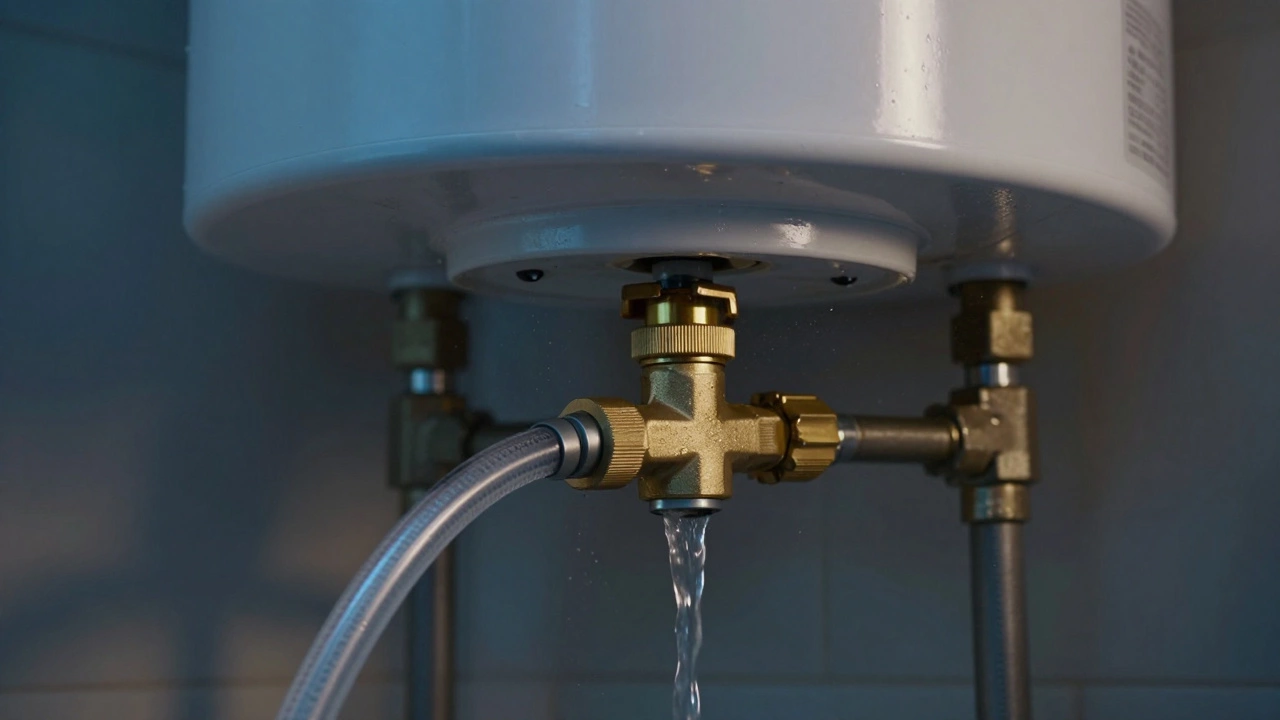
Flushing a water heater involves connecting a garden hose to the drain valve, opening the valve, and letting fresh water run through the tank for a few minutes until the water runs clear. You are essentially using pressure to sweep out loose particles. This method is fast. It takes about fifteen minutes. It requires minimal effort. For many people, this is the only maintenance they ever do.
Flushing works well if you live in an area with soft water. Soft water has low mineral content. There isn't much sediment to begin with. In places like Seattle or parts of Canada where rain feeds the reservoirs, flushing annually might be enough to keep things moving. It removes rust flakes, tiny bits of debris from the plumbing, and light silt. It keeps the flow rate consistent. You won't notice a huge jump in efficiency, but you will prevent clogs in the dip tube or the outlet pipe.
However, flushing has a major blind spot. It does not remove hardened scale. If the sediment has baked onto the bottom of the tank, water pressure alone won't dislodge it. You might think you cleaned the tank because the water coming out looks clearer after thirty seconds, but the heavy, cement-like crust remains. That crust continues to act as an insulator. Your energy bills stay high. The risk of overheating stays high.
The Deep Clean: Draining the Water Heater
Draining a water heater means completely emptying the tank. You turn off the power or gas, let the water cool, attach the hose, and open the valve until every drop is gone. Once empty, you often agitate the tank by turning the cold water inlet on and off to stir up the remaining sludge before refilling. This is labor-intensive. It takes longer. You deal with gallons of dirty, potentially scalding water. But it is the only way to get rid of the heavy stuff.
In areas with hard water-think Phoenix, Las Vegas, or parts of the Midwest-the sediment layer can be inches thick after five years. A flush will skim the top. A drain exposes the bottom. When you drain the tank, you can see what you are dealing with. Sometimes you pull the hose away and hear a clunk as a large chunk of calcium breaks free. That chunk was sitting right on top of your heating element or gas burner. Removing it restores direct contact between the heat source and the water. Efficiency jumps back up. Noise stops. The popping sounds you hear when the tank heats up? That’s steam getting trapped under sediment pockets. Draining eliminates those pockets.
Draining also gives you a chance to inspect the anode rod. This sacrificial metal rod protects your steel tank from corrosion. If you never drain the tank, you never check the rod. By the time the tank starts leaking, the rod is usually gone. Checking it during a full drain allows you to replace it proactively, extending the life of the entire unit by several years.
When to Flush vs. When to Drain
The decision depends on three factors: your water hardness, the age of your unit, and your symptoms. Let’s break down the scenarios so you can pick the right tool for the job.
| Factor | Flushing | Draining |
|---|---|---|
| Time Required | 15-30 minutes | 1-2 hours |
| Effort Level | Low | High |
| Sediment Removal | Loose particles only | Hardened scale and sludge |
| Ideal Frequency | Annually (soft water) | Every 2-3 years (hard water) |
| Anode Rod Access | No | Yes |
| Risk of Valve Damage | Low | Moderate (if valve is stuck) |
If your water heater is less than three years old and you live in a soft-water area, stick with flushing. It’s easy, safe, and sufficient. Open the valve once a year. Run water through until it clears. Close it. Done. You’ve maintained the unit without breaking a sweat.
If you are in a hard-water zone, or if your unit is older than five years, you need to drain. Flushing won’t touch the baked-on scale. You need to empty the tank to disrupt that layer. Do this every two to three years. If you wait too long, the sediment becomes so fused to the tank floor that even draining won’t remove it all. At that point, you’re looking at replacement, not repair.
Listen to your heater. If you hear rumbling, popping, or banging noises, stop flushing and start draining. Those sounds indicate significant sediment buildup trapping steam. A quick rinse won’t fix that. You need to empty the tank and agitate the bottom to break up the crust.
The Risks of Each Method
Neither method is without risk. Understanding these pitfalls helps you avoid costly mistakes. The most common issue with both flushing and draining is damaging the drain valve itself. These valves are cheap brass parts. They sit at the lowest point of the tank. Sediment accumulates right around them. If you force a stuck valve open, you can strip the threads. Suddenly, your tank won’t hold water. You’ll need a plumber to install a new valve, which often means cutting into the wall or floor depending on installation type.
To mitigate this, use gentle pressure. Don’t wrench the valve open. If it resists, apply penetrating oil to the stem first. Wait ten minutes. Try again. If it still won’t budge, call a professional. Forcing it is the fastest way to turn a $50 maintenance task into a $500 emergency repair.
Another risk is airlocks. When you drain a tank completely, you introduce air into the system. If you don’t bleed the lines properly when refilling, you can trap air in the pipes. This causes gurgling sounds and reduced hot water flow. To avoid this, open the hot water faucets in your house while refilling the tank. Let them run until the air bubbles stop. This ensures the system primes correctly.
There is also the risk of forgetting to restore power or gas. After draining, you must refill the tank completely before turning the heater back on. Running a heating element dry destroys it instantly. Gas burners can overheat the tank bottom if there’s no water to absorb the heat. Always verify the tank is full by checking the pressure relief valve or listening for water flowing from a hot tap before restoring energy.
Tankless Units: A Different Beast
If you have a tankless water heater, the rules change slightly. Tankless units don’t have a large reservoir for sediment to settle in. However, they have narrow heat exchanger tubes. Scale builds up inside these tubes, restricting flow and reducing efficiency. You cannot simply "drain" a tankless unit in the same way. You need a chemical flush.
For tankless systems, you bypass the unit with a bypass kit, connect a pump, and circulate a vinegar or descaling solution through the heat exchanger. This dissolves the mineral deposits chemically rather than mechanically removing them. Doing this annually is critical for tankless longevity. Skipping it leads to error codes, reduced output, and premature failure. Unlike tank units, where you might go three years between drains, tankless units demand yearly attention due to their sensitive internal components.
Pro Tips for a Successful Clean
Make the process smoother with these practical steps. First, buy a dedicated water heater hose. Standard garden hoses work, but they kink easily and don’t fit the valve perfectly. A specialized hose has a rigid end that seals tightly against the drain port, preventing leaks that soak your basement or utility room.
Second, wear safety glasses. When you open that drain valve, you might spray out gritty, rusty water mixed with debris. It shoots out with pressure. Eye protection is non-negotiable.
Third, consider adding a water softener. If you are constantly battling sediment, the root cause is your water supply. Installing a whole-house water softener reduces mineral content significantly. This slows down sediment buildup, meaning you can stick to simple flushing instead of invasive draining. It pays for itself in extended appliance life and lower energy bills.
Finally, document your maintenance. Keep a log of when you flushed or drained the unit. Note any changes in performance. If you notice the water temperature dropping despite cleaning, it might be time to replace the thermostat or the heating element. Tracking history helps you predict failures before they happen.
FAQ
How often should I flush my water heater?
You should flush your water heater at least once a year. If you live in an area with hard water, consider doing it twice a year. Annual flushing removes loose sediment and prevents minor buildup from becoming a major problem.
Can I flush my water heater myself?
Yes, flushing is a DIY-friendly task. You need a garden hose, safety glasses, and basic knowledge of your unit's location. Turn off the power or gas, attach the hose to the drain valve, and let water run through until clear. It’s safe for most homeowners to perform.
What happens if I don’t drain my water heater?
Neglecting to drain your water heater leads to sediment buildup. This reduces efficiency, increases energy costs, causes noisy operation, and shortens the lifespan of the unit. Eventually, the tank may corrode or leak, requiring expensive replacement.
Is draining better than flushing?
Draining is more thorough than flushing. While flushing removes loose particles, draining empties the tank, allowing you to remove hardened scale and inspect the anode rod. Draining is essential for hard water areas or older units, while flushing suffices for soft water and newer models.
How do I know if my water heater needs draining?
Signs include rumbling or popping noises during heating, reduced hot water capacity, longer recovery times, and discolored hot water. If you experience these symptoms, it’s likely time for a full drain to remove accumulated sediment.
Should I drain my tankless water heater?
Tankless units require a chemical flush rather than a mechanical drain. Use a descaling solution circulated through the heat exchanger annually to dissolve mineral deposits. This maintains efficiency and prevents damage to the narrow internal tubes.
What tools do I need to drain a water heater?
You need a garden hose rated for hot water, safety glasses, a wrench (if the valve is stiff), and possibly penetrating oil. A dedicated water heater hose with a rigid end makes the process easier and prevents leaks.
Can draining void my warranty?
No, performing routine maintenance like draining or flushing does not void your warranty. In fact, manufacturers often recommend it. However, improper handling that damages components like the drain valve could lead to disputes. Follow manufacturer guidelines carefully.