
Heat Pump Repair vs. Replace Calculator
Use this tool to estimate whether a specific repair is worth the investment compared to buying a new unit. This calculator applies the industry-standard "50% Rule" along with age-based depreciation logic.
1. Select Issue & Inputs
2. Recommendation
Analysis Breakdown
The repair cost is well below half the price of a new unit, and the system is relatively young. Repairing is the most economical choice.
You’re shivering. It’s a damp Wellington morning, the kind where the mist clings to your windows and refuses to leave. You hit the switch on your heat pump, expecting that familiar hum and blast of warm air. Instead? Silence. Or worse, a rattling noise that sounds like someone is shaking a bag of marbles inside the wall unit. Your stomach drops. You know these things aren’t cheap to buy, so surely fixing them must be just as painful for your wallet?
The short answer is no, not usually. But the long answer depends entirely on what broke, how old your system is, and whether you’ve been ignoring the little warning signs. Most homeowners panic because they confuse the cost of replacing a whole unit with the cost of repairing a specific part. Let’s break down exactly what you’re paying for when you call in a technician, so you don’t get fleeced.
Why Heat Pumps Break (And Why It’s Not Always Their Fault)
Before we talk dollars, let’s talk mechanics. A heat pump is essentially an air conditioner running in reverse. It moves heat from outside to inside using a refrigerant cycle. Because it has fewer moving parts than a traditional gas furnace or boiler, it’s actually quite reliable. However, it relies heavily on airflow and clean coils. If you live in a coastal area or near a busy road, salt spray and dust can clog the outdoor unit’s fins. This forces the system to work harder, leading to overheating and component failure.
Most repairs fall into three buckets: electrical issues, mechanical failures, and refrigerant leaks. Electrical problems are often the cheapest to fix. Mechanical failures, like a broken fan motor, are mid-range. Refrigerant leaks and compressor issues are the big ones-the ones that make you question if you should just replace the whole thing.
The Real Cost of Common Repairs
So, what does this actually cost in New Zealand dollars? Prices vary by region and technician, but here’s a realistic breakdown based on current market rates. Keep in mind that labor is a huge chunk of this bill. Technicians need certification to handle refrigerants, and their time isn’t free.
| Repair Type | Common Cause | Estimated Cost (Parts + Labor) | Worth Fixing? |
|---|---|---|---|
| Cleaning & Service | Dust buildup, blocked filters | $150 - $250 | Yes, always |
| Capacitor Replacement | Electrical surge, age | $200 - $350 | Yes |
| Fan Motor (Indoor/Outdoor) | Bearing wear, debris | $300 - $600 | Usually yes |
| PCB Board | Power spike, moisture | $400 - $800 | Depends on age |
| Refrigerant Leak | Corrosion, vibration | $400 - $900+ | Maybe |
| Compressor Failure | Age, lack of maintenance | $800 - $1,500+ | Rarely |
Notice the gap between cleaning and a compressor swap. That’s why regular servicing is non-negotiable. A $200 service every two years can prevent a $1,000 repair later. It’s simple math, but we all tend to ignore our appliances until they stop working completely.
When Is a Repair Not Worth It?
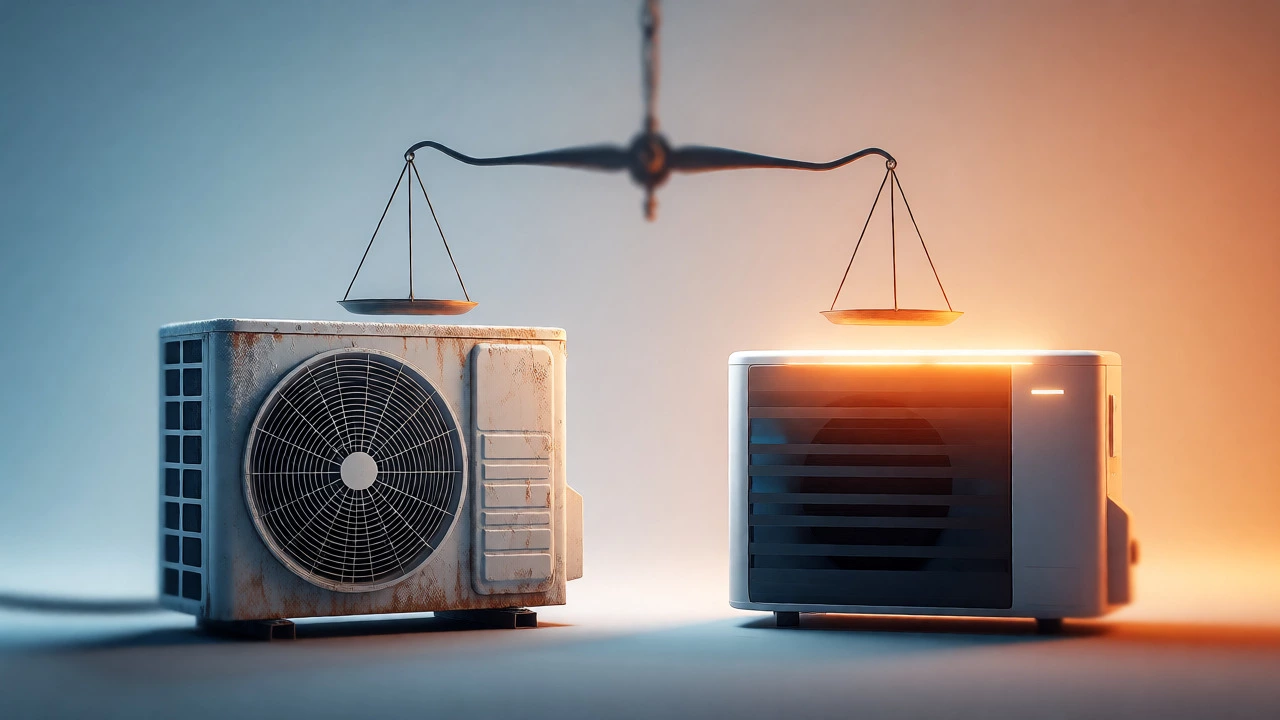
There’s a rule of thumb used by many HVAC professionals called the "50% Rule." If the cost of the repair exceeds 50% of the cost of a new unit, you should probably replace it instead. But there’s more nuance than just price tags.
Consider the age of your system. Modern heat pumps use R32 refrigerant, which is more efficient and environmentally friendly than the older R410A. If your unit is over 10-12 years old, finding parts becomes difficult and expensive. Manufacturers phase out support for older models. Replacing an old, inefficient unit might save you enough on power bills to offset the purchase price within a few years. Plus, new units come with warranties-usually 5 to 7 years on parts and labor. A repaired old unit comes with zero guarantees.
Also, think about comfort. If your current heat pump struggles to heat a single room on a cold day, upgrading to a higher-capacity model or adding a second unit might solve multiple problems at once. Repairing a dying compressor on a weak system is like putting a new engine in a car with a rusted chassis. It runs, but it’s not going to last.
DIY vs. Professional: What Can You Actually Fix Yourself?
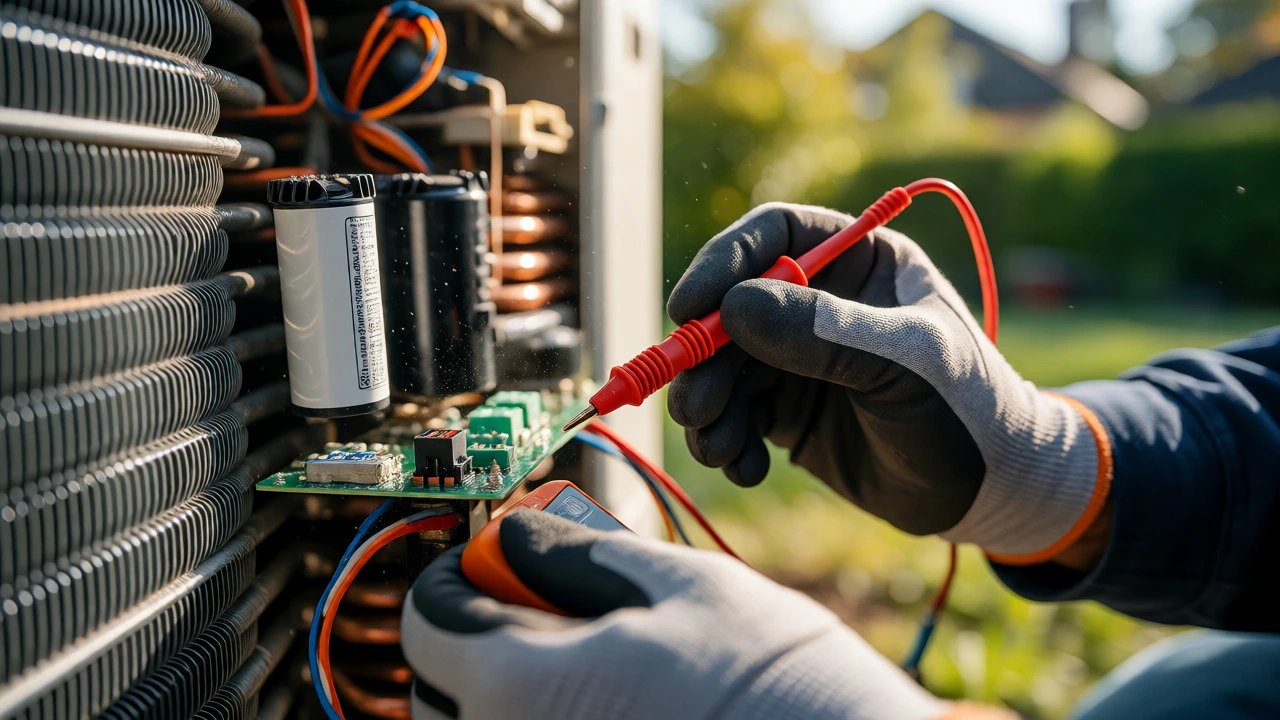
Can you save money by doing it yourself? Sometimes. But be careful. Handling refrigerants requires a license. If you mess up a seal and leak gas, you’ll pay fines and extra costs to recharge the system. Here’s what you can safely check before calling a pro:
- Check the Power: Is the circuit breaker tripped? Is the remote batteries dead? Sounds silly, but it happens constantly.
- Clean the Filters: Open the indoor unit panel. If the filters are grey with dust, wash them with lukewarm water and let them dry completely before reinstalling. This solves poor airflow issues 80% of the time.
- Clear Outdoor Debris: Make sure leaves, grass clippings, or snow aren’t blocking the outdoor unit’s intake or exhaust vents. Airflow is critical for efficiency.
If those steps don’t help, stop. Don’t start poking wires or trying to tighten refrigerant lines unless you know what you’re doing. One wrong move can turn a $200 repair into a $1,000 disaster.
How to Choose a Reliable Technician
Not all technicians are created equal. In New Zealand, look for certifications from organizations like the Heat Pump Association of New Zealand (HPANZ) or similar industry bodies. Ask for references. Do they offer a warranty on their work? A reputable company will stand behind their repair for at least 90 days to a year.
Get quotes in writing. Be wary of anyone who diagnoses a problem over the phone without seeing the unit. "It’s definitely the compressor" is a red flag phrase. It could be anything. A good tech will inspect, test, and then explain the issue clearly. They should also explain why the part failed. If they say "it just died," ask follow-up questions. Was it dirty? Did it have a voltage spike? Understanding the cause helps prevent recurrence.
Maintenance Tips to Avoid Big Bills
You want to keep your repair costs low? Treat your heat pump like a car. Regular oil changes prevent engine blowouts; regular cleaning prevents coil corrosion and fan strain.
- Schedule Annual Services: Ideally, service your heat pump before winter kicks in. In Wellington, that means booking in late spring or early summer. Technicians get slammed in July, so book early.
- Keep the Surroundings Clear: Trim back plants around the outdoor unit. Maintain at least 30cm of clearance on all sides.
- Watch for Strange Noises: Grinding, squealing, or banging noises mean something is rubbing or loose. Catching a worn bearing early saves the motor.
- Monitor Energy Bills: A sudden spike in your electricity usage often indicates the system is struggling. It’s a silent alarm that something is off.
By staying proactive, you shift the dynamic from emergency reactive spending to planned, predictable maintenance. Emergency calls cost more because they’re unscheduled and urgent. Planned services are cheaper and faster.
Frequently Asked Questions
How long do heat pumps last?
With proper maintenance, a quality heat pump can last 15 to 20 years. Neglected units may fail in 8 to 10 years due to compressor stress and coil corrosion. Coastal environments tend to shorten lifespan due to salt exposure.
Is it cheaper to repair or replace a heat pump?
Use the 50% rule: if the repair cost is more than half the price of a new unit, replace it. Also consider age; if the unit is over 10 years old, replacement is often better due to improved efficiency standards and warranty coverage.
What is the most common heat pump repair?
The most common issues are related to airflow and electrical components. Dirty filters, blocked condensate drains, and faulty capacitors are frequent culprits. These are relatively inexpensive fixes compared to major mechanical failures.
Do I need to service my heat pump every year?
Manufacturers typically recommend annual professional servicing. For households with pets, allergies, or coastal proximity, bi-annual cleaning (filters) and annual professional checks are ideal to maintain efficiency and air quality.
Can I clean the outdoor unit myself?
You can gently hose down the outdoor unit’s fins with water to remove dust and leaves, ensuring the power is off first. Avoid high-pressure washers, which can bend the delicate fins and restrict airflow. Leave internal cleaning to professionals.