
Cooker Health & Decision Tool
Step 1: Identify Symptoms
Check all symptoms that apply to your cooker. This helps identify the likely cause.
Step 2: Safety Red Flags
If any of these are present, stop using the appliance immediately.
Step 3: Repair vs. Replace Calculator
Use this heuristic to decide if it's worth fixing.
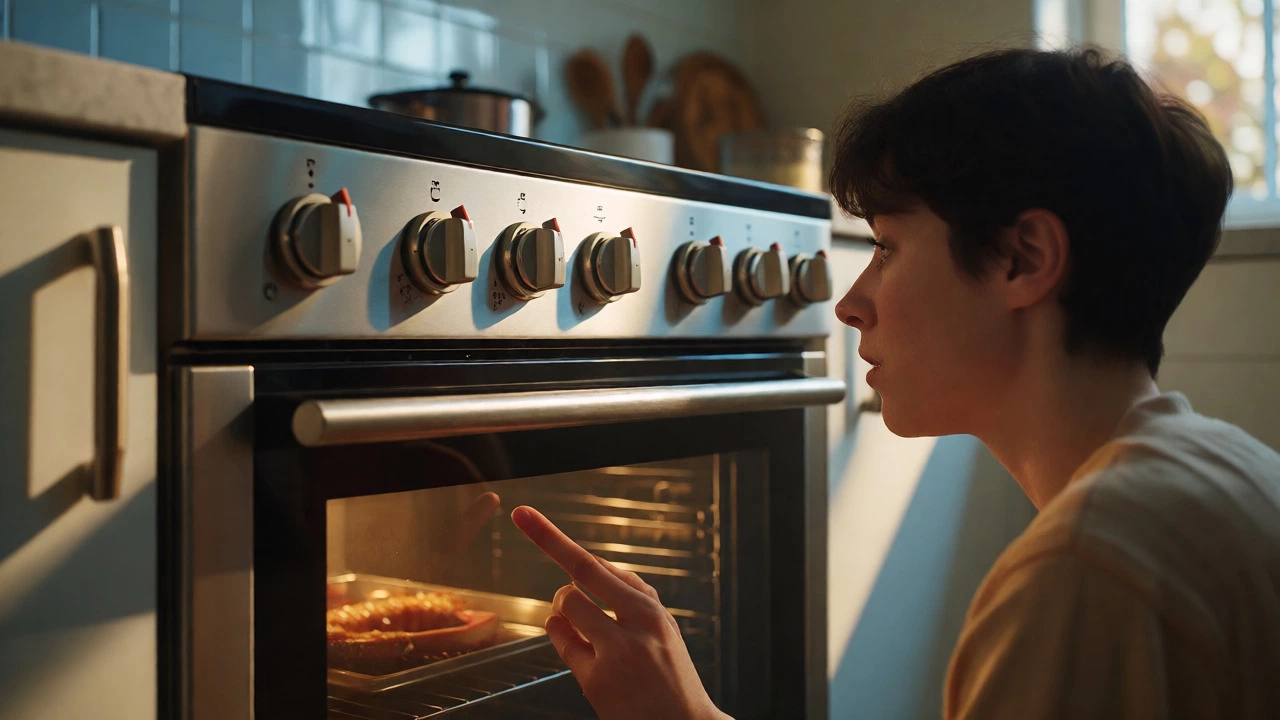
You turn the dial. You wait. The food stays cold. Or worse, you walk into the kitchen and catch a whiff of something that isn't dinner. That sinking feeling hits instantly: Is my cooker broken? A cooker is a combined cooking appliance consisting of an oven and hob, typically powered by electricity or gas. Before you panic and call for a technician, take a breath. Not every hiccup means the end of your appliance's life. Sometimes it's a blown fuse, a dirty sensor, or user error. But sometimes, it really is time for professional help. This guide cuts through the noise to tell you exactly what to look for, when to worry, and how to keep yourself safe while diagnosing the problem.
The Power Supply Trap
Before blaming the heating elements, check the obvious stuff. It sounds too simple to be true, but nearly 30% of "broken" cookers are just disconnected from power. If your digital display is blank, don't assume the control board fried itself. First, check the plug socket. Is it loose? Try plugging in a hairdryer or phone charger to see if the outlet works. If the outlet is dead, reset your home's circuit breaker or replace the fuse in the plug (if applicable in your region). In New Zealand and Australia, many high-power appliances like ovens are hardwired directly into the wall rather than plugged in. If yours is hardwired, you'll need to check the main switchboard. Look for a tripped breaker labeled 'Kitchen' or 'Oven.' Resetting it might solve the mystery instantly. If it trips again immediately after resetting, you have a genuine electrical fault inside the unit.
Oven Temperature Issues: Too Hot, Too Cold, or Uneven
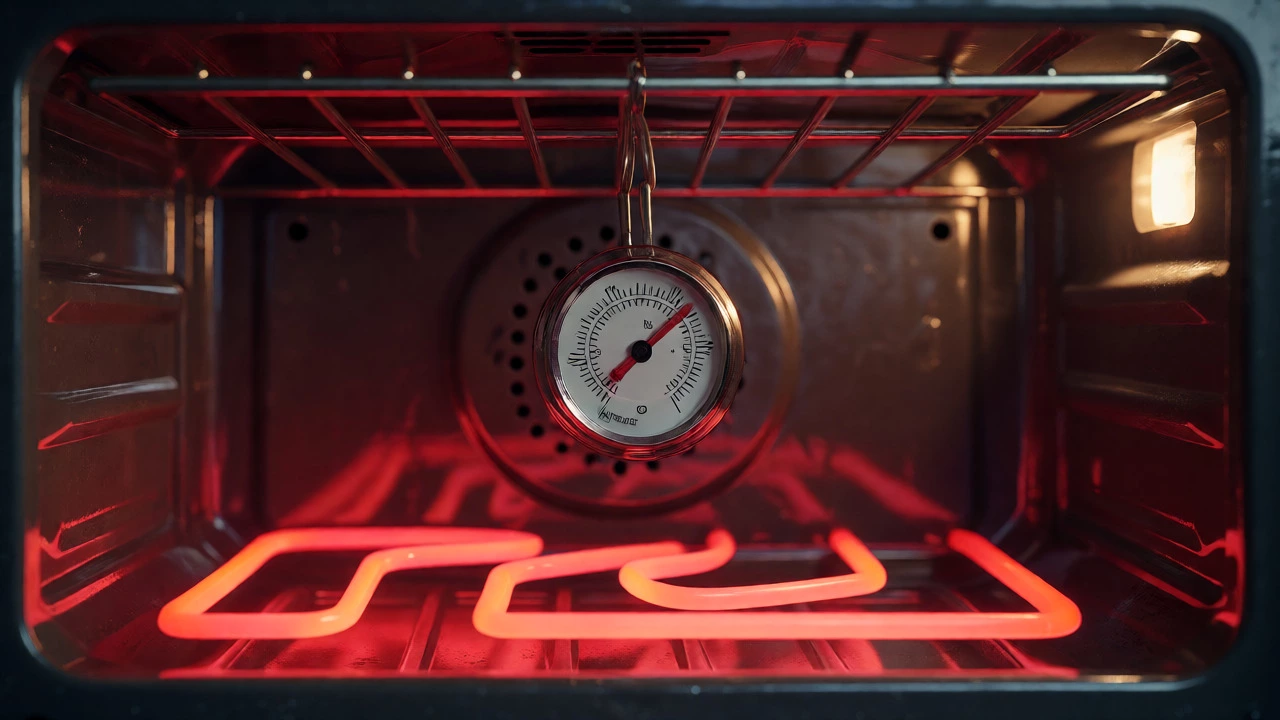
If the lights work but the oven doesn't heat up, the culprit is usually one of three things: the bake element, the broil element, or the thermostat. Here’s how to spot the difference. Turn on the oven and watch the bottom element. Does it glow bright red within 10 minutes? If it stays dull grey or only glows at the edges, the Bake Element A resistive wire coil that converts electrical energy into heat for baking. is likely burnt out. These are relatively cheap parts to replace. If the top element fails during grilling, it’s the same story for the broiler.
What if it heats up, but the temperature is way off? Maybe you set it to 180°C, but your cake burns in 20 minutes. This points to a faulty Thermostat A component that regulates the internal temperature by switching the heating element on and off.. Thermostats wear out over time. A quick DIY test involves hanging an independent oven thermometer inside. Set the oven to 180°C. Wait 30 minutes. If the thermometer reads 220°C, your thermostat is lying to you. Replacing it restores accurate cooking and saves energy bills.
Hob Problems: Gas vs. Electric
The stovetop has its own unique set of failure modes depending on whether you use gas or electricity.
For Gas Cookers: The most common issue is ignition failure. If you hear clicking but no flame appears, the igniter might be dirty or wet. Clean around the burner cap with a dry cloth. If it clicks rapidly but never sparks, the igniter module may need replacing. More critically, if the flame extinguishes immediately after you release the knob, the thermocouple (a safety device) is failing. This prevents gas from flowing unless the pilot light is detected as lit. A faulty thermocouple is a safety hazard; get it checked.
For Electric Hobs: Check for physical damage. Cracked glass ceramic surfaces can let moisture seep underneath, causing shorts. For induction hobs, ensure your pans are compatible. Induction requires magnetic materials (like cast iron or certain stainless steels). Aluminum or copper pots won't work, which users often mistake for a broken hob. Also, clean the surface thoroughly. Grease buildup can interfere with touch controls, making buttons unresponsive.
Safety Red Flags: When to Stop Using It Immediately
Some signs aren't just annoyances-they are dangers. If you notice any of these, stop using the appliance and disconnect power/gas before investigating further.
- The Smell of Gas: If you smell rotten eggs near a gas cooker, do not turn on lights or fans. Open windows and shut off the gas supply valve. Call a licensed gas fitter. Never assume it's just residual odor from cooking.
- Burning Plastic Odor: A sharp, acrid smell suggests wiring insulation is melting or plastic components are touching hot elements. This indicates an electrical short or misaligned part.
- Sparking Inside the Oven: Visible arcing inside the cavity usually means the enamel coating has chipped away, exposing metal that is touching the heating element. This can cause fires.
- Excessive Heat on the Door Glass: Modern ovens have triple-glazed doors. If the outer glass gets so hot you can't touch it comfortably, the seal between the panes may have failed, compromising insulation and safety.
Noise Diagnosis: What Your Cooker is Trying to Tell You
Sound is a great diagnostic tool. Listen closely while the appliance runs.
A loud humming noise often points to the cooling fan. Ovens have external fans to keep electronics cool. If this fan is clogged with grease or dust, it strains and hums. Cleaning it might fix the issue. If the fan makes a grinding or rattling sound, the bearings are worn out. This needs replacement because a seized fan can overheat the control board.
A buzzing sound during operation could indicate a loose screw or panel vibrating against another part. Tighten visible screws. If the buzz persists, it might be the transformer or relay inside the control panel failing. This is less common but serious enough to warrant a pro inspection.
Control Panel Glitches
Digital interfaces are convenient but fragile. If buttons feel sticky or don't respond, it’s often due to sugar spills or steam getting under the membrane. Gently clean around the buttons with a damp (not soaking) cloth. Avoid harsh chemicals that degrade rubber seals.
If the display shows error codes (like F1, E2, etc.), consult your manual. These codes pinpoint specific failures, such as a door lock motor jammed or a sensor open circuit. Ignoring these codes can lead to bigger breakdowns. If the display flickers randomly, suspect a loose connection behind the panel or a failing main control board. Control boards are expensive, so rule out simpler issues first.
When to Repair vs. Replace
So, you've identified the fault. Now, the big question: is it worth fixing? Use this simple heuristic based on age and cost.
| Age of Cooker | Cost of Repair | Recommendation |
|---|---|---|
| Under 5 years | < $150 | Repair. Most appliances last 10-15 years. Early fixes protect your investment. |
| 5-10 years | $150 - $300 | Consider Repair. Weigh against the price of a new mid-range model. Check warranty status. |
| Over 10 years | > $300 | Replace. Parts become scarce, and efficiency drops significantly. New models save energy. |
| Any Age | Major Component (Board/Motor) | Get Quote First. If repair costs exceed 50% of new unit price, buy new. |
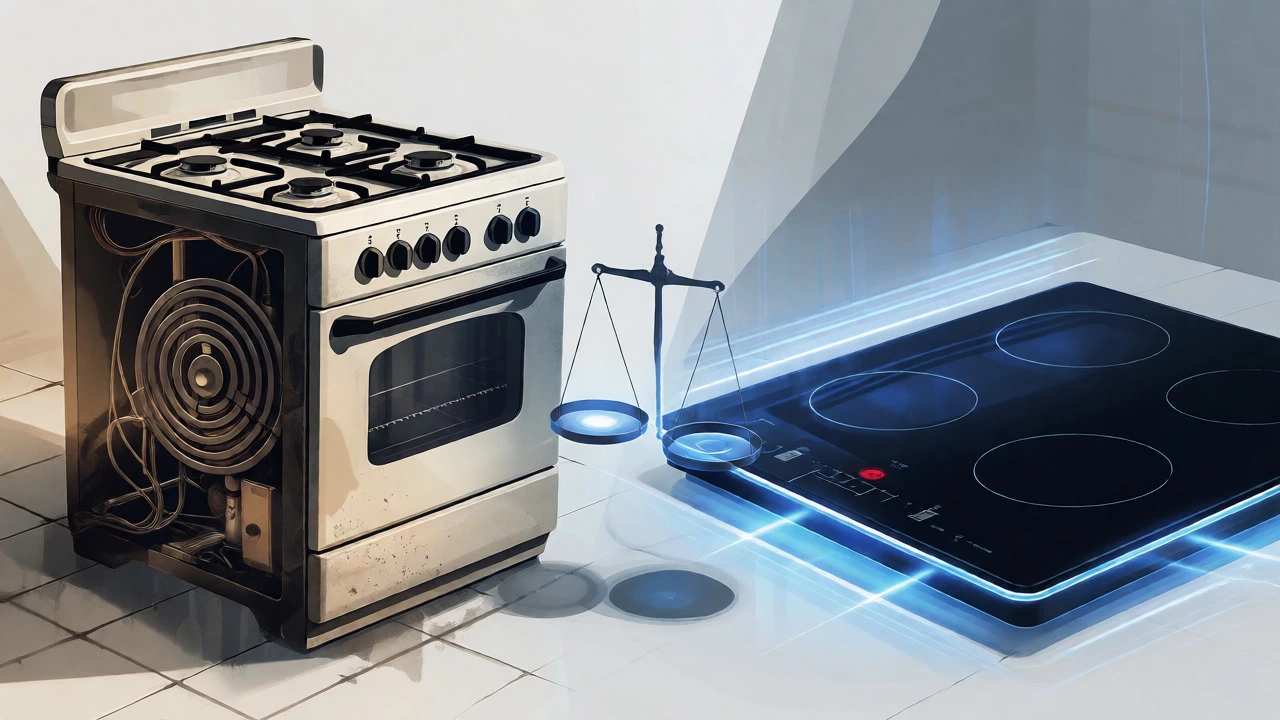
Keep in mind that older electric cookers consume more power. A new induction hob or efficient convection oven can cut energy usage by 20-30%, offsetting the purchase cost over time. However, if your current cooker is a premium brand with built-in features, repairing it might preserve value better than buying a generic replacement.
DIY Safety Checklist Before Calling a Pro
Before you book a technician, run through this list. It saves money if the fix is simple, and it helps the technician diagnose faster if it’s complex.
- Clean Thoroughly: Remove all racks and trays. Wipe down the interior. Grease buildup causes smoke and uneven heating.
- Check Seals: Inspect the rubber gasket around the oven door. If it’s torn or brittle, heat escapes. Replacement seals are cheap and easy to install.
- Verify Settings: Ensure the timer isn't stuck in 'Auto' mode, which blocks manual heating. Double-check that the correct function (Bake, Grill, Fan) is selected.
- Inspect Cables: Look for frayed wires on accessible plugs or connections. Damaged cables are fire risks.
If you’ve done all this and the cooker still misbehaves, it’s time to call in the experts. Provide them with the symptoms you observed-specifically any error codes, noises, or smells. This preparation speeds up the repair process and ensures you get the right parts on the first visit.
Why is my oven heating but not reaching the set temperature?
This is usually caused by a faulty thermostat or a failing heating element that has lost resistance. It can also happen if the door seal is damaged, allowing heat to escape. Test with an independent oven thermometer to confirm the discrepancy before ordering parts.
My gas cooker clicks but doesn't ignite. What should I do?
First, ensure the burner caps are seated correctly and dry. Moisture prevents sparking. If they are dry and positioned right, the igniter electrode may be dirty or broken. Clean it gently with a toothbrush. If clicking continues without flame, the gas supply valve or igniter module needs professional attention.
Is it safe to use a cooker with a cracked glass door?
Generally, yes, if the crack is minor and contained within the inner pane. However, monitor it closely. If the crack spreads or the outer pane feels excessively hot, stop using the oven. Shattered glass poses a burn risk, and compromised insulation increases energy consumption.
How long does a typical cooker last?
With proper maintenance, electric cookers typically last 10-15 years. Gas ranges can last longer, up to 15-20 years, due to fewer electronic components. Frequent use and poor cleaning habits significantly shorten lifespan.
Can I replace the oven bulb myself?
Yes, this is one of the easiest DIY repairs. Always disconnect power first. Allow the bulb to cool completely. Unscrew the cover, remove the old bulb, and replace it with a high-temperature rated appliance bulb (usually 25W or 40W). Do not use standard household bulbs as they will shatter from heat.