
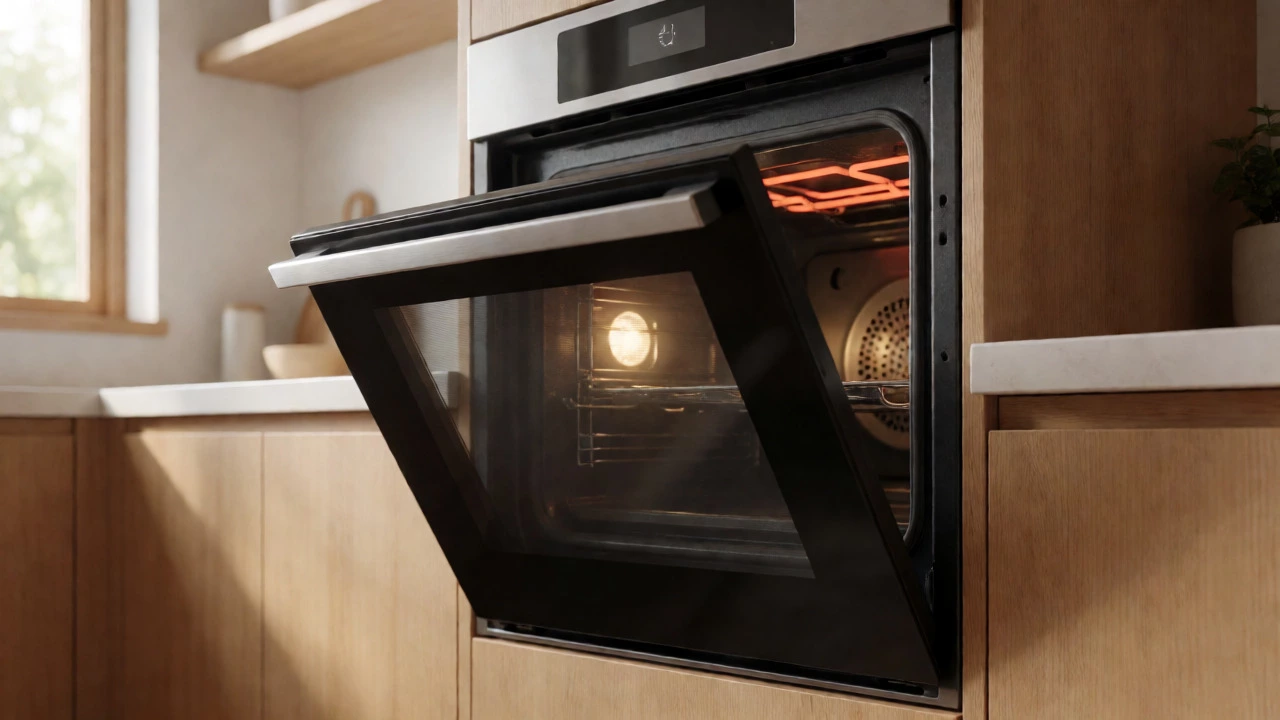
Electric Oven Lifespan & Repair Estimator
You just spent $1,500 on a sleek new electric oven, and you want to know: how long will this thing actually last before it quits on me? It’s the question every homeowner asks after the initial excitement fades. The short answer? Most electric ovens have a life expectancy of 10 to 15 years. But that number is a median, not a guarantee. Some units die at year five due to poor manufacturing or harsh usage; others chug along for two decades with only minor repairs.
The reality is that your oven's longevity depends less on luck and more on three specific factors: build quality, usage intensity, and maintenance habits. If you treat your oven like a workhorse rather than a delicate instrument, you can push its lifespan toward the upper end of that range. If you ignore warning signs, you might find yourself calling a technician in Wellington for an emergency callout far sooner than expected.
The Real Numbers Behind Oven Longevity
Industry data from major manufacturers like Bosch, Whirlpool, and Miele suggests that the average lifespan of a standard residential electric oven sits squarely between 10 and 15 years. This aligns with data from the National Association of Home Builders, which tracks replacement cycles for major home appliances. However, there is a significant divergence between basic models and premium built-in units.
Freestanding ranges, where the cooktop and oven are integrated into one unit, often fail earlier-sometimes around the 8-to-10-year mark. Why? Because they suffer double the wear. The burners or electric elements on top get splashed with grease and water, while the oven below handles high heat. Built-in wall ovens, being separate from the cooking surface, typically last longer because their electronics aren't subjected to the same level of moisture and physical impact from pots and pans.
| Oven Type | Average Lifespan | Common Failure Point | Repair Cost vs. Replace |
|---|---|---|---|
| Freestanding Range | 8-12 Years | Control Panel / Burner Ignition | Replace if >$400 |
| Built-in Wall Oven | 12-15 Years | Heating Element / Door Seal | Repair often viable |
| Convection Oven | 10-14 Years | Fan Motor / Thermostat | Repair if under 10 yrs |
| Smart/WiFi Oven | 7-10 Years | Software / Touchscreen | Replace if obsolete |
What Actually Kills Your Oven?
It’s rarely the oven "dying" all at once. Usually, a specific component fails first. Understanding these parts helps you decide whether to fix it or bin it. The most common culprits are the heating elements and the thermostat.
Heating Elements: These are the coils inside your oven that glow red when hot. They are consumables. Over time, thermal expansion and contraction cause metal fatigue. Eventually, they snap. Replacing a bake or broil element is cheap-often under $100 for parts-and easy enough for a handy DIYer. If your oven heats but doesn’t get hot enough, it’s likely one of the elements has failed.
Thermostats and Sensors: If your cake burns on the outside but stays raw in the middle, your thermostat is lying to you. Older mechanical thermostats drift out of calibration over time. Newer digital sensors can fail outright. A faulty thermostat is a classic sign that your oven is nearing the end of its reliable life, though replacing it is usually cost-effective if the rest of the unit is healthy.
Control Boards: This is the brain of the operation. In modern ovens, the electronic control board manages everything from the clock to the baking modes. Power surges-a common issue in older homes or during storms-can fry these boards. Replacement costs here can hit $300-$600. If your oven is already 12 years old, fixing a fried control board often doesn't make financial sense compared to buying a new model.
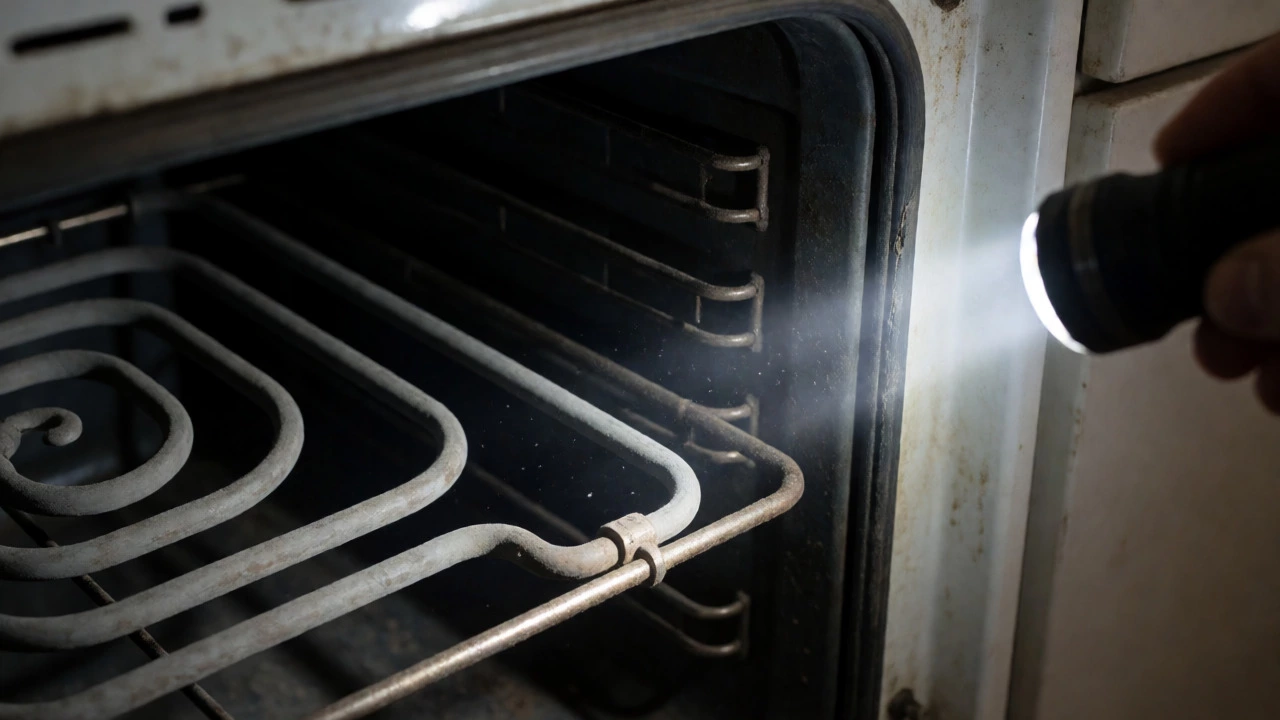
Signs You’re Approaching the End of Life
Don't wait until smoke billows from your kitchen. Your oven gives you warnings. Here’s what to watch for:
- Inconsistent Temperature: If you preheat to 180°C and it hits 200°C, or vice versa, the temperature sensor is failing. While you can calibrate some ovens via settings menus, persistent errors mean hardware failure.
- Door Seals Are Crumbling: The rubber gasket around the door keeps heat in. If it’s cracked, brittle, or missing chunks, your oven works harder to maintain temperature, wasting energy and stressing other components. This is a cheap fix ($20-$50) but indicates general age-related wear.
- Strange Noises: A humming fan is normal in convection ovens. Grinding or rattling isn’t. That’s usually the convection fan motor bearing wearing out. If the fan stops, your oven won’t circulate air properly, leading to uneven cooking.
- Touchscreen Unresponsiveness: If you have to press buttons multiple times, or the display flickers, the membrane switch or control interface is degrading. On smart ovens, this can also signal software obsolescence.
- Excessive Heat Outside: If the cabinet surrounding the oven gets uncomfortably hot to the touch, the insulation behind the inner lining may be failing. This is a serious safety hazard and often signals the end of the road for the unit.
Can You Extend Its Life? Maintenance Matters
Yes, you can squeeze extra years out of your appliance, but it requires discipline. The biggest enemy of any oven is self-cleaning abuse. Many people think the self-clean cycle is a magical reset button. It’s not. It blasts the interior with temperatures up to 500°C (932°F), turning food residue into ash. This extreme thermal shock stresses the enamel lining and the glass door. If you use self-clean monthly, you’re accelerating wear. Use it sparingly-twice a year max-and wipe spills manually as soon as the oven cools down.
Another critical habit: don’t use abrasive cleaners on the glass door. Steel wool or harsh scouring pads can scratch the surface, weakening the structural integrity of the glass over time. Stick to non-abrasive pastes or baking soda solutions. Also, keep the vents clear. Blocked vents trap heat, forcing the cooling fans to run longer and louder, which wears out the fan motors prematurely.
If you live in an area with hard water, consider installing a filter for your steam ovens if applicable, as mineral buildup can clog internal mechanisms. For standard electric ovens, ensure the floor beneath is level. An unlevel oven causes doors to swing open or shut improperly, straining hinges and seals.
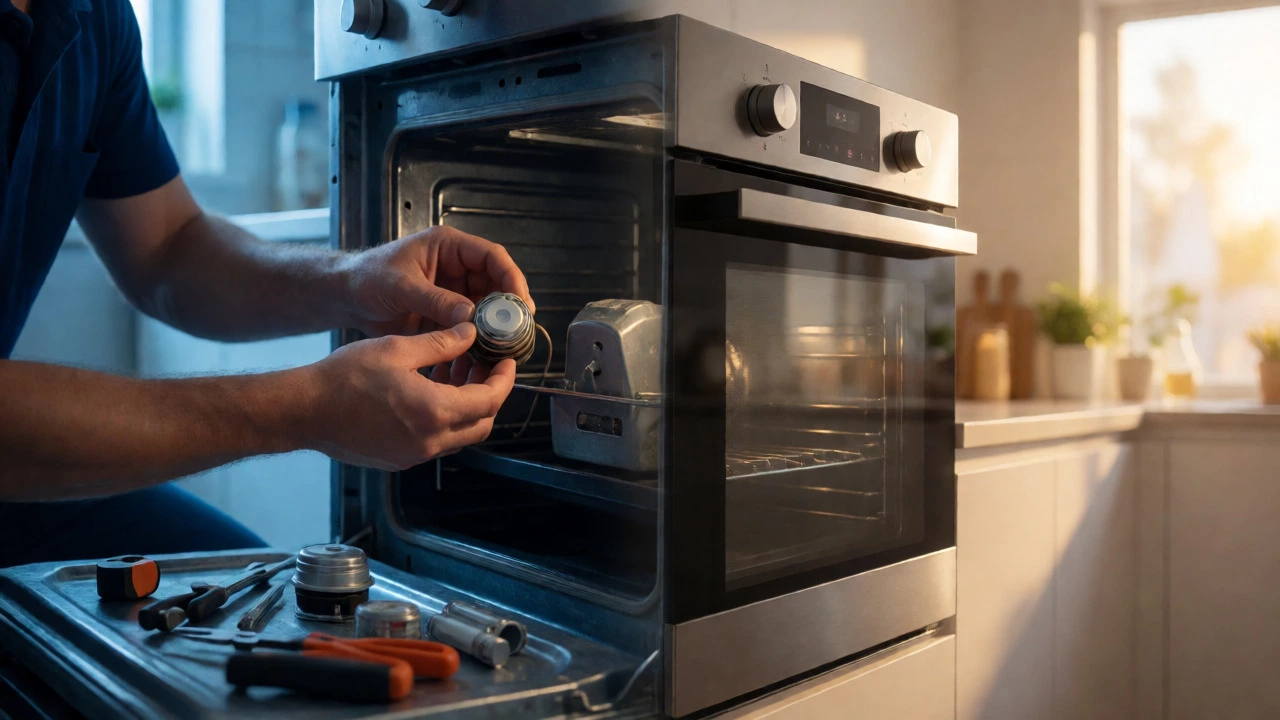
Repair vs. Replace: The Decision Matrix
So, your oven broke. Should you call a technician or go shopping? Here’s a simple rule of thumb used by many repair pros in New Zealand and Australia: The 50% Rule. If the repair cost exceeds 50% of the price of a comparable new oven, replace it. If it’s less, repair it.
But context matters. Consider the age of the unit. If your oven is 5 years old and the control board fails, pay the $400 to fix it. You still have 5+ years of life left. If it’s 14 years old, even a $200 repair might be throwing good money after bad, especially since newer models are significantly more energy-efficient. Modern ovens use better insulation and faster heating elements, which can lower your electricity bills slightly over time.
Also, check the availability of parts. Brands like Smeg or Gaggenau often have parts available for 10-15 years after production stops. Generic brands or discontinued models might leave you waiting weeks for a part, or worse, unable to find one at all. Before authorizing a repair, ask your technician: "Is this part readily available, or will it take months to source?"
When to Call a Professional
Some jobs are DIY-friendly; others are dangerous. Replacing a heating element is straightforward: unplug the oven, remove two screws, swap the coil, plug back in. But anything involving gas lines (if you have a dual-fuel setup), internal wiring harnesses, or the main control board should be handled by a licensed professional. Incorrect wiring can lead to electrical fires or shock hazards.
In Wellington, humidity can affect electronics. If you notice corrosion on terminals, don’t just clean it off-have a pro inspect the extent of the damage. Salt air and moisture accelerate rust in coastal areas, potentially compromising the structural integrity of mounting brackets and internal chassis.
Ultimately, your electric oven is a durable machine designed to withstand intense heat and daily abuse. With proper care, hitting the 15-year mark is entirely realistic. Treat it well, listen to its noises, and address small issues before they become big ones, and it’ll reward you with thousands of perfectly baked loaves of bread.
Is it worth repairing a 15-year-old oven?
Generally, no. At 15 years, most components are near the end of their service life. Unless the repair is very cheap (like a door seal or light bulb), investing in a new oven is usually more cost-effective due to improved energy efficiency and reliability.
Do electric ovens last longer than gas ovens?
They often do. Gas ovens have more complex ignition systems and valves that can corrode or clog. Electric ovens have fewer moving parts, primarily heating elements and fans, which tend to have a longer predictable lifespan.
How often should I clean my oven to extend its life?
Wipe up spills immediately after the oven cools. Perform a deep clean every 3 to 6 months. Avoid using the self-clean feature more than twice a year, as the extreme heat stresses the enamel and glass.
Why does my oven smell like burning plastic?
This often indicates overheating wires or melting insulation near the heating elements or control panel. Turn off the oven immediately and consult a technician, as this can be a fire risk.
Does leaving the oven door open help it last longer?
No. Leaving the door open during cleaning is fine, but leaving it ajar during storage allows dust and debris to enter the cavity, potentially damaging the fan motor or sensors. Keep it closed when not in use.