
Washing Machine Repair vs. Replace Calculator
Input Your Details
Your Result
Enter details and click "Get Recommendation" to see if you should repair or replace your washer.
That loud thumping noise during the spin cycle isn’t just annoying; it’s a warning sign. You’re staring at your trusty washing machine, wondering if it’s time to toss it or try to fix it. The short answer? Most modern units last between 8 and 12 years. But that number swings wildly depending on whether you bought a cheap top-loader or a premium front-loader.
I’ve seen machines run for 20 years with basic care, and I’ve seen brand-new ones fail in two months because of poor installation. Knowing exactly how long your specific unit should last saves you from throwing good money after bad-or replacing a perfectly good machine too early. Let’s break down what determines that lifespan and how to stretch it out.
The Average Lifespan: What the Data Says
If you look at industry standards from organizations like the Consumer Reports, the median lifespan for a washing machine is about 11 years. However, "median" doesn’t mean "guaranteed." It means half of all machines die before this mark, and half survive past it.
Here is the reality based on type:
- Top-Loading Machines (Agitator): These are the workhorses. They often last 10 to 14 years. Their mechanical simplicity means fewer parts to break, though they can be harsher on clothes.
- High-Efficiency Top Loaders: Expect 9 to 11 years. They use less water but rely more on complex electronics and sensors.
- Front-Loading Machines: These typically last 10 to 13 years. While durable, their drum seals and bearings are prone to failure if not maintained properly.
The key takeaway? If your machine is over 10 years old and starts making strange noises, you’re likely looking at major component failure rather than a simple fix.
Signs Your Machine Is Near Its End
You don’t need a crystal ball to know when your washer is dying. Pay attention to these three critical signals. If you see two or more of these within a six-month period, it’s time to start shopping for a replacement.
- Frequent Repairs: If you’ve had to call a technician more than twice in the last year, the cost of repairs will soon exceed the value of the machine. A rule of thumb: if the repair costs more than 50% of the price of a new unit, buy new.
- Poor Cleaning Performance: Clothes coming out stained, smelling musty, or feeling stiff indicate that the drum, pump, or suspension system is failing. No amount of cleaning cycles will fix internal wear.
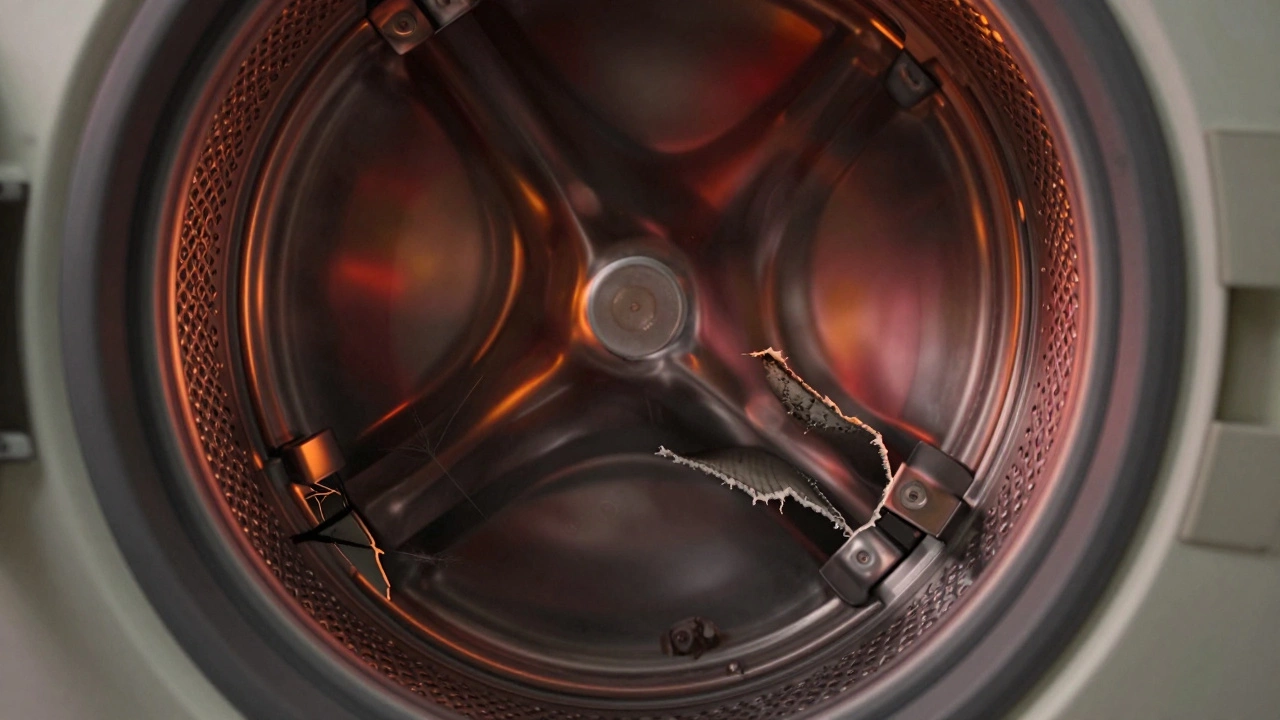
- Excessive Noise or Vibration: Loud banging, screeching, or walking across the floor suggests worn-out shock absorbers, broken spider arms, or failing bearings. These are expensive fixes that rarely extend life by more than a year.
Factors That Shorten Lifespan
Why did your neighbor’s 15-year-old machine still run while yours died at eight? It usually comes down to usage habits and environment. Here are the biggest killers of washing machines.
Overloading
This is the number one mistake. Packing clothes tightly restricts water flow and puts immense stress on the motor and suspension rods. Always leave room for clothes to tumble freely. Overloading causes premature wear on the drive belt and motor bearings.
Hard Water Damage
If you live in an area with hard water, mineral buildup coats the heating element, drum, and internal pipes. This reduces efficiency and causes corrosion. Installing a water softener can add several years to your machine’s life by preventing scale accumulation.
Poor Ventilation (For Front Loaders)
Front-loaders trap moisture inside the door seal, leading to mold and mildew. This isn’t just a smell issue; the acidic environment corrodes metal parts and degrades rubber gaskets. Always leave the door slightly ajar after use to let air circulate.
Electrical Surges
Modern washers have sensitive control boards. Power spikes from storms or grid fluctuations can fry these electronics instantly. Using a surge protector adds a layer of defense against unexpected death.
Repair vs. Replace: Making the Right Call
Deciding whether to fix or replace is often emotional. We want to believe our appliances are forever. But financially, it’s a cold calculation. Use this decision matrix.
| Situation | Action | Reasoning |
|---|---|---|
| Machine is under 7 years old | Repair | You haven’t reached the end of its expected lifespan. Parts are likely covered under warranty or still durable. |
| Machine is 8-10 years old | Assess Cost | If repair is under $300, fix it. If over $300, consider replacing, as major failures may follow. |
| Machine is over 10 years old | Replace | New models are significantly more efficient. Older parts may be discontinued, making future repairs impossible. |
| Drum or Motor Failure | Replace | These are core components. Replacing them costs nearly as much as a new machine. |
| Minor Issues (Hoses, Belts, Sensors) | Repair | Cheaper than $100 and extends life by 1-2 years easily. |
Note that energy efficiency matters. A 15-year-old machine uses roughly 30% more electricity and 50% more water than a modern Energy Star-rated model. The savings on utility bills can offset the cost of a new machine within 3-4 years.
How to Extend Your Washing Machine’s Life
You can push your machine toward the upper end of its lifespan with consistent maintenance. These steps take minutes but prevent costly breakdowns.
- Clean the Filter Monthly: Both top and front loaders have debris filters. Clogged filters strain the pump and cause drainage issues. Locate it behind a small panel (front loaders) or inside the agitator (top loaders).
- Use High-Efficiency Detergent Only: Regular detergent creates excessive suds in HE machines, which damages the motor and sensors. Check your bottle label carefully.
- Run a Maintenance Cycle Quarterly: Use a washing machine cleaner or white vinegar to flush out residue from the drum and hoses. This prevents odors and corrosion.
- Level the Machine Properly: An unlevel washer vibrates excessively, loosening bolts and damaging the suspension system. Use a bubble level to adjust the feet until it sits perfectly flat.
- Inspect Hoses Annually: Rubber hoses degrade over time. Look for cracks, bulges, or leaks. Replace supply hoses every 5 years to avoid flood damage.
Brand Reliability: Do Some Last Longer?
Not all brands are created equal. While individual experiences vary, reliability data from consumer surveys highlights some trends.
Whirlpool and Maytag consistently rank high for durability due to their widespread availability of parts and straightforward mechanical designs. LG and Samsung offer great features but sometimes suffer from electronic control board failures earlier in their lifecycle. Speed Queen machines are built to last 25+ years but come at a premium price point and lack modern efficiency features.
Choosing a brand with strong local service support is just as important as the brand itself. If no technicians in your area carry parts for a specific model, its effective lifespan ends when that first major part breaks.
Environmental Impact of Early Replacement
Replacing a working machine contributes to e-waste. Washing machines contain steel, copper, plastic, and hazardous materials like refrigerants (in heat-pump dryers). Landfills struggle to process these components.
If your machine works but is inefficient, consider repairing it until it reaches true end-of-life. When you do replace it, recycle the old unit through manufacturer take-back programs or local scrap metal facilities. This ensures proper disposal of metals and reduces environmental harm.
Is it worth repairing a 10-year-old washing machine?
It depends on the repair cost. If the fix is under $300 and involves minor parts like belts or sensors, yes. If it requires replacing the motor, drum, or control board, it’s better to buy a new, more efficient model.
Do front-loading washing machines last longer than top-loading ones?
They have similar lifespans (10-13 years), but front-loaders require more maintenance to prevent mold and bearing issues. Top-loaders are mechanically simpler and often easier to repair, which can extend their usable life.
What kills a washing machine fastest?
Overloading is the biggest culprit. It strains the motor, suspension, and drum bearings. Hard water buildup and electrical surges also significantly shorten lifespan by causing internal corrosion and electronic failure.
How can I tell if my washing machine needs professional repair?
Call a pro if you notice persistent leaking, unusual grinding or banging noises, failure to drain, or error codes that persist after resetting the machine. DIY fixes are only safe for clogged filters or loose hoses.
Does using cold water extend the life of my washing machine?
Yes. Cold water cycles reduce stress on the heating element and motor. Since most stains respond well to modern detergents in cold water, switching to cold washes saves energy and reduces wear on internal components.