
Boiler Service Time Estimator
Estimate Your Boiler Service Time
Select the conditions affecting your boiler service time. Standard service takes 60-90 minutes. Additional issues add time.
Additional Issues
Estimated Service Time
When your boiler starts making strange noises or isn’t heating the house like it used to, the first question you ask is: how long will it take a plumber to service it? The answer isn’t one-size-fits-all. Some jobs wrap up in under an hour. Others can stretch into a full afternoon. It all depends on what’s wrong, how old the boiler is, and whether it’s been serviced before.
Typical Boiler Service: What’s Included?
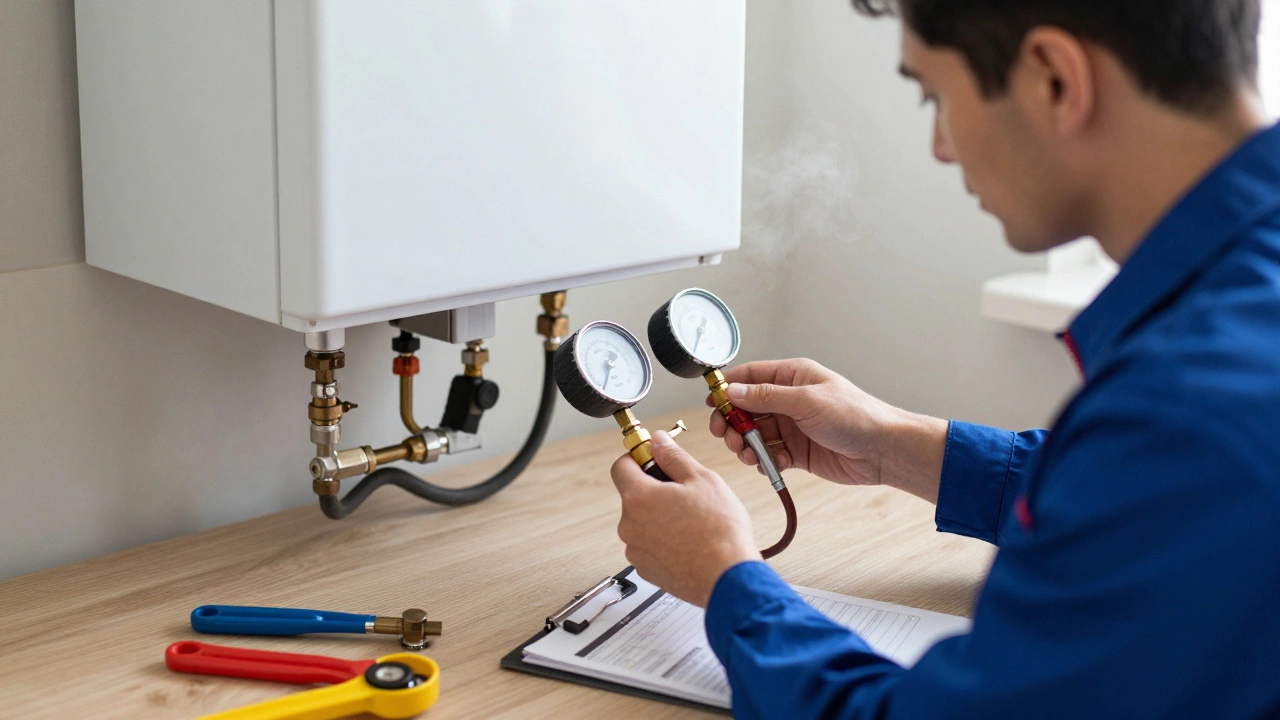
A standard boiler service isn’t just a quick check. It’s a full diagnostic and tune-up designed to keep your system running safely and efficiently. A qualified plumber will:
- Check the gas pressure and flow
- Inspect the heat exchanger for cracks or corrosion
- Test the safety devices like the thermostat and pressure relief valve
- Clean the burner and flue passages
- Verify the boiler’s combustion efficiency
- Look for signs of leaks or water damage
- Clear any blockages in the condensate pipe
- Give you a service report with recommendations
This isn’t a quick vacuum-and-go. It’s a methodical process that usually takes between 60 and 90 minutes for a standard, well-maintained boiler.
What Slows Down the Job?
Not all boilers are created equal. If yours has been neglected, or if it’s an older model, expect delays. Here’s what can turn a 1-hour job into a 3-hour one:
- Sludge buildup - Years of rust and debris in the system can clog pipes and filters. Cleaning this out takes extra time and sometimes requires a power flush.
- Outdated parts - Boilers over 15 years old often have parts that are no longer made. The plumber might need to order replacements, which means a second visit.
- Gas leaks - Even a small leak requires the system to be shut off, pressure tested, and repaired. This adds at least 45 minutes.
- Hard water - In areas like Wellington, where water hardness is common, limescale builds up fast. Descaling the heat exchanger can take hours.
- Multiple issues - If the boiler isn’t just noisy but also leaking, losing pressure, and not igniting, each problem needs separate attention.
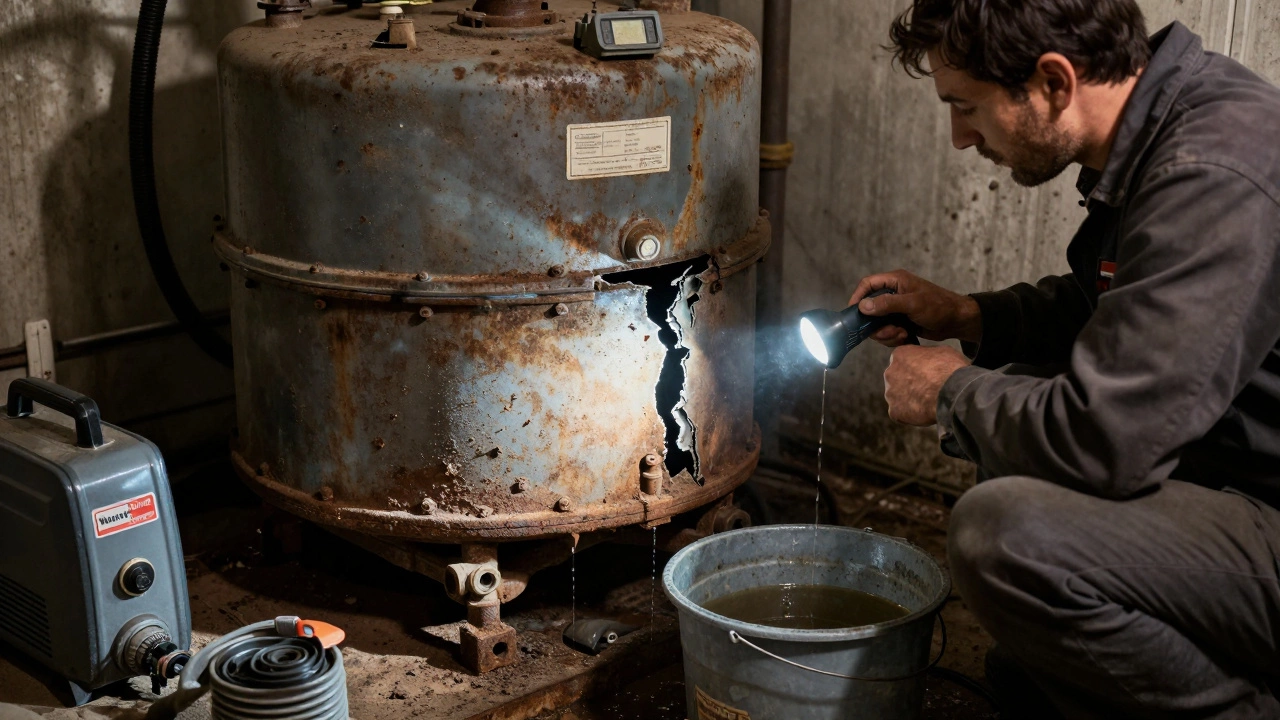
One plumber I worked with in Porirua once spent 4 hours on a 1998 Worcester boiler. The burner was seized, the pump was rusted, and the flue was blocked with bird nests. It wasn’t just a service - it was a rescue mission.
How Often Should You Service Your Boiler?
Most manufacturers recommend an annual service. But in New Zealand, where winters are damp and heating systems run hard, once a year is the bare minimum. If you’ve got an older boiler, or if you notice:
- Yellow flames instead of blue
- Increased gas bills
- Strange smells (like rotten eggs)
- Water pooling around the unit
Then don’t wait. Book the service before winter hits. Delaying can lead to a breakdown in the coldest month - and those emergency callouts cost more and take longer to schedule.
Emergency vs. Scheduled Service
There’s a big difference between a planned service and an emergency call. If your boiler dies in January, you’re not getting a full service. You’re getting a quick fix: ignition reset, pressure check, maybe a new part if it’s in stock. That might take 30 to 60 minutes - enough to get heat back on, but not enough to prevent future issues.
Plumbers prioritize emergencies, so if you book a service ahead of time, you get:
- Full diagnostic time
- Access to tools for deep cleaning
- No rush to leave
- A written report
That’s why scheduling your boiler service in late summer or early autumn is the smart move. You avoid the winter rush, and you get a proper job done.
Can You Do It Yourself?
You might think, “I’ll just clean the filter and reset the pressure.” That’s fine - and you should. But here’s the catch: only licensed plumbers can legally work on gas lines in New Zealand. Even checking gas pressure requires calibrated tools and training. Tampering with a boiler without proper certification isn’t just risky - it’s illegal, and it voids your warranty.
Plus, a lot of boiler failures aren’t obvious. A hairline crack in the heat exchanger won’t show up on a visual check. It only shows up under pressure testing. That’s why skipping professional service is like skipping a car’s MOT - you might get away with it for a while, but the next failure could be dangerous.
What to Expect When the Plumber Arrives
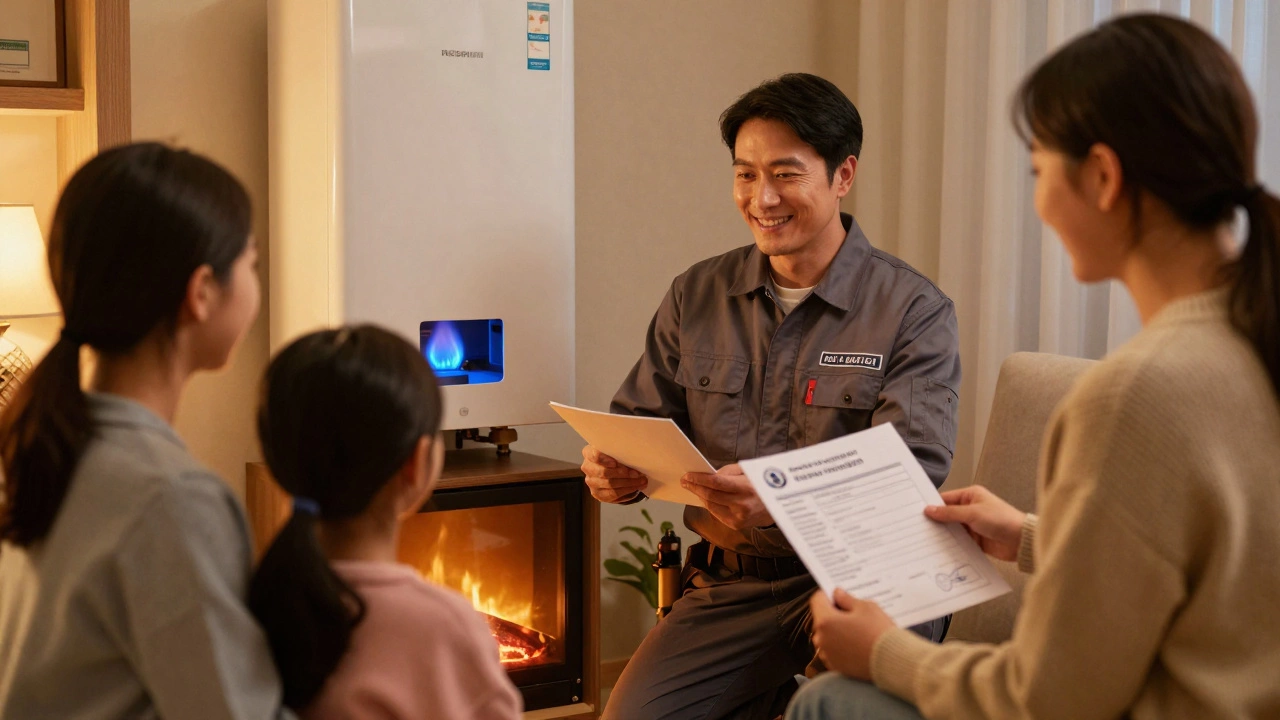
When the plumber shows up, they’ll ask a few questions:
- How long has it been since the last service?
- Have you noticed any changes in heating or noise?
- Is the boiler under warranty?
They’ll also check the boiler’s serial number and model. Older boilers (like the Vaillant Ecotec 612 or Worcester Greenstar 24i) have known issues. A good plumber will know what to look for.
Don’t be surprised if they ask to see your gas safety certificate. Landlords and insurers often require proof of annual servicing. If you don’t have one, they’ll give you a new one after the job.
How Much Does It Cost?
In Wellington, a standard boiler service costs between $180 and $280. That includes labor, inspection, and a service report. If they need to replace a part - like a pump or ignition system - expect to pay extra. A new pump runs $150-$300. A full power flush? That’s another $400-$600.
Some companies offer annual service plans. For around $200-$300 a year, you get:
- Priority booking
- Discounted parts
- 24/7 emergency cover
- Free annual safety checks
If you’re on a fixed income or have an older home, these plans often pay for themselves in one year.
Signs Your Boiler Needs More Than a Service
Not every problem can be fixed with a clean and check. If your boiler:
- Keeps locking out after a service
- Has water stains on the wall behind it
- Is over 15 years old
- Costs more to repair than to replace
Then it’s time to consider a replacement. A new A-rated condensing boiler can cut your heating bill by 30% and last 15-20 years. Sometimes, the best service is knowing when to walk away.
How long does a boiler service usually take?
A standard boiler service typically takes between 60 and 90 minutes. This includes checking gas pressure, cleaning components, testing safety systems, and inspecting for leaks. If the boiler is old, has sludge buildup, or has multiple issues, it can take up to 3 hours.
Can I service my boiler myself?
No. In New Zealand, only licensed plumbers can legally work on gas boilers. Even simple tasks like checking gas pressure require special tools and certification. Attempting to service your boiler yourself can be dangerous, void your warranty, and break the law.
How often should I service my boiler?
You should service your boiler once a year. In New Zealand’s damp climate, boilers work harder and accumulate limescale and sludge faster. Skipping annual servicing increases the risk of breakdowns, higher energy bills, and carbon monoxide leaks.
What’s the difference between a service and an emergency repair?
A service is a full inspection and tune-up that takes 60-90 minutes. An emergency repair is a quick fix - resetting the boiler, checking pressure, or replacing one part - to get heat back on fast. Emergency repairs usually take 30-60 minutes but don’t address underlying issues.
Should I replace my boiler if it’s over 15 years old?
If your boiler is over 15 years old and needs frequent repairs, replacement is usually the better choice. New condensing boilers are 30% more efficient, last longer, and come with modern safety features. Repairing an old boiler often costs more than replacing it over time.