
Washing Machine Repair vs. Replace Calculator
Use this tool to determine if it's financially smarter to fix your current washer or buy a new one. Based on industry standards and the "50% Rule".
Recommendation
- Repair Cost:
- New Unit Price:
- Repair % of New:
- Est. Remaining Life:
- Payback Period (Replace):
- Future Risk Factor:
You’re standing in the laundry room, staring at your washing machine as it makes that grinding noise you’ve never heard before. Is this the end of its life, or just a bad day? Most people assume appliances last forever until they suddenly stop working, but the reality is much more nuanced. The average lifespan isn't a fixed number; it’s a range heavily influenced by how you use it, what you buy, and where you live.
If you are trying to decide whether to call a technician for a washing machine repair or start shopping for a replacement, you need realistic expectations. In New Zealand, where humidity can play havoc with electronics and hard water is common in many regions, understanding these factors is crucial. Let’s break down exactly how long you should expect your washer to stick around, why some die young while others hit double digits, and when it actually makes financial sense to fix versus replace.
The Real Numbers: What Does "Average" Mean?
Industry standards often cite a generic figure, but let’s get specific. According to data from major manufacturers like Whirlpool and Samsung, the typical lifespan of a modern washing machine sits between 10 and 15 years. However, this is an optimistic upper limit. In practical terms, especially with budget models found in rental properties or entry-level retail tiers, you might see failures starting as early as year seven.
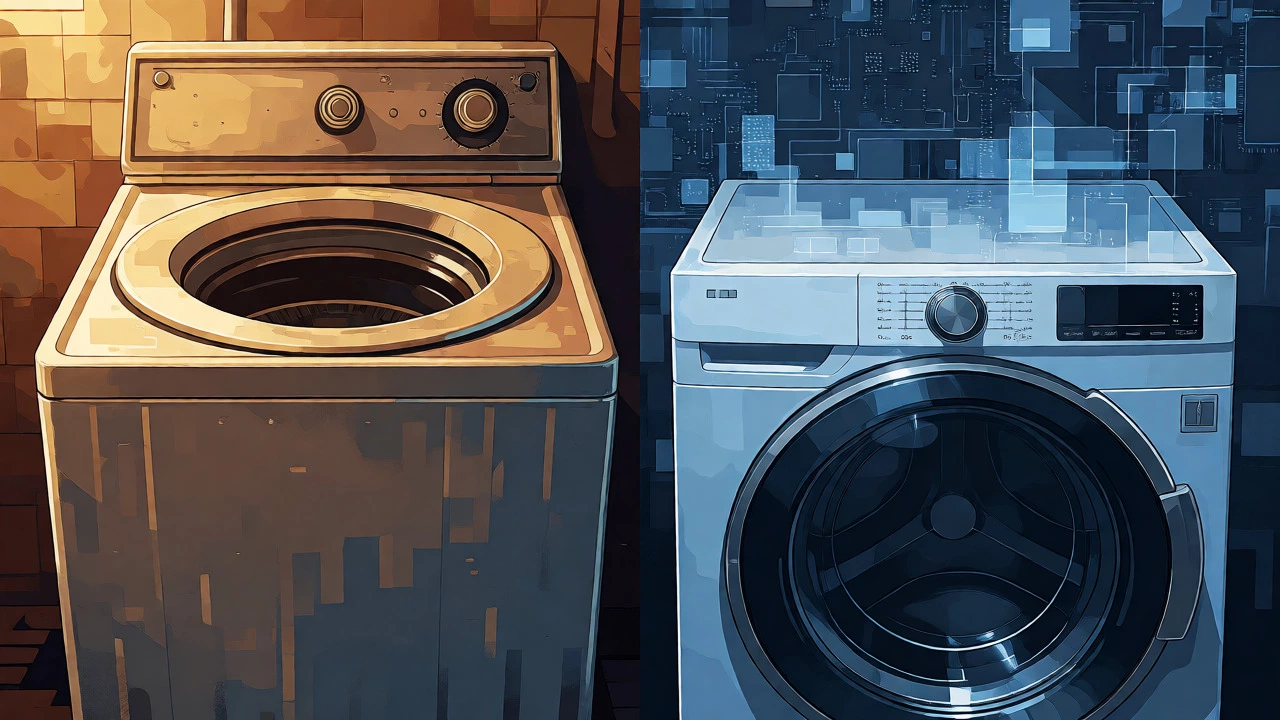
Why the discrepancy? It comes down to build quality versus feature complexity. Older mechanical washers had fewer electronic components to fail. Today’s smart washers have circuit boards, digital displays, and complex sensors. While these features are convenient, each added component is another potential point of failure. If you bought a high-end brand known for commercial-grade parts, you’re closer to the 15-year mark. If you grabbed a bargain bin special during Black Friday sales, prepare for a shorter ride.
| Washer Type | Average Lifespan (Years) | Common Failure Point | Best For |
|---|---|---|---|
| Top Loader (Agitator) | 10-12 | Motor Coupling / Lid Switch | Budget-conscious users |
| Front Loader | 8-10 | Door Seal / Bearings | Energy efficiency / Small spaces |
| High-Efficiency Top Loader | 9-11 | Pump Filter / Control Board | Large families |
| Commercial Grade | 15+ | Minor wear items | Heavy daily use |
Brand Matters More Than You Think
Not all brands are created equal. When we talk about longevity, we aren’t just talking about marketing hype; we’re looking at supply chain consistency and part availability. Brands like Miele invest heavily in metal internal components rather than plastic. A Miele washer might cost three times as much upfront, but if it lasts 20 years instead of 8, the cost per load is significantly lower. On the flip side, some mass-market brands prioritize low price points by using thinner metals and cheaper plastics that degrade faster under heat and vibration.
In the New Zealand market, you’ll see a mix of global giants like LG, Samsung, and Bosch, alongside older favorites like Fisher & Paykel. Fisher & Paykel, being a local favorite, often has better support networks here, which indirectly extends lifespan because repairs are easier to source. Conversely, if a brand exits the NZ market or changes suppliers frequently, finding spare parts for a five-year-old model becomes a nightmare, effectively ending the machine's life prematurely.
Usage Habits That Kill Washers Early
You can buy the best tank on the road, but if you drive it into a wall every week, it won’t last. Your habits dictate the timeline more than the brand name. Here are the biggest culprits behind premature death:
- Overloading: This is the number one killer. Stuffing the drum past its capacity strains the motor and bearings. If you have to push clothes down to close the door, you’ve overloaded it. Aim to fill the drum loosely, leaving a hand’s width of space at the top.
- Neglecting Maintenance: Front loaders require regular cleaning of the door gasket. Mold and grime buildup there doesn’t just look bad; it causes leaks that rust out the chassis. Similarly, ignoring the drain pump filter leads to blockages that burn out the pump motor.
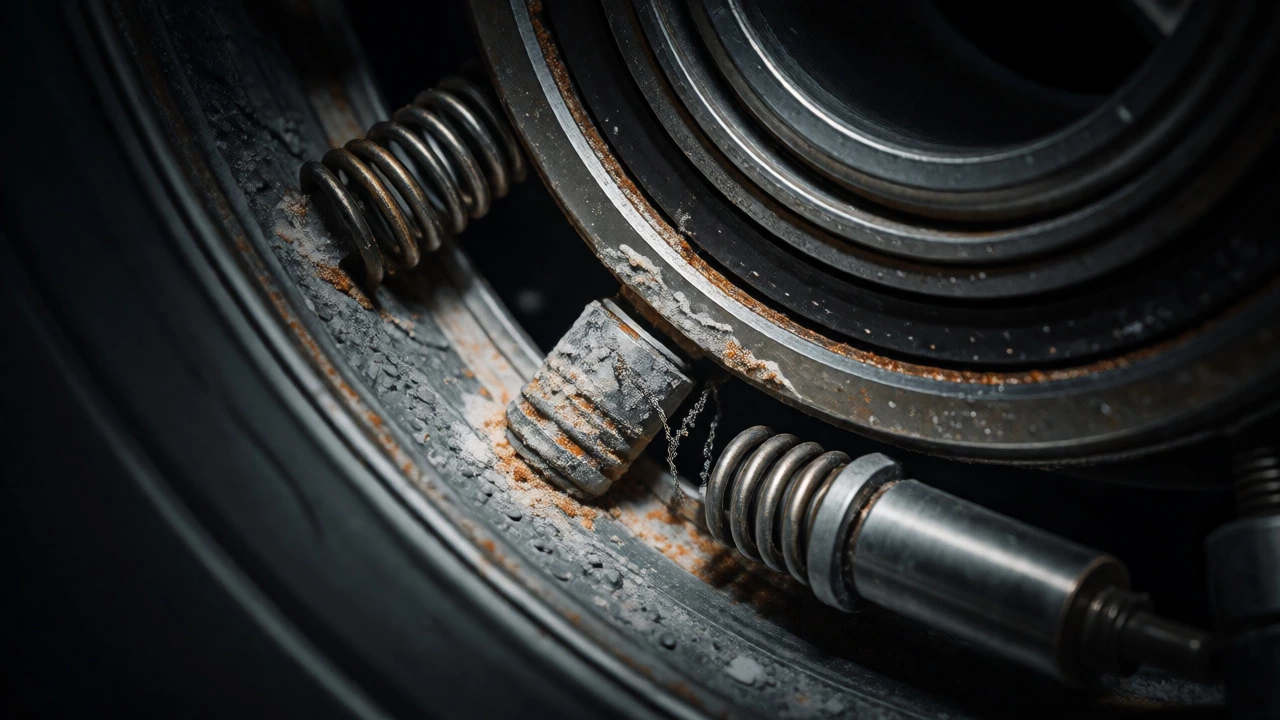
- Ignoring Imbalance: If your washer walks across the floor or shakes violently, the shock absorbers or suspension springs are failing. Continuing to run cycles in this state destroys the drum bearings, turning a $150 repair into a $600 job or a total write-off.
Signs Your Washer Is Nearing the End
How do you know when the end is near? It’s rarely sudden. Your machine gives you warnings. Listen for changes in sound. A rhythmic clunking usually means something loose inside the drum, like a coin or wire. But a loud roaring or rumbling during the spin cycle? That’s typically worn-out drum bearings. Replacing bearings is labor-intensive and expensive, often costing 50-70% of a new machine’s price.
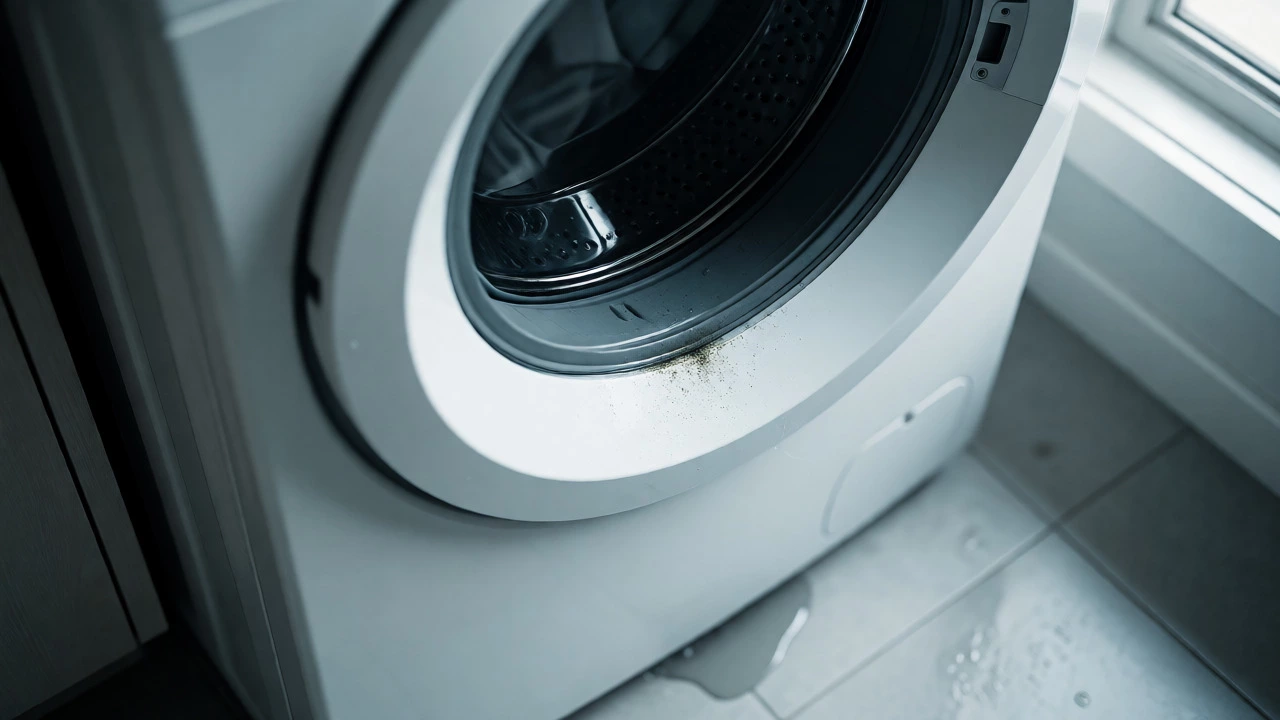
Look for physical signs too. Rust spots on the exterior casing suggest moisture intrusion, which can corrode internal wiring. If you notice water pooling underneath even after checking hoses, the tub seal might be leaking. Once water gets into the control board area, corrosion sets in fast. If your machine starts displaying random error codes that clear up only after unplugging it for hours, the main PCB (Printed Circuit Board) is likely failing due to age and heat stress.
Repair vs. Replace: The Financial Breakdown
This is the big question. Do you fix it or ditch it? There is a simple rule of thumb used by professional technicians: The 50% Rule. If the cost of the repair exceeds 50% of the price of a comparable new machine, replace it. But you also need to consider the remaining useful life.
Let’s say you have a 12-year-old washer. The bearing repair costs $400. A new equivalent model costs $800. Technically, $400 is less than $800, so you fix it. But will that repaired machine last another 5 years? Probably not. At 12 years old, other components (motor, pump, belts) are likely near their end too. You’re throwing good money after bad. Conversely, if the machine is only 5 years old and the repair is $200, fixing it is almost always the smarter move.
Also, factor in energy efficiency. Newer models use significantly less water and electricity. If your old machine is a power hog, the savings on utility bills over the next few years might offset the higher purchase price of a new unit. Check the energy star rating on the new unit compared to your current one. In Wellington, where hydroelectricity is abundant but still costly, these differences add up.
Extending the Life of Your Current Machine
Want to squeeze a few extra years out of your current setup? It’s possible with minor tweaks. First, level your machine. Use a spirit level to ensure it’s perfectly flat. An unlevel washer vibrates excessively, causing micro-damage to joints and seals over time. Second, leave the door ajar after every wash. This allows airflow to dry out the interior, preventing mold growth in rubber seals and reducing odors.
Third, clean the filter monthly. Many modern machines have self-cleaning pumps, but debris still accumulates. A clogged filter forces the pump to work harder, shortening its life. Finally, avoid using excessive detergent. Modern high-efficiency detergents produce fewer suds. Using too much creates excess foam, which can overflow into the electronics housing and cause short circuits. Stick to the recommended dose-usually less than you think.
Is it worth repairing a 10-year-old washing machine?
It depends on the brand and the fault. If it’s a premium brand like Miele or Asko, yes, because parts are durable. For standard brands, if the repair cost is under $200 and it’s not a major structural issue like a cracked tub, it’s often worth it. However, if the repair involves the drum bearings or control board, replacement is usually more economical given the limited remaining lifespan.
Which type of washing machine lasts longer, front or top loader?
Traditionally, top loaders with agitators have simpler mechanics and tend to last slightly longer, averaging 10-12 years. Front loaders are more efficient but rely on complex seals and bearings that are prone to wear, averaging 8-10 years. However, high-quality front loaders from reputable brands can easily exceed 15 years with proper maintenance.
Does hard water shorten washing machine life?
Yes, significantly. Hard water leaves mineral deposits (scale) on heating elements and valves. This scale acts as insulation, causing heaters to overheat and fail. It also restricts water flow, putting strain on pumps. In areas with very hard water, descaling treatments or installing a water softener can extend the life of critical components by several years.
What are the most common reasons washing machines fail?
The top three causes are drain pump blockages, failed door locks (on front loaders), and worn-out drum bearings. Electronic control board failures due to power surges or moisture ingress are also increasingly common in newer models. Regular maintenance of filters and keeping the machine dry can prevent many of these issues.
Can I make my washing machine last 20 years?
Reaching 20 years is rare for modern domestic machines but possible with high-end models and meticulous care. Key strategies include avoiding overloads, cleaning the lint filter and pump regularly, ensuring the machine is level, and addressing small noises immediately before they become major repairs. Commercial-grade residential units are your best bet for this milestone.