

Dryer Repair vs. Replace Calculator
Enter Your Details
Ready to Calculate
Enter your values to see if you should fix or buy a new unit.
You stare at the laundry basket. It’s overflowing. You toss the clothes in, hit start, and wait. But instead of warm, fresh towels, you get cold, damp fabric or, worse, silence. The machine has given up. This is the moment every homeowner dreads: realizing your appliance might be on its last legs. But before you rush out to buy a new unit, you need to know one critical thing: how many years does a dryer actually last?
The short answer is about 13 years. That is the average lifespan for most household dryers according to major consumer reports and appliance manufacturers. However, this number isn't set in stone. Some units die after five years due to neglect, while others chug along for twenty because they are well-maintained gas models with simple mechanics. Knowing where your specific machine stands can save you hundreds of dollars in unnecessary repairs or prevent a safety hazard.
Electric vs. Gas: The Lifespan Divide
Not all dryers are created equal. The fuel source is the single biggest factor in determining longevity. If you own an electric dryer, you are looking at an average life expectancy of roughly 10 to 13 years. These machines rely on heating elements made of metal coils that expand and contract with every cycle. Over time, these elements become brittle and snap. It’s a slow, inevitable process of thermal fatigue.
Gas dryers, on the other hand, typically last longer, often reaching 15 to 20 years. Why? Because their heating mechanism is different. Instead of fragile electric coils, they use a gas burner and a heat exchanger. While gas dryers have more complex parts like igniters and gas valves, the core heating system is generally more robust and less prone to the sudden failure common in electric heating elements. If you are buying a new unit today and want it to last, a high-efficiency gas model is usually the winner for longevity, provided you have the gas line infrastructure.
| Dryer Type | Average Lifespan | Primary Failure Point |
|---|---|---|
| Standard Electric | 10-13 years | Heating Element |
| Gas | 15-20 years | Igniter / Thermal Fuse |
| Heat Pump (Condenser) | 12-15 years | Compressor / Fan Motor |
| Vented Drum | 13-18 years | Drive Belt / Motor |
The Hidden Killer: Lint and Venting Issues
If you think the age of the machine is the only factor, you are missing the biggest threat to your dryer’s life: lint. We talk about cleaning the lint trap after every load, but that is just the tip of the iceberg. The real danger lies in the exhaust vent. When lint builds up in the ductwork behind the machine, air cannot escape. The dryer has to work harder to push hot air out. This causes the internal temperature to spike dangerously high.
This overheating does two things. First, it cooks the plastic components inside the drum, causing them to warp or melt. Second, and more importantly, it creates a fire hazard. In Wellington, where we see a lot of older homes with long, flexible vinyl vent hoses, this is a common issue. A clogged vent can shorten a dryer’s life by half. If your clothes take two cycles to dry, your vent is likely blocked. Fixing this doesn’t just improve efficiency; it saves the motor from burning out prematurely.
Signs Your Dryer Is Ready to Retire
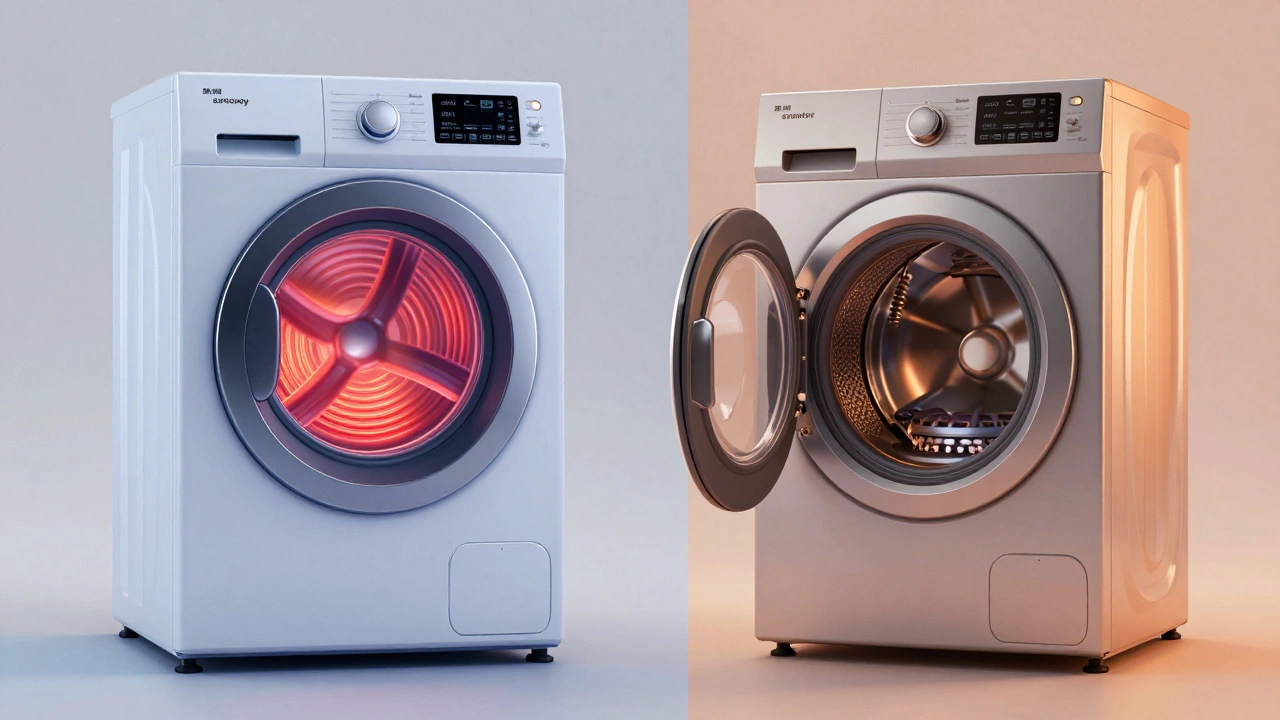
How do you know if your 12-year-old unit is still worth fixing? Look for these specific signs. If you notice any three of these, it is probably time to replace rather than repair:
- No Heat: The drum spins, but the clothes come out cold. In an electric dryer, this usually means the heating element has burned out. In a gas dryer, the igniter or thermal fuse may have failed. While fixable, if this happens alongside other issues, the cost adds up.
- Loud Noises: A squeaking sound often means the drum rollers or idler pulley are worn out. A thumping noise suggests a broken belt or a foreign object stuck between the drum and the cabinet. Grinding noises indicate bearing failure. Bearings are expensive to replace because accessing them requires disassembling almost the entire back of the machine.
- Long Dry Times: If a normal cycle used to take 45 minutes and now takes 90, the airflow is restricted. This could be a vent issue, but if the vent is clear, the blower wheel might be damaged or the motor is losing power.
- Drum Won't Spin: This is often a broken drive belt. Belts are cheap ($10-$20), but if the motor itself has seized, you are looking at a $150+ part plus labor. On an older machine, a dead motor is a death sentence.
- Frequent Resets: If you find yourself resetting the breaker or the control panel frequently, there is an electrical short or a failing control board. Control boards are complex electronic assemblies. Once they fail, they rarely come back.
Repair vs. Replace: The Math Behind the Decision
Let’s say your dryer is 10 years old and stops working. Should you pay $200 for a repair? Here is a simple rule of thumb used by professional technicians: the 50% rule. If the cost of the repair is more than 50% of the price of a new, comparable unit, replace it. New mid-range dryers cost between $600 and $900. So, if a repair quote comes in over $300-$450, you are better off buying new. You get a warranty, improved energy efficiency, and peace of mind.
However, consider the type of repair. Replacing a thermal fuse costs almost nothing in parts and minimal labor. It is a safety device that blows when the dryer overheats. Replacing it fixes the immediate problem and extends the life of the machine. But replacing the main motor or the control board on a 12-year-old unit? That is throwing good money after bad. Those are major components that suggest the rest of the machine is nearing the end of its functional life.
Extending Your Dryer's Life: Simple Maintenance
You can easily add 3-5 years to your dryer’s life with basic upkeep. It doesn’t require technical skills, just consistency.
- Clean the Vent Annually: Hire a professional or use a vent brush kit once a year to clear the entire duct run from the machine to the outside wall. This is non-negotiable for safety and efficiency.
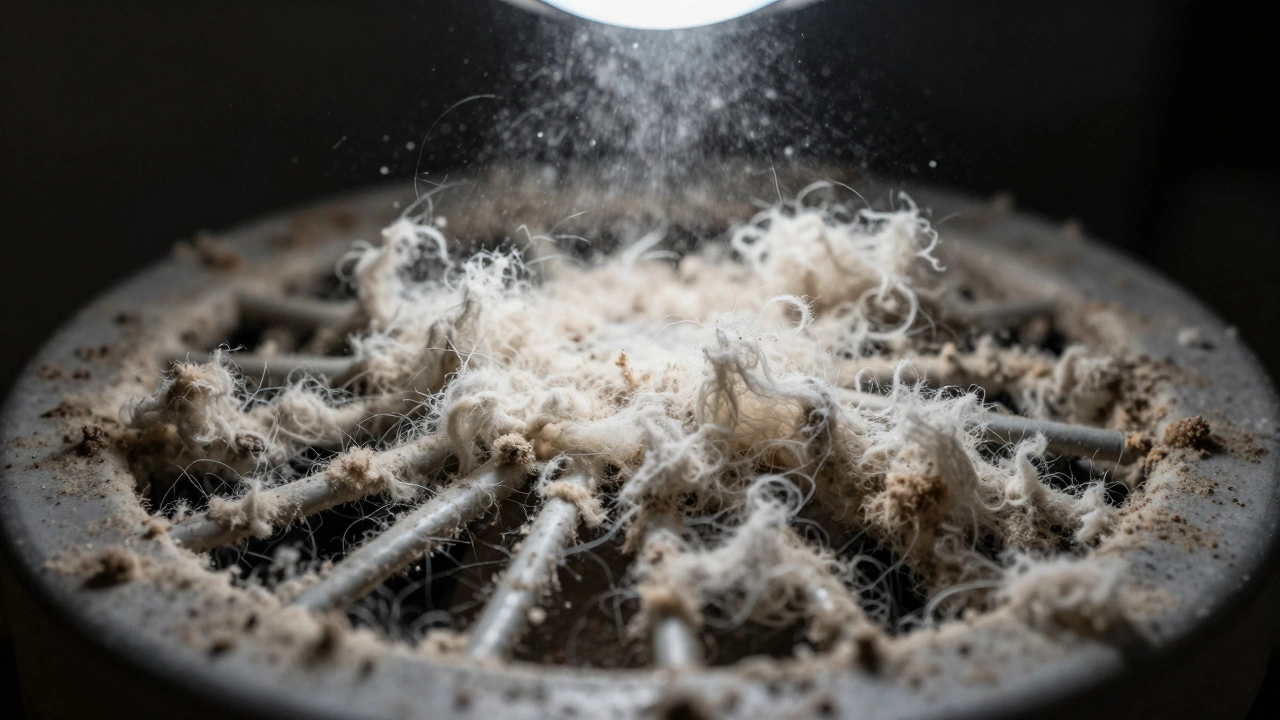
- Check the Lint Trap Screen: Sometimes the mesh screen gets clogged with fine fibers that don’t show up in the tray. Rinse it with water and soap occasionally to restore airflow.
- Don’t Overload: Cramping the drum prevents air circulation. Clothes need room to tumble. Overloading strains the motor and the suspension springs, leading to premature wear.
- Level the Machine: If your dryer shakes violently during the spin cycle, it is unlevel. Use a bubble level to adjust the feet. Excessive vibration damages the bearings and the cabinet structure over time.
- Inspect the Door Seal: A torn rubber gasket lets heat escape. The dryer works harder to maintain temperature. Replacing a door seal is a cheap DIY job that pays off in energy savings and reduced strain on the heater.
When to Call a Professional
Some problems are not safe for DIY. If you smell gas, stop using the dryer immediately and call a licensed technician. Never attempt to repair gas lines or ignition systems yourself. Similarly, if the issue involves the internal wiring or the control board, unless you are comfortable with multimeters and electrical schematics, leave it to the pros. Electrical shocks from capacitors can be dangerous even when the power is unplugged.
In New Zealand, finding a reliable appliance repair technician can sometimes mean waiting a few days. If your dryer breaks down in winter, having a backup plan-like using a laundromat or borrowing a friend’s machine-is wise. Don’t let a minor issue turn into a major inconvenience by ignoring early warning signs like unusual noises or slightly longer dry times.
Is it worth repairing a 15-year-old dryer?
Generally, no. At 15 years old, a dryer is beyond its average lifespan. Even if you fix one part, another will likely fail soon. The cost of parts and labor often exceeds the value of extending the life of an aging unit by a few months. Unless it is a very high-end commercial-grade model, replacement is usually the smarter financial choice.
Why does my dryer make a loud banging noise?
A loud banging noise usually indicates a broken drive belt that has slipped off its pulleys and is flapping around inside the cabinet. Alternatively, it could be a foreign object like a coin or button caught between the drum and the front bulkhead. Stop the machine immediately to prevent further damage to the drum or motor.
Can a clogged vent cause a dryer to catch fire?
Yes. Lint is highly flammable. When a vent is clogged, heat builds up inside the dryer and the ductwork. If the temperature gets high enough, the accumulated lint can ignite. This is why regular vent cleaning is the most important safety maintenance task for any homeowner.
How often should I clean the dryer vent?
You should clean the entire vent system at least once a year. If you have multiple pets that shed heavily, or if you wash large loads daily, consider cleaning it twice a year. Cleaning the lint trap after every load is essential, but it does not replace annual duct cleaning.
What is the most common reason dryers stop producing heat?
In electric dryers, the most common cause is a burned-out heating element. In gas dryers, it is usually a failed igniter or a blown thermal fuse. Both are relatively inexpensive parts to replace, but diagnosing which one is faulty requires testing with a multimeter.