

Quick Summary: Boiler Service Essentials
- Frequency: Once every 12 months.
- Primary Goal: Safety, efficiency, and maintaining your warranty.
- Key Checks: Gas pressure, flue integrity, and pump operation.
- Risk: Skipping services can lead to carbon monoxide leaks or total system failure.
Why the Annual Rule Exists
Most manufacturers and engineers stick to the twelve-month rule for a reason. A Boiler is a complex heating appliance that burns fuel-usually gas or oil-to heat water for your radiators and taps. Because it involves combustion, things can go wrong. Over a year, dust builds up, seals degrade, and components wear down. If you leave it for two or three years, you aren't just risking a breakdown; you're risking your safety.
Think of it like a car. You wouldn't drive 20,000 miles without checking the oil or the brakes. Your boiler is the heart of your home's infrastructure. When an engineer performs an Annual Boiler Service, they are looking for the small things that lead to big disasters. For example, a tiny crack in a heat exchanger can leak Carbon Monoxide, a colorless, odorless gas that is lethal if it builds up in your home. An annual check ensures your flue is venting these gases safely outside.
What Actually Happens During a Service?
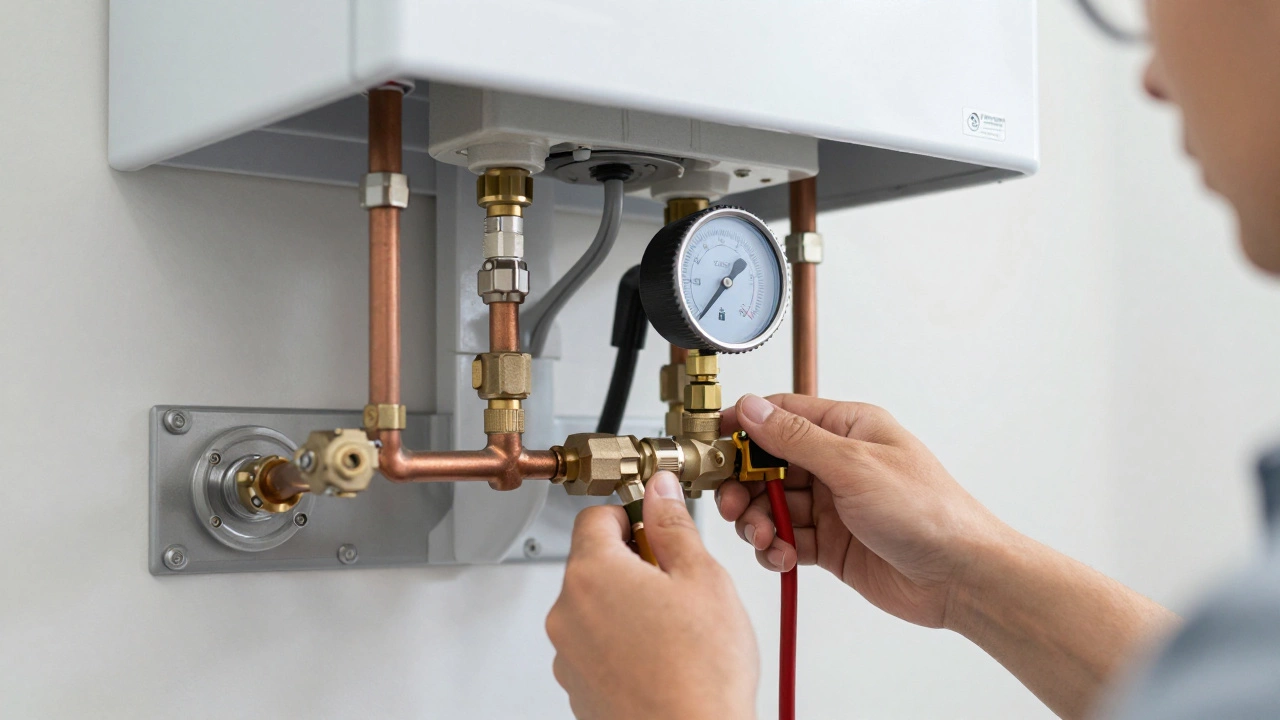
A lot of people think a service is just a quick glance and a thumbs-up. In reality, a professional technician follows a strict checklist. They start by checking the Gas Pressure to make sure the burner is firing correctly. If the mixture of gas and air is off, your boiler works harder, uses more fuel, and wears out faster.
Then they move to the Flue. This is the pipe that carries exhaust gases out of the house. They check for blockages-sometimes birds build nests in them-and ensure the seals are airtight. After that, they'll look at the Pump and the Expansion Vessel. If the pressure in your system is constantly dropping, it's often because the expansion vessel has lost its charge, which is a quick fix during a service but a major headache if ignored.
| Feature | Annual Service | Neglected Boiler |
|---|---|---|
| Fuel Bills | Optimized and lower | Higher due to inefficiency |
| Lifespan | Can last 15+ years | Prone to early failure |
| Safety | Verified and safe | Risk of CO leaks |
| Warranty | Remains valid | Usually voided |
The Warranty Trap
If you bought a new boiler in the last few years, you probably have a manufacturer's warranty. Here is the catch: almost every warranty explicitly states that the unit must be serviced annually by a qualified professional to remain valid. If your Heat Exchanger fails in year four, but you can't produce a service record for year two, the manufacturer will likely refuse the claim. You'll be paying thousands for a replacement that should have been free.
It's a simple trade-off. You pay a small amount for a yearly check-up to protect a multi-thousand-dollar investment. It's essentially an insurance policy for your plumbing.
Signs You Need a Service Immediately
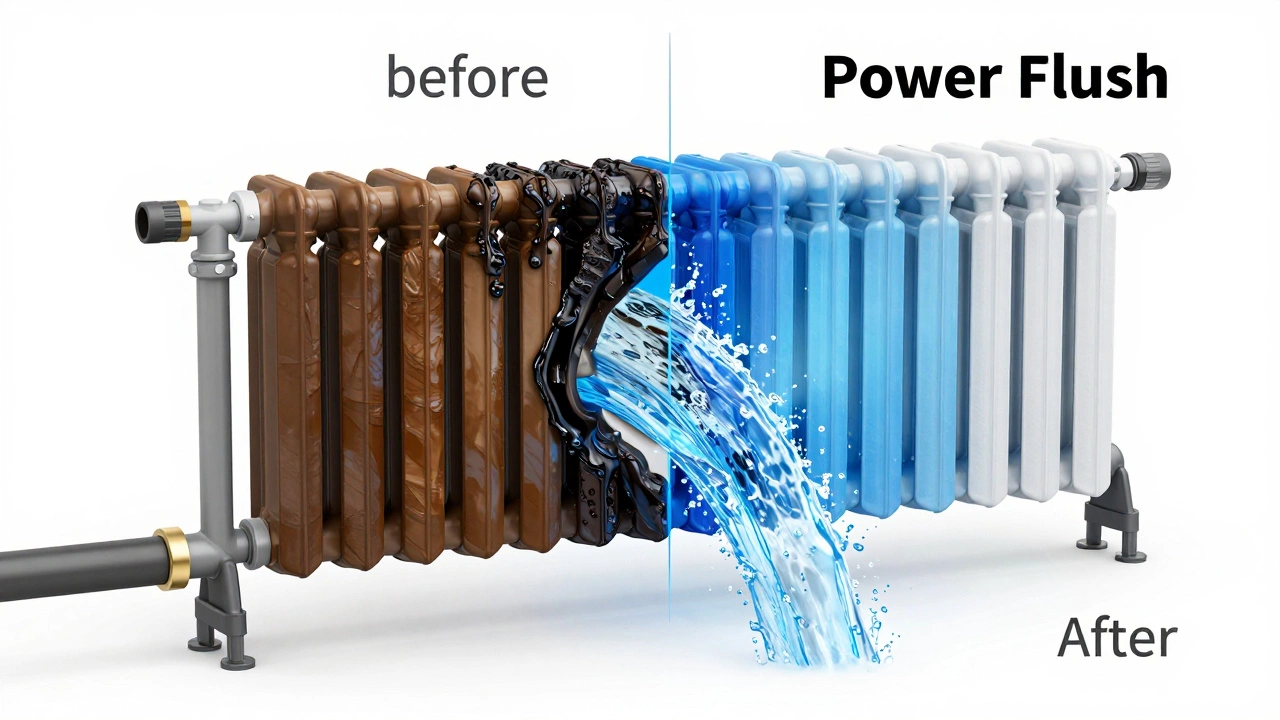
While the annual schedule is the gold standard, some situations require you to call an engineer sooner. Have you noticed your radiators are cold at the top but warm at the bottom? That's a sign of Sludge buildup in the system. Sludge is a collection of iron oxide and dirt that restricts water flow, forcing the boiler to work twice as hard to heat your home.
Other red flags include:
- Kettling: If your boiler makes a loud banging or whistling noise, it's often due to limescale buildup on the heat exchanger.
- Pressure Drops: If you find yourself topping up the water pressure every few weeks, you have a leak or a failing valve.
- Yellow Flame: A healthy gas flame should be crisp and blue. A lazy yellow flame suggests incomplete combustion, which is a major safety warning.
Who Should Do the Work?
This is the most important part: do not let a "handyman" touch your boiler. Gas work is dangerous. You need a certified professional. In the UK, for example, this means a Gas Safe Register engineer. These pros are trained to handle gas leaks and ensure the appliance meets current safety standards.
When they finish, they should provide you with a service record. Keep this in a folder or a digital file. This paper trail is your proof of maintenance for future homeowners if you sell the property, and it's your ticket to a warranty claim if something breaks.
Seasonal Timing: When to Book
Most people wait until October or November to book their service. This is a mistake. By then, every engineer in the city is fully booked, and prices often spike due to demand. The best time to book a boiler service frequency check is in the late spring or summer-roughly April to August.
Booking in the "off-season" means you can get a better deal and a more relaxed appointment. More importantly, if the engineer finds a serious part that needs replacing, you have plenty of time to get it fixed before the first frost hits. There is nothing worse than discovering a dead pump in December when the lead time for parts is three weeks.
Does a boiler service include repairs?
No, a service is a preventative health check. It involves cleaning, testing, and adjusting the unit. If the engineer finds a part that is broken or worn out, they will give you a quote to fix it. The repair is typically a separate cost from the service fee.
Can I service my own boiler?
Absolutely not. Working on a gas boiler without certification is illegal and incredibly dangerous. You risk causing gas leaks, carbon monoxide poisoning, or explosions. Always use a certified professional.
What is the difference between a service and a repair?
A service is like a medical check-up; it's designed to keep the system running and prevent problems. A repair is like a surgery; it's what happens after something has already broken and needs to be fixed to get the system working again.
How long does a boiler service usually take?
Depending on the complexity of your system, a standard service usually takes between one and two hours. This allows the engineer to check the internal components, test the flue, and verify the gas pressure.
Will a service actually lower my energy bills?
Yes. A boiler that is tuned correctly burns fuel more efficiently. When the burner is clean and the pressure is correct, the unit reaches the target temperature faster, meaning it doesn't have to run as long to heat your home.
Next Steps for Homeowners
If you can't remember the last time your boiler was touched, start by checking your records. If it's been more than twelve months, call a certified engineer this week. If you have a newer system, check your warranty document to see exactly what the manufacturer requires to keep that guarantee active.
For those with older systems, consider asking your engineer about a Power Flush. This is a deeper clean that removes the sludge from your pipes, often improving heating efficiency more than a basic service alone. It's a great way to extend the life of an old boiler by reducing the strain on the internal pump.