
Water Heater Diagnostic Tool
Answer the questions below about your current situation to receive a preliminary diagnosis and recommended next steps.
Enter your observations and click "Run Diagnosis" to see recommendations.
Nothing ruins a morning faster than turning the shower handle and getting a blast of cold air instead of steam. Or worse, lukewarm water that feels like you’re bathing in a puddle after rain. If your water heater is acting up, it’s usually screaming for attention through subtle signs long before it completely quits on you. You don’t need to be a plumber to diagnose most issues. In fact, catching a problem early can save you from a flooded basement or a $2,000 emergency replacement bill.
Here is the thing about water heaters: they are simple machines with one job-to heat water. But when they fail, the symptoms can look confusing. Is it the thermostat? The heating element? Or just bad luck? This guide walks you through exactly how to check if your unit is working properly, distinguishing between normal wear and tear and actual failure, using tools you likely already have in your garage.
Start With the Temperature Test
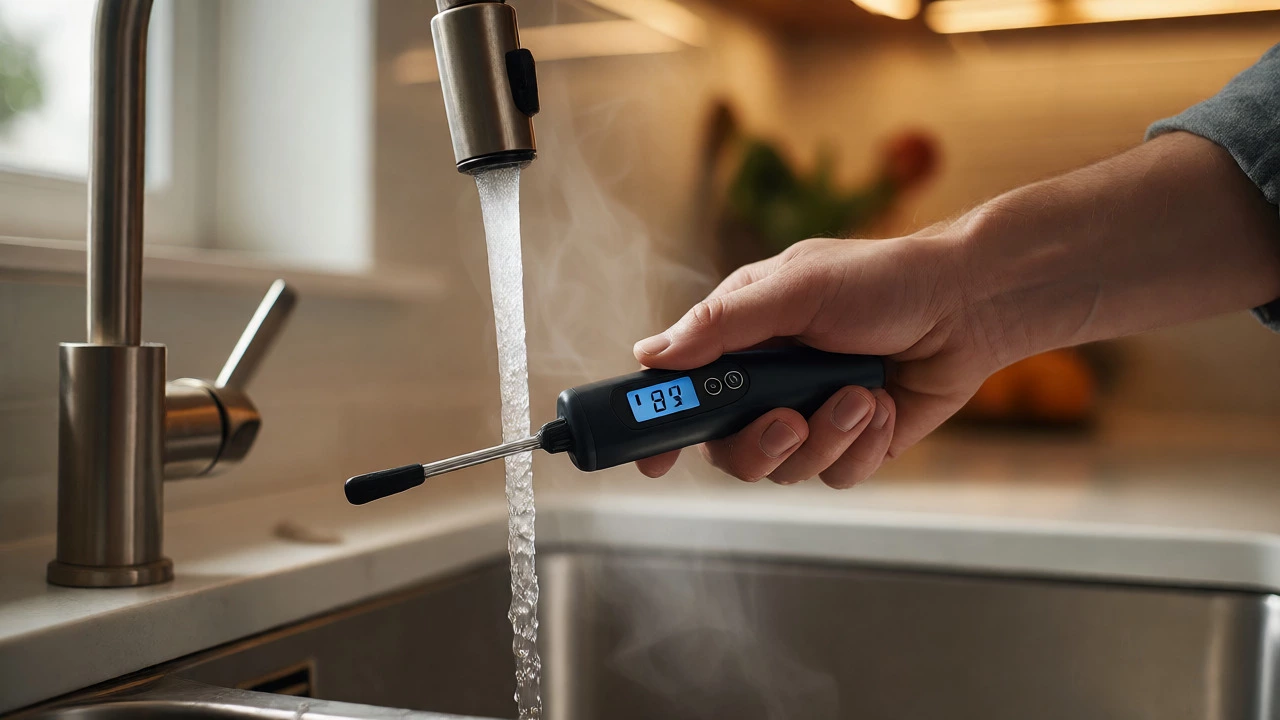
Before you start unscrewing panels, do the simplest test first. Go to the tap closest to your water heater (usually in the kitchen or laundry). Turn on the hot water and let it run for at least two minutes. Why two minutes? Because you need to clear the cold water sitting in the pipes between the heater and the faucet.
A properly functioning water heater should deliver water between 49°C and 60°C (120°F - 140°F). If the water is barely warm or cold, you have a heating issue. If it’s scalding hot, your thermostat might be set too high, which wastes energy and increases the risk of burns. Use a candy thermometer or a digital probe thermometer placed under the running stream to get an accurate reading. Guessing with your hand is unreliable-what feels "warm" to one person feels "cold" to another.
If the temperature is correct at the nearest tap but drops off significantly in other rooms, your problem isn’t the heater itself. It’s likely a distribution issue, such as sediment buildup in the pipes or a faulty mixing valve. But if the water is cold everywhere, the heater is the prime suspect.
Inspect For Leaks And Moisture
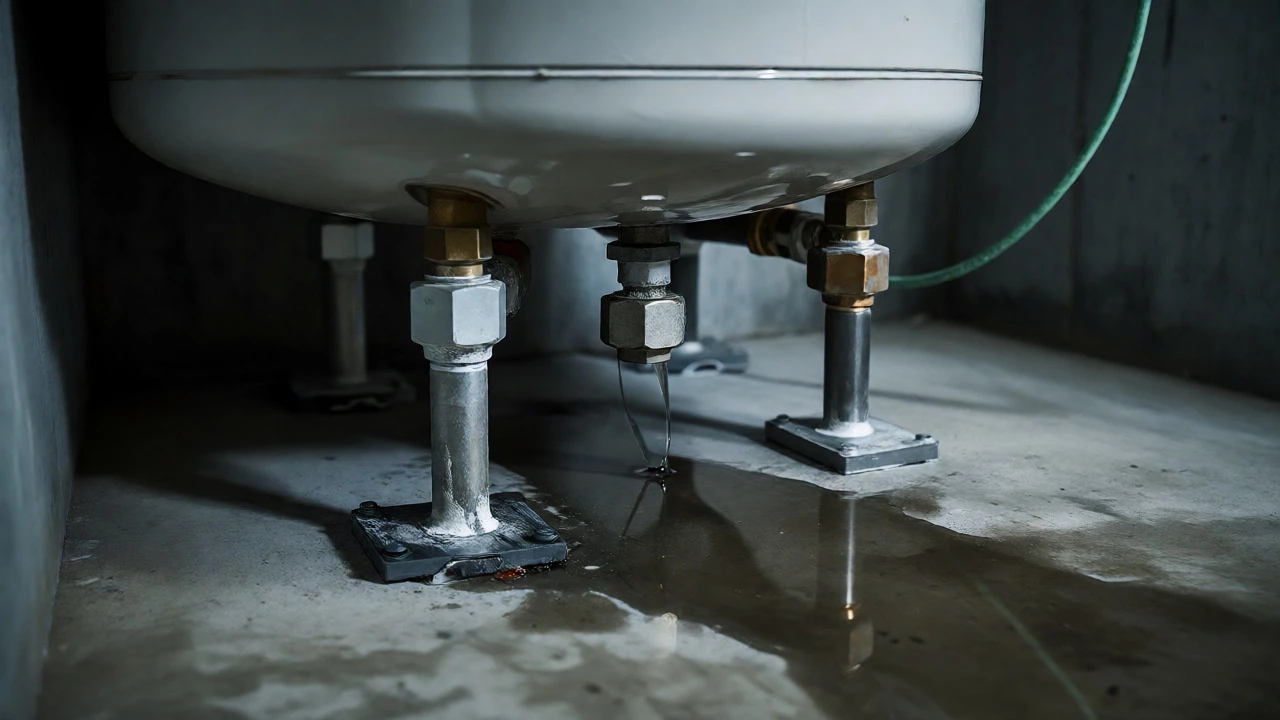
Walk around the base of your unit. Look at the floor. Is there a puddle? Even a small amount of moisture is a red flag. Tank-style water heaters rarely leak from the tank itself unless they are old and corroded. Most leaks come from connections, valves, or the pressure relief valve.
- The Pressure Relief Valve (TPR): This safety device releases excess pressure. If it’s dripping constantly, it might be faulty or the pressure in your home’s plumbing system is too high. A steady drip means the valve is trying to protect the tank, but it’s also a sign something is wrong.
- Inlet and Outlet Pipes: Check the threaded connections where the cold water enters and hot water exits. Corrosion or loose fittings here cause slow drips that evaporate quickly, leaving behind white or green crusty deposits.
- The Drain Valve: Located at the bottom, this valve is used for flushing sediment. If it wasn’t tightened fully after the last maintenance, it will weep.
If you see rust-colored water or significant pooling, turn off the power or gas supply immediately. A leaking tank is often a ticking time bomb. Once the internal glass lining cracks, repair is usually impossible; replacement is the only option.
Check The Power Supply And Breakers
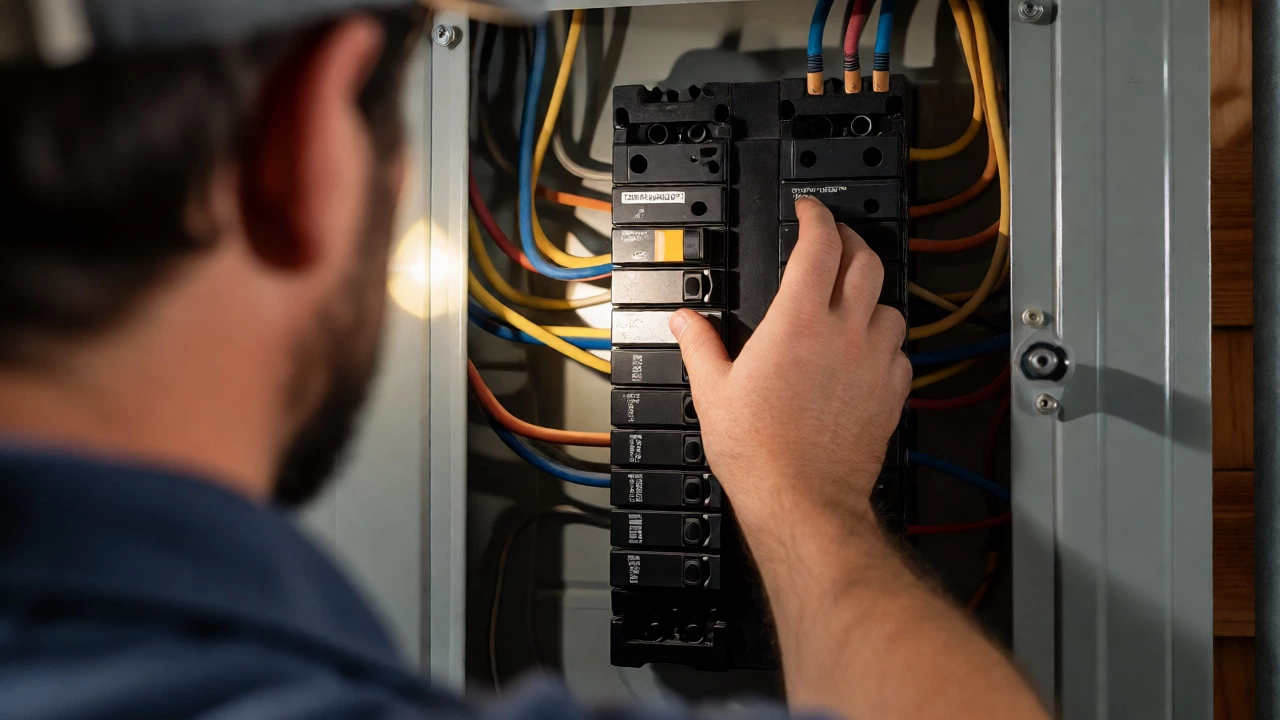
For electric models, the most common reason for a sudden loss of hot water is a tripped circuit breaker. It sounds obvious, but breakers trip for many reasons, including age or minor surges. Open your electrical panel and find the double-pole breaker labeled "Water Heater." If it’s in the middle position or switched to "Off," flip it back to "On."
Did it trip again immediately? Don’t keep resetting it. That indicates a short circuit or a failed heating element drawing too much current. If the breaker stays on but you still have no hot water, the issue is deeper inside the unit.
For gas heaters, check the pilot light. Modern units use electronic ignition, so you won’t see a flame, but you should hear a clicking sound when the thermostat calls for heat. If you smell rotten eggs (sulfur), shut off the gas and call a professional. That smell indicates incomplete combustion or a gas leak, both of which are dangerous.
Listen To What Your Heater Is Telling You
Silent operation is good. Loud operation is not. Different noises mean different things:
| Noise Type | Likely Cause | Action Required |
|---|---|---|
| Popping or Rumbling | Sediment buildup at the bottom of the tank. Water gets trapped under layers of mineral scale, boils, and explodes upward. | Flush the tank. If severe, replace the heater. |
| Hissing or Sizzling | A tiny leak hitting the hot burner assembly (gas) or insulation (electric). | Inspect for leaks near the top or sides. |
| Banging (Water Hammer) | Rapid closing of valves causing shockwaves in pipes. | Install water hammer arrestors; not a heater fault. |
| Ticking or Pinging | Thermal expansion of metal pipes. | Usually harmless; ensure pipe straps are secure. |
Sediment noise is the most common complaint in areas with hard water, like parts of Wellington. Over time, calcium and magnesium settle at the bottom. This layer insulates the water from the heat source, making the heater work harder and less efficiently. Flushing the tank annually removes this sludge and restores quiet, efficient operation.
Test The Heating Elements (Electric Only)
If you have an electric heater and the breaker hasn’t tripped, the next step is checking the elements. Most residential units have two elements: an upper and a lower. The upper element heats the top layer of water, while the lower keeps the rest warm. If you run out of hot water quickly, the lower element might be dead. If you get no hot water at all, the upper element or thermostat is likely at fault.
You’ll need a multimeter for this. Safety first: turn off the power at the breaker. Remove the access panels on the side of the tank. Peel back the insulation carefully to expose the element terminals. Set your multimeter to resistance (Ohms). Touch the probes to the terminals of one element. A healthy element typically reads between 5 and 30 Ohms, depending on its wattage. If the meter reads "OL" (Open Loop) or infinity, the element is broken and needs replacing. If it reads close to zero, it’s shorted.
Also check for continuity to ground. Place one probe on the terminal and the other on the bare metal tank. It should read infinite resistance. If it shows any connection, the element is grounded out and must be replaced.
Verify Thermostat Settings
Thermostats drift over time. The dial on the outside might say 60°C, but the internal sensor could be calibrated incorrectly. For electric heaters, the thermostats are located behind the access panels, under the insulation. They have adjustment screws marked "Higher" and "Lower."
Use a flathead screwdriver to adjust them slightly. Wait 24 hours for the water to stabilize, then re-test the temperature at the tap. Remember, the upper and lower thermostats should be set to the same temperature. If one is higher, the cooler element will never activate because the hotter one shuts off first, leaving the bottom half of the tank cold.
Evaluate Age And Efficiency
How old is your unit? The average lifespan of a tank-style water heater is 8-12 years. Tankless models can last 20+ years. If your heater is over 10 years old and showing multiple symptoms (rust, noise, inconsistent heat), it’s nearing the end of its life. Replacing individual parts on an old tank is often throwing money away.
Check the manufacturing date on the label. For example, a code like "0618" means June 2018. If you’re approaching the decade mark, consider proactive replacement. Newer models are significantly more efficient, potentially cutting your hot water energy bills by 20-30%.
Why does my hot water run out so fast?
This is usually caused by a failed lower heating element in electric tanks, allowing only the top portion of the water to heat. Alternatively, heavy sediment buildup reduces the effective capacity of the tank, meaning less hot water is available before cold water mixes in.
Can I flush a water heater myself?
Yes. Turn off the power/gas, connect a garden hose to the drain valve, and open a hot water tap elsewhere in the house to prevent vacuum lock. Open the drain valve and let the tank empty until the water runs clear. Close the valve, refill the tank, and restore power only after the tank is full.
What does a leaking pressure relief valve mean?
It means either the valve is faulty due to age/debris, or the water pressure in your home exceeds the safe limit (usually above 80 PSI). First, check your home’s static water pressure. If it’s high, install a pressure reducing valve. If pressure is normal, replace the TPR valve.
Is it cheaper to repair or replace a water heater?
If the unit is under 7 years old and the issue is a single part (like an element or thermostat), repair is usually cheaper. If the unit is over 10 years old or has a leaking tank, replacement is almost always the better financial decision in the long run.
Why does my water smell like rotten eggs?
This odor is caused by bacteria reacting with the magnesium sacrificial anode rod inside the tank. It’s common in well water systems. Replacing the standard magnesium anode with an aluminum-zinc alloy rod often solves the problem without needing to change the entire heater.