
Refrigerator Troubleshooting Checklist
Use this interactive guide to diagnose why your refrigerator might not be cooling. Check each step and mark it as complete.
Status
Start checking the items above to see your progress.
Your refrigerator is the one appliance you only notice when it fails. One day your milk is fine; the next, it’s sour. A warm fridge isn’t just an inconvenience-it’s a food safety hazard and a wallet drainer. Before you call a technician or buy a new unit, there are several things you can check yourself. Most cooling issues stem from simple maintenance oversights rather than catastrophic mechanical failures.
If you’ve ever found yourself staring into a lukewarm freezer wondering what went wrong, you’re not alone. The good news is that many of these problems have straightforward fixes. Whether it’s dirty coils, a faulty door seal, or a stuck fan, understanding how your fridge works empowers you to troubleshoot effectively. Let’s walk through the most common causes of a refrigerator not cooling and how to resolve them step-by-step.
Check the Temperature Settings First
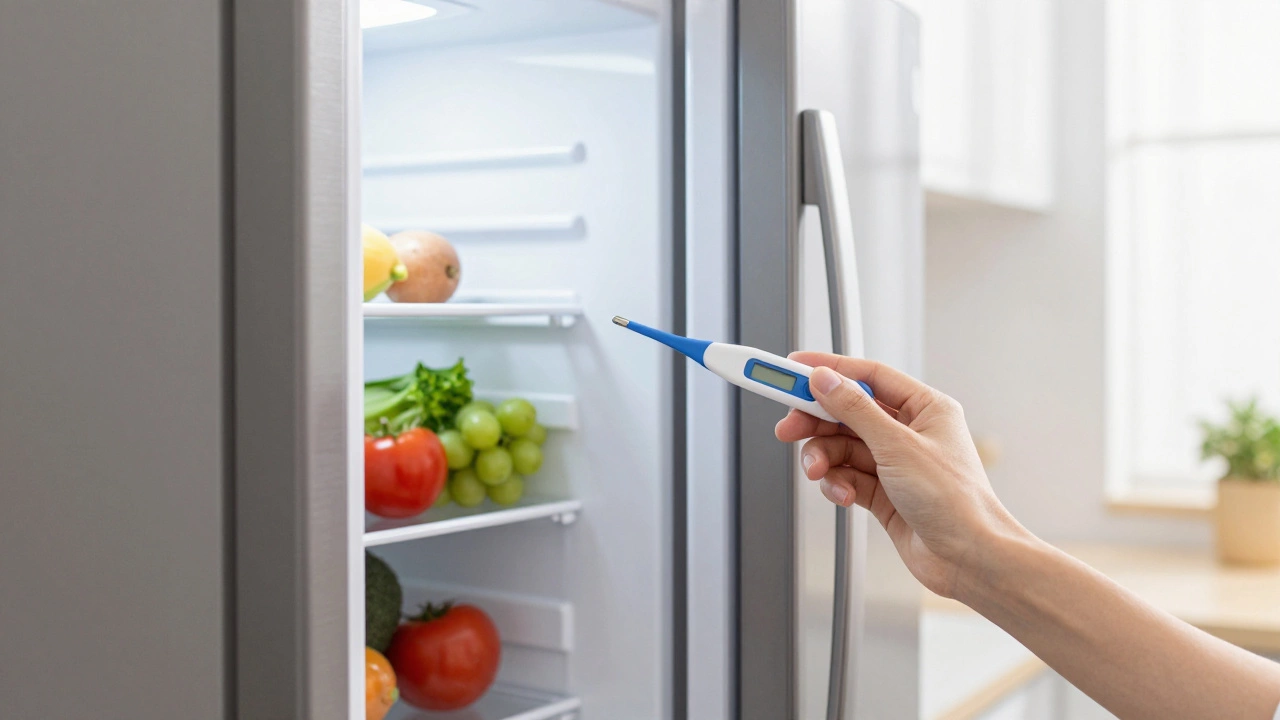
It sounds obvious, but it happens more often than you’d think. Sometimes, the thermostat gets bumped accidentally, or the settings drift over time. Open your fridge and locate the control panel. For most models, the recommended setting is between 35°F and 38°F (1.7°C to 3.3°C) for the refrigerator compartment and 0°F (-18°C) for the freezer. If the numbers are higher, adjust them down and wait 24 hours to see if the temperature stabilizes. Don’t crank it to the coldest setting immediately, as this can cause the compressor to run continuously and potentially burn out.
Clean the Condenser Coils
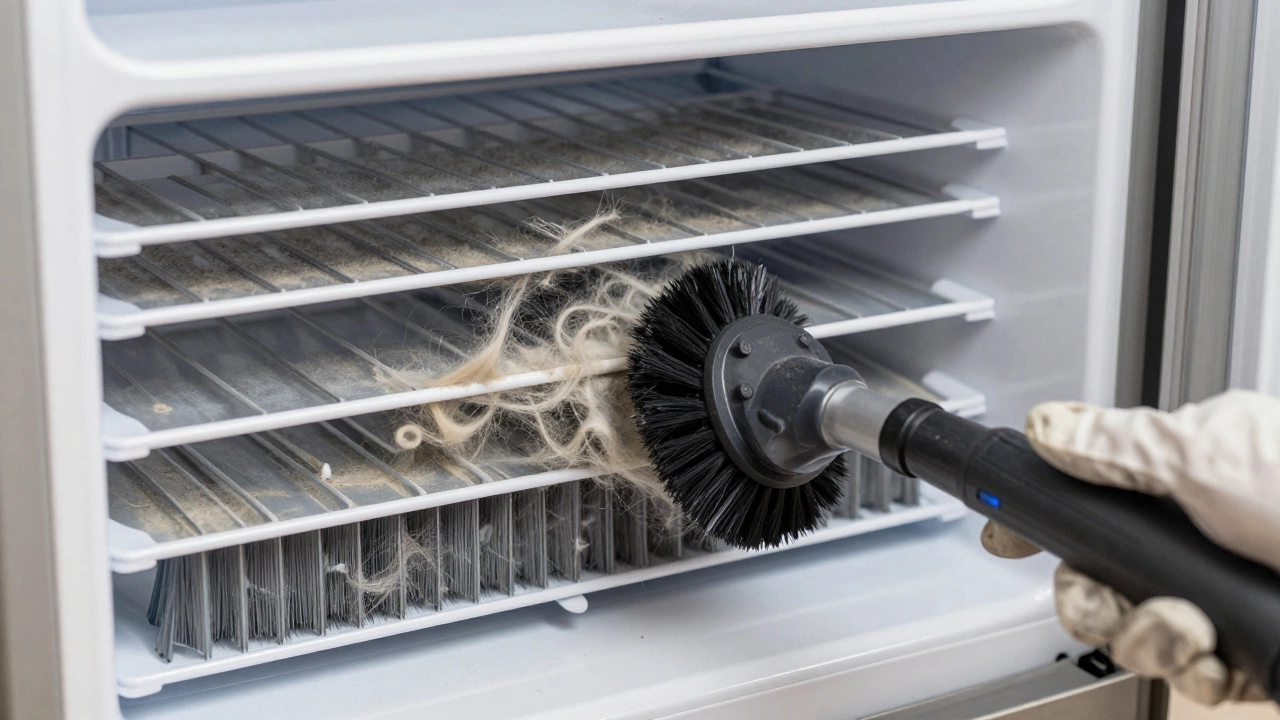
Condenser coils are essential components that release heat from the refrigerant to the surrounding air. They are typically located on the back of the fridge or behind a kickplate at the bottom. When these coils get covered in dust, pet hair, and grime, they can’t dissipate heat efficiently. This forces the compressor to work harder, leading to poor cooling and higher energy bills.
To clean them, unplug the refrigerator first for safety. Use a coil brush or a vacuum cleaner with a crevice tool to gently remove debris. If the coils are on the back, pull the fridge away from the wall carefully. If they’re underneath, remove the toe kick panel. Aim to do this every six months, or more often if you have pets. You’ll be surprised by how much dust accumulates. After cleaning, plug the fridge back in and listen for a smoother, quieter operation.
Inspect the Door Seals (Gaskets)
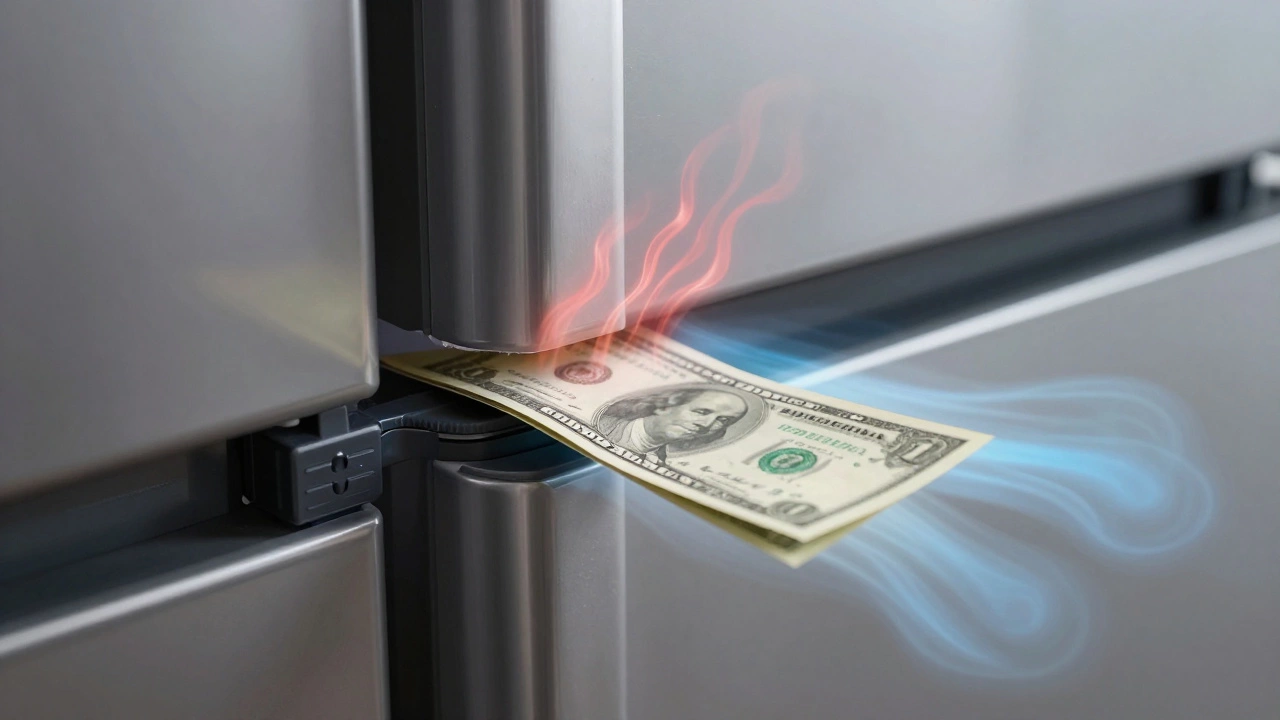
A compromised door seal allows cold air to escape and warm, moist air to enter. This makes the compressor run constantly without ever reaching the set temperature. To test your seals, close the door on a dollar bill. If you can pull the bill out easily without resistance, your gasket is worn or damaged. Check all four sides of both the fridge and freezer doors.
If the seals are dirty, wipe them with warm soapy water. Sometimes, grease buildup prevents a tight closure. If they are cracked, torn, or misaligned, you’ll need to replace them. Gaskets are relatively inexpensive and easy to install. Remove the old ones by prying them out of the retaining channel, then snap the new ones into place. Ensure the door closes snugly after installation.
Listen for the Evaporator Fan
Inside the freezer, there’s an evaporator fan that circulates cold air throughout the refrigerator. If this fan stops working, the freezer might still be cold, but the fridge section will warm up. Listen closely when the door is closed. You should hear a gentle whirring sound. If it’s silent, the fan motor may be dead, or ice might be blocking the blades.
Ice buildup around the fan is a common issue, often caused by a faulty defrost system. If you see frost on the fan blades, you’ll need to defrost the unit manually. Turn off the fridge, leave the doors open, and let the ice melt. Once cleared, check if the fan spins freely. If it doesn’t, the motor needs replacement. This is a moderately difficult DIY task, requiring some disassembly of the interior panels.
Examine the Defrost System
Most modern fridges have an automatic defrost cycle to prevent ice from building up on the evaporator coils. If this system fails, ice blocks airflow, causing cooling issues. The defrost system consists of three parts: the defrost heater, the defrost thermostat, and the defrost control board. If your freezer has excessive frost buildup even after a manual defrost, one of these components is likely faulty.
You can test the defrost heater with a multimeter to check for continuity. If there’s no continuity, the heater is broken and needs replacing. Similarly, test the defrost thermostat. If both are good, the problem might lie with the control board, which sends the signal to start the defrost cycle. Replacing the control board is more complex and may require professional help if you’re not comfortable with electrical diagnostics.
Check the Condenser Fan
In addition to the evaporator fan inside the freezer, there’s a condenser fan near the compressor, usually at the back bottom of the unit. This fan cools the compressor and helps the condenser coils release heat. If this fan fails, the compressor overheats and shuts down, stopping the cooling process entirely. Listen for noise coming from the back of the fridge. If you hear the compressor running but no fan noise, or if the fan is clicking or grinding, it needs attention.
Unplug the fridge and access the condenser fan. Check for obstructions like wires or debris caught in the blades. Spin the fan manually; it should move smoothly. If it’s stiff or wobbly, the bearings are worn. Replace the fan motor if necessary. It’s a straightforward swap once you remove the access panel.
Verify Airflow Inside the Fridge
Overpacking your refrigerator can block air vents, preventing cold air from circulating properly. Many people stuff groceries tightly, covering the internal vents. Leave space between items and ensure nothing blocks the vents in the back of the fridge and freezer compartments. Rearrange your food to allow air to flow freely. This simple adjustment can sometimes restore proper cooling without any repairs.
When to Call a Professional
If you’ve checked all the above and your fridge still isn’t cooling, the issue might be more serious. Problems with the sealed system, such as a refrigerant leak or a failed compressor, require specialized tools and certification to fix. These are not DIY jobs. Look for signs like hissing noises, oil stains near the compressor, or a warm compressor housing. In these cases, contact a licensed appliance repair technician. They can diagnose and repair sealed system issues safely and effectively.
Maintaining your refrigerator regularly can prevent many of these issues. Clean the coils twice a year, check door seals annually, and ensure proper ventilation around the unit. By staying proactive, you extend the life of your appliance and keep your food fresh and safe.
For those interested in exploring other service directories or resources, you might find useful information on various platforms depending on your location and needs, such as this directory, though it serves a completely different purpose. Stick to verified appliance repair services for your home needs.
Why is my freezer cold but my fridge is warm?
This usually indicates a problem with air circulation. The evaporator fan might be broken, blocked by ice, or the damper control that lets cold air into the fridge section could be stuck closed. Check for ice buildup and listen for the fan running.
How often should I clean condenser coils?
Clean them every six months. If you have pets or live in a dusty area, do it quarterly. Dirty coils reduce efficiency and increase energy costs significantly.
Can a bad door seal cause a fridge to stop cooling?
Yes. A bad seal lets warm air in, making the compressor run constantly. Over time, this can lead to frost buildup and reduced cooling capacity. Always check seals if you notice moisture or ice around the door edges.
Is it worth repairing an old refrigerator?
If the repair cost exceeds half the price of a new unit, consider replacing it. Older models are less energy-efficient. However, if the issue is minor, like a fan or seal, repair is often cost-effective.
What does it mean if my fridge is humming loudly?
Loud humming can indicate a failing compressor, loose parts, or a struggling fan. If accompanied by poor cooling, it’s a sign to inspect the fans and coils immediately. Persistent loud noises warrant a professional check.