
Hot Water Troubleshooting Assistant
Follow the guided steps to identify the cause of your cold shower. Answer each question honestly for the best result.
Step 1 of 6Where are you experiencing a lack of hot water?
You step into the shower, expecting warmth after a long day, but instead get hit with freezing cold water. It’s annoying, sure, but it’s also a puzzle. Is your water heater dead? Did a part fail? Or is it something simpler, like a blocked filter or a tripped switch? Before you call a plumber and pay for a service callout, try these steps. Most "no hot water" issues have quick fixes that don’t require a toolbox.
| Symptom | Likely Cause | First Check |
|---|---|---|
| No hot water anywhere in house | Main supply issue (gas/electric/power) | Pilot light, circuit breaker, or power switch |
| Hot water runs out quickly | Tank size too small or heating element failure | Check tank capacity vs. household demand |
| Only one tap has no hot water | Mixer cartridge or local blockage | Check other taps; clean aerator |
| Water is lukewarm, not cold | Failing thermostat or dip tube | Inspect temperature settings |
Start With the Obvious Checks
Before assuming your hot water system is broken, look at the basics. If you have an electric hot water unit, check your main switchboard. A tripped circuit breaker is common, especially if you recently ran heavy appliances like a dryer or oven on the same phase. Flip the breaker off and back on firmly. If it trips again immediately, stop-there’s a short circuit or faulty element requiring a pro.
For gas hot water systems, the pilot light is often the culprit. Modern units usually have electronic ignition, so there’s no visible flame. Listen for a clicking sound when you turn the hot tap on. No click? The igniter might be dirty or failed. Older units have a standing pilot. If it’s out, relight it according to the manufacturer’s instructions (usually turning a knob to 'Pilot' and holding down while pressing the igniter button). If it won’t stay lit, the thermocouple-a safety sensor-is likely faulty and needs replacement.
Is It Just One Tap?
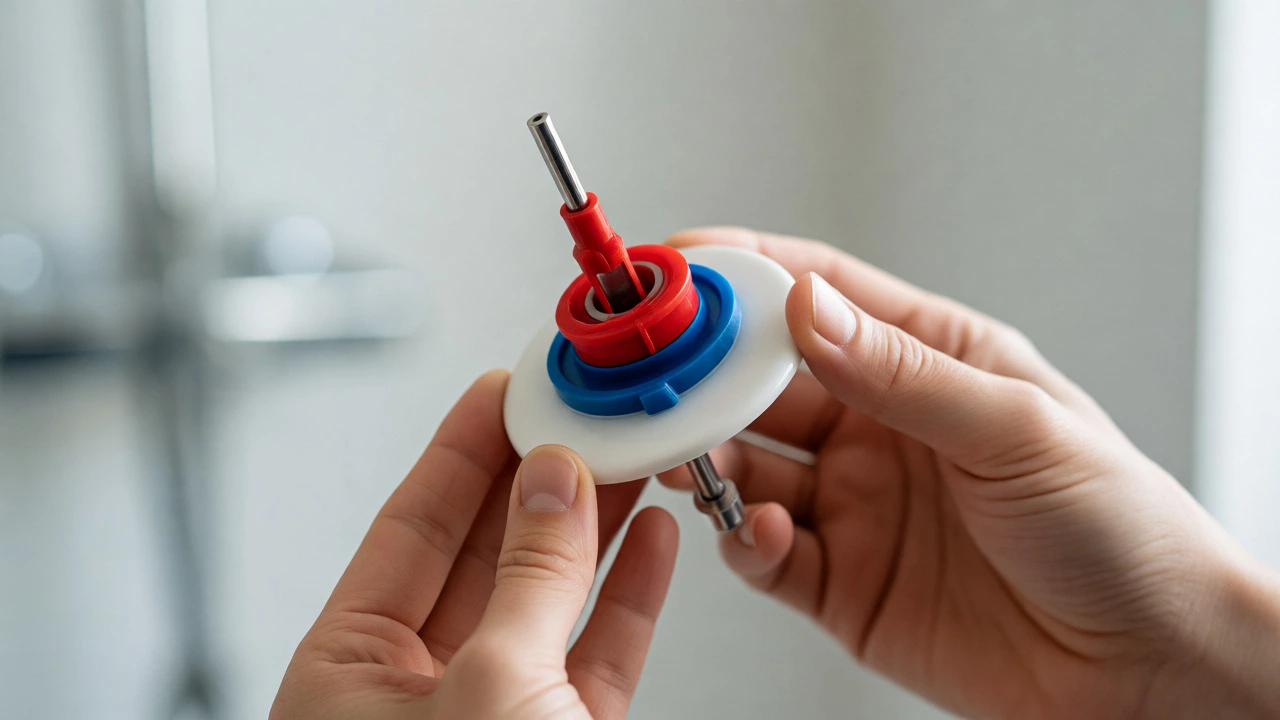
If your kitchen sink has scalding hot water but the shower is icy, your heater is fine. The problem is localized. This points to the shower mixer or the plumbing leading to it. In New Zealand homes, many showers use single-lever mixers. Inside the handle sits a ceramic disc cartridge. Over time, mineral deposits from hard water can jam this cartridge, preventing the hot side from opening fully.
To test this, remove the showerhead. Turn on the hot tap (carefully) and see if water flows strongly from the pipe. If flow is weak or non-existent, the blockage is in the pipe or valve behind the wall. If water flows well but stays cold, the cartridge inside the mixer is stuck. Replacing a standard cartridge costs $15-$30 and takes ten minutes with a screwdriver and adjustable spanner. Always turn off the mains water before disassembling fixtures.
Thermostat and Temperature Settings
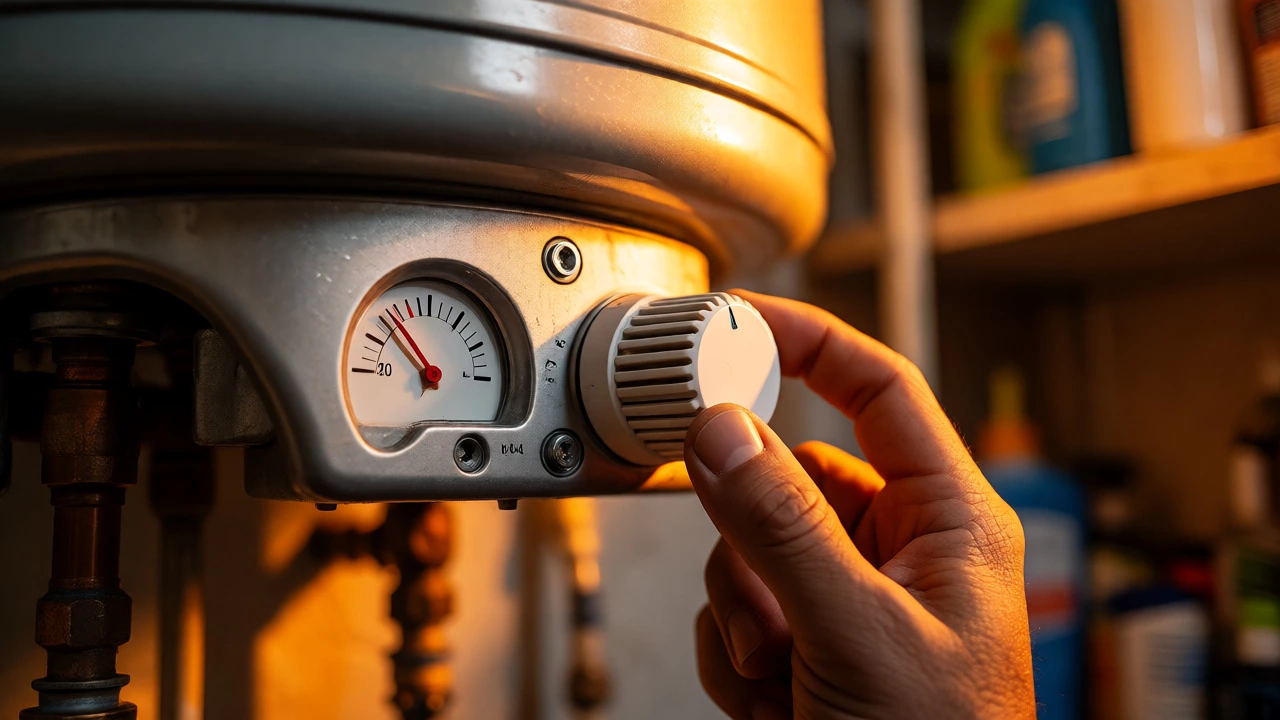
Sometimes, the water isn't truly cold-it's just not hot enough. You might think it's cold because your expectation was higher. Check the thermostat setting on your unit. For electric tanks, the dial is usually hidden under an insulation cover. Gas units have a control panel near the base.
In Wellington, where winters are damp and chilly, setting your thermostat below 60°C (140°F) increases the risk of Legionella bacteria growth, though it saves energy. If your dial is set to 50°C, bump it up slightly. Wait 24 hours for the tank to reheat fully before testing again. If you have a continuous flow gas heater (instantaneous), adjust the temperature knob directly. These units heat water on demand, so if the incoming water is very cold (like in winter), the heater may struggle to raise the temperature sufficiently if the flow rate is too high. Try reducing the water pressure by partially closing the isolation valve under the sink or shower.
Continuous Flow vs. Storage Tanks
Your troubleshooting path depends heavily on whether you have a storage tank or a continuous flow system. These two technologies behave differently when they fail.
| Feature | Storage Tank (Electric/Gas) | Continuous Flow (Gas/Electric) |
|---|---|---|
| Common Cold Water Cause | Heating element burnout or sediment buildup | Flow rate too high or low gas pressure |
| Fixability | High - Elements are cheap and easy to replace | Moderate - Requires cleaning filters or adjusting valves |
| Warning Signs | Rumbling noises, rusty water, slow recovery | Fluctuating temp, error codes on display |
| Lifespan Impact | Sediment reduces efficiency over years | Scale buildup blocks heat exchanger |
If you have a storage tank, sediment is a silent killer. Hard water leaves calcium and magnesium at the bottom of the tank. This layer insulates the water from the heating elements, making them work harder and eventually burn out. Draining the tank annually flushes this sludge. If you haven’t drained yours in three years, do it now. Connect a hose to the drain valve at the base, run it to a drain, and let it flow until the water runs clear. This simple maintenance task can restore performance without replacing parts.
Check the Pressure Relief Valve
A leaking or stuck pressure relief valve (PRV) can cause weird temperature issues. This valve releases excess pressure to prevent explosions. If it’s stuck open, it constantly dumps hot water out the overflow pipe. You might not notice the leak if it’s outside, but your tank loses heat rapidly, leaving you with lukewarm showers.
Look for a small copper pipe running from the top of the tank to the ground. If water is dripping from it steadily, the valve is faulty. Lift the lever gently to flush it. If it stops dripping, great. If it keeps leaking, replace the valve ($20-$40 part cost). Never cap or plug a PRV; it’s a critical safety device.
When to Call a Professional
Some problems aren’t DIY-friendly. If you smell gas, shut off the gas supply immediately and ventilate the area. Do not flip electrical switches. Call a licensed gasfitter. Similarly, if you suspect a cracked tank (visible rust streaks or pooling water around the base), replacement is inevitable. Patch kits rarely last.
Electrical faults involving internal wiring should also be left to experts. While changing an element is manageable, diagnosing a faulty thermostat or relay board requires multimeter skills and safety knowledge. In New Zealand, only registered electricians should work on fixed wiring unless you’re doing basic component swaps like elements.
Preventing Future Outages
Once you’ve fixed the immediate issue, take steps to avoid repeat visits. Install a timer on your electric heater if you don’t have one. Running it only during off-peak hours saves money and extends element life. For gas users, schedule a yearly service. Technicians clean burners, check flues, and inspect safety devices.
Consider installing a mixing valve if your tank temperature is high (for hygiene) but your shower feels too hot. These valves blend hot and cold automatically, allowing you to store water at 65°C while delivering safe 45°C to taps. This prevents scalding and ensures consistent comfort.
Why does my hot water run out so fast?
If your hot water runs out quickly, you likely have a tank that is too small for your household’s peak usage. Alternatively, a failed lower heating element in a dual-element tank means only half the water is being heated. Another possibility is a broken dip tube, which allows cold inlet water to mix directly with hot outlet water, effectively lowering the available volume of hot water.
Can I fix a gas hot water pilot light myself?
Yes, for most older gas units with a standing pilot, you can relight it yourself. Follow the instructions printed on the control panel carefully. Typically, you turn the knob to 'Pilot', press and hold the igniter button, and wait 30 seconds after the flame lights before releasing the knob. If it goes out immediately upon release, the thermocouple is faulty and needs professional replacement.
What does a clicking noise mean on my hot water system?
A rapid clicking noise usually indicates the electronic igniter is trying to spark but failing to ignite the gas. This could be due to a dirty igniter electrode, low battery power (in some models), or a gas supply issue. If the clicking continues without ignition, turn off the unit and check if other gas appliances are working to rule out a general gas outage.
How much does it cost to fix no hot water?
Costs vary widely. Simple fixes like resetting a breaker or relighting a pilot are free. Replacing a shower cartridge costs $15-$30 for parts. Replacing a heating element typically costs $50-$100 plus labor. Full system replacement ranges from $800 for a basic electric tank to $2,500+ for a high-efficiency continuous flow gas unit. Labor rates in NZ generally range from $90-$150 per hour depending on the region.
Is it dangerous to shower with no hot water?
No, it is not inherently dangerous to shower with cold water, provided the cold water supply itself is potable. However, if the lack of hot water is caused by a gas leak or electrical fault, ensure the area is safe before using any appliances nearby. If you smell gas, do not use any electrical switches or open flames.