
Freezer Compressor Reset & Troubleshooting Guide
Reset Procedure Checklist
Troubleshooting Sounds
After plugging back in, what do you hear?
There is nothing quite like the sinking feeling of opening your freezer and finding ice cream that has melted into soup. The food is thawing, the temperature is rising, and you are staring at a humming box that refuses to do its job. Before you call a technician or start pricing out new units, there is one simple step many homeowners skip: resetting the freezer compressor. This component is the heart of your cooling system, pumping refrigerant through coils to absorb heat. When it trips due to power surges, overheating, or minor electrical glitches, a reset can often get things running again in under ten minutes.
But here is the catch: you cannot just unplug any appliance and expect magic. If you pull the plug too soon after a trip, you risk damaging the compressor permanently. This guide walks you through exactly how to reset your unit safely, what signs indicate a deeper problem, and when to stop tinkering and call for help.
Why Your Freezer Compressor Trips
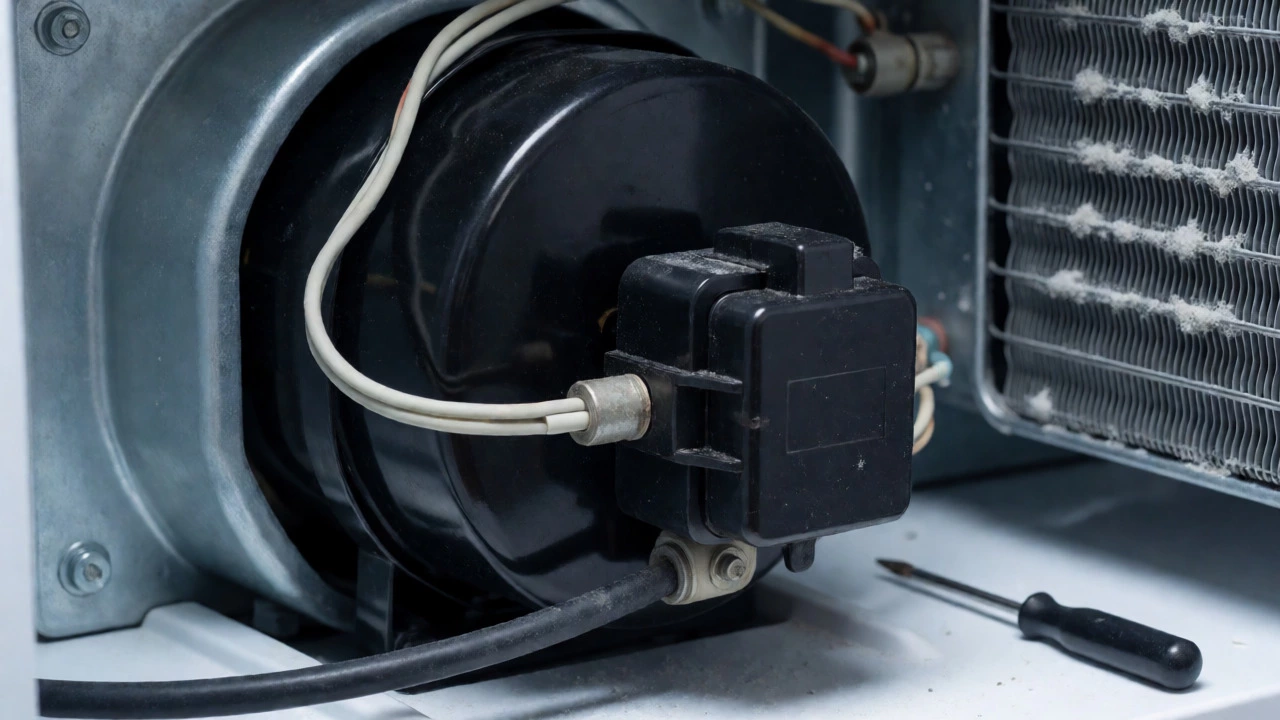
Understanding why the compressor stopped helps you prevent it from happening again. Most modern freezers use a hermetic compressor sealed inside a steel shell. It relies on an overload protector, a small device attached to the side of the compressor that cuts power if the motor gets too hot or draws too much current.
Several common scenarios trigger this safety switch:
- Power Surges: Lightning strikes or grid fluctuations can cause a momentary spike that trips the breaker or the internal overload.
- Dirty Condenser Coils: If dust and pet hair clog the coils at the back or bottom of the fridge, the compressor works harder to dissipate heat, eventually overheating.
- Blocked Airflow: Pushing the freezer flush against the wall prevents proper ventilation, causing heat buildup.
- Faulty Start Relay: This small part tells the compressor when to kick in. If it fails, the compressor may hum but fail to start, tripping the overload.
The Critical Wait Time: Do Not Rush
This is the most important rule in freezer repair: patience saves money. When a compressor stops suddenly, high-pressure refrigerant remains trapped inside the system. If you try to restart it immediately, the motor has to push against that pressure. It will likely stall, overheat, and burn out the windings.
You must wait at least 30 minutes after unplugging the unit before plugging it back in. Ideally, give it an hour. This allows the pressure equalization to happen naturally. During this time, keep the freezer doors closed. Every time you open them, warm air rushes in, making the compressor work harder once it finally starts.
Step-by-Step Guide to Resetting the Compressor
Follow these steps precisely. Skipping one could void your warranty or cause further damage.
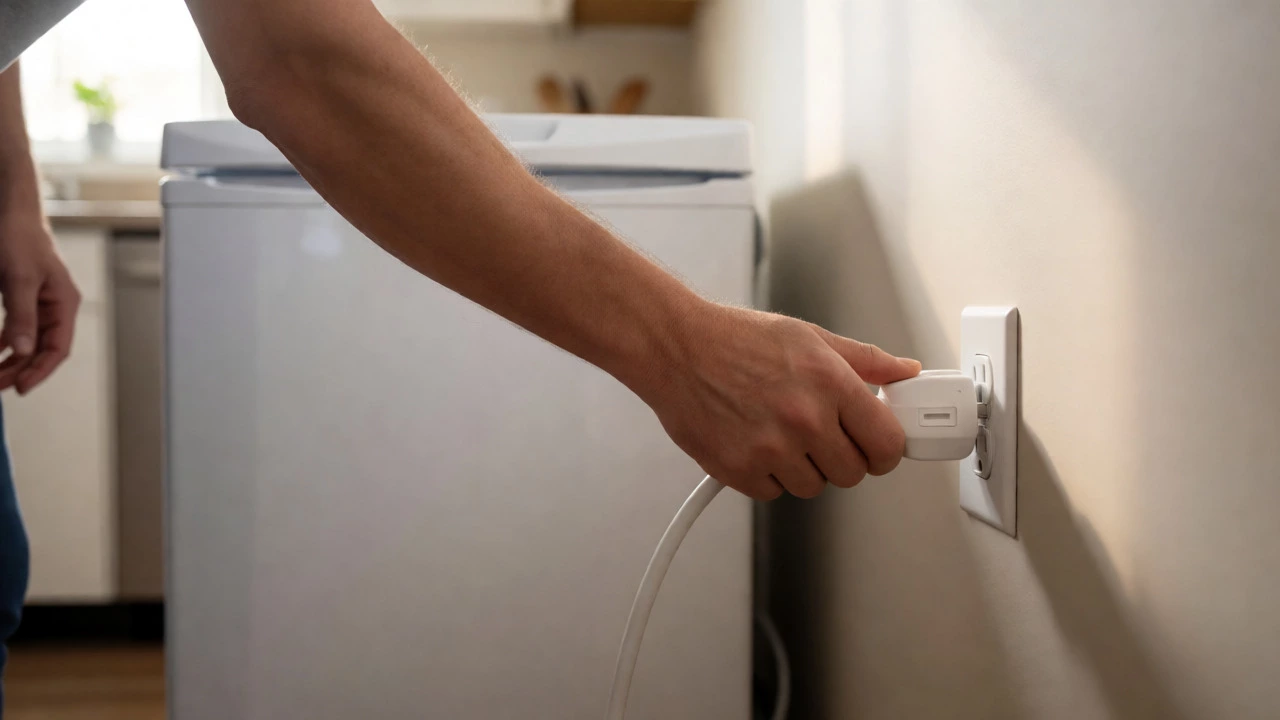
- Unplug the Freezer: Go behind the appliance and disconnect the power cord from the wall outlet. Do not just turn off the thermostat; cut the power completely.
- Wait for Pressure Equalization: Set a timer for 30 to 60 minutes. Use this time to clean the condenser coils if they look dusty. A vacuum with a brush attachment works well for this.
- Check the Circuit Breaker: While waiting, go to your home’s electrical panel. Look for a breaker labeled "Kitchen," "Fridge," or similar. If it is flipped to the "Off" position or stuck in the middle, flip it fully off and then back on. Sometimes the issue is the house breaker, not the appliance.
- Inspect the Power Cord: Ensure the cord isn’t damaged or pinched behind the unit. A frayed wire can cause intermittent power loss.
- Plug It Back In: After the wait period, reconnect the freezer to the wall outlet. Avoid using extension cords, as they can drop voltage and strain the compressor.
- Listen and Observe: Within a few seconds, you should hear a distinct "click" followed by a low hum. This indicates the compressor has started. If you hear only a click and silence, or a loud buzzing sound, the compressor is struggling to start.
Troubleshooting Common Post-Reset Issues
If the reset worked, great! Monitor the temperature for the next 24 hours. But what if it didn’t? Here is how to interpret the sounds and behaviors you might encounter.
| Symptom | Likely Cause | Action Required |
|---|---|---|
| Clicking every 5-10 seconds, no hum | Compressor trying to start but failing (locked rotor) | Replace start relay or capacitor; compressor may be seized |
| Loud buzzing, then clicks off | Overload protector tripping due to heat or blockage | Clean coils, check fan motor, test relay |
| Runs constantly but doesn't cool | Refrigerant leak or failed evaporator fan | Professional service needed for leak detection/recharge |
| Works fine, then stops after 1 hour | Defrost cycle issue or faulty thermostat | Check defrost timer or control board |
When to Call a Professional
A DIY reset fixes about 40% of sudden freezer failures, usually those caused by temporary electrical hiccups or dirty coils. However, some problems require specialized tools and expertise.
You should call a certified technician if:
- The compressor buzzes but won’t start: This often points to a bad start relay or run capacitor. These parts are cheap ($20-$50), but testing them requires a multimeter. If the relay is good, the compressor itself might be seized, which costs hundreds to replace.
- You see oil around the compressor: This suggests a refrigerant leak. Handling refrigerants requires EPA certification in many regions and specialized recovery equipment.
- The unit runs but stays warm: If the compressor is running smoothly but the interior isn’t getting cold, you likely have a leak or a blocked capillary tube. These are complex repairs involving soldering and vacuuming the system.
- The freezer is older than 10 years: Replacing a compressor in an old unit often costs more than buying a new energy-efficient model. Consider the long-term electricity savings before investing in major repairs.
Preventing Future Compressor Failures
Once your freezer is back up and running, take these proactive steps to avoid another emergency.
Clean the Coils Twice a Year: Dust acts like insulation on the condenser coils, forcing the compressor to work overtime. Vacuum them every six months, especially if you have pets.
Maintain Proper Ventilation: Leave at least two inches of space between the back of the freezer and the wall. If the unit is built-in, ensure the grille vents aren’t blocked by cabinets or debris.
Use a Surge Protector: Plug your freezer into a heavy-duty surge protector rated for appliances. Standard power strips often lack the necessary joule rating to protect motors from voltage spikes.
Don’t Overload the Freezer: Packing food tightly blocks airflow. Leave gaps between packages so cold air can circulate evenly, reducing the load on the compressor.
How long does it take for a freezer to cool down after a reset?
It typically takes 4 to 24 hours for a freezer to reach its target temperature after a reset, depending on the ambient room temperature and how full the unit is. Keep the door closed during this time to speed up the process. You can place a thermometer inside to monitor progress rather than guessing based on ice formation.
Can I reset the compressor without unplugging it?
No, you generally need to cut power to reset the thermal overload protector. Some newer models have a dedicated reset button on the control panel, but this is rare. For most standalone freezers, unplugging is the only way to allow the internal pressure to equalize and the overload switch to reset mechanically.
What does a clicking sound mean in my freezer?
A repeated clicking sound usually means the compressor is attempting to start but failing. The overload protector clicks off to prevent damage, waits for the motor to cool slightly, and then tries again. This cycle repeats until the unit overheats completely. It often indicates a faulty start relay or a seized compressor.
Is it worth repairing an old freezer compressor?
Generally, no. If the compressor itself needs replacement, the cost often ranges from $300 to $600 including labor. For a freezer older than 8-10 years, this investment rarely pays off compared to buying a new, energy-efficient model that uses significantly less electricity. However, if the issue is just a cheap part like a relay or fan motor, repair is definitely worth it.
Why did my freezer stop working after a power outage?
Power outages can cause voltage instability when electricity returns. If the power comes back while the compressor was still running or had just stopped, the sudden surge can trip the internal overload protector. Additionally, if the outage lasted several hours, the freezer may have entered a defrost cycle unexpectedly, leaving it in a state where it needs a manual reset or time to recover.