
Water Heater Reset Diagnostic Tool
Identify your water heater type and symptoms to get step-by-step reset instructions. Always prioritize safety.
Please select your heater type and symptom above, then click "Get Reset Instructions".
Safety Checklist Before You Start
You’re standing in the shower, shivering, because the water just turned ice cold. Or maybe you walked into a kitchen with no hot water for dishes. Before you call a plumber or buy a new unit, there’s a good chance your hot water heater simply needs a reset. It happens more often than you think, usually due to a power surge, a tripped circuit breaker, or a safety mechanism kicking in.
Resetting a water heater isn’t rocket science, but doing it wrong can be dangerous or ineffective. Whether you have an electric or gas model, the process differs slightly. This guide walks you through exactly how to get your hot water back on, step by step, without unnecessary panic or expense.
Why Does My Water Heater Need a Reset?
Before grabbing a screwdriver, understand why this is happening. Most resets are triggered by safety features designed to prevent overheating or electrical faults. For electric heaters, the culprit is often the upper limit switch, also known as the high-limit thermostat. If the water gets too hot-usually above 93°C (200°F)-this switch cuts power to the heating elements to prevent damage.
Gas heaters might trip their pilot light assembly or electronic ignition system if the flame goes out unexpectedly. Sometimes, it’s even simpler: a blown fuse or a tripped breaker in your main electrical panel. Knowing the root cause helps you decide if a simple reset will fix it or if you need professional help.
Safety First: What You Need to Know
Water and electricity don’t mix well. Always prioritize safety before touching any components.
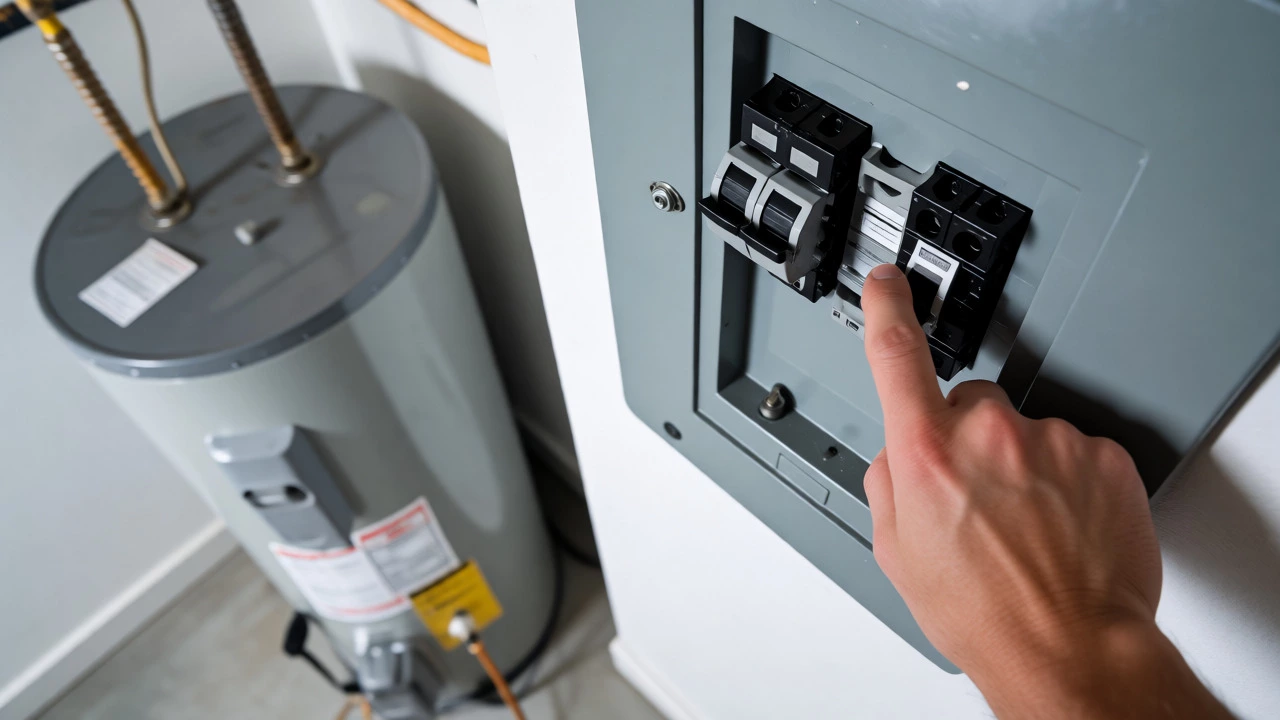
- Turn off the power: For electric units, switch off the dedicated circuit breaker at your main panel. Don’t just rely on the unit’s internal switch.
- Check for leaks: Look around the base of the tank. If you see water pooling, do not reset it. A leak means a broken seal or tank failure, requiring a plumber.
- Wait for cooling: If the heater recently shut off due to overheating, give it time to cool down. Touching hot components can cause burns.
If you smell gas (for gas heaters) or notice burning plastic odors, stop immediately and ventilate the area. Do not attempt a reset until these issues are resolved.
How to Reset an Electric Water Heater
Electric water heaters are common in New Zealand homes, especially in apartments or smaller houses. The reset process involves accessing the thermostats behind insulation panels.
- Locate the access panels: On the side of the tank, you’ll find two removable covers-one near the top, one near the bottom. These protect the upper and lower thermostats.
- Remove the screws: Use a Phillips-head screwdriver to remove the screws holding the panels in place. Set them aside safely.
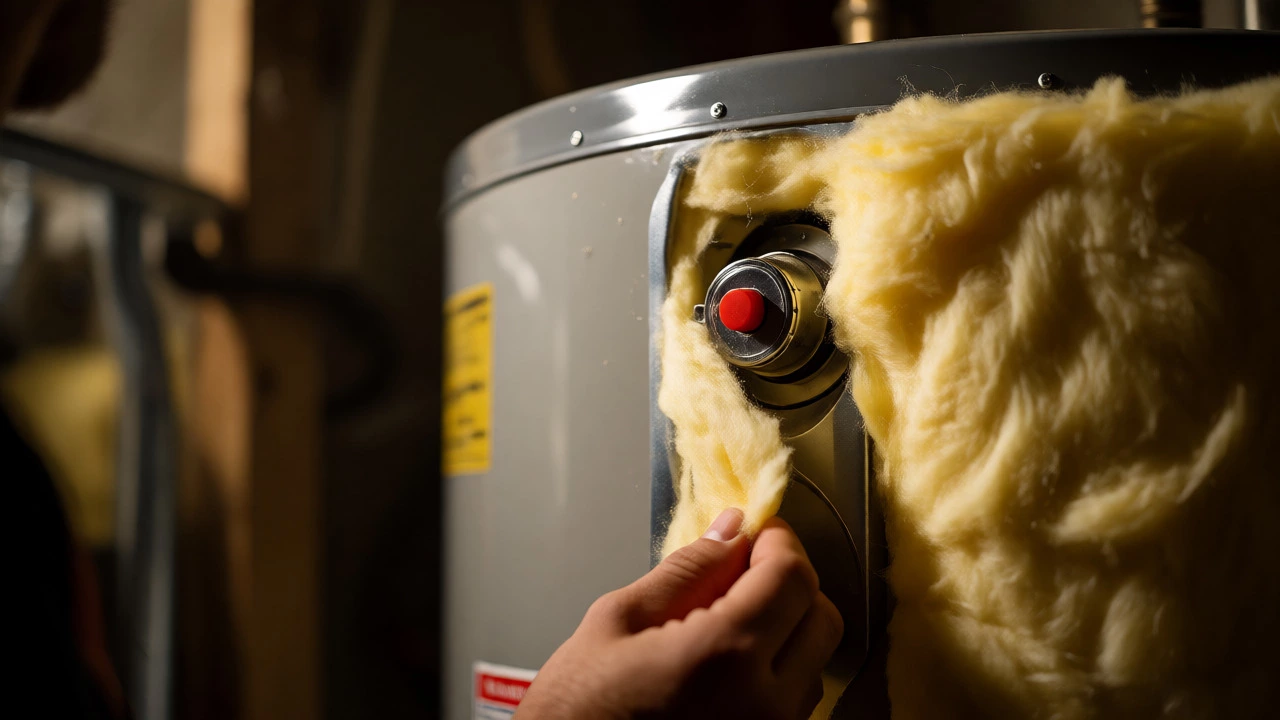
- Pull back the insulation: Inside, you’ll see foam or fiberglass insulation covering the thermostat. Carefully pull it back to expose the red reset button.
- Press the reset button: You should see a small red button labeled "RESET." Press it firmly. You might hear a faint click. If the button pops out when pressed, the limit switch was indeed tripped.
- Replace insulation and panels: Ensure the insulation covers the thermostat fully to prevent heat loss. Screw the panels back on tightly.
- Restore power: Go back to your main electrical panel and turn the breaker back on.
Wait about 30-60 minutes for the water to heat up. Check a tap with hot water only after this period.
How to Reset a Gas Water Heater
Gas units operate differently. They don’t have electric reset buttons in the same way. Instead, they rely on pilot lights or electronic igniters.
- Set the control knob to 'Off': Locate the temperature control dial or digital display on the front of the unit. Turn it to the "Off" position.
- Wait five minutes: This allows any residual gas to dissipate from the burner chamber.
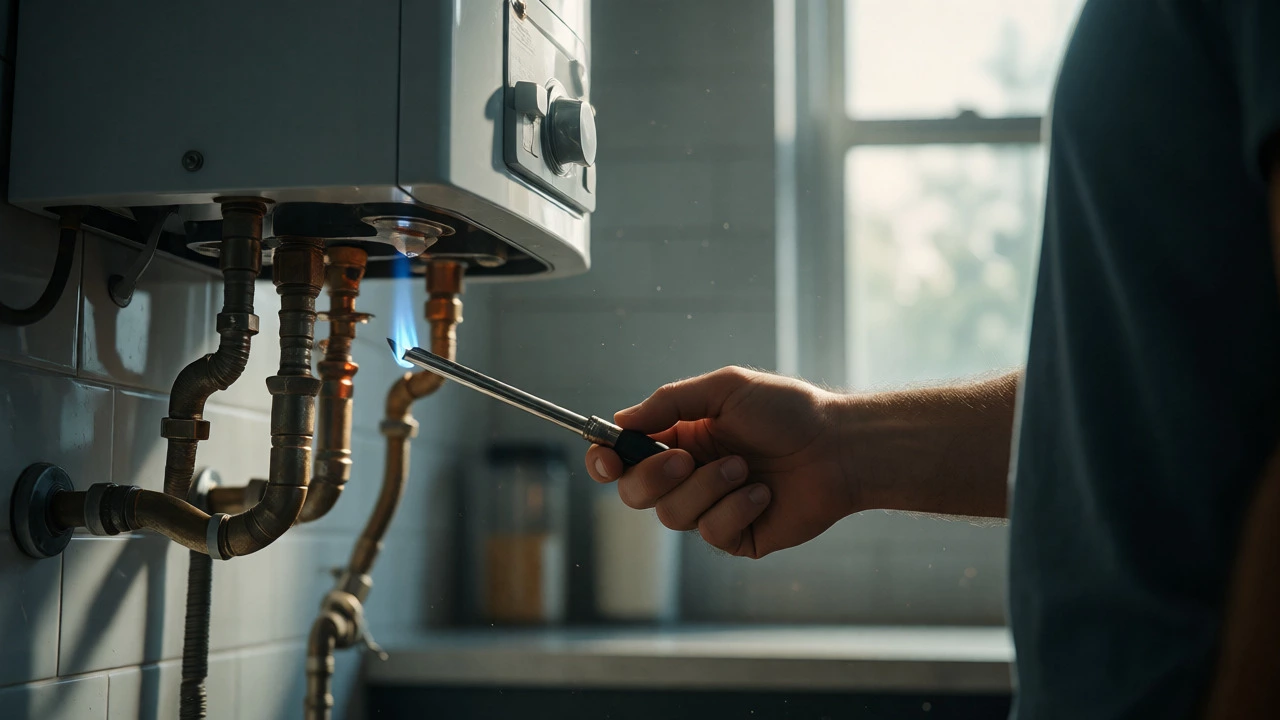
- Follow manufacturer instructions for relighting: If you have a standing pilot, you’ll need to press and hold the pilot button while using a long lighter to ignite the flame. Keep holding the button for 30-60 seconds after the flame lights to keep the thermocouple engaged.
- Release the button slowly: If the flame stays lit, release the button. If it goes out, repeat the process. If it fails three times, stop and call a technician.
- Turn the knob to 'On' or desired temperature: Once the pilot is stable, turn the control knob to your preferred setting (usually between 50°C and 60°C).
For newer models with electronic ignition, you may simply need to turn the power off at the wall socket, wait 30 seconds, and turn it back on. The system will attempt to auto-ignite.
| Feature | Electric Water Heater | Gas Water Heater |
|---|---|---|
| Reset Mechanism | Red Limit Switch Button | Pilot Light Relight or Power Cycle |
| Tools Needed | Screwdriver (Phillips) | Long-reach lighter (if manual pilot) |
| Safety Risk | Electrical shock | Gas leak/explosion risk |
| Common Cause | Overheating/Tripped Breaker | Draft blowing out pilot/Gas valve issue |
Troubleshooting: When a Reset Doesn’t Work
You followed the steps, waited an hour, and still have cold water. Now what? Here are a few things to check before giving up.
Check the Circuit Breaker Again: Sometimes breakers look like they’re on but aren’t making full contact. Flip the breaker fully off, then firmly back on.
Test the Heating Element: In electric heaters, a burned-out element won’t heat water even if the thermostat resets. If the element is faulty, pressing the reset button won’t help. You’ll need a multimeter to test continuity, which is best left to pros if you’re unsure.
Inspect the Thermocouple (Gas): If your pilot light keeps going out, the thermocouple (a safety sensor) might be dirty or broken. Cleaning it with fine sandpaper sometimes fixes the issue. If not, it needs replacement.
Consider Age: If your water heater is over 10 years old, frequent trips might signal failing components. Replacing parts on an old unit often costs nearly as much as a new installation.
Preventing Future Resets
Once you’ve got hot water again, take steps to avoid repeating the ordeal.
- Flush the Tank Annually: Sediment buildup insulates the heating elements, causing them to overheat and trip the limit switch. Draining a few liters of water from the bottom valve each year removes debris.
- Check Temperature Settings: Keep your thermostat set to 60°C. Higher settings increase energy bills and raise the risk of scalding or trips.
- Install a Surge Protector: Power surges can trip sensitive electronics in modern heaters. A whole-home surge protector adds a layer of defense.
Regular maintenance extends the life of your appliance and reduces unexpected downtime. It’s a small effort for big comfort.
How long does it take for a water heater to heat up after a reset?
Typically, it takes 30 to 60 minutes for a standard 50-gallon electric water heater to recover enough hot water for normal use. Larger tanks or colder incoming water temperatures may extend this time to 90 minutes. Gas heaters usually reheat faster, often within 15-20 minutes.
Why did my water heater trip its high limit switch?
The high limit switch trips primarily due to overheating. Common causes include sediment buildup on the heating elements, a stuck thermostat, or a failed relay that keeps the element energized too long. Power surges can also trigger it accidentally.
Can I reset a water heater myself?
Yes, most homeowners can safely reset an electric water heater by turning off the power, accessing the thermostat panel, and pressing the red reset button. Gas heaters require caution with open flames and gas lines; if you are uncomfortable working with gas, hire a licensed plumber.
What if the reset button pops out immediately after pressing it?
If the button pops out instantly, the unit is likely still too hot, or there is a continuous fault causing overheating. Wait another 30 minutes for it to cool completely before trying again. If it continues to pop, you likely have a faulty thermostat or heating element that needs replacement.
Does resetting fix a leaking water heater?
No. A reset addresses electrical or control issues, not physical leaks. If water is dripping from the tank, pressure relief valve, or connections, tightening fittings might help, but a cracked tank requires replacement. Never ignore a leak.