
Water Heater Reset Diagnostic Tool
What type of water heater do you have?
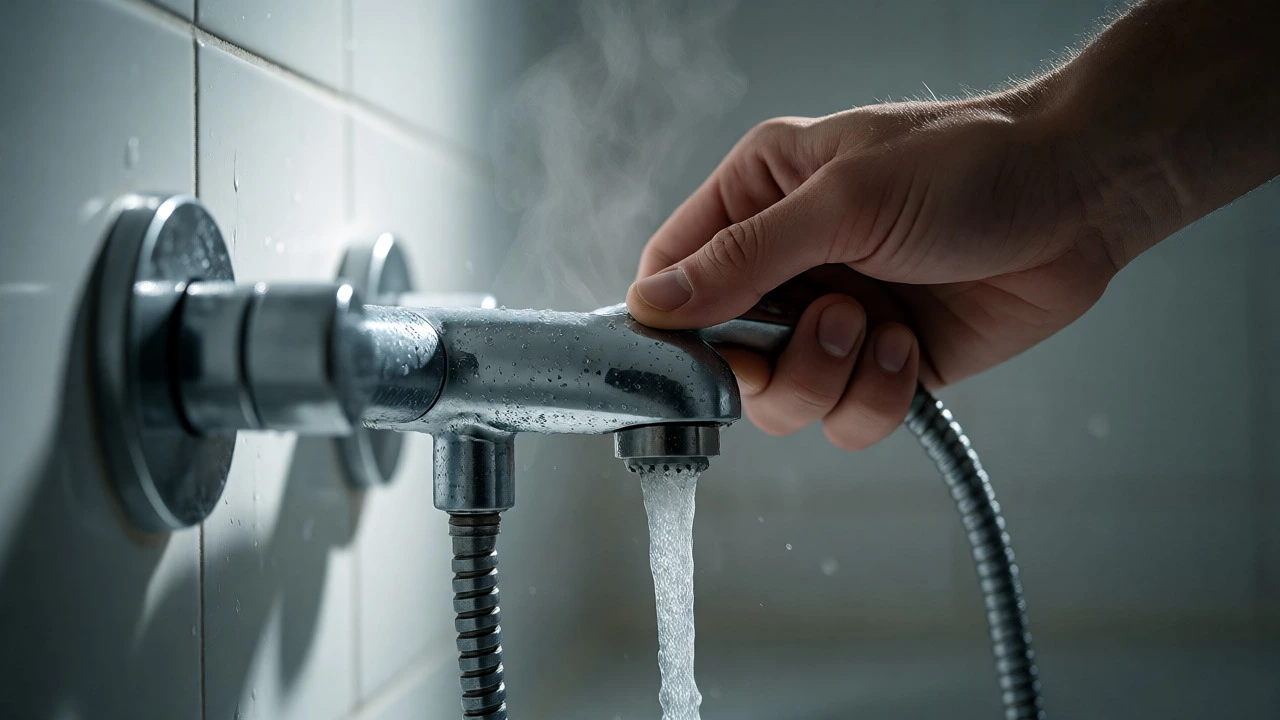
You wake up, turn on the shower, and get hit with ice-cold water. Or maybe you have lukewarm water that runs out in two minutes flat. Before you call a plumber for a $150 service fee, there is one simple fix you should try first: resetting your water heater. It sounds too easy to be true, but roughly 20% of "broken" water heaters are just tripped safety switches waiting for a button push.
But how do you know if a reset is actually the solution? If you press the wrong button or reset a unit that has a deeper electrical fault, you might waste time or even risk damage. This guide walks you through exactly when to hit that reset button, how to find it on both gas and electric models, and what signs prove your heater needs more than just a quick reboot.
The Quick Fix Checklist: When to Try a Reset
Not every cold shower means you need to reset your unit. In fact, resetting a healthy heater does nothing. You should only attempt a reset if you see specific symptoms indicating the system’s internal safety mechanisms have kicked in. Think of these symptoms as the machine saying, "I stopped working because I detected a problem, but I haven't broken down completely yet."
- No hot water at all: The pilot light is on (for gas) or the power is on (for electric), but the water stays cold. This often means the high-limit switch tripped due to overheating.
- Lukewarm water: You get some heat, but not enough. This suggests one heating element failed (on dual-element electric tanks) and the system is struggling.
- Intermittent hot water: The water heats up, then cools down unexpectedly. This points to a faulty thermostat sending mixed signals.
- Recent power outage: If your neighborhood lost electricity recently, your digital display or electronic ignition system likely crashed and needs a manual restart.
If you hear strange noises like popping or rumbling, a reset won’t help. That’s usually sediment buildup. If you see water pooling around the base, stop immediately-resetting a leaking tank can cause electrical shorts or worse. Only proceed if the unit is dry and making no unusual mechanical noises.
Finding the Reset Button on Electric Water Heaters
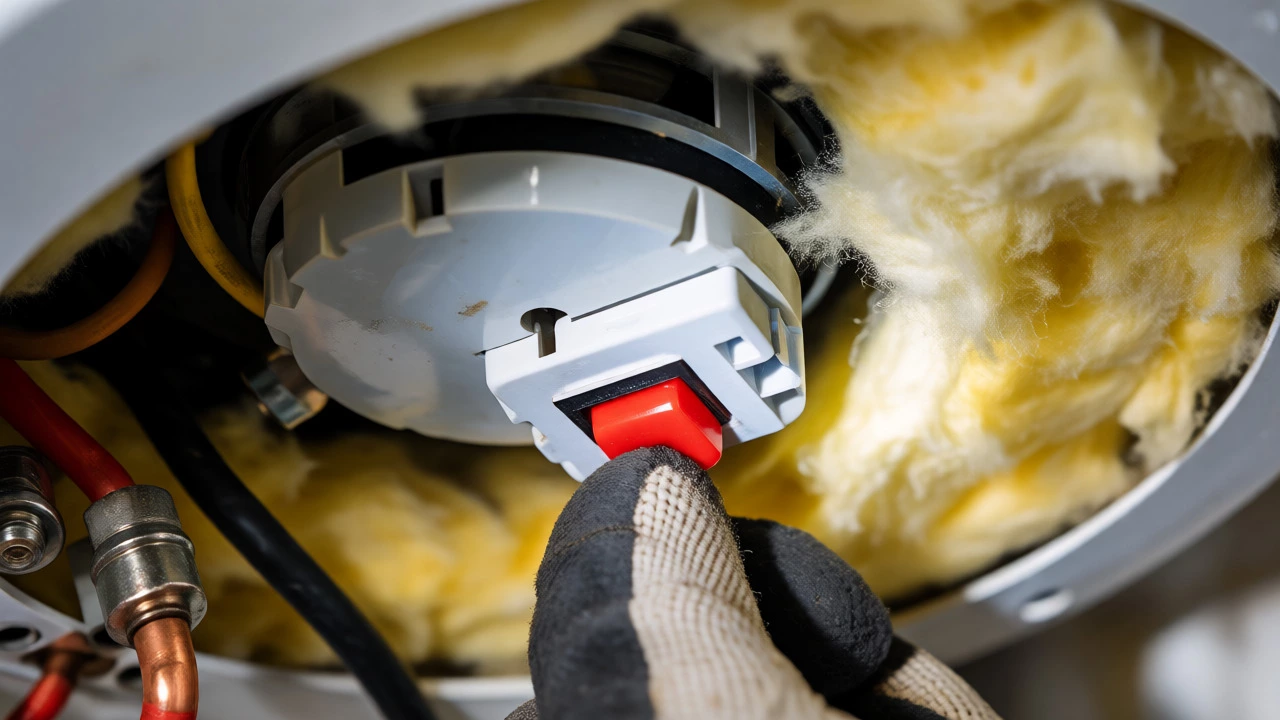
Electric water heaters are tricky because they don’t have a big red button on the outside. The reset buttons are hidden behind insulation panels. Most standard residential electric tanks use two heating elements: an upper one and a lower one. Each element has its own thermostat and a corresponding reset button. If your water isn't hot, you might need to check both.
To access them, you’ll need a screwdriver and a non-contact voltage tester. Safety first: go to your breaker box and flip the switch labeled "Water Heater" to OFF. Never touch the wiring inside without confirming the power is dead. Once safe, remove the access panel cover. You’ll see a layer of fiberglass insulation and a plastic safety clip. Pull back the insulation carefully-you don’t want it getting wet or damaged.
| Thermostat Type | Common Brands | Reset Mechanism | Difficulty Level |
|---|---|---|---|
| Standard Snap-Disc | Rheem, AO Smith | Small red button on thermostat face | Moderate (requires panel removal) |
| Digital Control Panel | State, General Electric | External button or menu option | Easy (no tools needed) |
| Smart Wi-Fi Models | Rheem ProTerra, Bradford White | App reset or physical button | Easy (via smartphone) |
Once you expose the thermostat, look for a small red button. Press it firmly. You might feel a slight click. If the button was popped out slightly before you pressed it, that confirms the limit switch had tripped. Repeat this for the lower thermostat if your model has dual elements. Replace the insulation and panel, restore power, and wait 30-60 minutes for the water to heat up before testing.
Resetting Gas Water Heaters: The Pilot Light Protocol
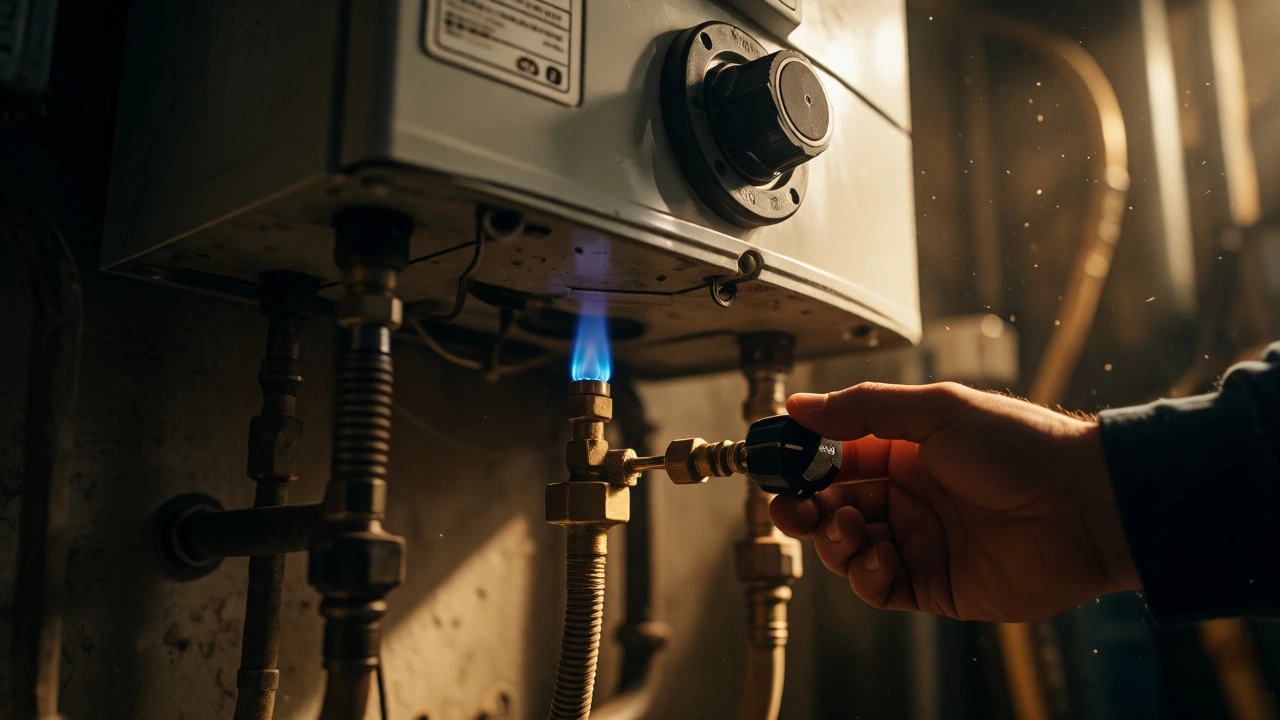
Gas units operate differently. They don’t typically have an electrical "reset" button in the same way. Instead, their control valve acts as the brain. If the pilot light goes out, the thermocouple shuts off the gas flow to prevent leaks. To "reset" a gas heater, you’re essentially reigniting the pilot and signaling the valve to open again.
First, locate the control knob on the bottom front of the tank. Turn it to the "Pilot" position. Press and hold the knob down while you ignite the pilot using the built-in igniter button or a long match. Keep holding the knob for 30-60 seconds after the flame lights. This step is crucial. The thermocouple needs time to heat up so it can generate enough voltage to keep the gas valve open. If you release the knob too soon, the pilot will die again.
If the pilot lights but dies when you release the knob, your thermocouple is likely faulty. A reset won’t fix a bad thermocouple; it needs replacement. If the pilot won’t light at all, check your gas supply. Is the main gas valve open? Did you run out of propane? These external factors mimic a broken heater but require different fixes.
Tankless Water Heater Resets: The Power Cycle Method
Tankless water heaters rely on complex electronics to heat water on demand. When they fail, they usually throw an error code rather than just stopping. Common codes include E1 (ignition failure) or F29 (flame rod issue). Unlike tank models, you can’t just press a button on the side. You need to perform a hard power cycle.
Turn off the power to the unit at the breaker box. Wait for at least five minutes. This allows the capacitors in the circuit board to discharge fully. While you wait, check the air intake and exhaust vents. Blockages from leaves or bird nests can cause the unit to overheat and lock itself out. After five minutes, turn the power back on. Many modern units will automatically attempt a self-reset sequence upon power restoration.
If the error code persists, consult your owner’s manual. Some brands, like Navien or Rinnai, have specific reset procedures involving holding down the "Enter" or "Menu" button for three seconds. Do not guess here. Following the manufacturer’s specific sequence prevents you from accidentally entering diagnostic mode and messing up your temperature settings.
Why Did It Trip? Understanding the Root Cause
Resetting is a temporary fix, not a cure. If your water heater trips repeatedly, something is wrong. Here is why these safety switches exist: they protect against dangerous temperatures. If the water gets hotter than 180°F (82°C), the high-limit switch cuts power to prevent boiling and pressure buildup.
Repeated tripping usually points to one of three issues:
- Failing Thermostat: The thermostat reads the temperature incorrectly, allowing the element to stay on too long. This causes overheating and trips the limit switch.
- Sediment Buildup: Minerals settle at the bottom of the tank. This insulates the lower heating element, causing it to overheat locally because the water around it isn't circulating properly.
- Short Cycling: On tankless units, if the flow rate is too low, the burner may cycle on and off rapidly, confusing the sensors and triggering a lockout.
If you reset the heater and it works for a week, then trips again, you have a recurring problem. Note the date. If it happens monthly, plan for a thermostat replacement. If it happens daily, check for sediment flushing needs or professional diagnosis.
Safety First: When NOT to Reset
There are scenarios where hitting the reset button is dangerous. Ignoring these warning signs can lead to scalding water, electrical shock, or fire hazards.
- Burning Smell: If you smell burnt plastic or electrical ozone near the unit, do not reset it. This indicates melting wires or a short circuit. Call an electrician.
- Leaking Water: Water and electricity don’t mix. If the reset button area is damp, drying it out might not be enough. Internal corrosion could be present.
- Old Age: If your heater is over 12 years old, resetting it might be the last straw. Older elements become brittle. Agitating them by pressing the button could break the connection entirely.
- Trips Immediately: If you press the reset button and it pops back out instantly, do not force it. There is a direct short or a severe ground fault. Forcing it can trip your home’s main breaker.
Always prioritize safety over convenience. If you are unsure about accessing the panels, especially on electric models where live wires are exposed once the panel is off, hire a pro. The cost of a service call is far less than an emergency room visit.
How long does it take for hot water to return after a reset?
For a standard 40-50 gallon electric tank, expect 30 to 60 minutes for the water to reach full temperature. Tankless units provide hot water almost instantly once the error clears, provided there are no further faults. Gas tanks typically recover faster than electric ones, often within 20-30 minutes depending on the BTU rating.
Can I reset my water heater myself?
Yes, for most homeowners. For gas units, it involves lighting the pilot. For electric units, it requires removing a panel and pressing a button. The main challenge is ensuring the power is off before touching any components. If you are uncomfortable working near electrical connections, hire a licensed plumber or electrician.
What does it mean if the reset button keeps popping out?
If the reset button pops out immediately after being pressed, it indicates a serious electrical fault, such as a shorted heating element or a ground fault. Do not keep resetting it. This usually requires replacing the heating element or the thermostat, which is a job for a professional.
Is there a fuse in a water heater?
Most residential water heaters do not have an internal fuse. They rely on the circuit breaker in your main electrical panel. However, some commercial or specialized tankless models may have inline fuses on the control board. Check your specific model's diagram if the unit shows no signs of life despite having power at the outlet.
Will resetting fix a leaking water heater?
No. A leak is a physical breach in the tank, pipes, or valves. Resetting addresses electrical or control logic errors. If you see water dripping from the tank body, the unit is likely failing and needs replacement. If the leak is from a pipe joint, tightening the fitting or replacing the washer is the correct fix.