
Microwave Safety Checker
Select your microwave age and problem to see safety assessment
Millions of people have tried to fix their own microwave after it stopped heating, sparked, or made weird noises. It seems simple: unplug it, open the case, and swap out a broken part. But here’s the truth most blogs won’t tell you: fixing your own microwave is one of the riskiest DIY projects you can attempt.
Why Microwaves Are Dangerously Different
Most appliances you fix at home - toasters, blenders, coffee makers - run on standard 120-volt household current. Microwaves? They use a high-voltage transformer that steps up electricity to over 2,000 volts. That’s enough to kill you, even if the unit is unplugged.Here’s how it works: when you turn on a microwave, the magnetron converts electricity into microwaves. But before that, a capacitor stores a massive electrical charge. Even after you unplug the microwave, that capacitor can hold a lethal charge for days - sometimes weeks. I’ve seen repair technicians in Wellington who’ve been shocked by microwaves that hadn’t been used in months.
There’s no safety switch. No automatic discharge. Just a silent, hidden capacitor waiting to zap you.
What Happens When You Open the Case
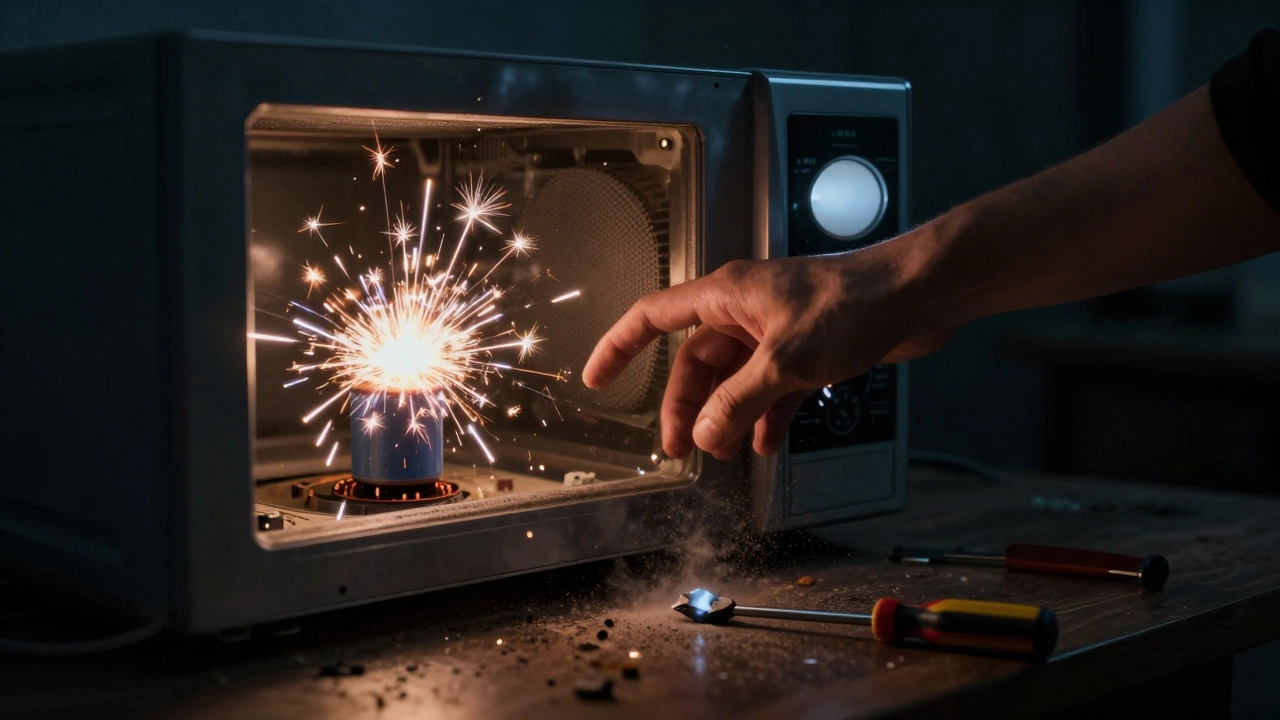
Most people think they’re just replacing a fuse or a light bulb. But opening the outer shell exposes you to components you can’t see or understand. The high-voltage diode, the transformer, the magnetron - each one carries enough energy to stop your heart.Even if you’re careful, one slip with a screwdriver can short a circuit. A single spark from the capacitor can burn through skin, melt metal tools, or ignite plastic parts. I’ve reviewed accident reports from WorkSafe NZ - three people in the last two years were hospitalized after trying to fix their own microwaves. One man lost the tip of his finger. Another suffered nerve damage from a shock that traveled up his arm.
And it’s not just about electric shock. Microwaves contain beryllium oxide in the magnetron. If you crack the magnetron open - which you might accidentally do while prying parts loose - you release a toxic dust. Inhaling it can cause chronic lung disease. It’s silent. It’s deadly. And you won’t know you’ve been exposed until it’s too late.
What Parts Can You Actually Replace Safely?
There are a few things you can replace without opening the high-voltage chamber:- The interior light bulb (usually behind a cover on the ceiling or side wall)
- The turntable motor (if it’s not spinning - often accessible from underneath)
- The door latch or switch (if the microwave won’t start - but only if you’re sure it’s not a sensor issue)
- The control panel keypad (if buttons stop working - unplug, remove front panel, and swap the ribbon cable)
These parts run on low voltage and are easy to access. No tools beyond a Phillips screwdriver and a small flathead are needed. You can find replacement parts on sites like TradeMe or from appliance parts suppliers in Auckland. Just make sure the model number matches exactly.
But if the microwave doesn’t heat, makes loud humming noises, or smells like burning plastic - stop. Don’t touch it. Those are signs of high-voltage failure.
How Much Does Professional Repair Cost?
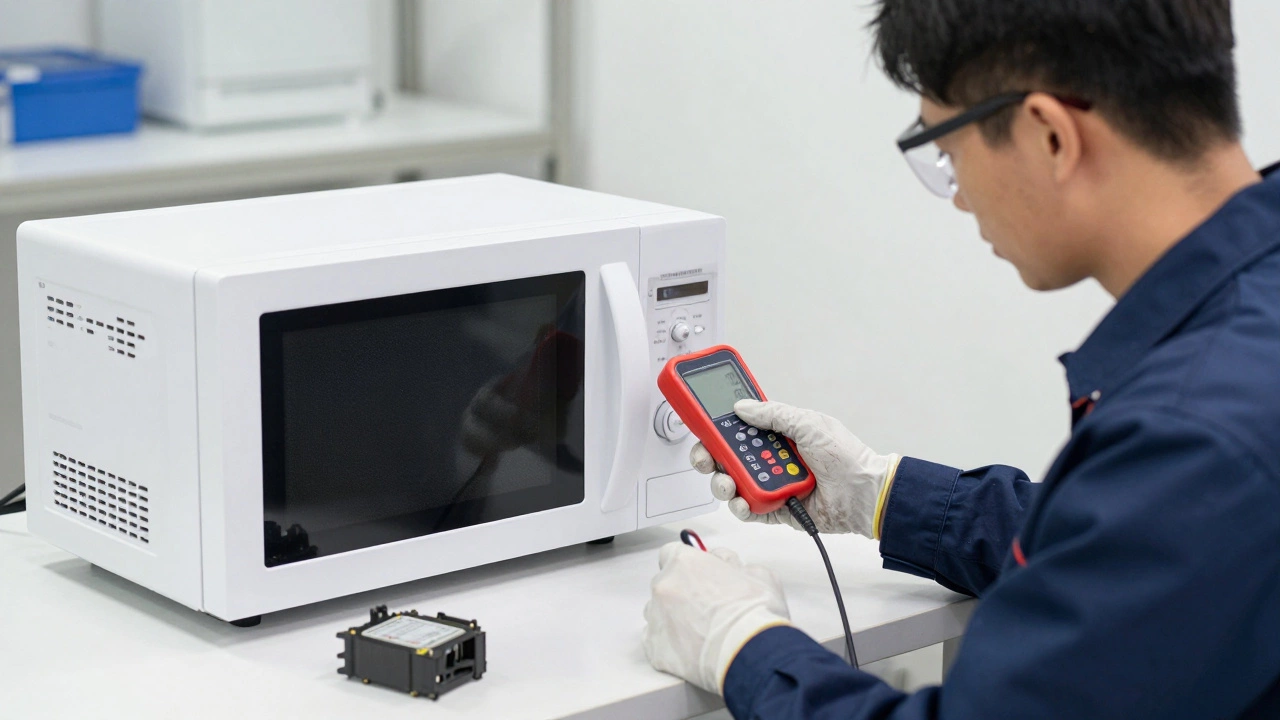
Many people avoid repair services because they think it’s too expensive. But here’s the reality: a qualified technician will charge between $80 and $150 for diagnosis and repair. That includes:- Unplugging and safely discharging the capacitor
- Testing the magnetron, diode, transformer, and capacitor
- Replacing faulty parts with OEM components
- Testing for radiation leaks (yes, they do this)
- Warranty on parts and labor
Compare that to a new microwave: $150-$400. Even if you pay $150 to fix it, you’re saving money - and your life.
Most repair shops in New Zealand offer same-day service. In Wellington, places like Appliance Fix Pro or Electriq Repair can have your microwave back in 24 hours. Some even offer pickup and drop-off.
When to Just Replace It
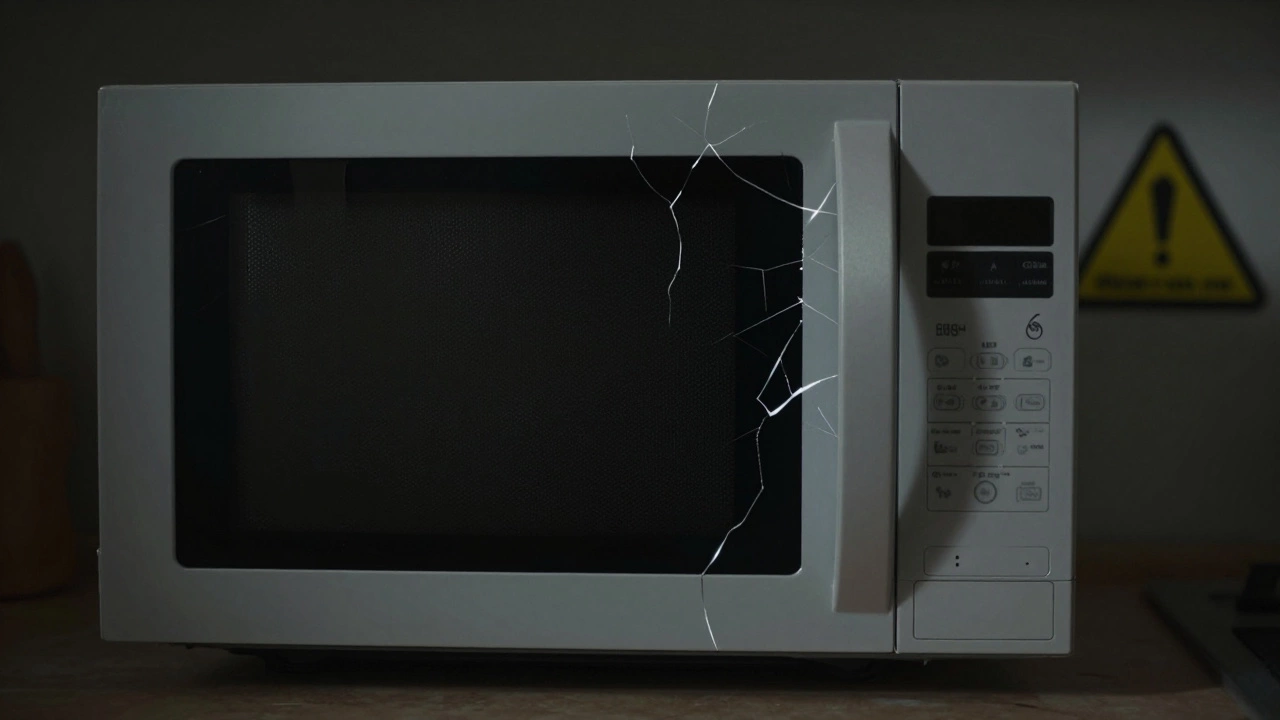
If your microwave is over 8 years old, it’s not worth fixing. Parts are harder to find. Efficiency drops. Radiation leakage becomes more likely. And the cost of repair often hits 70% of a new unit’s price.Also, if the door doesn’t seal tightly, the hinges are loose, or the glass turntable is cracked - walk away. These aren’t just inconveniences. They’re radiation hazards. Microwaves are designed with multiple safety layers. If one layer fails, others can’t be trusted.
Modern microwaves are cheaper, more efficient, and safer. A basic 700W model now costs under $120. You can get one with smart features, inverter technology, and auto-cleaning for $200. That’s less than the price of a single repair visit.
The Real Cost of Cutting Corners
Some people think, “I’m careful. I’ve done this before.” But accidents don’t happen because people are careless. They happen because they didn’t know what they were dealing with.One woman in Dunedin replaced her microwave’s fuse twice. The third time, she got shocked so badly she couldn’t use her right hand for six weeks. She didn’t know the capacitor was still charged. She didn’t know the fuse wasn’t the problem - the magnetron was failing.
There’s no glory in fixing a microwave yourself. There’s no savings if you end up in the hospital. And there’s no second chance.
If you’re unsure - call a pro. It’s not a sign of weakness. It’s a sign you know your limits. And in this case, your limits are worth protecting.
What to Do If Your Microwave Breaks
- Unplug it immediately. Don’t just turn it off.
- Don’t open the case. Ever.
- Write down the model number and brand.
- Search for local appliance repair shops in your city - most have websites with online booking.
- Ask if they test for radiation leakage after repair.
- If they say no, find someone else.
- Consider replacement if the unit is older than 8 years.
There’s no shame in replacing it. Your safety is worth more than the cost of a new appliance.
Can I replace the microwave light bulb myself?
Yes. The interior light bulb is low-voltage and usually accessible from inside the cavity or behind a removable cover. Unplug the microwave first, then remove the cover using a screwdriver. Replace the bulb with the exact same wattage and type (often a 20W or 40W appliance bulb). Avoid touching the new bulb with bare fingers - oils from your skin can shorten its life. Use a cloth or tissue to install it.
Why does my microwave turn on but not heat?
This usually means the magnetron - the part that generates microwaves - has failed. It could also be a blown high-voltage diode or a faulty capacitor. All of these components carry lethal voltage. A technician will test each one with a multimeter and safely discharge the system before replacing parts. Attempting this yourself risks electrocution or exposure to toxic beryllium oxide dust.
Is it safe to use a microwave after it sparks inside?
No. Sparking inside the cavity usually means metal is touching the walls, the waveguide cover is damaged, or the magnetron is failing. Even if you clean out foil or containers, the underlying issue may still exist. Continued use can damage the magnetron further or cause a fire. Stop using it immediately and get it checked by a technician.
Can a microwave leak radiation if the door is damaged?
Yes. Microwaves are designed with multiple safety interlocks and a metal mesh screen in the door that blocks radiation. If the door is bent, the seal is cracked, or the hinges are loose, radiation can leak out. Even small leaks over time can be harmful. If you suspect damage to the door, don’t use the microwave. A professional can test for radiation leakage with a meter - most repair shops do this for free.
How long should a microwave last before needing replacement?
Most microwaves last 7-10 years with normal use. After that, efficiency drops, parts become harder to find, and safety features degrade. If your microwave is over 8 years old and has a major issue - like not heating or making loud noises - replacement is usually the better option. New models are more energy-efficient, quieter, and come with better safety standards.