
Electric Range Repair vs. Replace Calculator
Use this tool to apply the "50% Rule" and other factors from our guide to make an informed decision about your aging electric range.
Recommendation
Financial Analysis
Risk & Longevity Factors
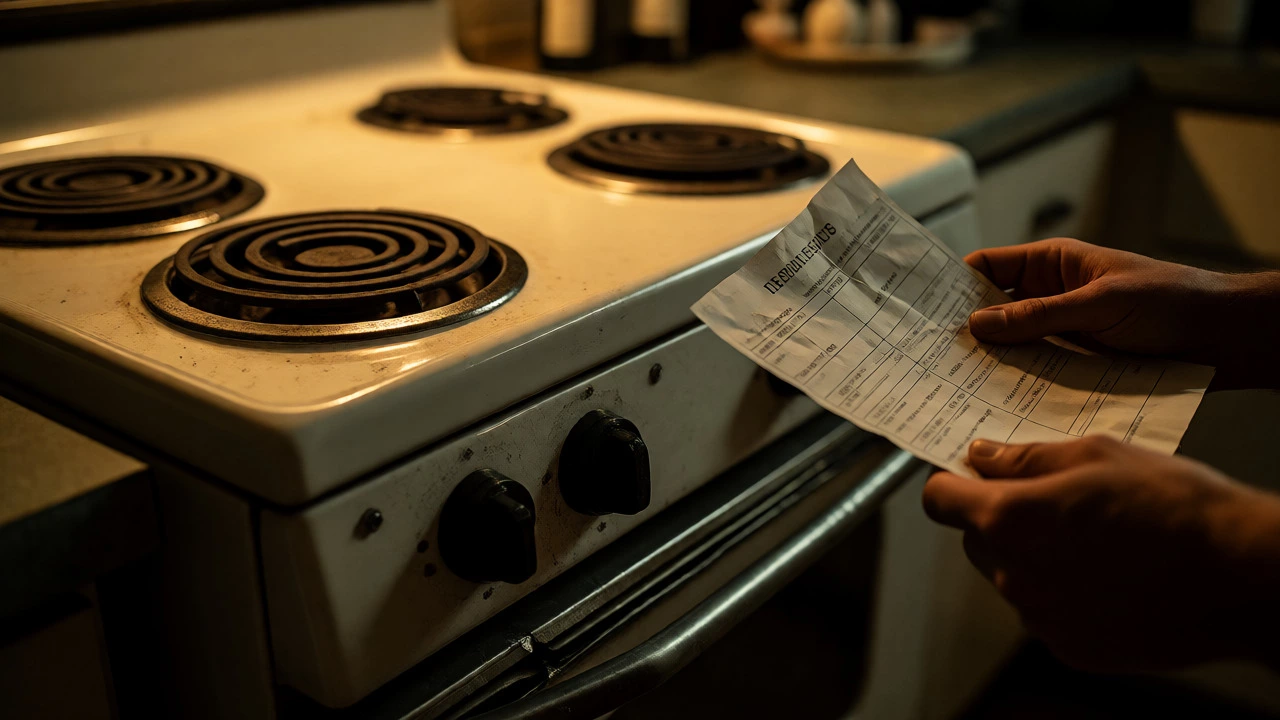
You’re staring at your electric range. The oven won’t heat evenly, the burners are acting up, or maybe the control board just died. It’s ten years old. That’s a long time in appliance years. You’ve got a quote for electric oven repair sitting on your counter, and it looks suspiciously close to what you’d pay for a new unit. So, do you fix it or ditch it? There’s no single right answer, but there is a smart way to decide.
The 50% Rule and Other Hard Numbers
Here’s the golden rule most technicians swear by: if the repair costs more than 50% of the price of a comparable new model, replace it. If it’s less than 50%, fix it. But that’s not the whole story. A ten-year-old range isn’t just about age; it’s about condition and efficiency.
Let’s look at the math. Say a new mid-range electric range costs $800. If your repair quote is $450, you’re over the 50% line ($400). Technically, replace it. But wait. Does your current range have other issues? Is the door seal cracked? Are the coils sagging? If yes, that $450 might turn into $600 next year when something else breaks. On the flip side, if your range is otherwise pristine-clean interior, working lights, solid hinges-a $300 repair might buy you another five years of reliable cooking.
| Factor | Lean Toward Repair | Lean Toward Replace |
|---|---|---|
| Repair Cost | < 50% of new unit price | > 50% of new unit price |
| Brand Reputation | High-end (Wolf, Viking, Bosch) | Budget brands (Frigidaire, Hotpoint) |
| Energy Efficiency | Current usage is acceptable | New models save >20% energy |
| Aesthetic Fit | Matches existing kitchen perfectly | Kitchen needs modernization anyway |
| Parts Availability | Common parts easily sourced | Obsolete or backordered parts |
Why Brand Matters More Than Age
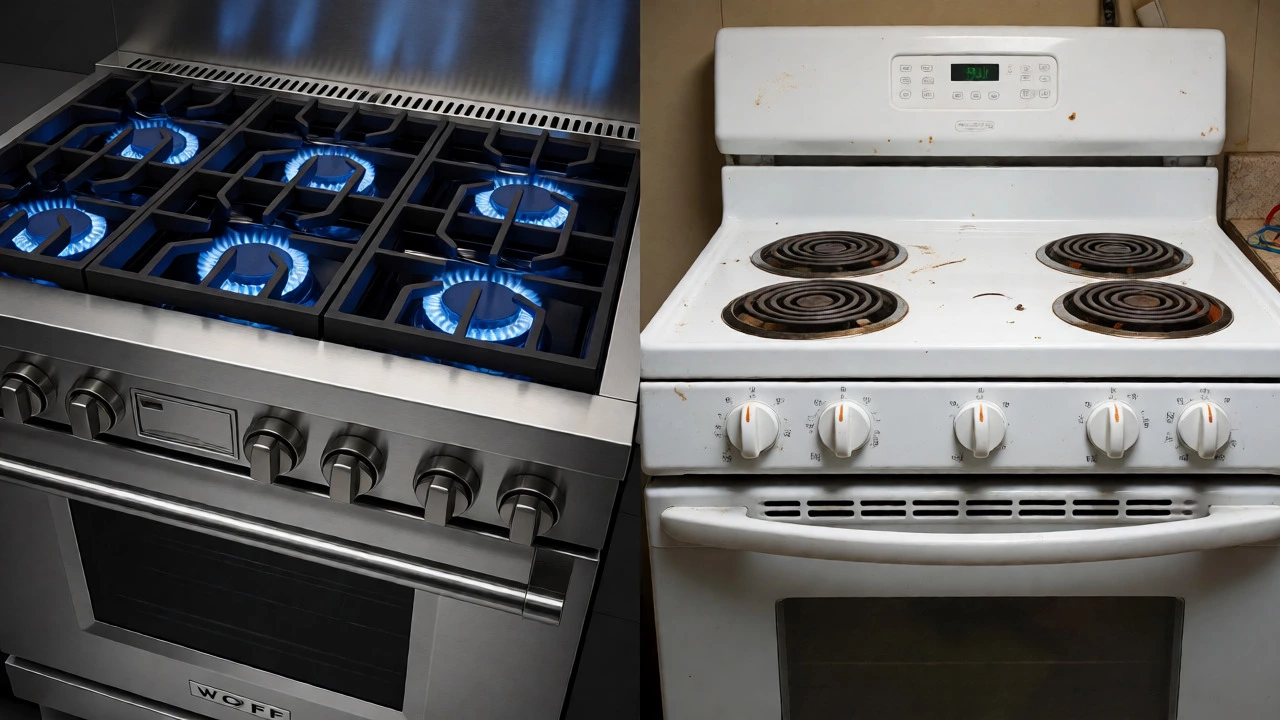
A ten-year-old Wolf is a luxury American appliance brand known for professional-grade performance and durability is a different beast than a ten-year-old budget brand. High-end ranges were built with commercial-grade components. Their heating elements, thermostats, and switches are designed to last 15-20 years. Replacing a $200 part on a $3,000 Wolf makes sense because the rest of the machine is still solid.
Now consider a Frigidaire from the same era. These are workhorses, sure, but they use thinner metals, plastic knobs, and lower-tier electronics. When one component fails, others often follow within months. Spending $300 to fix a Frigidaire that might die again in six months feels like throwing money away. In these cases, replacing the unit is usually the smarter financial move, even if the repair is under 50%.
The Hidden Costs of Keeping an Old Range
It’s not just about the repair bill. Older electric ranges consume more electricity. Newer models feature better insulation, faster preheat times, and more efficient coil designs. According to the U.S. Department of Energy, newer appliances can be 9-10% more efficient than models from ten years ago. For a heavy user, this might save $20-$30 a year. Not huge, but it adds up.
Then there’s the risk factor. Electrical faults in older appliances can be dangerous. Worn-out wiring, corroded terminals, and failing capacitors increase the chance of short circuits or even fire hazards. If your range has had multiple repairs already, you’re playing with fire-literally. A new unit comes with a warranty, usually one year on parts and labor, sometimes longer on specific components like the oven cavity. Your repaired ten-year-old range? You’re lucky if you get 90 days on the repair itself.
When Repairing Makes Perfect Sense
So, when should you definitely fix it? Here are three scenarios where keeping your old range is the clear winner:
- You bought a premium brand. If you own a Bosch, a German engineering company known for precision and high-quality home appliances, or a Thermador, these machines are built to last. Parts may be expensive, but the chassis is solid. A $400 repair on a $2,500 range is a bargain compared to buying a new one.
- The problem is minor and isolated. A broken burner switch, a faulty light bulb socket, or a stuck timer dial are cheap fixes. If the core heating elements and control board are fine, don’t throw out the baby with the bathwater.
- Your kitchen is due for a remodel soon. If you plan to renovate in the next two years, why spend $1,000 on a new range now only to rip it out later? Patch it up, cook comfortably, and upgrade everything together.
The Environmental Angle
We talk a lot about saving money, but let’s talk about waste. Manufacturing a new appliance consumes significant resources-steel, aluminum, copper, plastics, and rare earth minerals. Shipping it across the country burns fuel. Disposing of the old one takes up landfill space unless it’s properly recycled. From an environmental standpoint, repairing is almost always better. Extending the life of an appliance by five years reduces its carbon footprint per year of use significantly. If you’re eco-conscious, try to repair first, replace second.
How to Get an Honest Quote
Not all technicians are created equal. Some will upsell you on unnecessary parts. Others will tell you it’s “not worth fixing” because they want to sell you a new unit through their store. Here’s how to protect yourself:
- Get two quotes. Never rely on one opinion. Call a local independent technician and a service center authorized by your brand.
- Ask for the part number. Look up the part online. If the tech charges $150 for a $20 thermostat, ask why. Labor is fair, but markups on common parts should be reasonable.
- Check the warranty status. Even if the main warranty is expired, some brands offer extended warranties on critical parts like the oven sensor or control panel. You might be entitled to a free repair.
What About Smart Features?
Ten years ago, Wi-Fi-enabled ovens were rare. Today, they’re standard. Do you miss features like remote preheating, voice control, or self-cleaning cycles? If you never used them before, don’t start now. Many homeowners find that smart features are nice-to-haves, not need-to-haves. Focus on what matters: does it bake evenly? Does it clean easily? Is it safe? If your old range does those things well after a repair, ignore the hype. If you’ve always wanted convection cooking or steam assist, then yes, upgrading gives you a tangible quality-of-life improvement.
Making the Final Call
There’s no magic formula, but here’s a quick checklist to help you decide tonight:
- Is the repair cost less than half the price of a new comparable model? If yes, lean toward repair.
- Is the brand high-end or known for longevity? If yes, lean toward repair.
- Has the range had multiple breakdowns in the last two years? If yes, lean toward replace.
- Do you plan to stay in your home for more than five years? If yes, consider replace for reliability and efficiency.
- Are parts for your model hard to find? If yes, lean toward replace.
Ultimately, trust your gut. If you love your range and it’s been faithful, spend the money to keep it running. If it’s caused you stress, frustration, and repeated calls to technicians, cut your losses. A new range brings peace of mind, better performance, and often, a fresh start for your kitchen.
How much does it typically cost to repair an electric oven?
Costs vary widely depending on the issue. Simple fixes like replacing a burner element or thermostat usually run between $150 and $300, including labor. Major repairs involving the control board or wiring harness can cost $400 to $600. Always ask for a diagnostic fee upfront, which is often waived if you proceed with the repair.
Is it cheaper to repair or replace a stove?
Generally, repairing is cheaper in the short term. However, if the repair cost exceeds 50% of the replacement price, or if the appliance is nearing the end of its lifespan (10-15 years), replacing is often more cost-effective long-term due to reduced risk of future breakdowns and improved energy efficiency.
How long do electric ranges last?
The average lifespan of an electric range is 13 to 15 years. High-end models can last 20+ years with proper maintenance. Budget models may start experiencing frequent failures around the 10-year mark. Regular cleaning and checking seals can extend this lifespan.
Should I repair my oven if I’m selling my house?
If the oven works, leave it alone. Buyers expect appliances to be functional, not necessarily new. A major renovation or appliance upgrade rarely yields a full return on investment at resale. Only repair if the malfunction would cause a failed inspection or scare off buyers during showings.
What are signs my range needs replacing instead of repairing?
Key signs include: uneven baking despite calibration, excessive smoke from normal use, electrical sparks, burning smells not tied to food spills, and visible rust or corrosion on internal components. If the door doesn’t seal tightly or the glass is shattered, replacement is safer and more practical.