
Repair vs. Replace Decision Tool
Input Details
Enter details to get advice
This tool uses the industry-standard 50% rule and safety guidelines to help you decide.
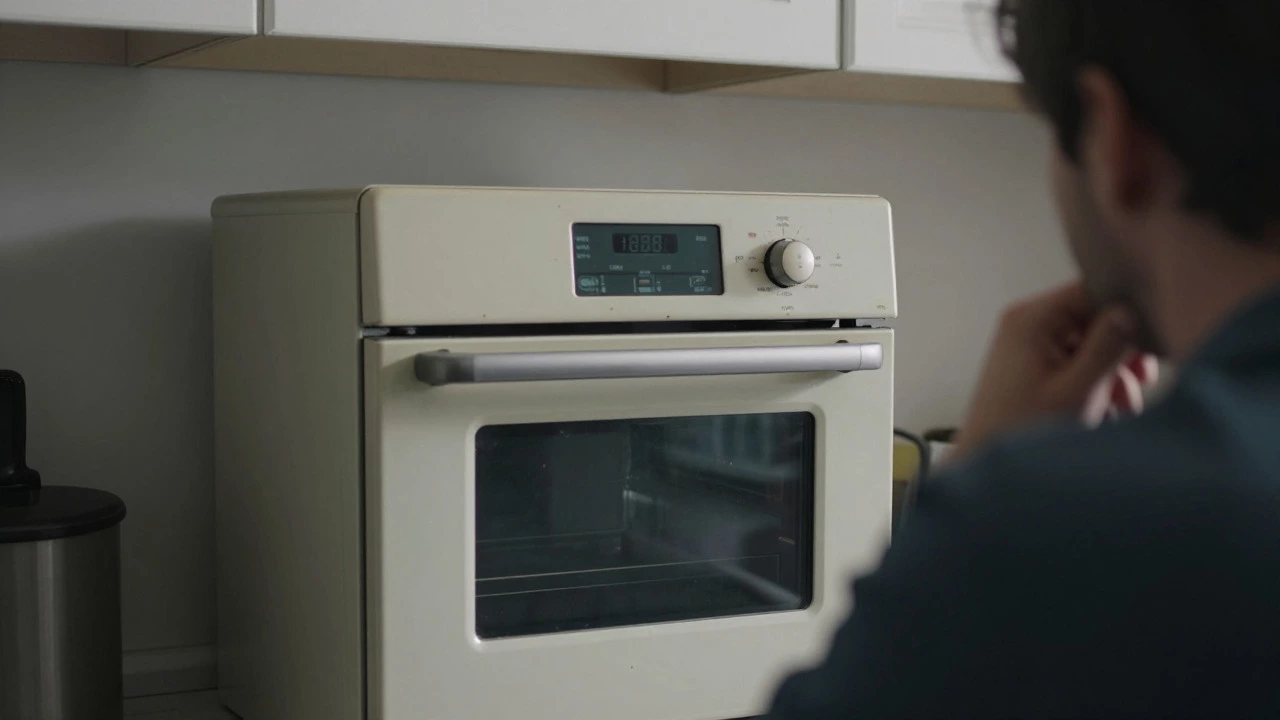
That clunky electric oven that has been heating your casseroles since the early 2000s just stopped working. The display is dark, or maybe it won't stay hot enough to bake bread properly. You are standing in the kitchen, staring at this twenty-year-old machine, wondering if you should call a technician for an oven repair or just bite the bullet and buy a new one.
It is a classic dilemma. On one hand, throwing away a large appliance feels wasteful. On the other hand, fixing something that old can be a financial black hole. The short answer is: usually, no, it is not worth repairing a 20-year-old oven unless the problem is incredibly simple and cheap to fix. However, there are exceptions based on the specific model, the nature of the breakdown, and your budget constraints.
The 50% Rule: When Does Repair Make Financial Sense?
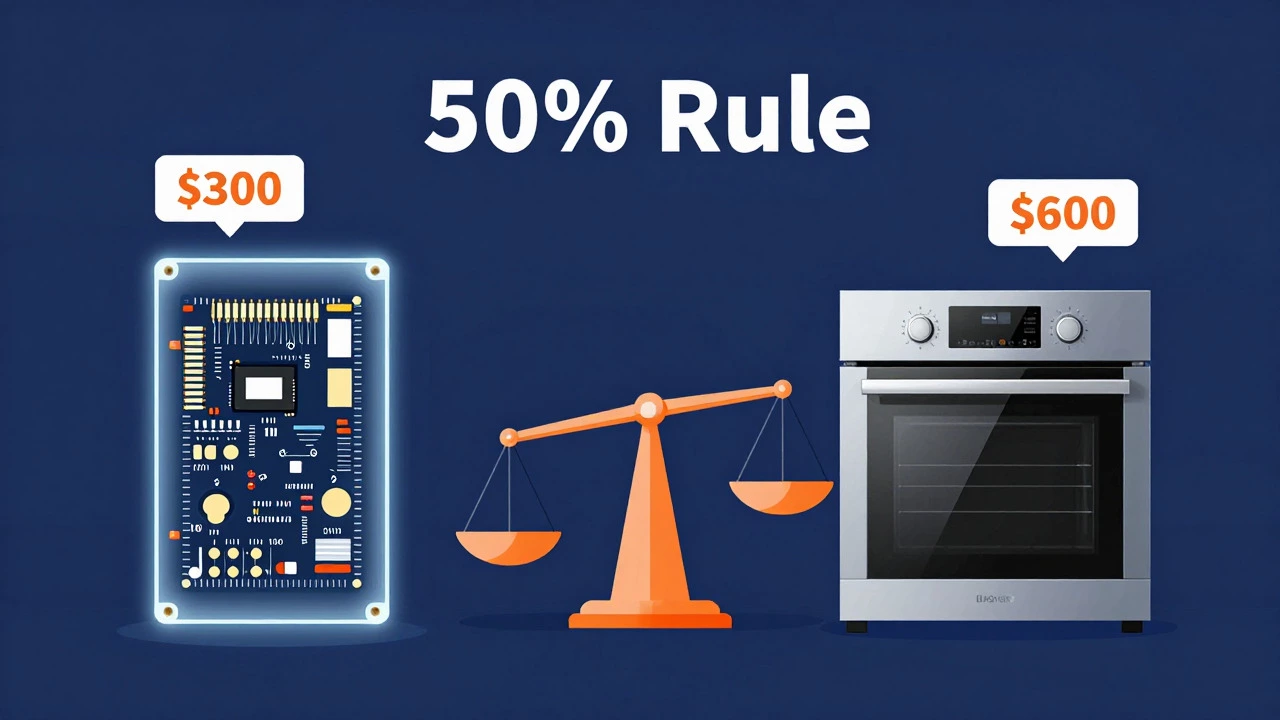
In the world of appliance maintenance, technicians often use a rough guideline known as the 50% rule. If the cost of the repair exceeds half the price of a comparable new unit, replacement is generally the smarter move. Let us break down what that looks like for a two-decade-old machine.
A basic new electric oven today might cost anywhere from $400 to $800 depending on features. A high-end built-in model can easily run $1,500 or more. If your old oven needs a new control board, which is common for electronics that have aged poorly, the part alone could cost $150 to $300. Add in labor rates, which in places like Wellington, New Zealand, can range from $80 to $120 per hour, and you are quickly looking at a bill of $300 to $500.
If that repair gets you another year or two out of the appliance, you are likely better off putting that money toward a down payment on a new, efficient model. But if the issue is something minor, like a faulty door switch or a broken heating element that costs $30 and takes ten minutes to replace, the math flips. In those cases, repair makes perfect sense.
| Scenario | Estimated Cost | Expected Lifespan After Fix | Recommendation |
|---|---|---|---|
| Minor Part (Element/Switch) | $50 - $150 | 1 - 3 years | Repair |
| Moderate Issue (Thermostat/Fan) | $200 - $350 | 6 months - 2 years | Consider Replacement |
| Major Failure (Control Board/Compressor) | $400 - $700+ | Unknown / High Risk | Replace |
| New Standard Electric Oven | $400 - $900 | 10 - 15 years | Best Long-Term Value |
Safety Concerns with Aging Appliances
Money is only one side of the coin. The bigger concern with a 20-year-old oven is safety. Electrical standards and manufacturing materials have evolved significantly over the last two decades. An oven from 2006 operates on different safety protocols than one bought in 2026.
One major issue is insulation degradation. Over time, the thermal insulation inside the oven walls breaks down. This means the exterior of the oven may get dangerously hot during use, posing a burn risk, especially for children or pets. Additionally, wiring becomes brittle and prone to cracking. A cracked wire inside a wall cavity or behind the panel can lead to arcing, which is a leading cause of household fires.
Gas ovens present even higher risks. While this guide focuses on electric models, the principle holds: aging seals, valves, and igniters can fail catastrophically. For electric units, check the power cord. Is it frayed? Does the plug feel loose? If so, do not wait for a professional diagnosis; these are immediate red flags that suggest replacement is the only safe option.
Energy Efficiency: The Hidden Cost of Old Technology
You might think your old oven works fine because it still heats up. But does it heat efficiently? Energy consumption has dropped dramatically for modern appliances due to stricter regulations and better engineering. A 20-year-old oven is likely using significantly more electricity to achieve the same cooking results as a new model.
Modern convection ovens use fans to circulate hot air, allowing you to cook food faster and at lower temperatures. Many older models rely solely on radiant heat, which is slower and less even. Furthermore, newer doors have triple-pane glass and improved seals that keep heat inside the cavity rather than radiating it into your kitchen. In summer, that difference matters. Your air conditioner has to work harder to cool the house when an inefficient oven is running.
Over a year, the extra electricity usage of an old oven can add $50 to $100 to your utility bills. Spread over five years, that is hundreds of dollars wasted. When you factor in the environmental impact of that excess energy consumption, replacing the old unit becomes not just a personal economic decision, but an environmentally responsible one.
Common Failures in 20-Year-Old Ovens
Understanding what typically breaks in old ovens helps you decide whether to repair or replace. Here are the most frequent culprits:
- Heating Elements: These are the coils at the bottom and top of the oven. They burn out over time. Replacing them is relatively easy and inexpensive, often making it a viable repair candidate.
- Thermal Fuses: These safety devices blow if the oven overheats. If yours has blown, it indicates a deeper issue with temperature regulation. Replacing the fuse is cheap, but finding the root cause is hard.
- Control Boards: The brain of the oven. Moisture, heat, and age destroy circuit boards. Once this fails, the oven is often unresponsive. Parts are expensive and sometimes discontinued.
- Door Seals: Rubber gaskets dry out and crack. Heat escapes, cooking times increase, and the oven surface gets hotter. Seals can be replaced, but they are a sign of general wear.
- Temperature Sensors: If your oven runs too hot or too cold, the sensor might be drifting. Calibration is possible, but sensor replacement adds up in cost.
If your problem falls into the first or fourth category, repair is plausible. If it is the second, third, or fifth, lean towards replacement.
Parts Availability and Obsolescence
Even if you find a technician willing to take the job, can they actually get the parts? Manufacturers typically support their products for about 10 to 15 years. After that, spare parts become scarce. Some brands stop producing components entirely once a model line is discontinued.
For a 20-year-old oven, you might face weeks of waiting for a specific relay or switch. Or worse, you might be told that the part is obsolete. In these scenarios, you are left with a non-functional oven and no clear path to repair. This uncertainty adds stress and inconvenience to your daily life. Buying a new oven guarantees immediate functionality and a full warranty period, usually covering parts and labor for one to five years.
When Repair Might Still Be the Right Choice
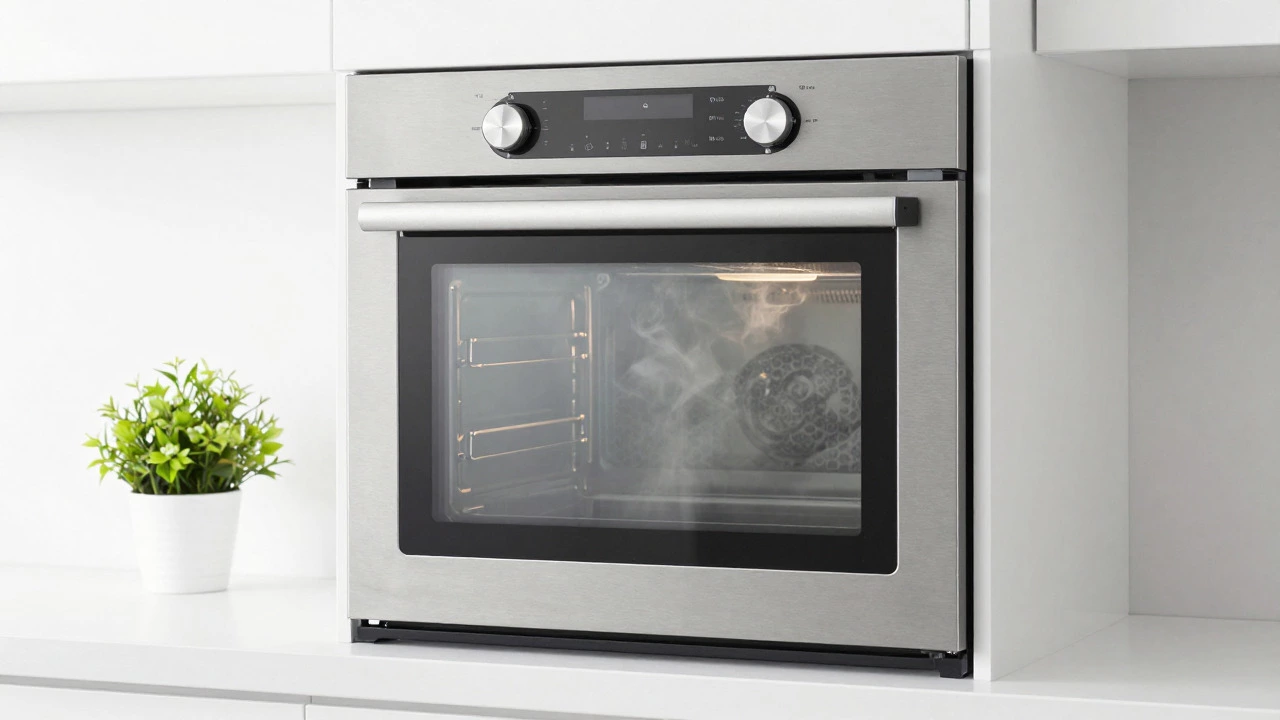
Are there any reasons to keep that old oven? Yes, but they are specific. First, consider the type of oven. If you have a high-end commercial-grade range or a specialized heritage model that is difficult to replace with equivalent performance, repair might be justified. Second, if you are on a very tight budget and cannot afford a new appliance right now, a temporary fix can bridge the gap. Just ensure the repair addresses safety issues.
Another factor is installation complexity. Built-in ovens require precise cabinetry modifications. If your kitchen cabinets were custom-built for that specific 20-year-old model, buying a new oven might involve costly carpentry work to fit the new dimensions. In this case, repairing the existing unit avoids structural changes to your kitchen. Measure your current oven carefully before deciding. Width, height, and depth variations of even an inch can complicate replacement.
Steps to Decide: A Practical Checklist
To make your final decision, walk through this checklist:
- Diagnose the Issue: Can you identify the problem? If it is a visible broken element, note that. If the oven simply won't turn on, it could be electrical.
- Get Quotes: Call at least two local appliance repair services. Ask for a diagnostic fee estimate and potential repair costs. Be upfront about the age of the oven.
- Check Warranty Status: Confirm if any extended warranty exists. Most standard warranties expire after one year, so this is unlikely for a 20-year-old unit, but worth checking.
- Assess Safety: Look for frayed wires, burning smells, or excessive heat on the exterior. If any are present, skip repair and replace immediately.
- Calculate Total Cost: Add repair costs to the expected remaining lifespan value. Compare this to the price of a new oven plus installation.
- Consider Convenience: How long can you live without an oven? Repair might take days for parts; replacement might mean waiting for delivery but ensures long-term reliability.
Transitioning to a New Oven
If you decide to replace the old unit, the process is straightforward. First, disconnect the power supply at the circuit breaker. Do not just unplug it; ensure the circuit is dead. Then, remove the oven from its housing. For slide-in models, this is easier. For built-ins, you may need to detach mounting brackets.
When shopping for a replacement, look for energy-efficient models with convection features. Check the dimensions of your cabinet space carefully. Modern ovens often come with smart features, such as Wi-Fi connectivity, which allows you to preheat the oven from your phone. While not essential, these features add convenience. Ensure the new oven matches your voltage requirements, typically 240 volts for larger electric ovens in New Zealand homes.
Disposing of the old oven responsibly is important. Many recycling centers accept large appliances. Some retailers offer haul-away services when you purchase a new unit. Avoid dumping it in a landfill; metals and electronic components can be recycled effectively.
How much does it cost to repair a 20-year-old oven?
The cost varies widely depending on the issue. Minor repairs like replacing a heating element might cost $50 to $150 including labor. Major repairs involving control boards or complex electrical issues can range from $300 to $600 or more. Given the age, many repairs approach the cost of a budget-friendly new oven.
Is it safe to use a 20-year-old oven?
It can be safe if it has been well-maintained and shows no signs of wear like frayed wires, burning smells, or excessive exterior heat. However, aging insulation and brittle wiring increase fire risks. Regular inspection by a qualified electrician or technician is recommended if you continue to use it.
What are the signs my oven needs replacement instead of repair?
Key signs include frequent breakdowns, uneven cooking temperatures, excessive energy bills, visible damage to wiring or panels, and difficulty finding replacement parts. If the repair cost exceeds 50% of a new oven's price, replacement is usually the better financial choice.
Can I replace a built-in oven myself?
Replacing a slide-in or freestanding oven is manageable for DIYers with basic electrical knowledge. Built-in ovens are more complex, requiring careful removal of mounting hardware and ensuring proper ventilation and clearance. If you are unsure about electrical connections or cabinet modifications, hire a professional installer to avoid safety hazards.
How long do electric ovens typically last?
Most electric ovens have an average lifespan of 10 to 15 years with regular use. Factors like frequency of use, cleaning habits, and quality of the initial build affect longevity. A 20-year-old oven is already considered beyond its expected service life.