
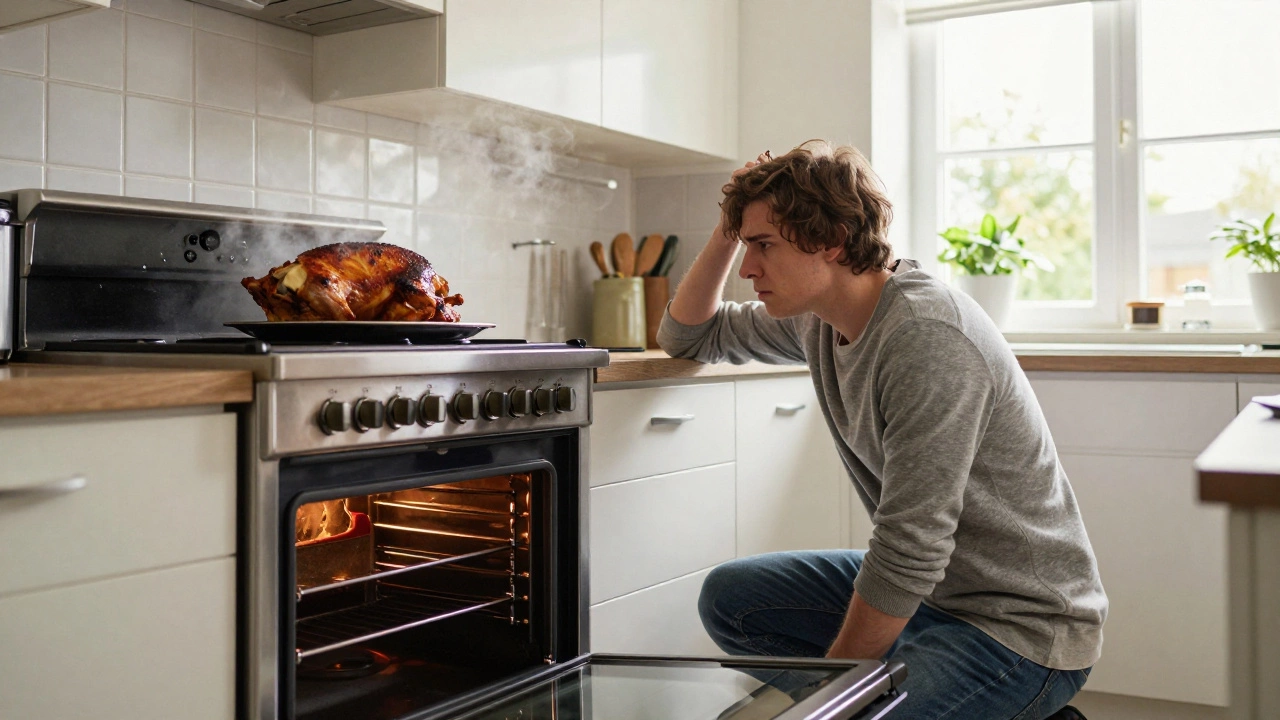
Cooker Repair vs. Replace Calculator
Enter your details and click calculate to see the recommended action based on the 50% rule.
Decision Logic Used:
- The 50% Rule: If repair costs exceed 50% of the replacement cost, it's generally better to replace.
- Age Factor: Units over 8-10 years are more prone to multiple failures shortly after a single repair.
- Efficiency: Newer models offer better energy ratings and convection technology.
Quick Decision Guide
- Repair if: The cost is under 50% of a new unit and the cooker is less than 8 years old.
- Replace if: The main chassis is rusted, the control board is fried on an old model, or energy bills are skyrocketing.
- Immediate Danger: If you smell gas or see sparking wires, stop everything and call a pro.
- DIY Potential: Simple things like heating elements or igniters are often easy fixes.
- The 50% Rule: Never spend more than half the cost of a replacement on a single repair.
The Financial Math of Repair vs. Replace
When you're weighing your options, the first thing to look at is the cost of the part plus the labor. Most professional technicians charge a call-out fee just to show up, which can range from $80 to $150 depending on where you live. If the part is a simple cooker repair process involving the replacement of a worn-out component to restore appliance functionality, like a replacement knob or a simple fuse, it's a no-brainer. But if you're looking at a motherboard replacement, the math changes.
Use the "50% Rule." If the total bill to get your cooker working again is more than 50% of what a brand-new, equivalent model would cost, you're throwing money away. For example, if a decent new oven costs $600 and the repair estimate is $350, you're better off upgrading. Why? Because a repair fixes one specific problem, but it doesn't stop the rest of the 10-year-old components from wearing out. A new unit comes with a fresh warranty and better energy efficiency.
| Repair Cost | Age of Appliance | Verdict | Reasoning |
|---|---|---|---|
| Low (<$150) | 1-5 Years | Repair | High ROI, minimal risk. |
| Medium ($150-$300) | 5-10 Years | Toss Coin | Check for other aging parts first. |
| High (>$300) | 10+ Years | Replace | Likely to fail elsewhere soon. |
Common Culprits: What's Actually Broken?
Not all breakdowns are created equal. Some are catastrophic, and some are just annoying. If you have an Electric Ovena kitchen appliance that uses electricity to heat the interior for cooking and baking, the most common failure is the bake element. These are the big coils at the bottom. They eventually burn out, much like a lightbulb. Replacing an element is usually affordable and makes the unit feel new again.
On the other hand, if you have a Gas Cookera cooking appliance that uses natural gas or propane as a fuel source, you might be dealing with a faulty Thermocouplea sensor that monitors temperature and controls the gas flow for safety. This is a small part that tells the gas valve to shut off if the flame goes out. If your burner won't stay lit, this is usually the culprit. It's a cheap part, but it requires a steady hand to install.
The real nightmare is the Control Boardthe electronic circuit board that manages the timing, temperature, and functions of a modern cooker. In modern digital cookers, this is the "brain." When it fries, the cooker becomes a very expensive piece of metal. Because these boards are proprietary to the manufacturer, they are expensive. If your cooker is over 7 years old and the control board dies, it's almost always time to shop for a new one.

The Hidden Cost of Old Tech: Energy Efficiency
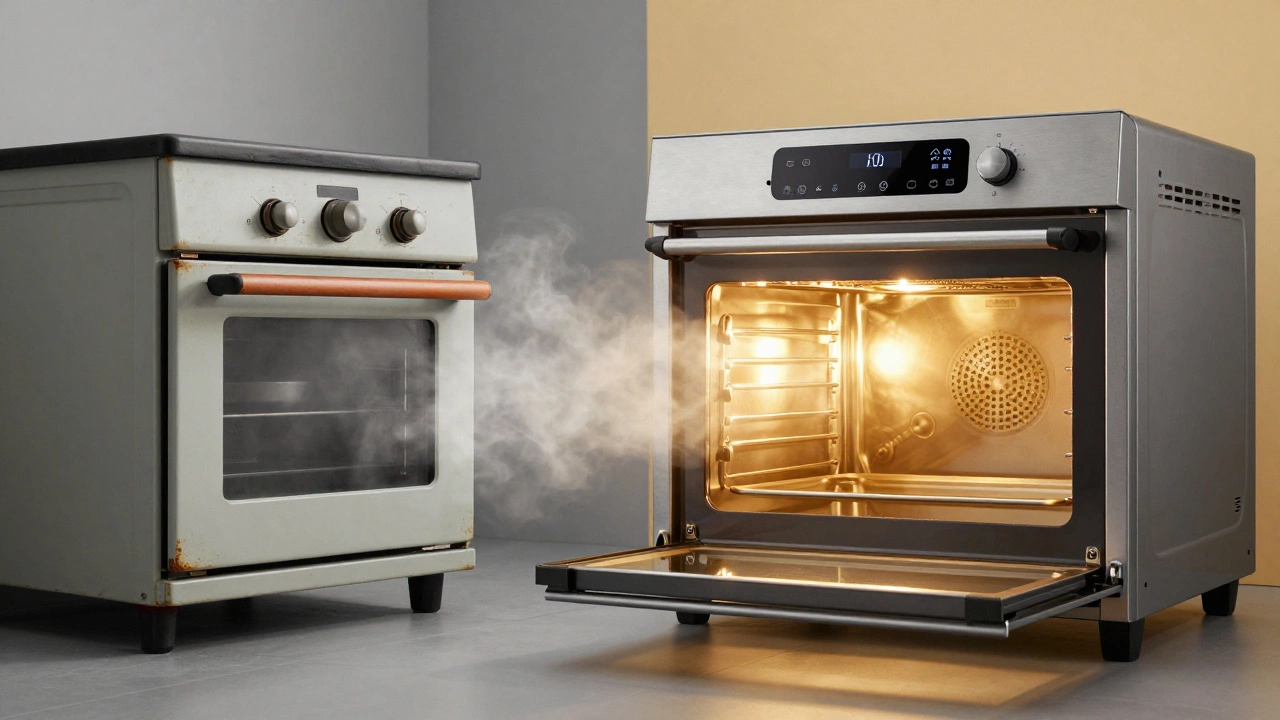
One thing people forget when deciding to repair is the "energy leak." A cooker from 2010 doesn't insulate heat nearly as well as a 2026 model. Old seals around the door perish, letting heat escape into your kitchen. This means your oven has to run longer and hotter to reach the desired temperature, which spikes your electricity or gas bill.
Modern appliances now use Convection Cookinga method of cooking that uses a fan to circulate hot air around the food for more even heating more efficiently. If you're upgrading from a standard oven to a high-efficiency convection model, you might actually save enough on monthly utility bills to offset the cost of the new appliance within a couple of years. If you're still using a model that requires a 20-minute preheat, you're losing time and money every single day.
When You Should Never Attempt a DIY Repair
I'm all for saving a few bucks, but there are lines you just don't cross. First, if you're dealing with gas lines, unless you are a licensed professional, put the tools down. A small leak in a gas pipe can lead to a catastrophic explosion. Gas repairs are not the place for "trial and error." Always hire a certified technician for anything involving the fuel line.
Second, be careful with high-voltage capacitors in electric cookers. Even when the unit is unplugged, some components can hold a lethal electrical charge. If you open up the back of your machine and see large capacitors, don't touch them unless you know exactly how to discharge them safely. Your life is worth more than the $200 you'd save on a service call.
Environmental Impact: Repairing for the Planet
There is a strong argument for repairing simply to reduce waste. We are currently facing a massive problem with "e-waste." Throwing a 100kg steel and glass machine into a landfill because a $20 switch broke is a tragedy. If the body of the cooker is still solid and not rusted through, repairing it is the greener choice.
However, this only works if the repair is sustainable. If you spend $200 fixing a unit that is so inefficient it wastes 30% more energy than a new one, you're not actually helping the planet in the long run. The carbon footprint of the wasted energy over the next five years will outweigh the footprint of manufacturing a new, efficient machine. Balance the desire to reduce landfill waste with the reality of energy consumption.
The Final Checklist Before You Call the Pro
Before you pick up the phone, do a quick sanity check. You'd be surprised how many "broken" cookers are actually just simple mistakes. Check these three things first:
- The Power Source: Is the circuit breaker tripped? Sometimes a power surge flips the switch in your electrical panel, and the cooker looks dead when the fix is just a flip of a switch.
- The Door Seal: Close the door and try to slide a piece of paper through the gap. If it slides through easily, your gasket is shot. This isn't a "broken" cooker, but a "leaky" one that needs a new seal.
- The Settings: Did someone accidentally hit the "Demo Mode" or "Child Lock" button? Many modern digital ovens have a lock feature that disables the controls, making it seem like the electronics have failed.
How long do most cookers actually last?
On average, a quality electric or gas cooker lasts between 10 and 15 years. However, high-end professional brands can last 20+ years, while cheaper, budget-friendly models often start showing significant wear after 7 years. The lifespan depends heavily on how often you use it and whether you clean the burners and vents regularly.
Is it worth replacing just the oven element?
Yes, usually. Heating elements are considered "consumable" parts, meaning they are designed to eventually wear out. Replacing an element is typically a low-cost repair that can extend the life of your cooker by several more years, provided the rest of the unit is in good shape.
What are the signs that a cooker is beyond repair?
The biggest red flags are severe structural rust (corrosion of the main frame), a failed main control board on an obsolete model where parts are no longer manufactured, or multiple major failures happening at once (e.g., a broken element AND a leaking gas valve). If the cost of the combined repairs exceeds 50% of a new unit, it's time to move on.
Can I find parts for an old cooker online?
Often, yes. Many third-party sellers keep stock of components for older models. However, be wary of "generic" parts that aren't specifically listed for your model number, as they can cause fitment issues or, in the worst case, electrical hazards. Always search by the specific model number found on the data plate inside the door or on the back.
Does a warranty usually cover cooker repairs?
Standard manufacturer warranties typically cover parts and labor for 1 to 2 years. Some brands offer extended warranties on specific components, like the motor or the heating element, for 5 years. Always check your manual or the original receipt. If you're outside the warranty period, you'll be paying for the diagnostic visit and the parts.
Next Steps: Making Your Move
If you've decided to repair, your next move is to get a written quote. Don't just accept a verbal estimate over the phone. Ask the technician to list the specific parts being replaced and the labor hours involved. This prevents "scope creep" where the price magically increases once they start taking the machine apart.
If you've decided to replace, don't just buy the first thing you see. Look for energy star ratings and read reviews regarding the actual heat distribution. If you're upgrading to an induction cooker, remember that you might need new cookware (magnetic pans), which is an extra cost to factor into your budget. Measure your current cutout dimensions twice-nothing is more frustrating than buying a new cooker that doesn't fit into the existing kitchen gap.