
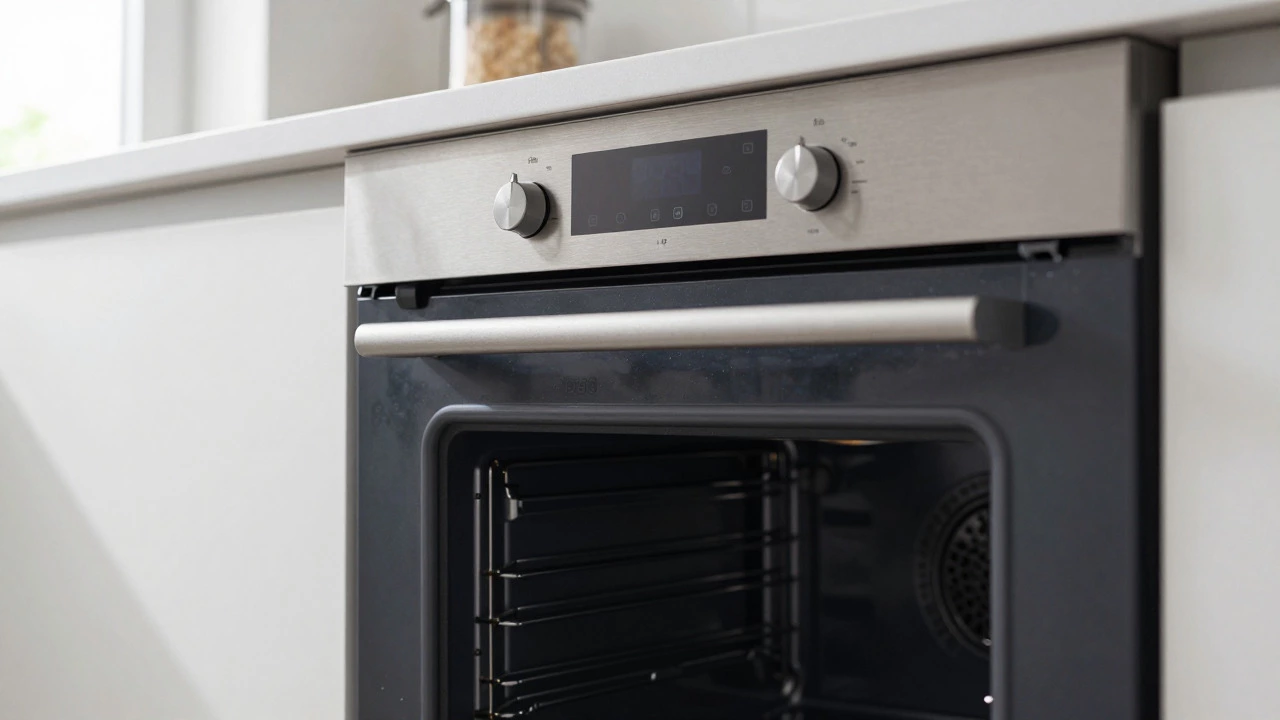
Oven Repair vs. Replace Decision Tool
Verdict
ResultTotal Repair Cost
$0
New Oven Price
$0
Your oven suddenly stops heating, or the display goes dark while the knobs still click. It’s a frustrating moment that usually means one of two things: the oven control board is the electronic circuit board that manages power distribution, temperature sensing, and user interface functions in modern electric ovens. This component acts as the brain of the appliance, translating your dial settings into electrical signals for the heating elements. When it fails, you’re left with a broken kitchen workhorse. The immediate question on every homeowner’s mind is simple: should I just replace this part, or is the whole oven beyond saving?
The answer isn't always yes. In many cases, replacing the board is a cost-effective move that extends the life of a good appliance by another five to ten years. However, if your oven is older than eight years or has other underlying issues, spending money on parts might be a waste. Let's break down the real numbers, the hidden risks, and the practical steps to make the right call for your specific situation.
Understanding the Role of the Control Board
To decide if replacement is worth it, you first need to understand what you’re actually fixing. Unlike older ovens that used mechanical timers and simple relays, modern electric ovens rely heavily on digital logic. The control board handles everything from preheating cycles to keeping food warm at low temperatures. It communicates with the thermostat and the heating elements to maintain precise temperatures.
When this board fails, symptoms vary. You might see:
- A blank display screen despite the oven being plugged in.
- The oven running continuously without turning off (shorted relay).
- Inconsistent temperatures where the oven runs too hot or too cold.
- Error codes flashing on the panel (e.g., F1, E5) that reset but return after cooling.
It is crucial to distinguish between a bad board and a bad sensor. A faulty temperature sensor can send wrong data to the board, causing it to behave erratically. If you replace the board but leave a defective sensor in place, the new board will likely fail quickly because it’s receiving incorrect input signals. Always test the sensor resistance with a multimeter before ordering expensive electronics.
The Cost Reality: Parts vs. Labor
Money is the biggest factor in this decision. Here is a realistic look at what you might spend in 2026. Prices fluctuate based on brand and region, but these averages give you a solid baseline.
| Item | DIY Cost (USD) | Professional Service (USD) | Notes |
|---|---|---|---|
| Control Board Part | $80 - $250 | $100 - $300 (incl. markup) | Generic boards are cheaper; OEM parts cost more. |
| Labor (Pro) | N/A | $150 - $250 | Typical hourly rate plus trip fee. |
| Total Repair Estimate | $80 - $250 | $250 - $550 | DIY requires basic soldering/multimeter skills. |
| New Mid-Range Oven | $600 - $900 | $600 - $900 | Includes installation and warranty. |
If you are comfortable with basic electronics, doing the job yourself saves you nearly half the total cost. The process involves disconnecting the power, removing the back panel, unplugging connectors, and swapping the board. It’s not rocket science, but it does require patience. If you hire a technician, the labor costs often exceed the price of the part itself. This makes professional repair less attractive unless your oven is high-end or difficult to access.
Age and Condition: The 5-Year Rule
How old is your oven? This single metric changes the entire calculation. Appliance manufacturers design ovens with an expected lifespan of about 10 to 15 years. However, electronic components like control boards have a shorter functional life due to heat stress and voltage spikes.
Here is a simple decision framework:
- Oven under 5 years old: Definitely repair. The appliance has plenty of life left. Replacing the board is almost always worth it.
- Oven between 5 and 8 years old: Borderline. Check for other wear and tear. If the door seal is intact and the racks aren’t rusted, repair is reasonable. If multiple parts are failing, consider replacing the unit.
- Oven over 8 years old: Think twice. At this age, other components like the fan motor, door hinge, or thermal fuse may start failing soon. Spending $300 on a board now could lead to another $300 repair next year. Buying a new oven might be more economical in the long run.
Also, consider the model’s reliability. Some brands have known issues with certain control boards. If your model is notorious for recurring failures, a repair is a temporary fix, not a permanent solution. Research your specific model number online to see if other owners report repeated board failures.
DIY vs. Professional: Who Should Do the Job?
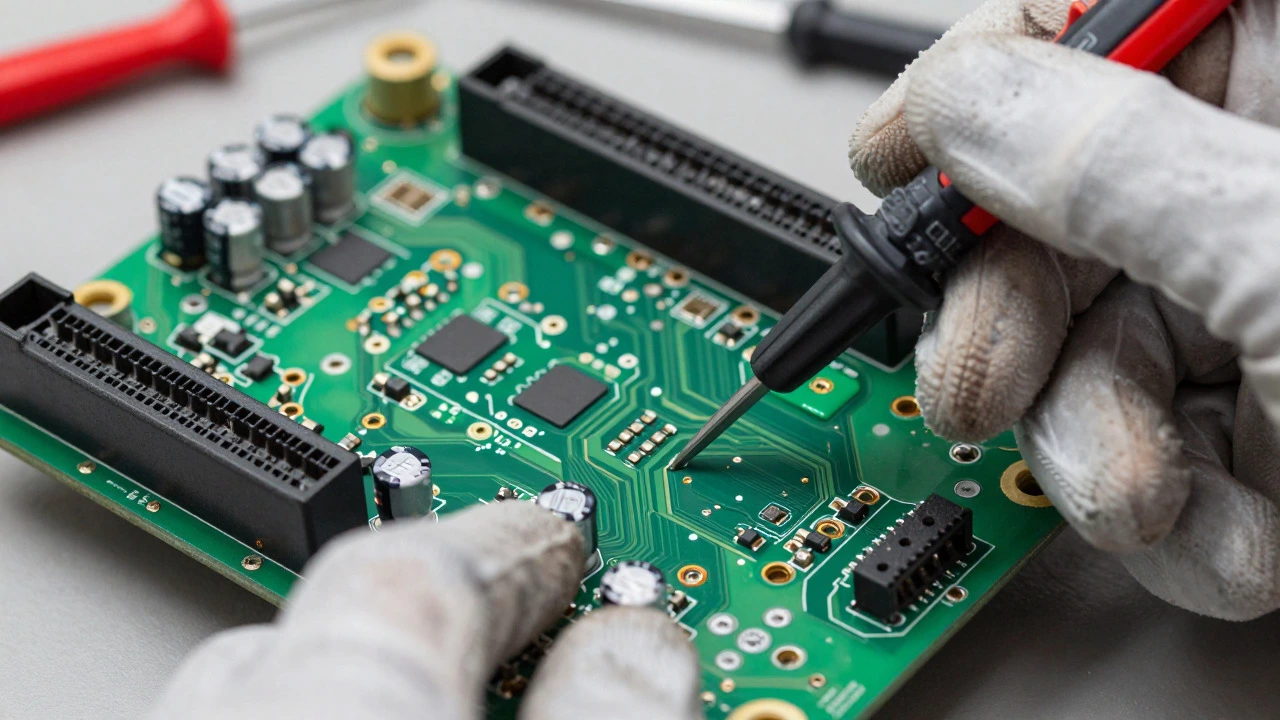
Replacing an oven control board is a popular DIY project because it doesn’t involve gas lines or heavy lifting. However, it does involve working near high-voltage connections. Always unplug the oven from the wall outlet before starting. For hardwired ovens, flip the breaker switch at the main panel.
If you choose to DIY, keep these tips in mind:
- Label every wire: Take photos of the cable connections before unplugging them. Modern boards have multiple ribbon cables and power leads. Mixing them up can fry the new board instantly.
- Check for water damage: Look for corrosion or white residue on the old board. If the failure was caused by a spill or humidity, clean the area thoroughly. Otherwise, the new board will suffer the same fate.
- Test before installing: If possible, test the new board outside the oven using a multimeter to ensure it powers up correctly. This saves you from reassembling the oven only to find the part is dead-on-arrival.
Call a professional if:
- You don’t own a multimeter.
- The oven is built-in and hard to access from the back.
- You suspect the issue is complex, such as a short in the wiring harness rather than the board itself.
Technicians carry spare parts and diagnostic tools, which speeds up the process. They also provide a warranty on their labor, which can be valuable if the problem persists.
Hidden Risks and Common Pitfalls
One of the biggest mistakes people make is assuming the control board is the culprit when it’s actually something else. Voltage surges from the home grid can damage the board, but they can also blow fuses or damage the main transformer. Before buying a new board, check the internal fuses on the existing board. Sometimes, a blown fuse is all that needs replacing, costing just a few dollars.
Another pitfall is ignoring the thermal fuse. This safety device cuts power if the oven gets too hot. If it blows, the oven won’t heat, mimicking a control board failure. Testing this fuse is quick and cheap. If it’s open (infinite resistance), replace the fuse and investigate why it blew-usually a stuck door latch or a failed fan motor.
Finally, consider energy efficiency. Older ovens consume more electricity than newer models. If you’re replacing a 10-year-old oven, a new Energy Star-rated model could save you money on utility bills over time. Factor these savings into your decision. If the annual energy savings offset 10% of the new oven’s cost, the upgrade pays for itself faster.
When to Just Buy a New Oven
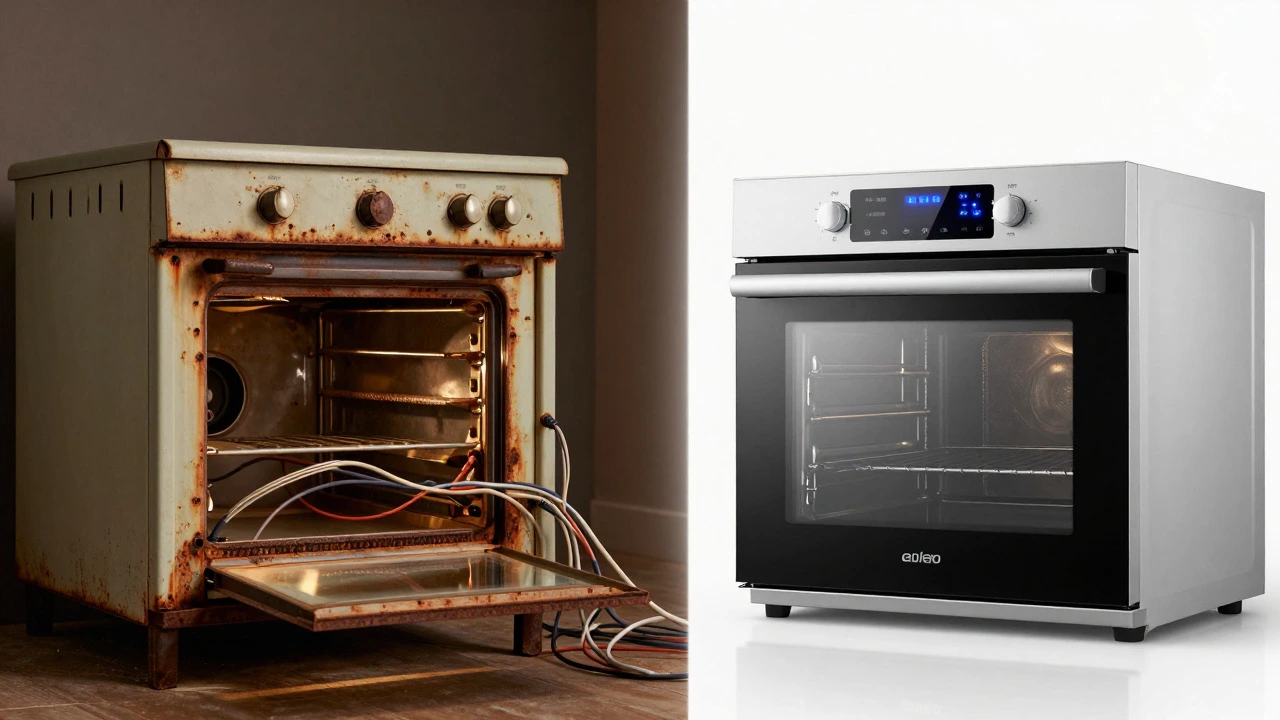
Sometimes, the math simply doesn’t add up in favor of repair. Consider buying a new oven if:
- The repair cost exceeds 50% of the price of a comparable new model.
- The oven has had multiple repairs in the last two years.
- The cosmetic condition is poor (dented panels, rusted interior, cracked glass).
- You want features your current oven lacks, such as convection baking, air frying, or smart connectivity.
Modern ovens offer better insulation, which means less heat loss into your kitchen. This improves comfort during summer months and reduces strain on your air conditioning system. Additionally, new ovens come with full warranties, typically covering parts and labor for one to three years. This peace of mind is hard to match with a repaired older unit.
Frequently Asked Questions
How long does an oven control board last?
On average, an oven control board lasts between 7 and 12 years. Lifespan depends on usage frequency, ambient temperature, and voltage stability in your home. Frequent power outages or surges can shorten this life significantly.
Can I use a universal control board instead of an OEM part?
Yes, but with caution. Universal boards are cheaper and widely available. However, they may not support all features of your original board, such as specific timer functions or self-clean cycles. Ensure the replacement board matches the pinout and voltage requirements of your oven exactly.
What causes an oven control board to fail?
Common causes include heat degradation, moisture intrusion, capacitor failure, and voltage spikes. Over time, the solder joints on the board can crack due to thermal expansion and contraction, leading to intermittent connections.
Is it safe to replace an oven control board myself?
It is generally safe if you follow proper precautions. Always unplug the oven and wait 15 minutes for capacitors to discharge. Use insulated tools and avoid touching live terminals. If you are unsure about handling electrical components, consult a professional.
Why does my oven show error code F1?
Error code F1 usually indicates a problem with the temperature sensor or the control board itself. It suggests the board is not receiving a valid signal from the sensor. Test the sensor resistance first; if it’s within spec, the board is likely faulty.