
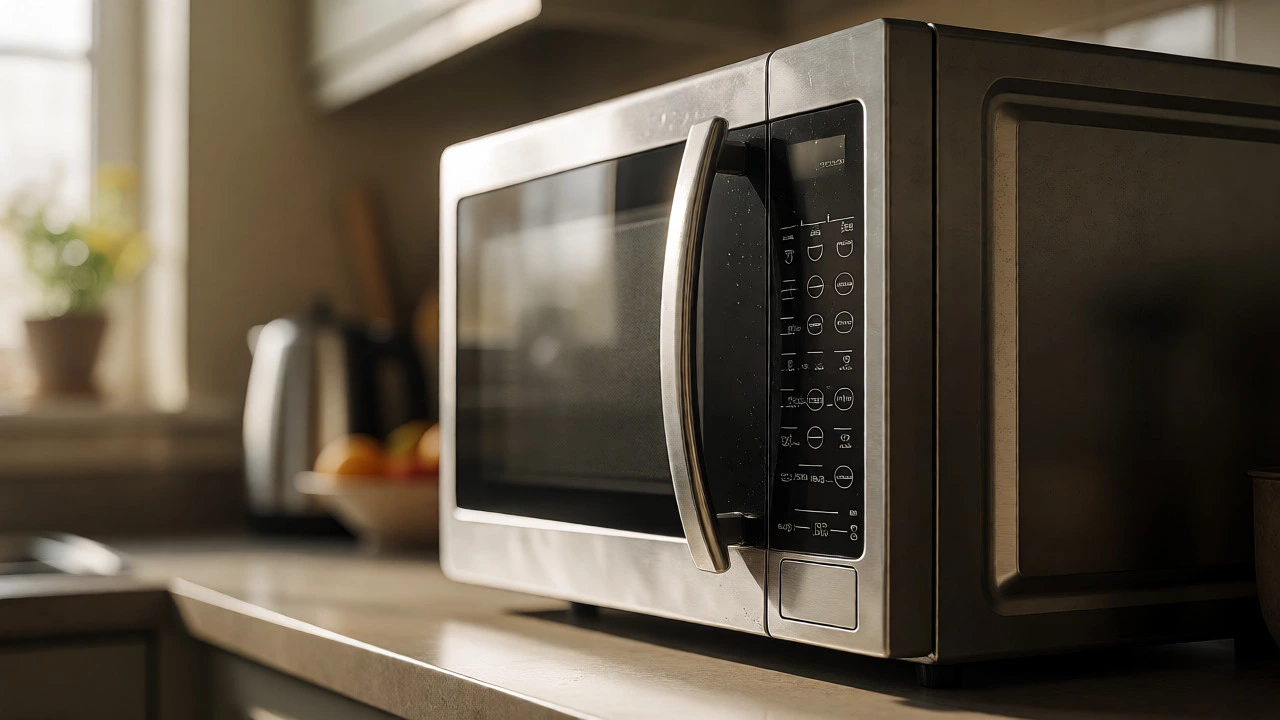
Microwave Health & Lifespan Estimator
Enter details about your current microwave to get an estimated remaining life and advice on whether to repair or replace.
Assessment Results
Recommendation
Analysis pending...
Key Factors Influencing Your Score:
You’re standing in your kitchen, staring at the microwave. It’s humming a little louder than usual, or maybe the door latch feels loose. You start wondering: is this thing about to die, or is it just having a bad day? The average microwave lasts between 7 and 10 years. But that number is a bit like saying humans live to 80-it depends entirely on how you treat yours.
If you’ve had your unit for five years and it’s acting up, don’t panic. If it’s been twelve years, you might be pushing your luck. Understanding the factors that shorten or extend this timeline can save you from buying a new one prematurely or keeping a broken one too long. Here’s what actually determines whether your microwave makes it to retirement or gets scrapped early.
The Real Numbers Behind Microwave Longevity
Most manufacturers design these appliances with a specific service life in mind. According to data from major home appliance retailers and consumer reports, the typical range sits firmly between seven and ten years. This isn’t arbitrary; it’s based on the durability of key components like the magnetron, the high-voltage capacitor, and the control board.
But here’s the catch: those numbers assume normal use. What does "normal" look like? Think reheating leftovers for two people once a day. If you’re running a busy family household where the microwave is used multiple times daily for cooking full meals, defrosting meat, and heating liquids, you’re accelerating wear. Heavy commercial-style usage in a home setting can cut that lifespan down to five or six years. Conversely, if you only use it occasionally for popcorn or warming coffee, you could easily see fifteen years of service.
| Usage Pattern | Daily Cycles | Expected Lifespan |
|---|---|---|
| Light (Single person, occasional use) | 1-2 short cycles | 10-15+ years |
| Moderate (Family of 3-4, standard reheating) | 3-5 cycles | 7-10 years |
| Heavy (Large family, frequent cooking) | 6+ cycles | 5-7 years |
Signs Your Microwave Is Nearing the End
How do you know when the end is near? Microwaves rarely fail instantly without warning. They usually send signals first. If you notice any of these signs, it’s time to consider repair versus replacement.
- Inconsistent Heating: If your food comes out cold in the middle but boiling hot on the edges, the magnetron is failing. This is the component that generates the waves. When it starts to degrade, it loses power efficiency.
- Loud Noises: A gentle hum is normal. Grinding, buzzing, or loud rattling suggests issues with the fan motor or the turntable drive. Sometimes these are cheap fixes; other times, they signal broader electrical problems.
- Door Issues: The safety interlock switches prevent the microwave from operating when the door is open. If the door doesn’t latch securely, or if the light stays on when closed, the seals or switches are worn. A leaking seal means radiation escape and inefficient cooking.
- Control Panel Glitches: Buttons that require pressing three times to register, or displays that flicker, often point to a failing control board. In older models, replacing the board can cost nearly as much as a new unit.
What Actually Kills a Microwave?
It’s not just age. Specific behaviors drastically reduce lifespan. Understanding these helps you protect your investment.
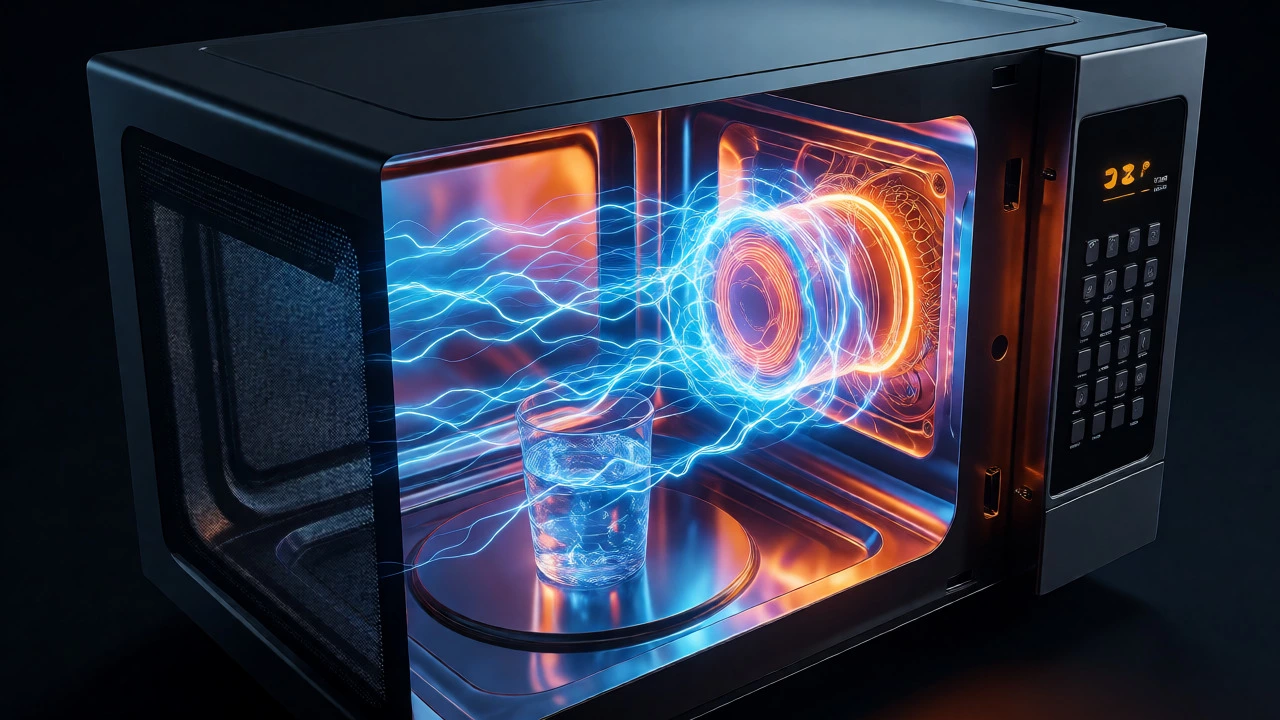
The biggest enemy is running empty. When you run a microwave with nothing inside, the energy has nowhere to go. Instead of being absorbed by water molecules in food, it reflects back into the magnetron. This causes overheating and can burn out the magnetron quickly. Always put a cup of water inside if you need to test it or clean it with steam.
Another common killer is overheating due to poor ventilation. Microwaves need airflow to cool their internal electronics. If you push the unit flush against the wall or cabinet sides, heat builds up. This stresses the capacitor and diode, leading to premature failure. Leave at least 10 centimeters of space around the vents.
Finally, power surges are silent destroyers. A lightning strike or grid fluctuation can fry the control board instantly. Using a surge protector is a small insurance policy that costs less than $20 but saves hundreds in replacements.
Repair vs. Replace: Making the Right Call
So, your microwave is acting up. Do you fix it or buy a new one? This decision hinges on the age of the unit and the cost of parts.
For units under five years old, repair is almost always worth it. Common issues like a blown fuse, a faulty door switch, or a broken turntable motor are inexpensive to fix. Labor costs might range from $80 to $150 depending on your location, but parts are cheap.
For units over seven years old, the math changes. If the problem is the magnetron or the high-voltage transformer, the part alone can cost $100-$200. Add labor, and you’re looking at $250+. A brand-new basic model often costs $100-$150. Unless you have a high-end built-in model that matches your cabinetry, replacement is usually more economical.
Consider the energy efficiency angle too. Newer microwaves use better insulation and more efficient motors. While the savings per year aren’t huge, they add up. Plus, modern features like sensor cooking reduce the chance of burning food, which indirectly extends the appliance's useful life by preventing user-induced stress.
How to Extend Your Microwave’s Life
You can’t stop time, but you can slow down wear. Here are practical steps to get every year out of your appliance.
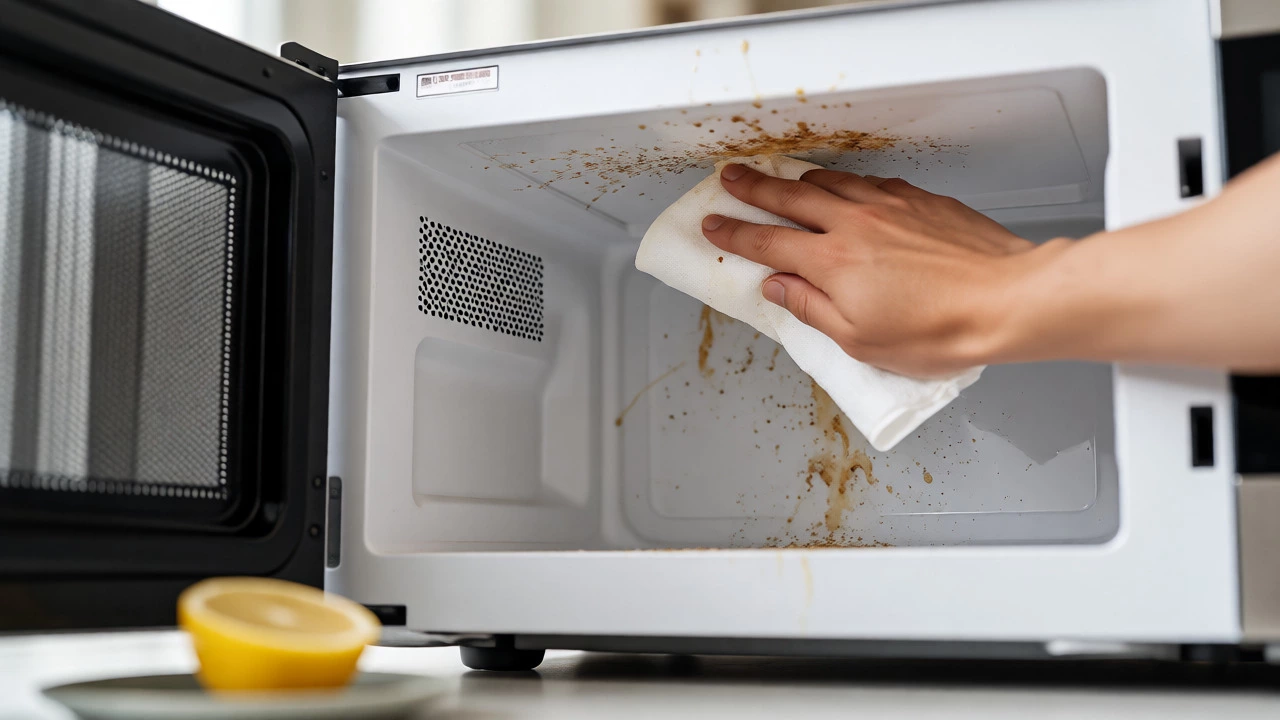
- Clean It Regularly: Food splatter hardens and absorbs energy meant for cooking. This forces the magnetron to work harder. Wipe the interior after every few uses with a damp cloth. For tough grime, microwave a bowl of water with lemon slices for three minutes-the steam loosens everything.
- Use Microwave-Safe Containers: Metal reflects waves and can cause arcing (sparks), which damages the cavity lining. Glass and ceramic are best. Avoid plastics that aren’t labeled "microwave-safe," as they can melt and stick to the walls.
- Don’t Slam the Door: The latches and switches are mechanical parts. Rough handling breaks them. Close the door gently but firmly.
- Keep the Vents Clear: Check the rear and side vents monthly. Dust buildup insulates the unit, causing overheating. Vacuum the grille gently.
- Avoid Extreme Temperature Swings: Don’t put a piping-hot dish straight into the fridge and then immediately into the microwave. Thermal shock can crack glass trays or stress internal components.
When to Call a Professional
Some repairs are dangerous for DIY enthusiasts. The high-voltage capacitor stores enough charge to deliver a lethal shock even when unplugged. If you suspect an issue with the capacitor, diode, or transformer, call a technician. Diagnosing these requires specialized tools and knowledge.
If your microwave sparks excessively, smells like burning plastic, or trips your circuit breaker, unplug it immediately. These are signs of serious electrical faults. Continuing to use it risks fire or further damage to your home’s wiring.
Remember, a well-maintained microwave is a safe microwave. Pay attention to the sounds, smells, and performance. If something feels off, trust your instincts. It’s better to replace a $100 unit than to risk a kitchen fire or a shock hazard.
Is it safe to keep using an old microwave?
Yes, generally. Microwaves are designed with multiple safety interlocks. As long as the door seals are intact and there is no visible damage to the mesh screen on the window, radiation leakage remains within safe limits. However, if the door doesn't close properly or the unit runs unusually loud, get it checked.
Why did my microwave stop working suddenly?
Sudden failure is often due to a blown internal fuse caused by a power surge or running the unit empty. Another common cause is a failed door interlock switch. If the display is dead, check the household circuit breaker first before assuming the microwave itself is dead.
Do built-in microwaves last longer than countertop ones?
Not necessarily. Built-in models are often higher quality and easier to ventilate properly, which can help longevity. However, they are harder to access for repairs. Countertop models are simpler to replace if they fail, so the "lifespan" debate often shifts to "ease of replacement."
Can I fix a sparking microwave myself?
If the spark is due to food debris or a damaged waveguide cover (the mica plate inside), yes. Clean it thoroughly or replace the cheap mica sheet. If the spark comes from the metal cavity itself or the magnetron area, stop using it and call a pro. High voltage is dangerous.
Does leaving the microwave plugged in shorten its life?
Minimal impact. Modern microwaves draw very little standby power. However, they remain vulnerable to power surges while plugged in. Unplugging during thunderstorms or extended vacations is a good precautionary measure.