
Hob Repair Feasibility Checker
What type of electric hob do you have?
Recommended Action:
You’re in the middle of cooking dinner and one of your burners just decides it's done for the day. It's not a tripped breaker, and the other rings are working fine. Now you're staring at a cold pot of water and wondering: can you actually swap out that part yourself, or are you looking at a brand-new appliance?
The short answer is yes, but the "how" depends entirely on what kind of electric hob repair is actually needed. If you have an old-school coil stove, you're basically looking at a ten-minute job. If you have a sleek glass-top ceramic unit, it's a bit more like surgery. Before you grab a screwdriver, you need to know if your specific model is designed to be serviced or if the manufacturer has effectively sealed it shut.
Quick Summary of Your Options
- Exposed Coil Hobs: Extremely easy to replace; usually just a twist-and-pull operation.
- Ceramic/Glass Hobs: Moderate difficulty; requires removing the glass top or accessing elements from underneath.
- Induction Hobs: Different technology; you aren't replacing a "heating element" but rather an induction coil or the electronics.
- Safety First: Always cut the power at the main breaker, not just the on/off switch.
Dealing with Exposed Coil Elements
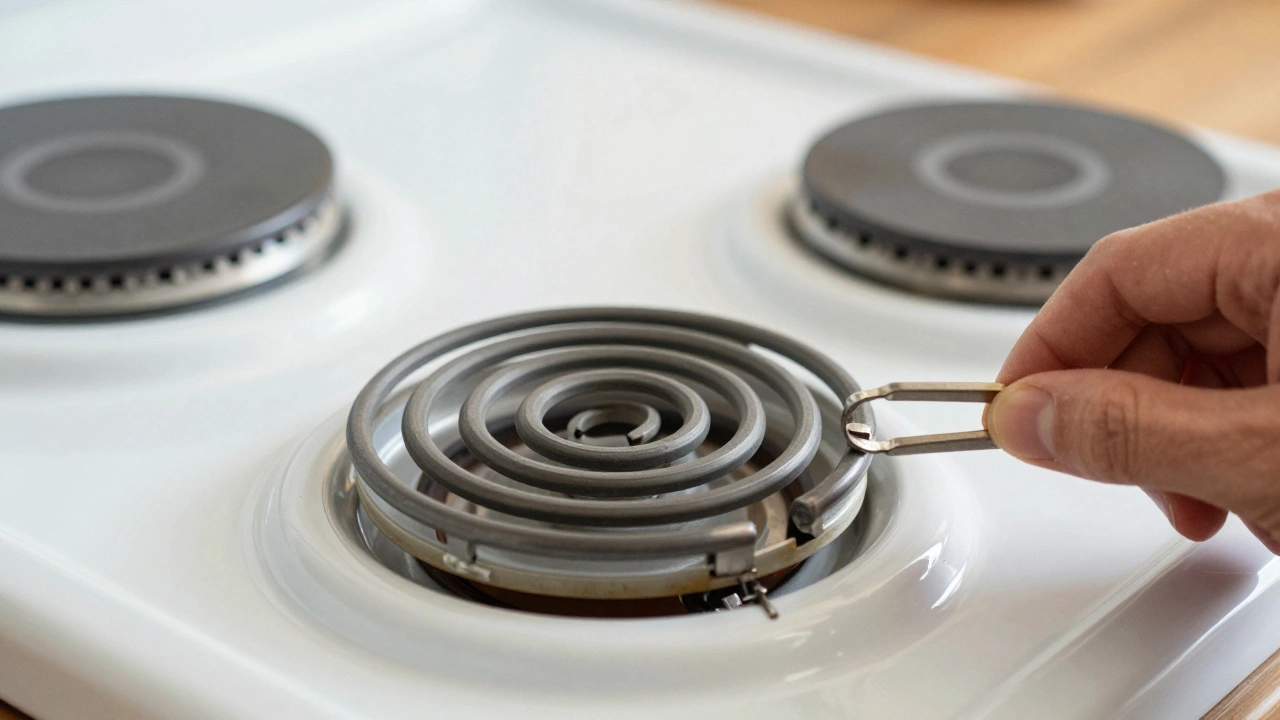
If your stove looks like something from the 1980s with visible spiral burners, you're in luck. These are the most user-friendly designs ever made. The Heating Element is a resistive coil that converts electrical energy into heat through Joule heating. Because they are designed to be swapped, you don't usually need a manual.
To replace one, you typically lift the element slightly and rotate it until the prongs align with the socket. Once it's loose, you pull it out and unscrew the two wires attached to the terminals. When you buy a replacement, don't just guess the size. A 6-inch element won't fit a 7-inch slot, and the wattage must match. If you put a 1200W element where a 1500W one should be, your water will take forever to boil.
The Ceramic and Radiant Glass Challenge
Most modern kitchens use Ceramic Hobs, which are electric cooktops with a smooth glass-ceramic surface and heating elements hidden underneath. You can't just pull these out. The heat is generated by Radiant Elements-usually ribbons of metal-that sit beneath the glass.
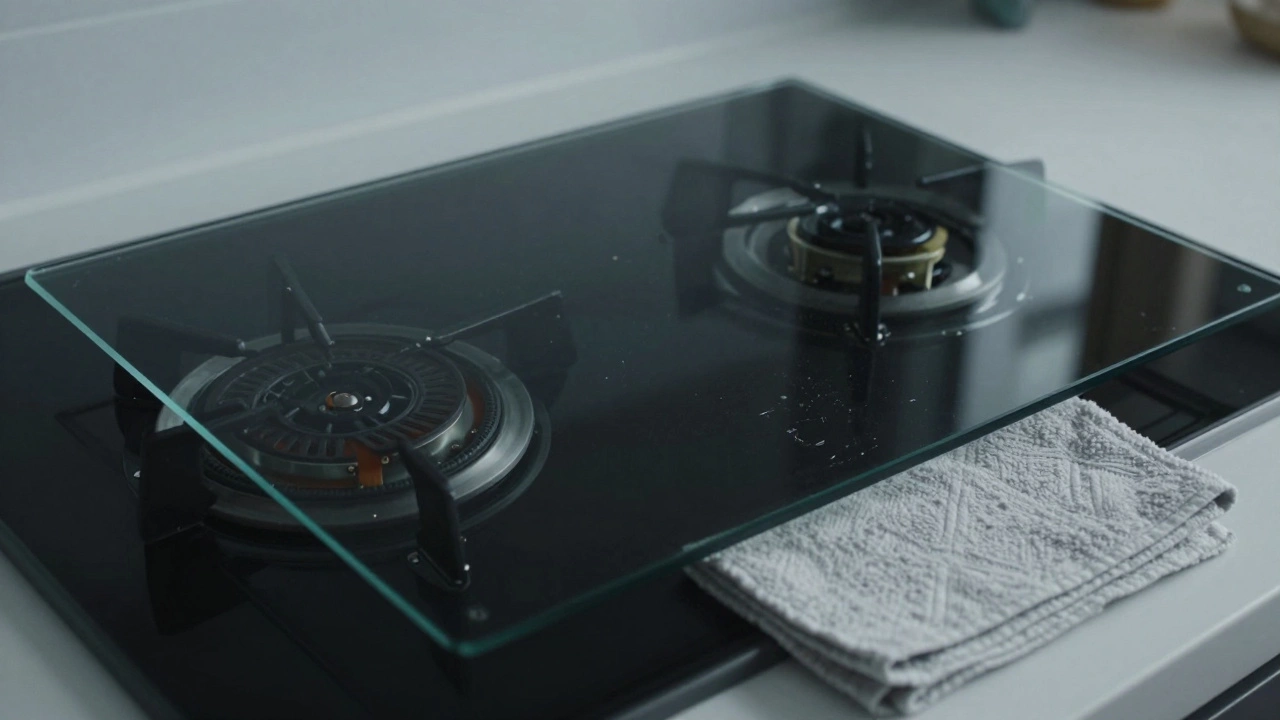
Can you replace them? Yes, but you'll likely have to lift the entire glass cooktop. This is where things get risky. Glass is brittle. If you apply pressure to the wrong spot while prying the unit up, you'll end up with a cracked surface, and at that point, it's cheaper to buy a new hob. Once the top is off, you'll see the elements clamped into place. You'll need to unplug the faulty element and slide in a new one. Pro tip: use a soft cloth to support the glass when you lift it so you don't scratch your countertop.
| Element Type | Difficulty | Common Failure | Typical Fix |
|---|---|---|---|
| Exposed Coil | Very Low | Burnout / Corrosion | Swap entire coil |
| Radiant Ceramic | Medium | Internal Breakage | Replace under-glass ribbon |
| Induction Coil | High | Circuit Failure | Replace coil or PCB board |
Why Induction Hobs are Different
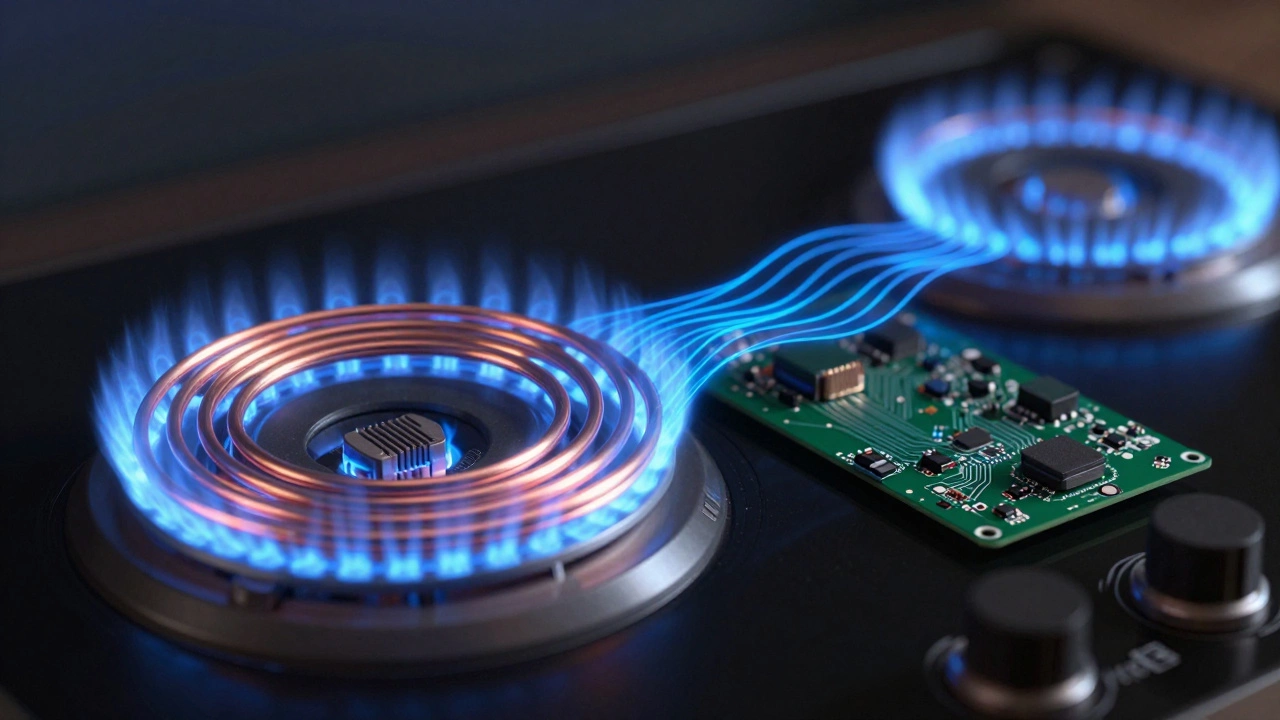
If you have an Induction Hob, you aren't actually using a "heating element" in the traditional sense. Induction uses Electromagnetism to heat the pan directly. The "element" is actually a copper coil that creates a magnetic field.
While these coils can be replaced, the problem is rarely the coil itself. Usually, it's the Power Board or the electronics that have fried. Replacing a board requires some comfort with multimeters and electrical testing. If you see an error code like "E4" or "F2" on your display, that's a sign that the computer-not the coil-is the problem. In these cases, calling a pro is a lot safer than poking around with a screwdriver.
When to Stop and Call a Professional
There is a fine line between a satisfying DIY fix and a dangerous mistake. If you open your hob and see charred wires or melted plastic, stop immediately. This usually indicates a Short Circuit or a serious grounding issue. Replacing the element won't fix a faulty wire that's melting inside your wall.
Another red flag is the age of the unit. If your hob is 15 years old and the elements are starting to fail, the internal wiring is likely brittle. Replacing one element often puts more stress on the remaining old ones, leading to a "domino effect" of failures. If you're spending more than 30% of the cost of a new unit on parts, it's time to upgrade.
Step-by-Step Safety Checklist
- Isolate Power: Turn off the electricity at the main consumer unit. Do not trust the power button on the front of the hob.
- Document Everything: Take a photo of the wiring before you disconnect anything. You will forget where the red wire went the moment you put the unit back together.
- Verify Part Numbers: Find the model number on the underside of the hob. Ordering a "generic" element that almost fits is a recipe for a fire hazard.
- Inspect the Terminals: Look for pitting or black marks on the connectors. If the terminals are burnt, you need to clean them or replace the connector, not just the element.
- Test Before Closing: If possible, do a quick power-on test before you spend an hour screwing the glass top back into place.
Can I replace just one ring on a ceramic hob?
Yes, the heating elements under a ceramic glass top are individual units. You don't have to replace the whole surface, but you will likely have to lift the glass to reach the failed element.
Why is my element getting hot but not very hot?
This is often caused by a partial failure of the resistive coil or a problem with the voltage regulator. If it's not reaching the correct temperature, the element is likely failing and needs replacement.
Is it safe to use a universal replacement element?
Generally, no. Using an element with the wrong wattage or size can overheat the wiring or cause the glass top to crack due to uneven thermal expansion. Always use manufacturer-approved parts.
How do I know if the element is actually broken?
You can use a multimeter to test for continuity. If the meter shows "infinite resistance" or an open circuit, the internal wire of the element has snapped and it must be replaced.
Does replacing an element void my warranty?
Almost certainly. Opening the chassis of a modern ceramic or induction hob usually breaks a warranty seal. If your appliance is still under warranty, contact the manufacturer first.
What to do if the fix doesn't work
If you've swapped the element and the burner still won't heat up, the problem is likely further up the line. Check the Thermostat-this is the part that tells the hob when to stop heating so it doesn't melt. If the thermostat is stuck in the "off" position, a new element won't do anything.
Another common culprit is the selector switch. If the knob feels loose or doesn't "click" into place, the electrical connection isn't being made. In these scenarios, you're moving from a simple part swap into a full electrical repair, which is where a certified technician becomes necessary to ensure the unit is safe to use around food and water.