
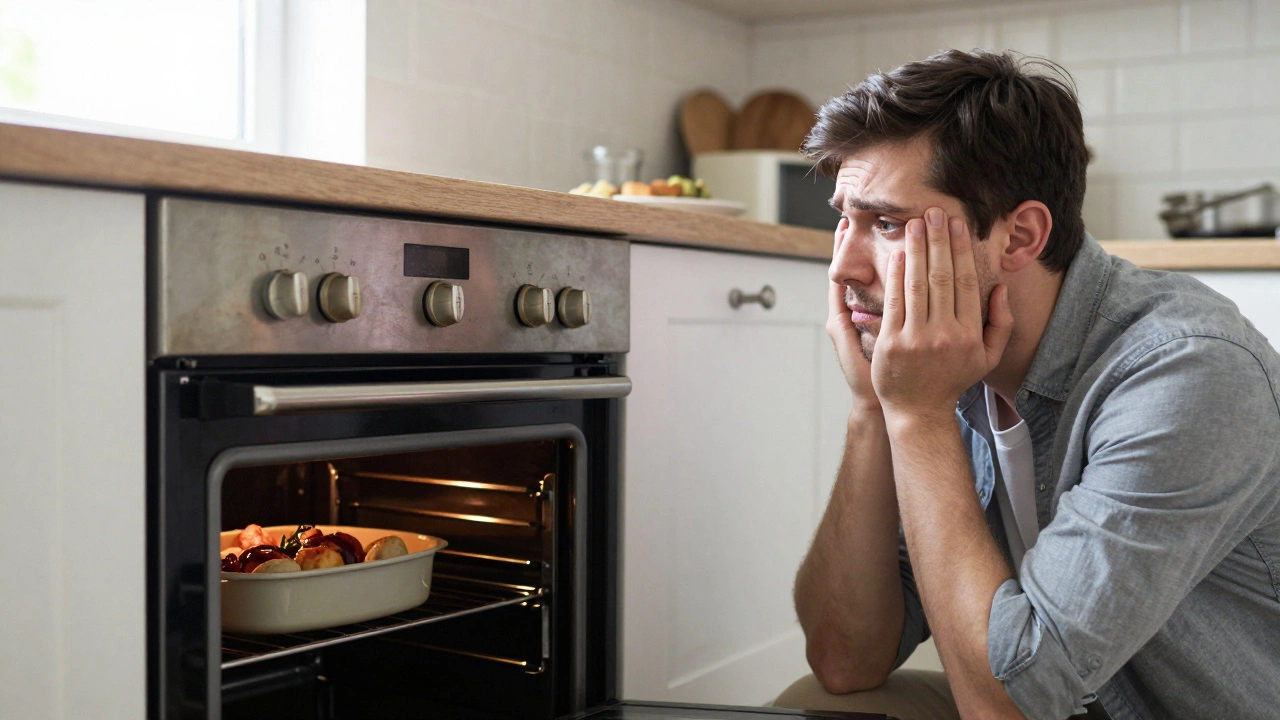
Oven Repair vs. Replace Decision Tool
Quick Check-list:
Quick Verdict: Repair or Replace?
- Repair if: The fix is a simple part replacement (like a heating element) and the cost is under 50% of a new unit.
- Replace if: The control board is fried, the oven door seal is gone, and your electricity bills have been creeping up.
- The Rule of Thumb: If the repair cost exceeds 50% of a new oven's price, or if the appliance is beyond its expected 15-year lifespan, replacement is usually the smarter financial move.
The Reality of Oven Lifespans
Most electric ovens are designed to last between 10 and 15 years. When you have a unit that has hit the 15-year milestone, you're officially in the 'bonus round.' Electric Ovens is a kitchen appliance that uses electrical energy to heat coils or elements for cooking food. While some high-end brands might last 20 years, the average consumer model starts showing its age around year 12.
The problem isn't just the part that broke today; it's the cumulative wear and tear. The insulation degrades, the gaskets crack, and the internal wiring can become brittle. If you replace a Heating Element today, there is a high chance the thermostat or the oven door hinge will fail six months from now. You aren't just paying for one repair; you're gambling on how many more repairs are coming.
Common Failures in Aging Ovens
Not all breakages are equal. To decide if your oven is worth saving, you need to know what actually went wrong. Some fixes are quick wins, while others are money pits.
| Component | Typical Symptom | Repair Difficulty | Verdict for 15yr Old Oven |
|---|---|---|---|
| Heating Element | Oven won't heat or heats slowly | Low (Simple swap) | Worth it if cost is low |
| Temperature Sensor | Uneven cooking or error codes | Low | Worth it |
| Control Board/Timer | Buttons don't work, erratic heat | High (Expensive part) | Replace Oven |
| Door Gasket | Heat escaping, long preheat | Medium | Worth it if combined with other fixes |
The Hidden Cost of Keeping an Old Oven
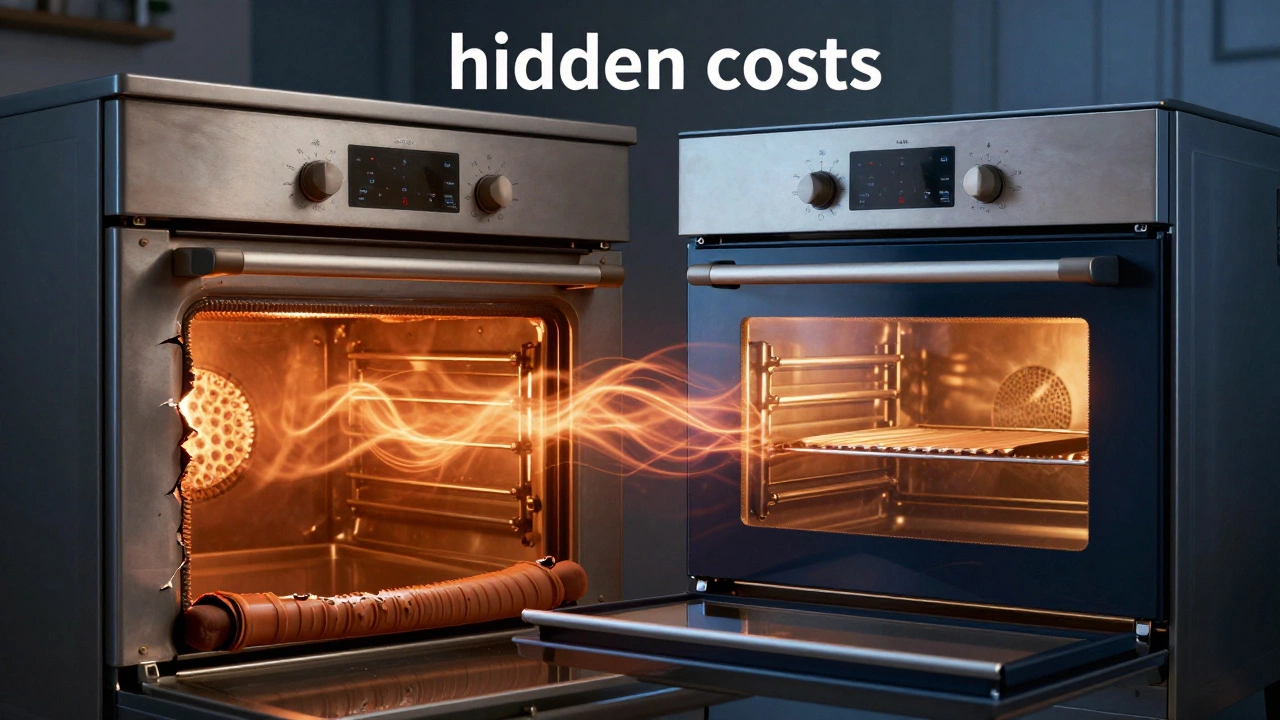
When people weigh the cost of electric oven repair against a new purchase, they often forget about the monthly electricity bill. Ovens from 15 years ago were not nearly as efficient as the models coming out in 2026. Modern units use better insulation and smarter heating cycles to maintain temperature.
If your oven's seal is leaking heat, your Thermostat (the device that regulates temperature) has to work overtime to keep the air hot. This leads to higher energy consumption and more wear on the elements. Over a year, the difference in energy costs between a 2011 model and a 2026 model can be significant enough to subsidize a portion of the new appliance's cost.
When Repairing Actually Makes Sense
I'm not saying you should throw away every 15-year-old appliance. There are a few scenarios where a repair is the right call. First, if you have a professional-grade brand-think Wolf or Miele-these are built with heavier gauge steel and higher-quality components. Replacing a part in a $3,000 oven is a no-brainer, even if the oven is old.
Second, if the oven is integrated into a custom kitchen layout that would be a nightmare to modify. If a new oven requires you to rip out cabinets or change your electrical wiring, a $200 repair to get another two years of life is a pragmatic choice. In these cases, the 'cost' isn't just the part; it's the chaos of a kitchen renovation.
Signs It's Time to Give Up
If you see any of these red flags, stop spending money on repairs and start browsing catalogues. First, look at the exterior. Is the enamel peeling? Are the knobs missing or melted? This indicates the overall build quality has failed. Second, check the "cascading failure" pattern. If you fixed the lightbulb last month, the rack last quarter, and now the element is gone, the appliance is in a death spiral.
Finally, consider the parts availability. For ovens older than 15 years, finding original manufacturer parts can be a struggle. You might end up using generic parts that don't fit perfectly, which can lead to safety issues or inefficient heating. If your technician tells you the part has to be shipped from overseas or is 'refurbished,' it's time to move on.
Choosing Your Next Oven
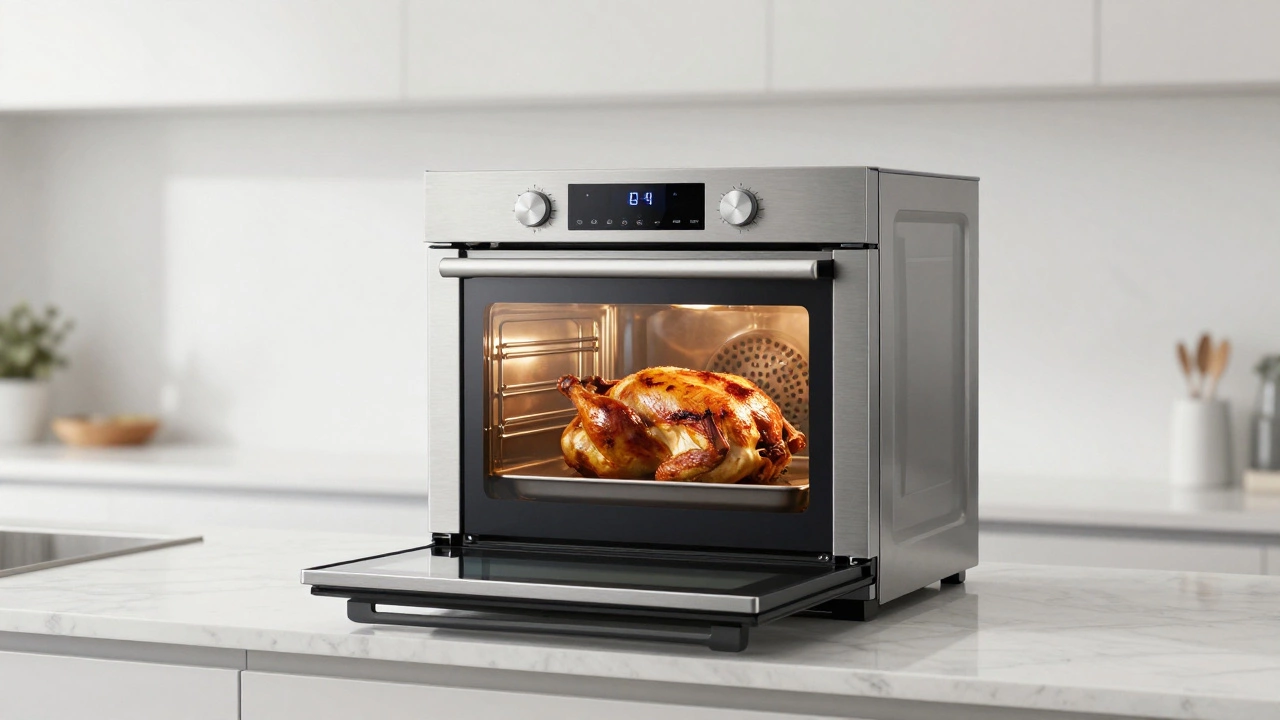
If you decide to replace, don't just buy the first thing you see. The market has changed. You now have options like Convection Ovens, which use fans to circulate hot air, cooking food faster and more evenly. This can actually reduce your cooking time by 25%, further lowering your energy bills.
Also, look for the latest energy ratings. A modern A+++ rated oven uses a fraction of the power compared to a unit from the late 2000s. When you add the energy savings to the reliability of a new warranty, the 'expensive' new oven often pays for itself within 3 to 5 years.
How long do electric ovens usually last?
Most electric ovens have a lifespan of 10 to 15 years. While they can last longer with a good cleaning routine, the internal components and insulation typically begin to degrade after a decade of regular use.
Is it safe to use a 15-year-old oven?
Generally yes, provided the wiring is intact and there are no gas leaks (for dual fuel) or electrical shorts. However, older ovens lack the advanced safety shut-offs found in modern units, making them slightly riskier if a component fails.
Can I replace the heating element myself?
Yes, replacing a heating element is one of the simpler DIY repairs. However, you must ensure the power is completely disconnected at the circuit breaker. If you aren't comfortable with electrical wiring, it's safer to hire a professional.
Why is my old oven taking so long to preheat?
This is usually caused by two things: a failing heating element that can't reach full temperature, or a worn-out door seal that is letting heat escape. Both are common in ovens over 10 years old.
Will a new oven save me money on electricity?
Almost certainly. New ovens have far superior insulation and more efficient heating elements. Combined with convection technology, you'll likely see a noticeable drop in your energy usage per meal.
Next Steps for Your Decision
If you're still undecided, start by getting a firm quote. Don't just ask "how much to fix it?" Ask for the specific part price and the labor cost. If the total is over $200 for a standard mid-range oven, you're entering the danger zone where replacement is better.
For those who choose to replace, take a moment to measure your current oven's cavity precisely. Standards have shifted slightly over 15 years, and a 'standard' size from 2011 might not perfectly fit a 2026 model without some cabinet adjustment. Check your power supply as well; some newer high-performance ovens require different amperage than older models.