
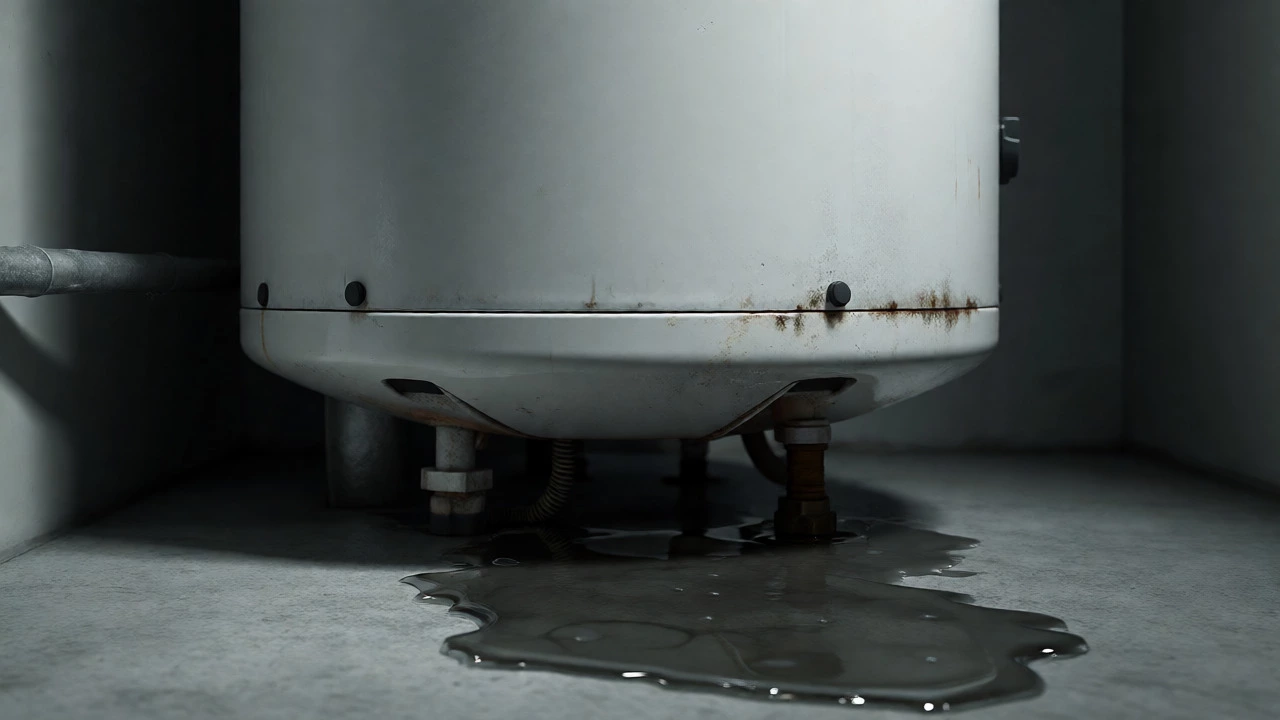
Hot Water Heater Health Check
Answer the questions below to get an instant assessment of your hot water heater's condition.
You’re standing in the shower, waiting for that warm embrace of hot water, and suddenly it turns cold. Or maybe you’ve noticed a puddle forming near your utility closet that wasn’t there yesterday. These aren’t just minor inconveniences; they are often the final cries for help from your hot water heater. Knowing how to read these signals can save you from a catastrophic flood or a week of freezing showers.
Most homeowners ignore their water heaters until they completely break down. But unlike a toaster, a failing water heater doesn’t just stop working-it can leak gallons of water into your home, causing mold and structural damage. In New Zealand, where energy costs are rising and homes are getting tighter, understanding the lifespan and health of your unit is crucial. Whether you have an electric cylinder or a gas continuous flow system, the warning signs are surprisingly similar.
The Age Factor: When Time Becomes the Enemy
Every mechanical device has a shelf life. For traditional storage tank water heaters, that window is typically between 8 and 12 years. If your unit is pushing past the decade mark, any issue you see is likely not a glitch but a symptom of systemic failure. Check the manufacturer’s label on the side of the tank. It usually lists the manufacture date. If you bought the house and don’t know the age, assume it’s old if it looks dusty, corroded, or lacks modern insulation jackets.
Gas units might last slightly longer, sometimes up to 15 years, because they don’t hold a massive volume of stagnant water that causes internal corrosion. However, their heat exchangers can crack due to thermal stress. If you are approaching the end-of-life range, start budgeting for replacement now. Waiting until it bursts means paying emergency call-out fees at 2 AM instead of scheduling a standard installation during business hours.
Rusty Water: The Internal Alarm Bell
Turn on your hot tap and look at the water. It should be clear. If you see brown, orange, or yellow tint, your water heater is rusting from the inside out. This happens when the anode rod, which protects the steel tank from corrosion, dissolves completely. Once the sacrificial anode is gone, the water attacks the tank walls directly.
Here is a quick test: Run the hot water for two minutes. If the color persists, the sediment buildup inside your tank is severe. You might try flushing the tank to remove some debris, but if the water remains discolored after a flush, the internal lining is compromised. Replacing an anode rod is cheap (under $50), but if the tank itself is rusted through, no amount of maintenance will fix it. At this stage, you are looking at a full replacement.
| Symptom | Likely Cause | Urgency Level |
|---|---|---|
| Puddles around base | Tank leak or loose pipe fitting | High - Immediate attention needed |
| Rumbling noises | Sediment buildup heating under water | Medium - Schedule service soon |
| Rusty hot water | Failing anode rod / Internal corrosion | Medium-High - Replacement likely |
| Inconsistent temperature | Faulty thermostat or element | Low-Medium - Repairable |
| Shortage of hot water | Broken dip tube or undersized unit | Medium - Efficiency check required |
Noises That Should Not Be There
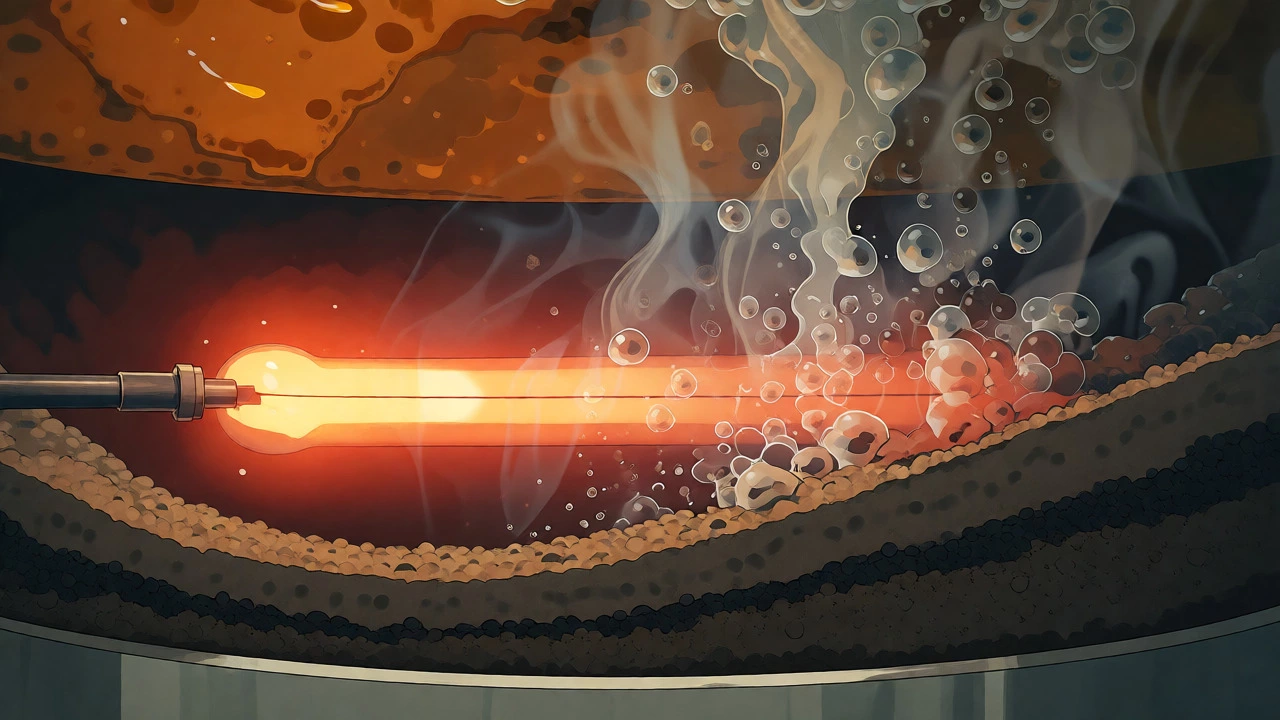
A healthy water heater is quiet. Maybe a faint hum from the burner or a gentle click from the ignition. If you hear popping, cracking, or rumbling sounds, you have a problem. These noises occur when hard water minerals settle at the bottom of the tank. As the heating element fires up, it boils the water trapped beneath layers of sediment, creating steam bubbles that collapse with a loud pop.
This isn’t just annoying; it’s inefficient. The layer of sediment acts as an insulator, forcing your heater to work harder to transfer heat to the water. Over time, this overheating can warp the tank bottom or burn out the heating elements. In areas with hard water, like parts of Wellington, descaling the tank annually is essential. If the noise persists after a professional flush, the damage may already be done.
Leaking: The Most Obvious Danger Sign
Water and electricity do not mix well, and water and timber floors mix even worse. If you spot moisture around the base of your cylinder, investigate immediately. Sometimes, the leak is coming from a nearby valve or pipe joint, which is an easy fix. Tightening a nut or replacing a washer might solve the problem for pennies.
However, if the water is seeping from the tank itself-often appearing as dampness along the seams or dripping from the pressure relief valve outlet-you have a serious issue. A leaking tank cannot be repaired effectively. Patch kits exist, but they are temporary band-aids on a gunshot wound. If the tank is leaking, replace it. Do not wait. A small drip can become a gush within days, flooding your laundry room or hallway before you wake up.
Temperature Fluctuations and Shortages
Do you run out of hot water faster than usual? Did your shower go lukewarm halfway through? These issues point to specific component failures. In electric tanks, one of the two heating elements might have burned out. Since most residential units use dual elements, losing one doesn’t kill the heater entirely, but it cuts capacity by half. You’ll notice shorter showers and slower recovery times.
For gas systems, inconsistent temperature often indicates a faulty thermocouple or a dirty pilot assembly. If the pilot light keeps going out, the gas won’t ignite reliably. Before calling a plumber, check if the pilot flame is steady and blue. A yellow or flickering flame suggests poor ventilation or a draft, which needs immediate professional inspection to prevent carbon monoxide buildup.
When to Repair vs. Replace
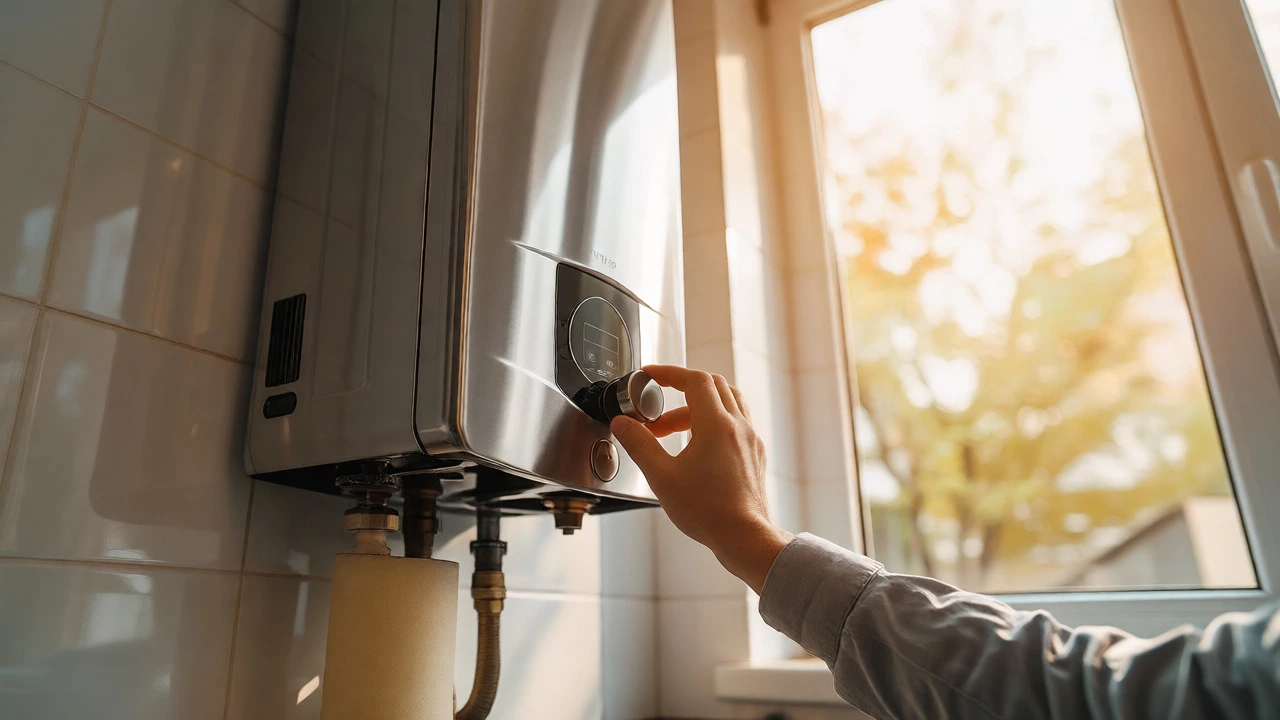
So, you’ve identified a sign. Now what? Here is a simple rule of thumb: If the repair cost exceeds 50% of the price of a new unit, replace it. Also, consider efficiency. Older units, especially those over 10 years old, lack modern insulation and high-efficiency burners. Upgrading to a newer model can reduce your energy bills by 10-15%, offsetting the upfront cost over time.
If you live in a rental property, communicate with your landlord immediately. Tenants shouldn’t be left without hot water for extended periods, and ignoring a leak could make you liable for water damage repairs. Document everything with photos and dates. For homeowners, get quotes from at least three licensed plumbers. Prices vary significantly based on access difficulty and whether you need a permit for electrical or gas connections.
Preventative Maintenance Tips
You can extend the life of your current heater and avoid surprises. Set your thermostat to 60°C (140°F). Higher temperatures increase mineral buildup and risk scalding. Lower temperatures encourage bacterial growth like Legionella. 60°C is the sweet spot recommended by New Zealand health guidelines.
- Flush the tank annually: Drain a few gallons to remove sediment. This takes 10 minutes and saves energy.
- Check the T&P Valve: Lift the lever on the Temperature and Pressure relief valve once a year. If it doesn’t snap back shut, replace it. It’s your safety net against explosions.
- Insulate pipes: Wrap foam sleeves around hot water pipes to retain heat and speed up delivery.
- Install a water softener: If you have very hard water, this reduces scale buildup dramatically.
Don’t let your water heater fail silently. Watch for the signs, act early, and keep your showers comfortable and your floors dry.
How long does a hot water heater last?
Typically, electric storage tanks last 8-12 years, while gas units can last 10-15 years. Lifespan depends heavily on water quality and maintenance. Hard water shortens lifespan due to sediment buildup.
Why is my hot water brown?
Brown or rusty hot water usually indicates corrosion inside the tank. The protective anode rod may have dissolved, allowing rust to form. If flushing doesn't clear it, the tank is likely nearing the end of its life.
What does a popping noise mean?
Popping or rumbling noises are caused by sediment accumulation at the bottom of the tank. Water gets trapped under the sediment and boils violently. Flushing the tank can resolve this, but persistent noise may indicate damaged heating elements.
Can I fix a leaking water heater myself?
If the leak is from a pipe connection or valve, yes. If the leak is from the tank body itself, no. Tank leaks require replacement. Attempting to patch a tank is temporary and risky.
Is it cheaper to repair or replace an old water heater?
If the unit is over 10 years old and the repair cost is more than half the price of a new unit, replacement is usually better. Newer models are also more energy-efficient, saving money on bills.