Water Heater Health Checker
Symptom Checklist
Select all signs you are currently experiencing with your unit:
Check the symptoms and enter the age of your water heater to see the recommendation.

Posted by Orin Trask
0 Comments
Select all signs you are currently experiencing with your unit:
Check the symptoms and enter the age of your water heater to see the recommendation.
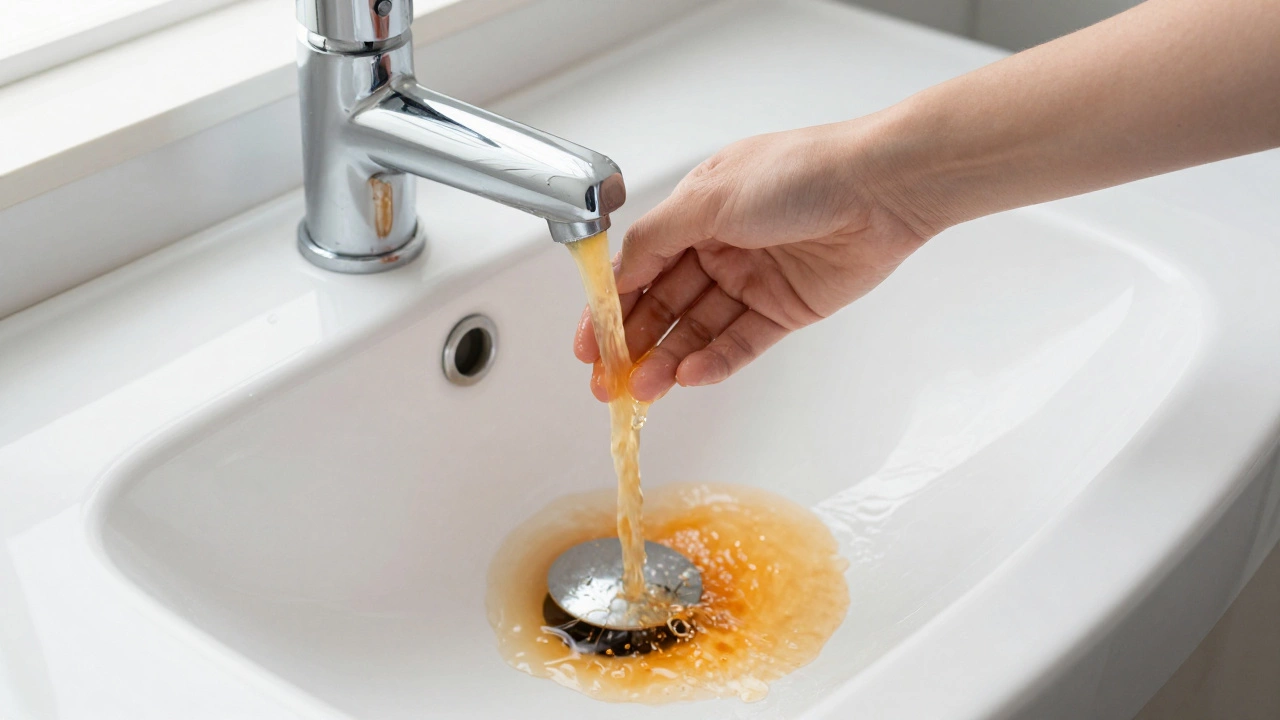
If you turn on the hot water and it looks like tea or orange juice, you have a problem. While cold water might occasionally be rusty due to city pipes, rusty hot water almost always means the inside of your tank is corroding. Water Heaters is a home appliance designed to heat and store water for domestic use. Most traditional tanks are made of steel and lined with a protective coating. Over time, this lining breaks down. When the steel is exposed to water and oxygen, it rusts. Once the tank itself starts to rust through, it's a game-over scenario. You can't patch a rusted tank; you have to replace the whole thing. If you notice the color getting darker over a few weeks, your water heater going bad is no longer a possibility-it's a reality.
Does your water heater sound like there's a boulder trapped inside it? Those popping or rumbling sounds aren't just annoying; they're a sign of sediment buildup. In areas with hard water, minerals like calcium and magnesium settle at the bottom of the tank. This creates a thick layer of "scale." When the burner heats the water, bubbles of steam try to push through this sediment layer, creating a popping sound. This sediment does more than make noise. It acts as an insulator, meaning the burner has to work harder and run longer to heat the water. This stresses the metal of the tank and can lead to premature failure. If you haven't flushed your tank in the last year, you're essentially letting your heater cook itself from the inside out.
You're washing dishes and the water is perfect, then suddenly it's lukewarm, then it's boiling again. This inconsistency usually points to a failing Thermostat, which is a component that senses the water temperature and signals the heating element to turn on or off. If the thermostat is glitching, it can't maintain a steady heat. Alternatively, this could be a sign of a broken Dip Tube, which is a plastic pipe that directs incoming cold water to the bottom of the tank. If the dip tube cracks or erodes, cold water mixes with the hot water at the top of the tank, giving you that "lukewarm" experience even if the heater is technically working. While a thermostat or dip tube can be replaced, if this is happening alongside rusty water, the tank is likely too far gone to justify the repair.
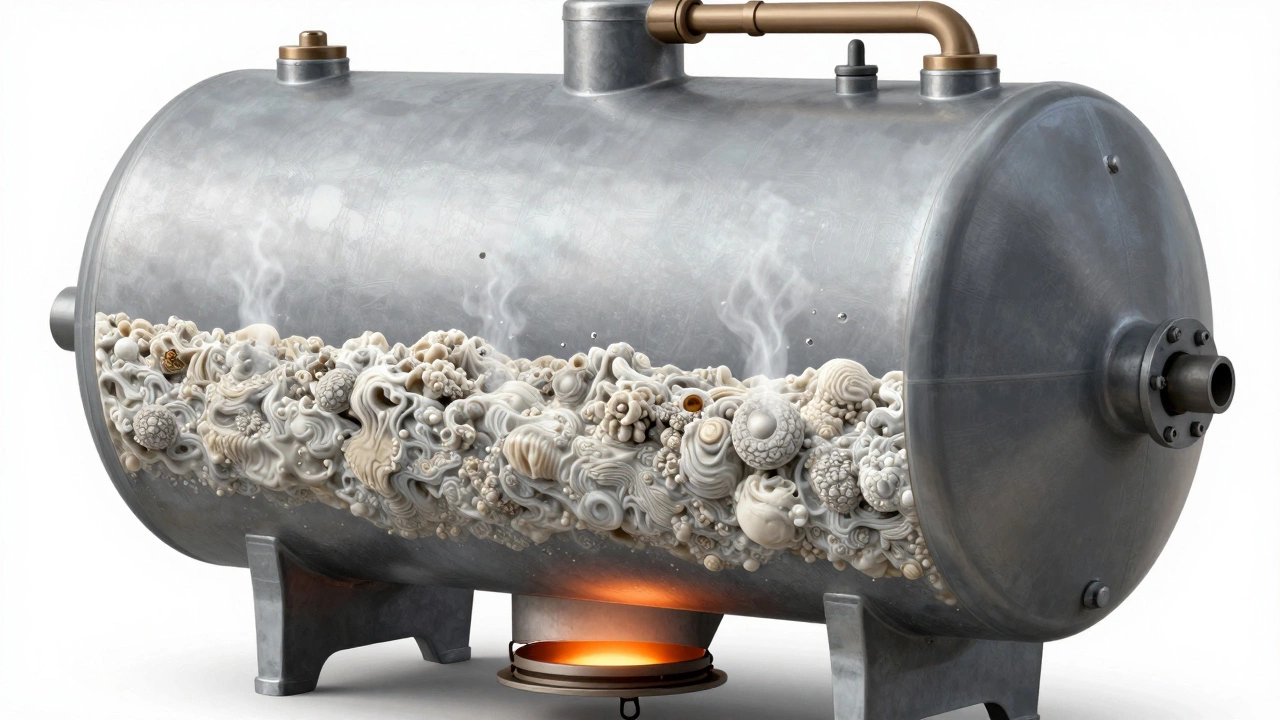
Water around the base of your heater isn't always a disaster, but it's always a warning. First, check the valves and the pipes. If the leak is coming from a connection, a simple wrench turn or a new gasket might fix it. However, if water is seeping from the bottom of the tank itself, the inner lining has failed. Another spot to check is the T&P Valve, known as the Temperature and Pressure Relief Valve, a safety device that releases water if the tank gets too hot or pressurized. If you see water dripping from this valve constantly, it could mean the valve is faulty or, more alarmingly, that your tank is overheating. Never plug this valve or ignore a leak here, as it's the only thing preventing your tank from becoming a rocket in your basement.
| Symptom | Likely Cause | Action | Urgency |
|---|---|---|---|
| Popping Noises | Sediment Build-up | Flush the Tank | Medium |
| Rusty Water | Tank Corrosion | Replace Unit | High |
| Cold Water Spikes | Broken Dip Tube/Thermostat | Repair Part | Low |
| Puddle at Base | Tank Breach | Replace Unit | Critical |
| Slow Heating | Heating Element Failure | Replace Element | Medium |
Sometimes the sign of a failing water heater isn't a noise or a leak-it's just the date on the sticker. Most Tank Water Heaters have a lifespan of 8 to 12 years. If yours is hitting the 10-year mark, you're essentially playing "water heater roulette." Even if it seems to be working fine, the internal sacrificial Anode Rod-a rod made of aluminum or magnesium that attracts corrosion to protect the steel tank-has likely dissolved completely. Once the anode rod is gone, the tank itself becomes the target for rust. Replacing an anode rod every few years can double the life of your heater, but if you've never done it and the unit is old, it's usually smarter to upgrade to a newer, more energy-efficient model.
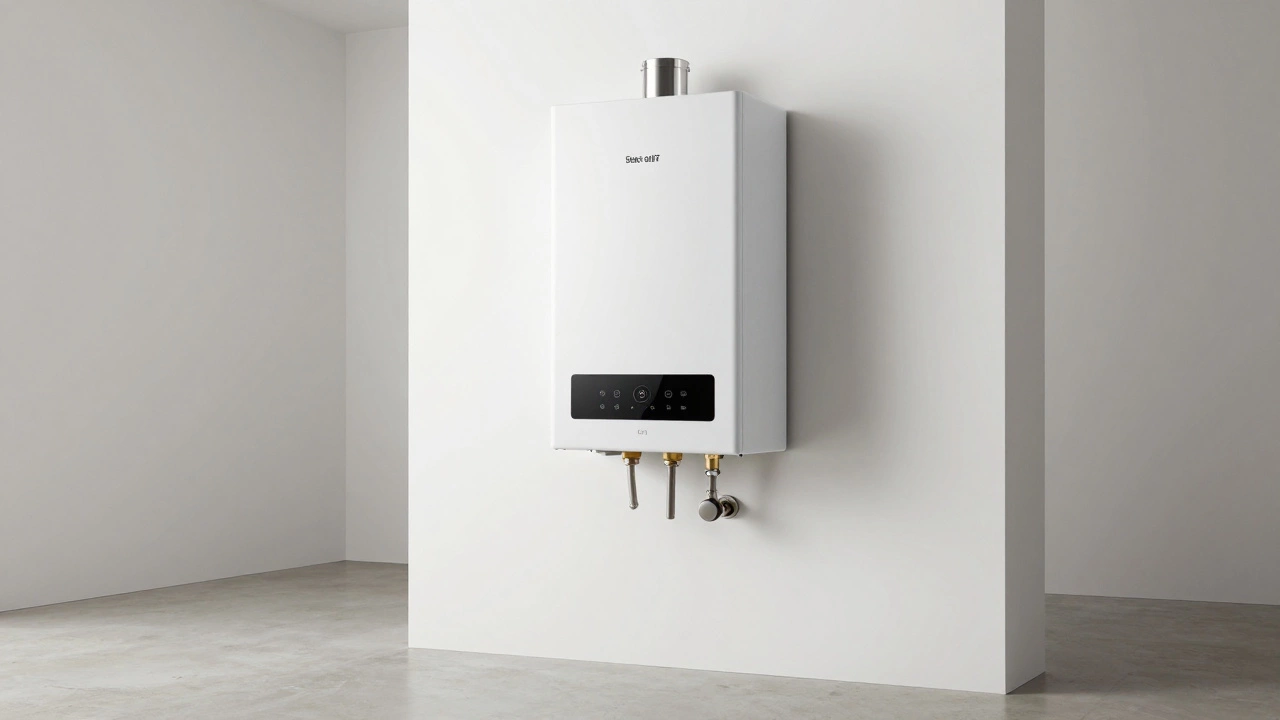
If you're forced to replace your unit, don't just buy the same old tank. Newer models use significantly better insulation and high-efficiency burners. Some people are switching to Tankless Water Heaters, which are systems that heat water on demand without storing it in a tank. While the upfront cost is higher, they last twice as long and take up way less space. If you're tired of running out of hot water during the winter, this is the time to make the jump.
No. Because of the extreme pressure and heat inside the tank, patches or sealants will not hold. A leak in the tank body is a structural failure, and the only safe solution is to replace the unit.
You should flush your tank at least once a year. This removes the sediment that causes popping noises and improves heating efficiency, which lowers your monthly energy bill.
The anode rod is a piece of metal that rusts so your tank doesn't have to. Replacing it every 3-5 years is the best way to extend the life of a traditional tank water heater.
Whistling or screaming is often caused by high water pressure or a buildup of minerals in the pipes. It can also happen if the T&P valve is slightly leaking. You should have a professional check your water pressure immediately.
Yes, if the problem is a failed heating element or a broken thermostat. However, if the tank itself is leaking or heavily rusted, repair is not an option.
If you've spotted these signs, don't panic, but don't wait. Start by checking the age of your unit. If it's over 10 years old and leaking, call a professional for a replacement quote. If it's newer and just making noise, try flushing the tank. If you're seeing rusty water, turn off the water supply and the power/gas to the unit immediately to prevent a major flood. Getting a technician to inspect the anode rod and the T&P valve can tell you if you have a few more years of life left or if you need to start shopping for a new system today.