
When it comes to your home, few appliances are as powerful—or as dangerous—if ignored. A cooker, a kitchen appliance used for heating or cooking food, often powered by gas or electricity. Also known as a range, it’s one of the most used devices in your house, but also one of the top causes of household fires. Every year, thousands of fires start because someone left a cooker unattended, ignored a faulty element, or didn’t check a gas connection. It’s not just about convenience—it’s about survival.
Gas cooker safety, the practice of ensuring gas-powered cooking appliances operate without leaks or improper ventilation is non-negotiable. A small gas leak can build up silently, and one spark from a light switch or pilot light is all it takes. Look for the smell of rotten eggs, hissing sounds near pipes, or yellow flames instead of blue ones—those are red flags. For electric models, oven fire prevention, steps taken to stop overheating, grease buildup, or electrical faults from causing fires means cleaning grease traps, not leaving foil on the bottom, and never ignoring error codes. A blown heating element might just mean slow cooking—but if it’s arcing or sparking, it’s a hazard.
People often think, "It’s just an old cooker, it’s still working." But age doesn’t mean safety. If your cooker is over 10 years old, has a flickering display, or smells like burning plastic when turned on, it’s not just outdated—it’s risky. Appliance safety, the broader practice of maintaining home devices to prevent injury, fire, or gas exposure isn’t about buying new gear every year. It’s about checking the basics: is the door seal intact? Are the knobs loose? Is the ventilation clear? Even simple things like keeping towels away from the front of the cooker or not using it to dry clothes can make a difference.
You don’t need to be an electrician to spot danger. If your cooker takes longer to heat, makes odd noises, or the control panel glitches, those aren’t quirks—they’re warnings. Many of the fixes are cheap and quick, like replacing a worn-out element or cleaning a blocked vent. But if you’re unsure, don’t guess. A single wrong move with gas lines or live wires can cost you everything.
Below, you’ll find real-world advice from people who’ve been there: how to tell if your oven element is blown, why extractor fans matter more than you think, what to do when your cooker won’t heat, and when it’s smarter to replace than repair. These aren’t theory pieces—they’re practical checklists, backed by years of repair experience. Skip the guesswork. Stay safe. Know what to look for before it’s too late.
Posted by
Orin Trask
0 Comments
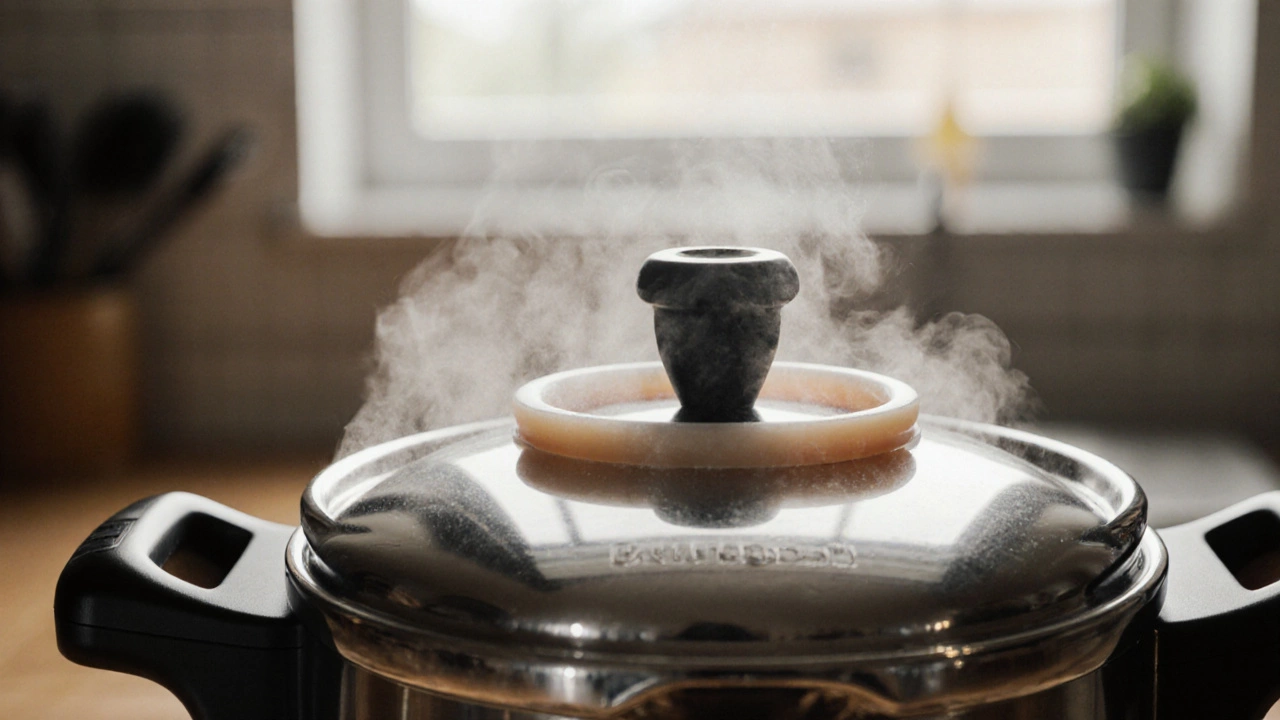
Can a pressure cooker be repaired? Often yes-but only for simple issues like sealing rings or valves. Complex repairs aren’t worth the cost or risk. Learn what you can fix yourself and when to replace it.
read more