
Home Appliance Troubleshooter
Select your appliance to understand its core function and identify potential problems before calling a technician.
Description goes here...
Component goes here...
Common Failure Point
Failure info goes here...
Maintenance Tip
Tip goes here...
You flip a switch, and the lights come on. You press a button, and cold air blasts out. It feels like magic, but it’s not. Home appliances are mechanical and electrical devices designed to automate tasks that used to take hours of manual labor. They don't just "do things"; they manage energy, move matter, and control temperature to keep your life running smoothly.
Most people ignore their appliances until they break. But understanding what these machines actually do helps you use them better, save money on energy bills, and spot problems before they become expensive repairs. Let’s break down the core jobs your home machines perform, from the kitchen to the laundry room.
The Core Jobs: Moving, Heating, Cooling, and Cleaning
At their simplest level, almost every major appliance performs one of four physical actions. Once you see this pattern, the complexity drops away. You aren’t looking at black boxes anymore; you’re looking at specialized tools for specific physics problems.
- Moving: Fans, pumps, and motors physically transport air or water. Think of your refrigerator’s compressor or your dishwasher’s spray arm.
- Heating: Devices convert electricity or gas into thermal energy. This includes ovens, toasters, and water heaters.
- Cooling: These units remove heat from an enclosed space using refrigerants. Your AC unit and fridge are the prime examples.
- Cleaning: Mechanical agitation combined with chemical action removes dirt. Washing machines and dishwashers fall here.
Notice how many appliances combine these? A washing machine moves water (pump), heats it (heater), and cleans via agitation (motor). Understanding this combo helps when troubleshooting. If your clothes are still dirty, is it the cleaning action failing, or did the heating element quit?
Kitchen Workhorses: Preservation and Preparation
The kitchen is the command center for appliance activity. Here, the primary goal is preserving food safety and accelerating cooking times. Two entities dominate this space: the Refrigerator and the Range/Oven.
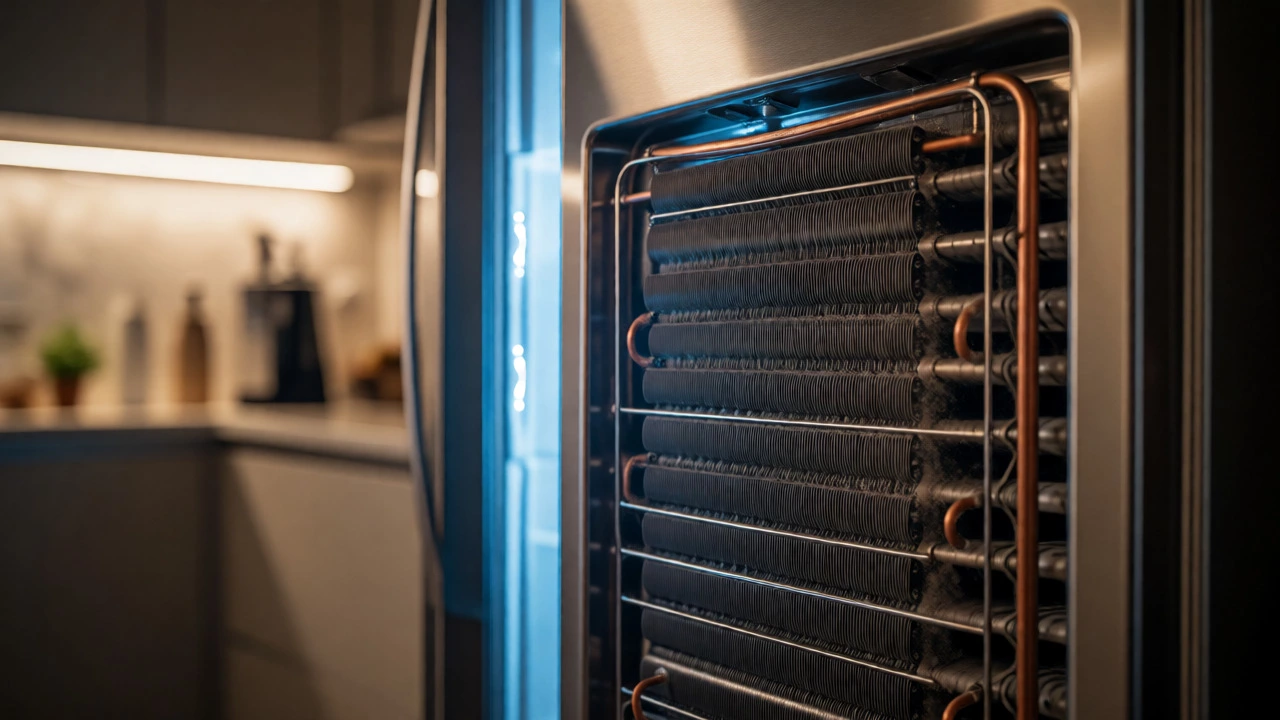
A refrigerator doesn’t “add cold.” It removes heat. Inside the coils, a chemical called refrigerant evaporates, absorbing heat from the interior air. The compressor then squeezes this gas, releasing the heat outside the box. If your fridge isn’t cooling, check if the condenser coils behind it are dusty. Dust acts as insulation, trapping heat inside instead of letting it escape. That simple cleaning task can restore performance in minutes.
| Appliance | Primary Physical Action | Key Component | Common Failure Point |
|---|---|---|---|
| Refrigerator | Heat Removal (Cooling) | Compressor & Thermostat | Dusty Coils / Faulty Seal |
| Oven | Thermal Generation (Heating) | Heating Elements / Gas Burner | Burnt-out Element / Igniter |
| Dishwasher | Agitation & Spraying | Water Pump & Spray Arms | Clogged Filter / Broken Arm |
Ovens work on the opposite principle. They generate heat directly. Electric ovens use resistive heating elements that glow red-hot. Gas ovens burn fuel. Both require precise temperature control. If your cake burns while the top stays raw, your oven’s thermostat might be drifting. Calibration kits cost less than $10 and tell you exactly how far off your dial is.
Laundry Room: Hygiene Through Mechanics
Washing machines and dryers handle hygiene, which is critical for health. Their job is removing particulate matter and pathogens from fabric. This requires a delicate balance of water pressure, temperature, and mechanical force.
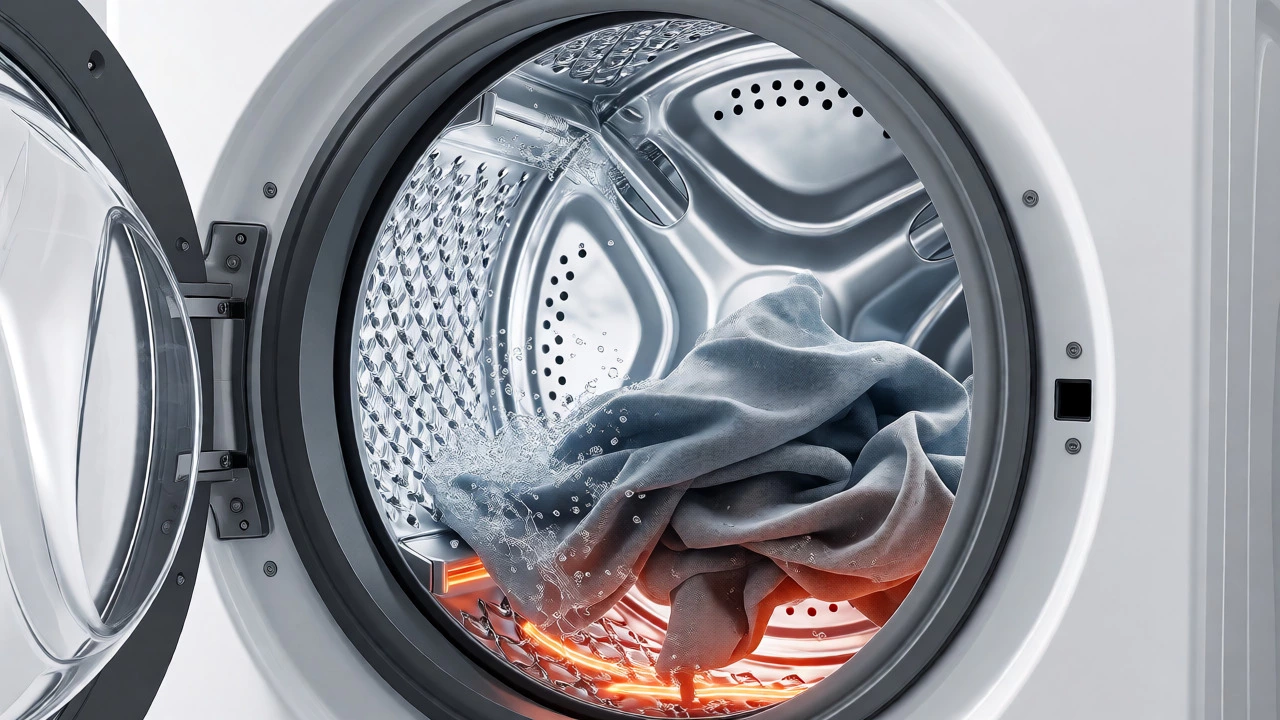
Your washer uses an electric motor to spin a drum. This creates friction between clothes and water. Detergents lower the surface tension of water, allowing it to penetrate fibers deeper. But here’s the catch: modern high-efficiency washers use less water. This means they rely more on tumbling action than soaking. If you overload the drum, clothes can’t tumble. They just sit there, getting wet but not clean. Overloading is the number one user error in laundry rooms.
Dryers, meanwhile, are essentially large fans attached to heaters. They blow hot air through tumbling clothes to evaporate moisture. Lint buildup in the vent hose restricts airflow. Restricted airflow means the dryer runs longer, wasting energy and stressing the motor. Clean the lint trap after every load. Check the external vent annually. It’s cheap insurance against fire hazards.
Climate Control: Managing Air Quality and Temperature
Heating, ventilation, and air conditioning (HVAC) systems regulate the environment you live in. Unlike kitchen appliances, these often run continuously or frequently throughout the day. Efficiency matters most here.
An Air Conditioner works similarly to your fridge but on a larger scale. It pulls warm indoor air over cold coils, cools it, and blows it back into the room. The humidity condenses on those coils and drains away. If your AC drips water indoors, the drain line is likely clogged with algae or mold. A cup of bleach poured into the drain access point clears it up fast.
Furnaces and boilers provide heat. Furnaces blow heated air through ducts. Boilers circulate hot water through radiators or baseboards. Both need regular filter changes. A clogged furnace filter reduces airflow, causing the system to overheat and shut down. In winter, this can lead to frozen pipes if the house gets too cold. Change filters every three months, or monthly if you have pets.
Small Appliances: Specialized Tools for Daily Tasks
We often overlook small appliances, but they perform highly specialized functions that save time. Microwaves, blenders, and coffee makers each solve a specific problem quickly.
Microwaves use electromagnetic radiation to agitate water molecules in food. This generates heat from the inside out. It’s not “radiation” in the scary nuclear sense; it’s non-ionizing waves similar to radio signals. However, microwaves don’t brown food because they don’t reach high enough surface temperatures. For crispy results, finish in a conventional oven.
Blenders create vortexes. High-speed blades pull ingredients down and push them up, breaking cell walls in fruits and vegetables. This releases nutrients and creates smooth textures. Cheap blenders struggle with fibrous foods like kale. If your blender smells like burning plastic, the motor is straining. Stop using it immediately to avoid permanent damage.
Energy Consumption: Where the Money Goes
Understanding what appliances do helps you understand where your money goes. Not all appliances cost the same to run. Some draw power only when active; others cycle on and off constantly.
Refrigerators run 24/7, cycling every few minutes. Old models can consume 600+ watts per hour. New ENERGY STAR models use half that. Upgrading an old fridge pays for itself in energy savings within five years. Similarly, water heaters maintain tank temperature all day. Insulating the tank and pipes reduces standby heat loss by up to 45%.
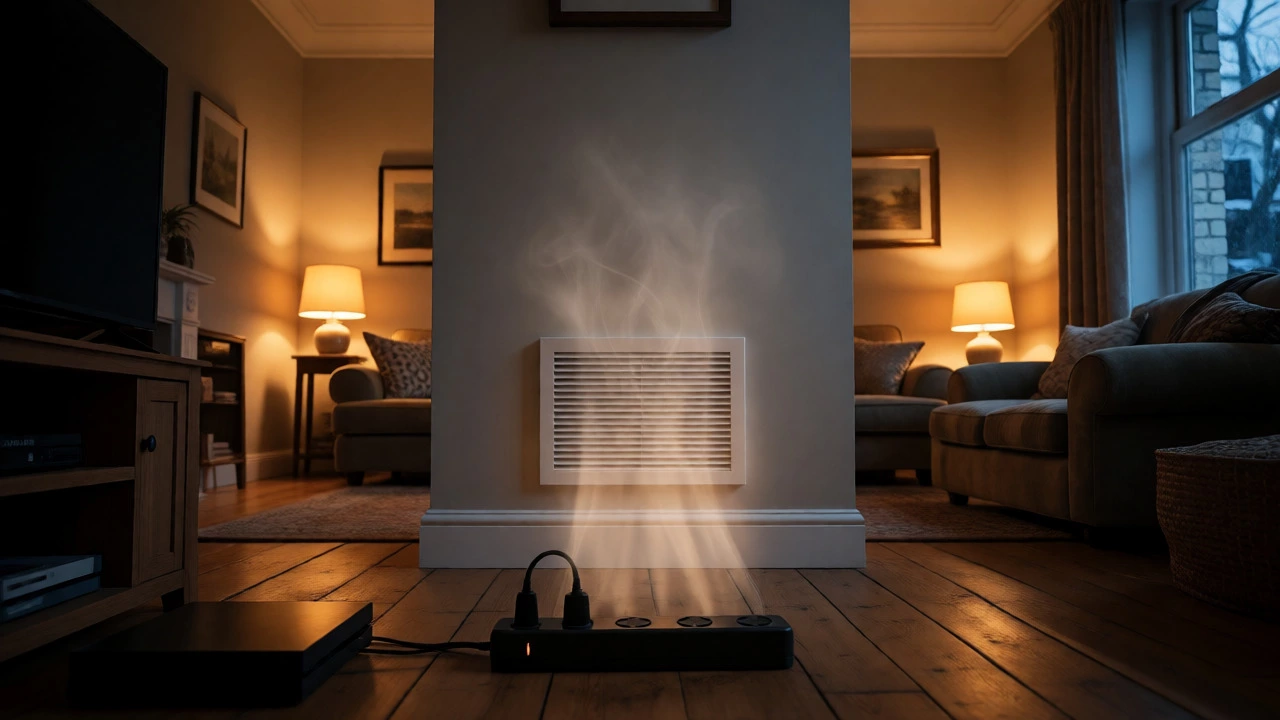
Vampire loads-devices drawing power when off-add up too. TVs, game consoles, and chargers sip electricity silently. Smart power strips cut power completely when devices aren’t in use. This tiny habit saves $50-$100 annually depending on your local rates.
Maintenance: Keeping the Jobs Done Right
Appliances fail when components wear out or get neglected. Regular maintenance extends lifespan significantly. Most failures aren’t sudden; they’re gradual declines ignored by users.
Listen to your machines. A grinding noise in a dryer suggests worn bearings. A humming sound without spinning in a fridge indicates a stuck compressor. Smell is another clue. Burning odors mean overheating wires or dust. Moldy smells point to stagnant water or dirty filters.
Keep a log. Note when you last cleaned filters, checked seals, or serviced HVAC units. When you call a technician, this history helps them diagnose issues faster. It also proves you maintained the unit, which sometimes affects warranty claims.
Why do appliances trip circuit breakers?
Appliances trip breakers when they draw more current than the circuit allows. This happens due to short circuits, ground faults, or simply plugging too many high-wattage devices into one outlet. Major appliances like fridges and dryers usually need dedicated circuits. If a breaker trips repeatedly, stop using the appliance and consult an electrician to prevent fire risks.
How long should home appliances last?
Lifespans vary by type and usage. Refrigerators average 13-15 years. Dishwashers last about 9-10 years. Washing machines typically run for 10-12 years. Dryers can last 13-15 years. HVAC systems may last 15-20 years with proper maintenance. Buying higher-quality brands often yields longer lifespans, reducing replacement frequency and waste.
Do smart appliances actually save money?
Smart features alone rarely pay for themselves through energy savings. However, they offer convenience and diagnostic data. Some utility companies offer rebates for smart thermostats or efficient appliances. The real value lies in monitoring usage patterns and scheduling cycles during off-peak hours if your electricity plan charges variable rates.
What is the most common cause of appliance failure?
Neglect is the biggest killer. Clogged filters, dirty coils, and overloaded drums stress components beyond design limits. Electrical surges also damage control boards. Using surge protectors and performing basic annual cleaning prevents the majority of premature failures.
Can I repair appliances myself?
Yes, for simple issues like replacing gaskets, cleaning filters, or swapping light bulbs. Always unplug the device first. For internal electrical components, gas lines, or sealed refrigeration systems, hire a professional. Incorrect repairs can void warranties or create safety hazards.