
Appliance Repair vs. Replace Calculator
Use this tool to determine if you should call an appliance specialist for a repair or invest in a new unit. This calculator applies the industry-standard "50% Rule" and accounts for potential energy efficiency savings.
Current Appliance Details
Enter details to see recommendation
You’re standing in your kitchen, staring at a washing machine that’s making a noise like a dying lawnmower. You call for help, and someone shows up who fixes it in twenty minutes. But what exactly did they do? Is this person just a plumber with extra tools, or is there a specific skill set at play here? That person is an appliance specialist, and their role is far more complex than simply swapping out broken parts.
Most people think of appliance repair as mechanical work-tightening screws and replacing belts. In reality, modern appliances are computers wrapped in metal casings. An appliance specialist bridges the gap between traditional mechanics and digital diagnostics. They don’t just fix things; they decode error codes, test electronic control boards, and ensure safety standards are met in homes across New Zealand and beyond. If you’ve ever wondered whether to call a handyman or a pro, understanding this role saves you money and frustration.
The Core Responsibilities of an Appliance Technician
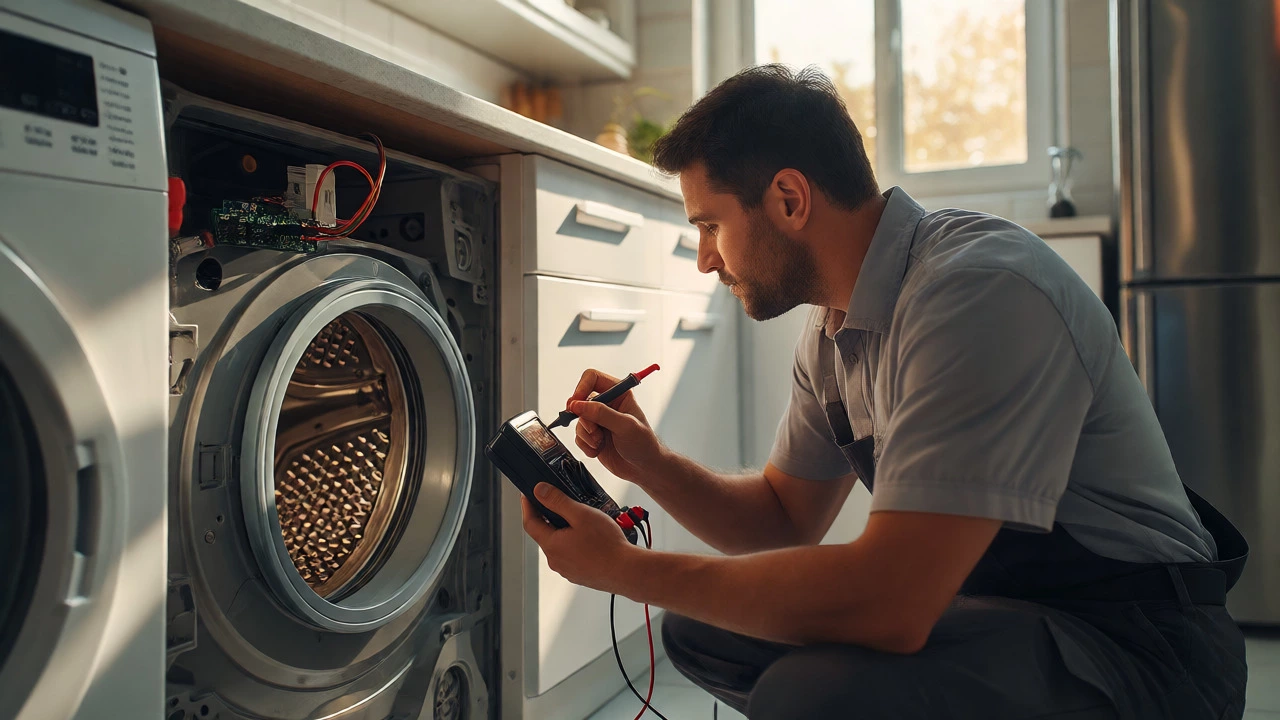
At its heart, the job is about diagnosis. Before a single screw turns, the specialist has to figure out what’s wrong. This involves a systematic process that goes way beyond guessing. When a fridge isn’t cooling, it could be the compressor, the thermostat, the fan motor, or even a blocked vent. A good specialist uses multimeters and pressure gauges to isolate the fault.
- Diagnostic Testing: Using specialized tools to check voltage, continuity, and component resistance.
- Error Code Interpretation: Modern fridges and ovens display alphanumeric codes (like F03 or E5) that point to specific sensor failures.
- Mechanical Repairs: Replacing motors, belts, pumps, and seals that wear out over time.
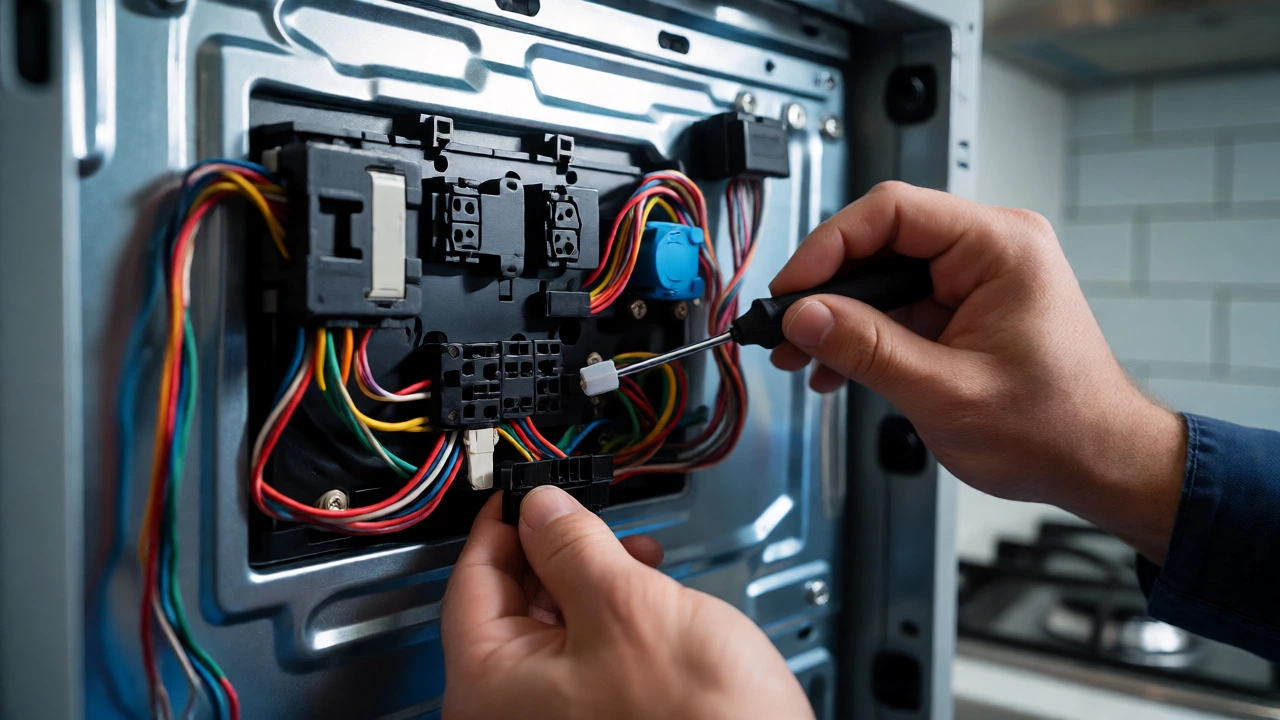
- Electrical Troubleshooting: Checking heating elements, thermostats, and wiring harnesses for faults.
It’s not just about fixing the immediate problem. A true specialist looks at the whole system. For example, if a dishwasher pump fails because of a clogged filter, cleaning the filter without checking the pump’s load might lead to another failure next month. They prevent repeat issues by addressing root causes.
Why Modern Appliances Demand Specialized Knowledge
Gone are the days when a toaster was just two wires and a coil. Today’s smart appliances contain microprocessors, Wi-Fi modules, and touch interfaces. An old-school handyman might look at a smart oven and see a black box they can’t open. An appliance specialist knows how to access the service mode, update firmware, and recalibrate sensors.
Consider a high-efficiency front-loader washing machine. It uses sensors to detect load weight and balance. If the suspension springs are worn, the machine vibrates excessively and shuts down to prevent damage. Fixing this requires knowing how to replace the dampers and shock absorbers correctly, then running a calibration cycle so the computer learns the new baseline. Miss that step, and the machine still thinks it’s unbalanced.
This shift toward electronics means specialists need continuous training. Manufacturers like Samsung, LG, and Fisher & Paykel release new models with proprietary tech every year. What worked on a 2015 model might not apply to a 2026 version. Staying current is part of the job description.
Distinguishing Specialists from General Handymen
People often ask, "Can’t I just get my local handyman to look at it?" Sometimes, yes. But there’s a distinct difference in scope and liability. Handymen are great for general tasks-mounting shelves, fixing leaky taps, or installing blinds. They rarely carry the diagnostic equipment needed for internal appliance faults.
| Feature | Appliance Specialist | General Handyman |
|---|---|---|
| Primary Focus | Specific brand/model systems | General home repairs |
| Tools Used | Multimeters, gas detectors, vacuum gauges | Drills, wrenches, hammers |
| Parts Access | Direct manufacturer supply chains | Generic hardware store parts |
| Warranty | Often provides labor warranty | Rarely offers technical warranty |
| Cost Structure | Call-out fee + hourly rate + parts | Hourly rate + materials |
If your boiler won’t ignite, calling a handyman might result in them telling you to call a gas fitter. An appliance specialist, particularly one certified for gas appliances, handles the ignition module, gas valve, and flame sensor all in one visit. This saves you multiple call-out fees.
Safety Standards and Regulatory Compliance
In New Zealand, where many homes use gas for cooking and heating, safety is non-negotiable. An appliance specialist working on gas cooktops or water heaters must hold valid licenses. They check for carbon monoxide leaks, proper ventilation, and correct gas pressure.
Even electric appliances have safety implications. A faulty earth wire in a tumble dryer can make the casing live. A specialist tests earthing integrity before handing the job back. They also follow manufacturer guidelines for clearances-keeping dryers away from curtains or ensuring dishwashers aren’t plugged into overloaded power strips. These small checks prevent fires and electrical shocks.
Compliance extends to waste disposal too. Old refrigerators contain refrigerants that harm the ozone layer. Specialists handle these gases according to environmental regulations, ensuring they’re captured and recycled rather than vented into the atmosphere.
The Diagnostic Process: Step-by-Step
How does a typical service call go? It’s structured to minimize downtime and maximize accuracy. Here’s the workflow most professionals follow:
- Initial Interview: Asking questions like "When did it start?" or "Did you hear a pop?" helps narrow down the issue.
- Visual Inspection: Looking for burnt components, water leaks, or loose connections.
- Power Check: Ensuring the outlet works and the fuse hasn’t blown.
- Component Testing: Isolating parts using a multimeter. For instance, testing a heating element for continuity.
- Repair or Replace: Installing new parts only after confirming the old ones failed.
- Function Test: Running a full cycle to verify the fix holds under real conditions.
This methodical approach prevents "parts throwing"-the practice of replacing random components hoping one fixes the problem. That wastes your money and the technician’s time.
When to Call a Specialist vs. DIY
Should you try to fix it yourself? Simple tasks like cleaning a lint filter, unclogging a drain trap, or resetting a circuit breaker are safe for homeowners. But once you need to open the panel, things get risky.
Here’s a quick rule of thumb: If the repair involves electricity, gas, water pressure, or sealed refrigerant systems, call a pro. Touching a capacitor in a microwave can give you a lethal shock, even when unplugged. Gas lines require leak testing with soap solution or electronic detectors. Refrigerant handling needs EPA-certified recovery equipment.
Also consider the cost-benefit analysis. If a repair costs $150 and the appliance is ten years old, replacement might be smarter. Specialists often provide honest advice on this. They’ll tell you if a $400 main board repair on a $600 washer makes sense, or if you should save for a new unit.
Training and Certification Pathways
Becoming an appliance specialist isn’t something you learn overnight. Most pros start with apprenticeships in electrical engineering or plumbing. They then specialize through manufacturer-specific training programs. Brands like Bosch, Miele, and Haier offer certification courses that teach technicians how to service their unique designs.
In New Zealand, organizations like the Electrical Workers Registration Board (EWRB) oversee licensing. Technicians must demonstrate competence in both theory and practical application. Continuous professional development ensures they keep up with energy efficiency standards and new technologies like induction cooking or heat pump dryers.
This rigorous training explains why specialist rates are higher than general labor. You’re paying for expertise, insurance, and guaranteed outcomes.
Frequently Asked Questions
Do appliance specialists fix all brands?
Most independent specialists handle major global brands like Whirlpool, Electrolux, and Samsung. However, some niche European brands like Miele or Gaggenau may require authorized service agents due to proprietary parts and software locks. Always check if your technician stocks common parts for your specific model.
How much does an appliance specialist cost?
In New Zealand, expect a call-out fee between $80 and $150, which often covers the first hour of labor. Hourly rates typically range from $100 to $180 depending on complexity and location. Parts are charged separately at trade prices plus markup. Getting a written quote before work begins is standard practice.
Can an appliance specialist install new appliances?
Yes, installation is a core part of the role. Proper installation ensures warranties remain valid. Specialists connect water lines, drain hoses, gas supplies, and electrical outlets correctly. They also level machines and check for vibration issues during the initial run.
What should I do before the specialist arrives?
Clear the area around the appliance so they can access it easily. Unplug the machine if safe to do so. Write down any error codes displayed on the screen. Note when the problem started and any recent changes, like moving the appliance or changing detergent types. This info speeds up diagnosis.
Is it worth repairing an old appliance?
Use the 50% rule: If the repair cost exceeds 50% of the price of a new equivalent model, consider replacing it. Also factor in energy efficiency; newer models often use 20-30% less electricity, saving money long-term. A specialist can help calculate this break-even point based on your usage patterns.