
Water Heater Maintenance Cost Calculator
Estimate Your Savings
Enter your current usage details to see the financial impact of regular maintenance.
Scenario: Never Flushed
Scenario: Regularly Maintained
Imagine your home’s hot water system is slowly turning into a pressure cooker. It sounds dramatic, but that is exactly what happens when you ignore one simple task: flushing your water heater. Most homeowners in Wellington and beyond assume that if the hot water is running, everything is fine. But inside that steel tank, a silent process is destroying your unit, spiking your electricity or gas bills, and potentially creating a safety hazard.
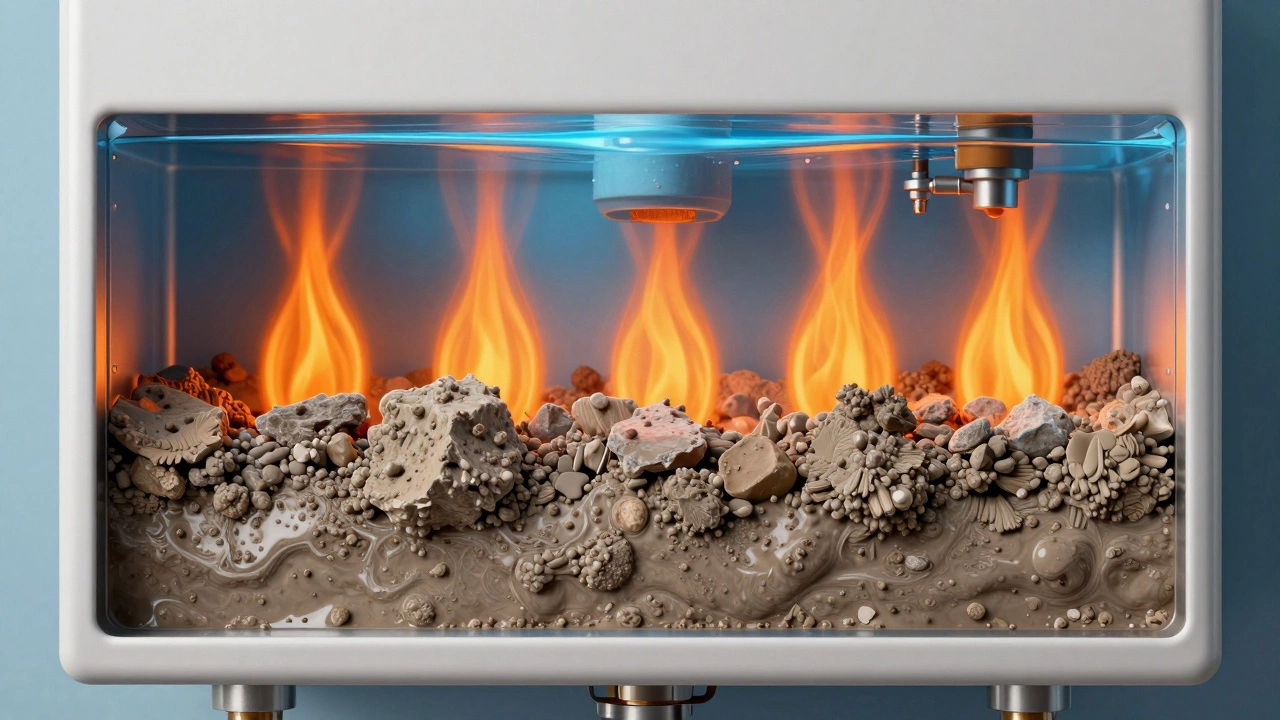
The short answer to "what happens if you never flush your water heater" is that it will fail prematurely, cost you significantly more to run, and could leak or burst. Sediment-mostly calcium and magnesium minerals from hard water-settles at the bottom of the tank. Over time, this layer grows thicker, insulating the water from the heating element and trapping heat against the metal walls. The result is a cascade of problems that start small and end with an expensive replacement.
The Silent Killer: How Sediment Builds Up
To understand why flushing matters, you need to look at how water heaters work. Whether you have a traditional storage tank or a modern tankless water heater, they rely on clean water flow and efficient heat transfer. In a standard tank, cold water enters the bottom, gets heated, and rises to the top where it exits to your taps. As water heats up, dissolved minerals precipitate out and fall to the bottom as sediment.
In New Zealand, especially in areas with hard water like parts of the North Island and some South Island regions, this buildup accelerates. Within two years, a typical tank can accumulate several inches of mineral scale. This isn’t just dirt; it’s rock-hard deposits that bond to the tank floor. When you never flush the system, this layer acts like a blanket. The heating element or gas burner has to work harder to push heat through the sediment to warm the water above it. This inefficiency is the first sign that something is wrong, even before the unit breaks down completely.
Financial Impact: Rising Energy Bills and Shorter Lifespan
The most immediate consequence of neglecting maintenance is financial. A water heater covered in sediment can consume up to 30% more energy than a clean one. Why? Because the heating element sits in the sludge rather than the water. It overheats, cycles on and off more frequently, and wastes power trying to penetrate the mineral barrier. For electric models, this means higher kilowatt-hour usage. For gas units, it means longer burn times and wasted fuel.
Then there is the lifespan issue. A properly maintained tank water heater lasts 10 to 15 years. Without regular flushing, that number drops to 6 or 7 years. Replacing a water heater costs anywhere from $800 to $2,500 depending on the type and installation complexity. By skipping a 30-minute annual flush, you are essentially throwing away thousands of dollars in premature replacement costs and inflated utility bills. It is a classic case of paying for convenience now and suffering the consequences later.
Safety Hazards: Corrosion, Leaks, and Explosions
Beyond money, ignoring sediment buildup introduces serious safety risks. The trapped heat between the sediment layer and the tank wall causes localized overheating. This stress weakens the steel over time, leading to micro-fractures and eventual leaks. You might notice puddles around the base of the unit or damp spots on the floor. These are warning signs that the tank integrity is compromised.
In severe cases, excessive pressure buildup can occur. If the temperature and pressure relief (T&P) valve gets clogged with debris-a common side effect of poor maintenance-the tank cannot release excess pressure safely. While rare, this scenario can lead to tank rupture or explosion. Additionally, sediment can interfere with the anode rod, which protects the tank from corrosion. Once the anode rod is depleted or blocked by scale, the steel tank itself begins to rust from the inside out. This internal corrosion creates pinhole leaks that are impossible to patch, forcing a full replacement.
Performance Issues: Noisy Tanks and Dirty Water
If you haven’t flushed your water heater in years, you’ve probably heard the noises. Popping, rumbling, banging, or hissing sounds coming from the tank are not normal. They are caused by steam bubbles forming under the sediment layer and bursting their way to the surface. Think of it like boiling pasta water where starch settles at the bottom; the bubbles get trapped and explode when they escape. These noises indicate significant sediment accumulation and potential damage to the heating elements.
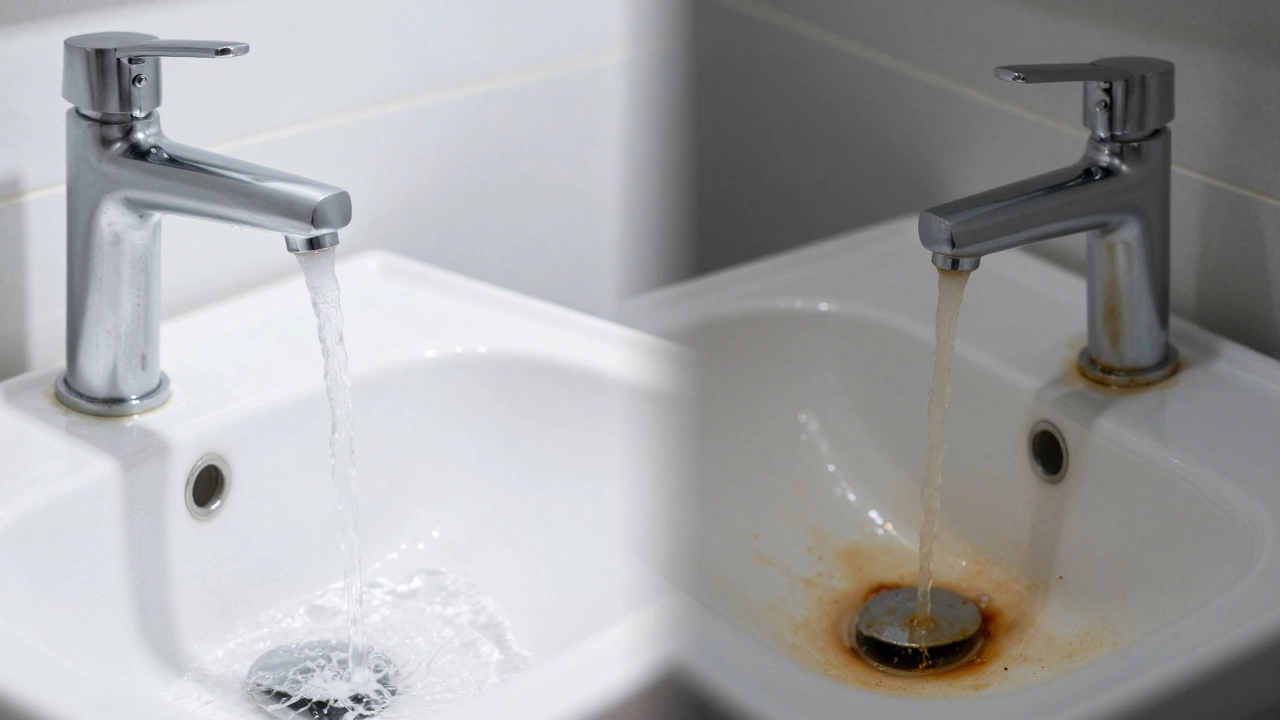
You might also notice changes in your water quality. Hot water may appear cloudy, discolored, or carry a metallic smell. This happens because the sediment mixes with the water as it circulates. Rust particles from corroding tanks can stain laundry, discolor porcelain fixtures, and clog aerators in your faucets. Tankless units suffer similarly, though differently. Mineral scale restricts water flow through the narrow heat exchanger coils, reducing output temperature and flow rate. You’ll find yourself waiting longer for hot water, only to have it turn lukewarm mid-shower.
How Often Should You Flush Your Water Heater?
The general rule of thumb is to flush your water heater once a year. However, frequency depends on your local water hardness and usage patterns. In areas with very hard water, bi-annual flushing may be necessary. Here is how to determine if you need to act sooner:
- Hard Water Areas: If you live in a region known for high mineral content, flush every six months.
- High Usage Households: Large families using lots of hot water accelerate sediment buildup. Stick to annual flushing.
- Noise and Performance: If you hear popping or notice reduced hot water capacity, flush immediately regardless of schedule.
- New Installations: Flush within the first year to remove construction debris and initial mineral deposits.
Tankless water heaters require less frequent flushing but still need attention. Manufacturers typically recommend professional descaling every 1-2 years, depending on water hardness. DIY flushing is possible but requires specialized vinegar or citric acid solutions to dissolve scale without damaging the delicate heat exchanger.
Step-by-Step Guide to Flushing Your Water Heater
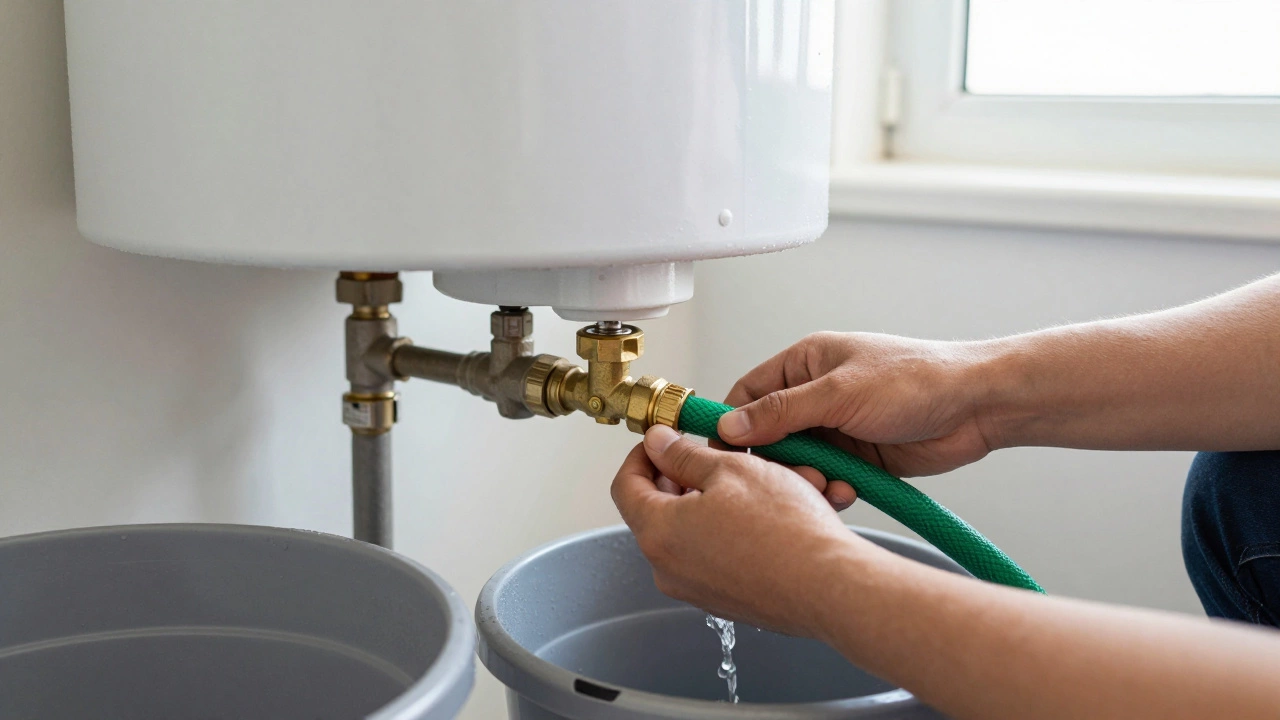
Flushing a tank water heater is straightforward and doesn’t require professional help unless you’re uncomfortable working with plumbing. Here is the safe procedure:
- Turn Off Power: For electric units, switch off the circuit breaker. For gas units, set the thermostat to "Pilot" or "Off."
- Cold Water Supply: Locate the cold water inlet valve near the top of the tank and turn it clockwise to shut off supply.
- Connect Hose: Attach a garden hose to the drain valve at the bottom of the tank. Run the other end to a floor drain or outside area.
- Open Drain Valve: Slowly open the drain valve. Let the water flow until it runs clear. If it stops flowing, close the valve, briefly open the cold water inlet to stir up sediment, then reopen the drain.
- Refill and Restore: Close the drain valve, remove the hose, turn the cold water supply back on, and refill the tank. Wait for air to purge from the lines.
- Restore Power: Turn the gas pilot back on or reset the circuit breaker. Set thermostats to desired temperatures (usually 120°F/49°C).
For tankless systems, consider hiring a professional plumber for the first few flushes to ensure proper chemical handling and prevent voiding warranties. They use pressurized flushing kits designed specifically for heat exchangers.
| Feature | Regularly Flushed | Never Flushed |
|---|---|---|
| Lifespan | 10-15 Years | 6-8 Years |
| Energy Efficiency | Optimal | Reduced by up to 30% |
| Maintenance Cost | $0 (DIY) | High (Repairs/Replacement) |
| Noise Level | Silent | Popping/Rumbling |
| Water Quality | Clear | Discolored/Metallic |
| Safety Risk | Low | High (Leakage/Corrosion) |
When to Call a Professional Plumber
While flushing is mostly DIY, certain situations demand expert intervention. If your tank is older than 10 years, the drain valve might be stuck or corroded. Forcing it can cause leaks that require valve replacement. Similarly, if you suspect anode rod depletion, a plumber can inspect and replace it during the flush, extending tank life significantly.
Signs you need professional help include persistent leaking after flushing, complete loss of hot water despite correct settings, or unusual odors suggesting bacterial growth or gas issues. In Wellington, where freeze protection isn’t usually needed, focus instead on hard water mitigation. Professionals can install water softeners or point-of-use filters to reduce future sediment buildup, saving you long-term hassle.
Can I flush my water heater myself?
Yes, flushing a standard tank water heater is a safe DIY task. Just ensure power/gas is off, connect a hose to the drain valve, and let water run until clear. For tankless units, consult your manual or hire a pro to avoid damaging sensitive components.
How do I know if my water heater needs flushing?
Look for popping noises, discolored hot water, reduced hot water capacity, or higher energy bills. If it’s been over a year since last service, assume it needs flushing regardless of symptoms.
Does flushing really save money?
Absolutely. Removing sediment improves heat transfer efficiency, lowering energy consumption by up to 30%. It also extends tank life, delaying costly replacements.
What happens if I forget to turn off the power before flushing?
This is dangerous. Running heating elements without water coverage causes them to overheat and burn out instantly. Always cut power/gas before draining.
Is it worth replacing an old unflushed water heater?
If the unit is over 10 years old and shows signs of corrosion or leaking, replacement is often more economical than repair. Modern units are far more efficient and safer.