
Appliance Maintenance Scheduler
Create a personalized maintenance plan for your home appliances. Proper maintenance saves money, extends appliance life, and prevents costly repairs.
Select Your Appliances
Your Maintenance Schedule
Regular maintenance can save you up to 30% on energy costs and extend your appliance life by 5-10 years. Start today!
Set a calendar reminder for the next maintenance task to stay on track.
Most people don’t think about their washing machine until it stops spinning. Or their fridge until the food starts spoiling. But here’s the truth: appliance maintenance isn’t optional. It’s the difference between a fridge that lasts 15 years and one that dies at 7. It’s why your dishwasher doesn’t leak, your oven heats evenly, and your vacuum doesn’t overheat after three uses.
What Exactly Is Appliance Maintenance?
Appliance maintenance is the routine care you give to your home devices to keep them working safely and efficiently. It’s not waiting for something to break. It’s checking, cleaning, and adjusting things before they fail. Think of it like changing your car’s oil. You don’t wait for the engine to seize-you do it on schedule.
It includes simple tasks like cleaning lint filters, checking water inlet hoses, wiping down seals, and making sure vents aren’t blocked. It also means noticing small changes: a louder hum, slower drying times, odd smells, or lights blinking when they shouldn’t. These aren’t just annoyances-they’re early warnings.
Why Does It Matter?
In New Zealand, where winters are damp and energy costs keep climbing, a poorly maintained appliance doesn’t just break-it costs you money. A fridge with dirty coils uses up to 30% more electricity. A washing machine with a clogged pump filter can flood your laundry room. A dryer with a blocked vent is a fire hazard.
According to Consumer NZ, over 40% of appliance repairs in 2025 were caused by lack of basic upkeep. That’s not bad luck. That’s preventable. Regular maintenance can extend the life of your appliances by 5 to 10 years. For a $1,200 oven, that’s hundreds of dollars saved. For a $2,000 heat pump, it’s thousands.
What Appliances Need Maintenance?
Almost every major appliance in your home needs attention. Here’s the short list:
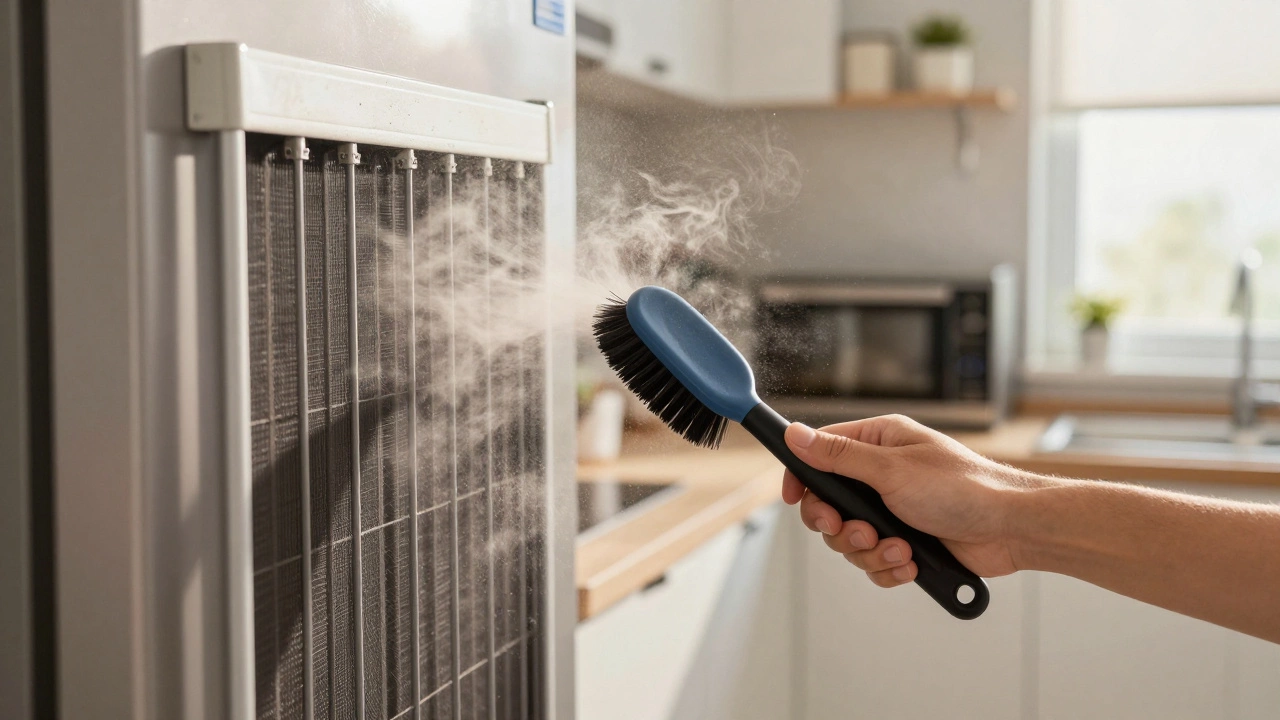
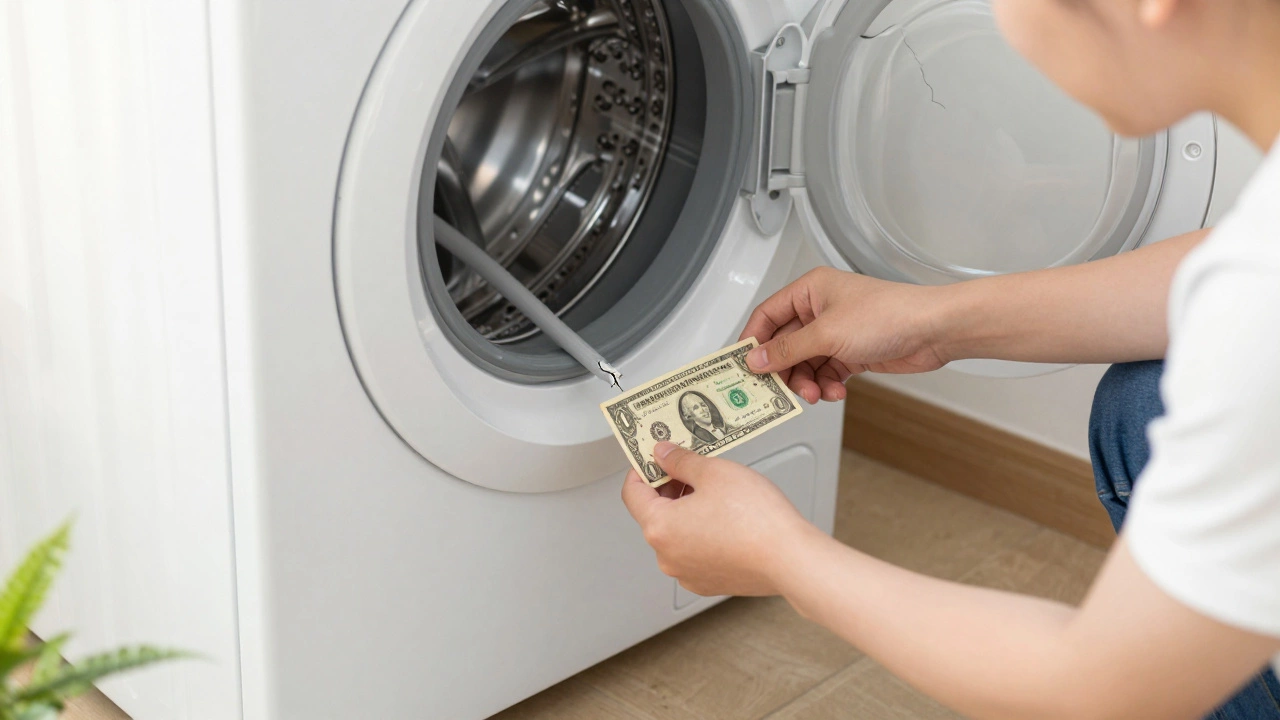
- Refrigerators and freezers: Clean the condenser coils every 6 months. Check door seals by closing a dollar bill in the door-if it pulls out easily, the seal is worn.
- Washing machines: Run a hot empty cycle with vinegar or a dedicated cleaner every month. Inspect hoses for cracks or bulges. Don’t overload the drum.
- Dryers: Clean the lint filter after every load. Vacuum the vent duct at least twice a year. A clogged vent is the #1 cause of dryer fires.
- Dishwashers: Clean the filter weekly. Run a cycle with a cup of white vinegar to remove grease and mineral buildup.
- Ovens and stoves: Wipe spills right away. Clean burners and drip pans monthly. Check that the oven door seals tightly.
- Water heaters: Drain a bucket of water from the tank every 6 months to remove sediment. Test the pressure relief valve once a year.
- Heat pumps: Clean or replace air filters every 1-3 months. Clear debris from the outdoor unit. Schedule professional servicing every 2 years.
What Happens If You Skip It?
Skipping maintenance doesn’t mean your appliance will break tomorrow. It means it’ll wear out faster, work harder, and cost more to run.
Here’s what you might see if you ignore it:
- Your dishwasher leaves dishes grimy because the spray arms are clogged with mineral deposits.
- Your fridge runs constantly, making your electricity bill spike in winter.
- Your washing machine shakes violently because the drum is unbalanced from years of overloading.
- Your oven takes 45 minutes to heat up because the heating element is coated in grease.
And then there’s safety. Gas ovens with cracked seals can leak carbon monoxide. Dryers with blocked vents can ignite lint. Water heaters with corroded anodes can burst. These aren’t rare accidents. They happen every week in homes where maintenance was ignored.
How Often Should You Do It?
You don’t need to overhaul everything at once. Break it down by appliance and frequency:
| Appliance | Monthly | Every 6 Months | Annually |
|---|---|---|---|
| Refrigerator | Wipe door seals | Clean condenser coils | Check temperature settings |
| Washing Machine | Check for leaks | Run cleaning cycle | Inspect hoses |
| Dryer | Clean lint filter | Vacuum vent duct | Check for lint buildup inside |
| Dishwasher | Clean filter | Run vinegar cycle | Inspect spray arms |
| Oven | Wipe interior spills | Check door seal | Test thermostat accuracy |
| Water Heater | - | Drain 1 bucket | Test pressure valve |
| Heat Pump | Replace air filter | Clean outdoor unit | Professional service |
Set reminders on your phone. Put a note on your fridge. Make it part of your routine-like taking out the bins or changing your smoke alarm batteries.
What Can You Do Yourself?
You don’t need to be a technician. Most maintenance tasks take less than 15 minutes and cost nothing. Here’s what you can handle:
- Wiping down surfaces and seals
- Clearing lint and debris
- Running cleaning cycles with vinegar or baking soda
- Checking hoses and cords for damage
- Ensuring vents and filters are clear
- Listening for unusual noises
If you’re unsure, read the manual. Most manufacturers include a basic maintenance section. If you don’t have it, search online for “[your appliance model] maintenance guide.”
When to Call a Professional
There are limits. Don’t open up the control panel of your oven or try to recharge your fridge’s coolant. Those are jobs for trained technicians.
Call a pro if you notice:
- Water pooling under the fridge or washing machine
- Smoke, sparks, or burning smells
- Appliance won’t turn on at all
- Error codes you can’t look up or fix
- Unusual vibrations or loud grinding noises
Preventive servicing is cheaper than emergency repairs. A $120 check-up on your heat pump is better than a $1,500 replacement after it dies in July.
Real-Life Example: The Smith Family
In Lower Hutt, the Smiths ignored their washing machine for five years. It started smelling musty. Then it leaked. Then it stopped spinning. They called a repair service. The technician said the pump filter was packed with lint, the drum bearings were worn, and the inlet hose was cracked. Repair cost: $680. They replaced it with a new one.
Two months later, their neighbor had her machine serviced. She cleaned the filter, replaced the hose, and wiped the drum. Five years later, it still works fine. Cost of maintenance: $20 in vinegar and 20 minutes of her time.
Start Small. Stay Consistent.
You don’t have to fix everything today. Pick one appliance. Clean its filter. Wipe its seals. Check its hoses. Do it now. Then set a reminder for next month.
Appliance maintenance isn’t glamorous. But it’s the quiet, daily habit that keeps your home running smoothly. It saves money. It prevents disasters. And it means you won’t be standing in a cold kitchen at 8 a.m. wondering why the fridge is off.
How often should I clean my refrigerator coils?
Clean your refrigerator’s condenser coils every six months. If you have pets or live in a dusty area, do it every three months. Dust buildup makes the compressor work harder, which increases energy use and shortens the fridge’s life. You can use a coil brush or vacuum attachment to remove the dust.
Can I use vinegar to clean my dishwasher?
Yes. Place a cup of white vinegar on the top rack and run a hot cycle without dishes. This removes grease, mineral deposits, and odors. Vinegar is safe for most dishwashers and works better than commercial cleaners for regular maintenance. Avoid using vinegar if your dishwasher has a stainless steel interior-check the manual first.
Is it worth repairing an old appliance instead of replacing it?
If the appliance is less than 10 years old and the repair cost is under half the price of a new one, it’s usually worth fixing. Also consider energy efficiency. A 15-year-old fridge might use twice as much power as a new model. If your electricity bill is rising, replacement may save more money long-term.
Why does my dryer take so long to dry clothes?
The most common reason is a blocked vent. Lint builds up in the duct over time, restricting airflow. This makes the dryer work harder and take longer. Clean the vent duct at least twice a year. Also check that the exhaust flap outside your house opens freely. A clogged vent is also a fire risk.
Do I need to service my heat pump every year?
No-every two years is enough for most homes. But clean or replace the air filter every 1-3 months, depending on use and pets. Keep the outdoor unit clear of leaves, snow, and debris. If you notice ice buildup in winter or strange noises, call a technician sooner.
Next Steps: Your 7-Day Maintenance Plan
Here’s how to start today:
- Today: Clean the lint filter in your dryer.
- Day 2: Run a vinegar cycle in your dishwasher.
- Day 3: Wipe the door seals on your fridge and freezer.
- Day 4: Check your washing machine hoses for cracks or bulges.
- Day 5: Vacuum the coils behind or under your fridge.
- Day 6: Look up your oven’s manual online and find its recommended cleaning schedule.
- Day 7: Set a calendar reminder for 6 months from now to repeat this list.
That’s it. Seven days. Less than an hour total. You’ve just started a habit that could save you hundreds-and maybe even prevent a disaster.