
Sediment Buildup Diagnostic Tool
Check Your Symptoms
Select all symptoms you're experiencing to determine your risk of sediment buildup:
Your Sediment Buildup Risk Assessment
Flush your water heater - This is the primary solution for sediment buildup. Takes about 1 hour.
Check the anode rod - Inspect the rod every 3-5 years. Replace if more than 50% corroded.
Monitor closely - If you see any leaks or unusual noises, call a professional immediately.
Note: This tool identifies sediment buildup risks based on symptoms. Always check for leaks and other issues before proceeding.
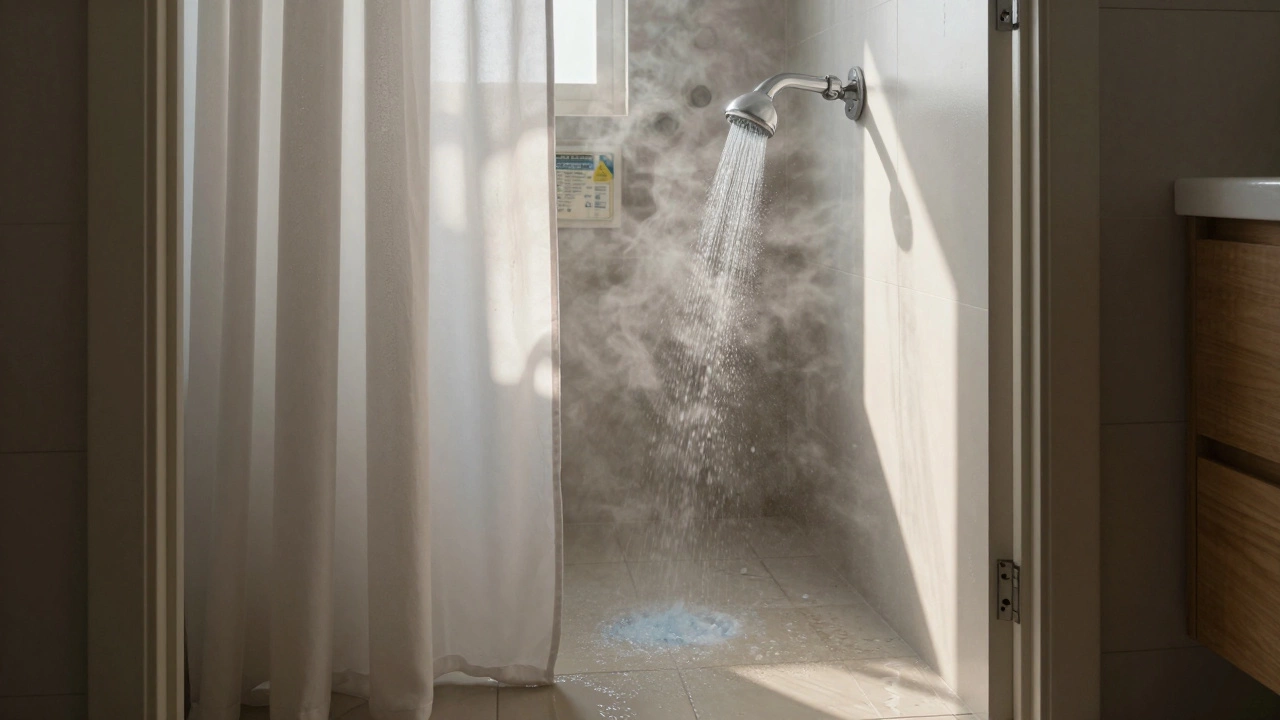
Nothing hits harder than stepping into the shower and getting ice-cold water instead of a warm stream. You turn the knob again. Nothing. You wait. Still nothing. That’s when you realize: your hot water heater has given up. It’s not just inconvenient-it’s a full-blown daily crisis. And guess what? This exact problem happens to millions of households every year. The most common problem with a hot water heater isn’t a leak, a noisy tank, or a broken pilot light. It’s sediment buildup.
Why Sediment Is the Silent Killer
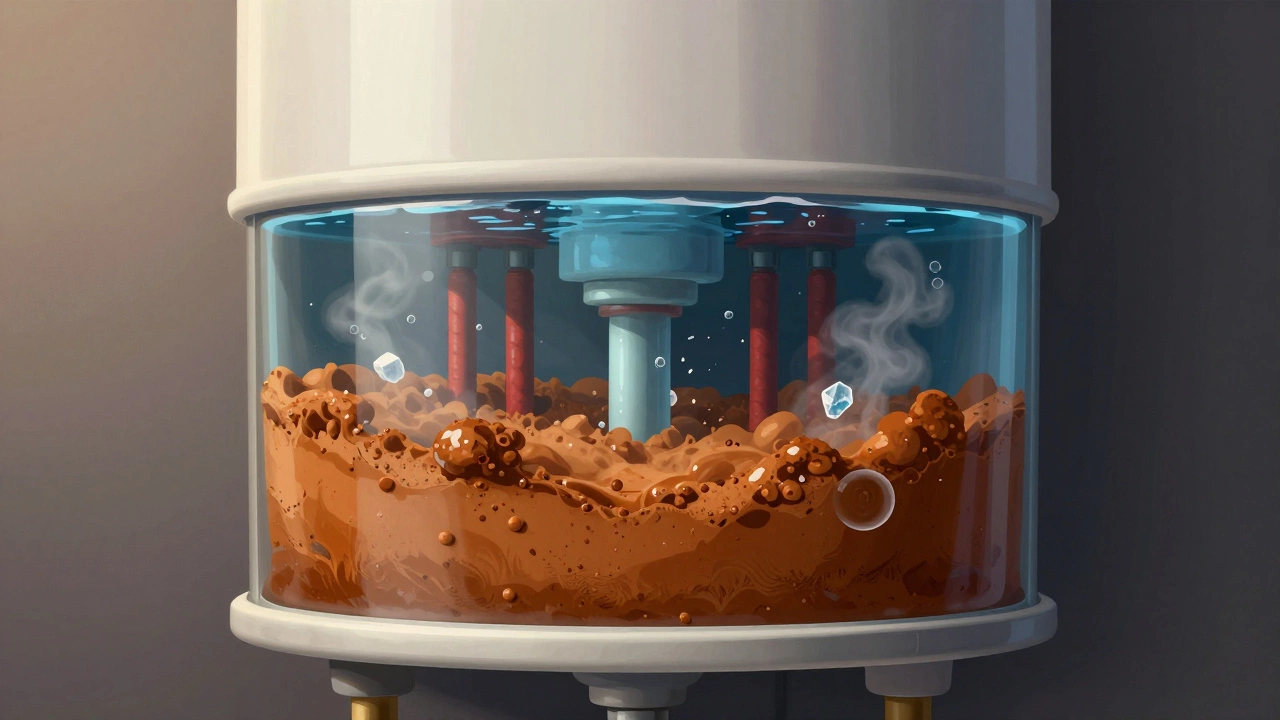
Water isn’t pure. Even in cities with treated water, there are minerals like calcium and magnesium. Over time, these dissolve and then settle at the bottom of your tank. Think of it like sand in a coffee maker-except instead of ruining your morning brew, it’s slowly killing your hot water supply.Every time the heater turns on, the heating elements (or the burner in gas models) have to push heat through this layer of gunk. That means the water takes longer to heat up, or worse-it never gets hot at all. The sediment acts like insulation, trapping heat below and starving the water above. You’ll notice longer wait times, higher energy bills, and eventually, no hot water at all.
Most homeowners don’t realize this is happening until it’s too late. By then, the sediment has hardened into a concrete-like layer. Some tanks have been found with over two inches of buildup. That’s not just inefficient-it’s dangerous. The trapped heat can cause the tank’s metal to overheat and crack, leading to leaks or even tank failure.
How to Tell If Sediment Is Your Problem
You don’t need a plumber to spot this. Here’s what to look for:- Your shower starts warm but turns cold after a few minutes-especially if you’ve got a 40- or 50-gallon tank.
- You hear popping, rumbling, or banging noises when the heater turns on.
- Your water smells like rotten eggs, even after flushing the tank.
- Your energy bill has gone up 10-20% over the past year with no change in usage.
These aren’t random glitches. They’re classic signs of sediment choking your system. The popping sound? That’s steam bubbles trying to escape through the sludge. The smell? It’s sulfur bacteria feeding on the minerals in the buildup.
What Happens When You Ignore It
People think, “It’ll fix itself.” Or worse, “I’ll just wait until it breaks.” But sediment doesn’t fix itself. It only gets worse.After 5-7 years of neglect, the tank’s bottom plate starts to corrode from the inside. The heating elements burn out faster because they’re working overtime. In gas heaters, the flame can’t circulate properly, leading to uneven heating and more soot buildup. Eventually, the tank develops pinhole leaks. That’s when you’re looking at a full replacement-costing $800 to $1,800.
Compare that to flushing the tank yourself: $0 if you do it, or $100 if you hire someone. It takes an hour. No tools needed beyond a garden hose and a bucket.
How to Flush Your Water Heater (Step-by-Step)
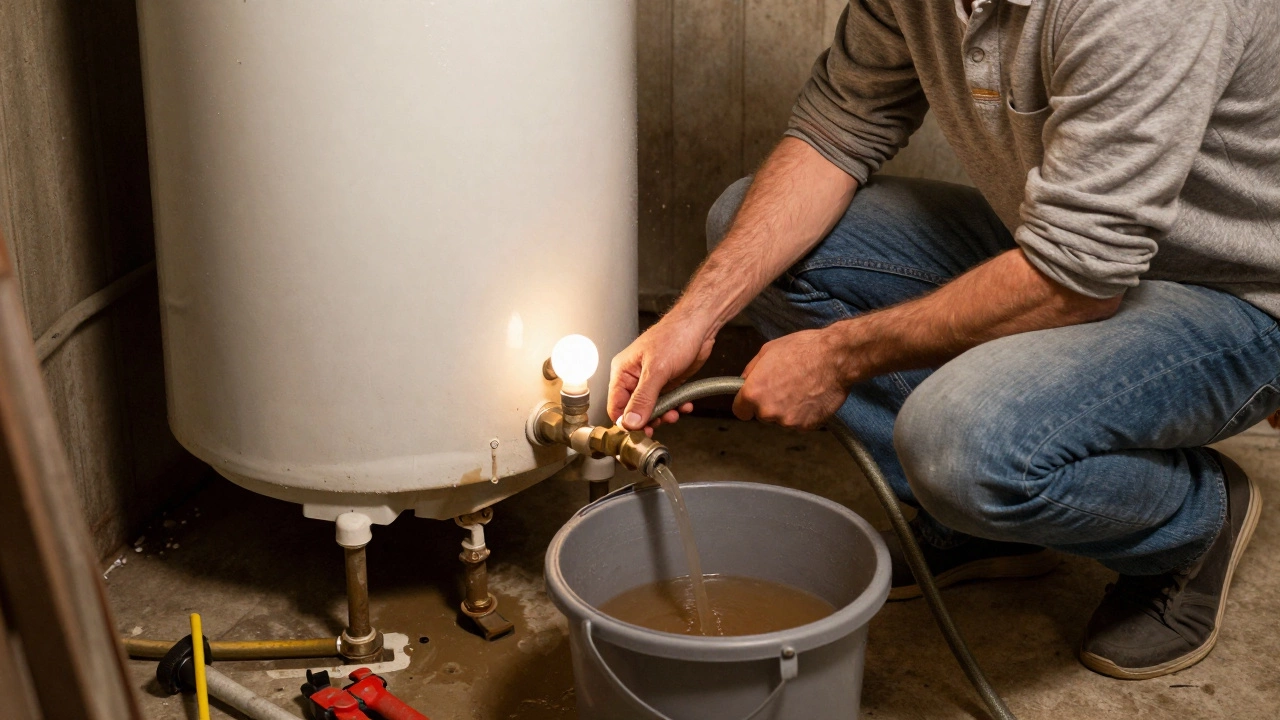
This isn’t rocket science. You can do it in under an hour. Here’s how:- Turn off the power. For electric heaters, flip the breaker. For gas, turn the dial to “Pilot.”
- Shut off the cold water inlet valve. It’s usually on top of the tank, labeled “Cold.”
- Attach a garden hose to the drain valve at the bottom. Run it to a floor drain, sink, or outside.
- Open the drain valve and let it flow. You’ll get dirty water at first-gray, brown, or even orange. Keep going until it runs clear.
- Open a hot water faucet somewhere in the house (like the kitchen sink) to let air into the system. This helps the tank drain faster.
- Once the water runs clear, close the drain valve, remove the hose, and turn the cold water back on.
- Wait for the tank to refill, then turn the power or gas back on.
Do this once a year. If you live in an area with hard water, do it twice. You’ll extend your heater’s life by 5-10 years and save hundreds in energy costs.
Other Common Problems (And How to Spot Them)
Sediment is the #1 issue-but it’s not the only one. Here’s what else can go wrong:- Thermostat failure: If the water is lukewarm or inconsistent, the thermostat might be faulty. Test it with a multimeter or replace it-it’s cheap and easy.
- Broken dip tube: Cold water enters through a long plastic tube at the top. If it cracks, cold water mixes with hot water before it leaves the tank. Result? You get hot water for a few minutes, then it turns cold. This is common in heaters older than 10 years.
- Corroded anode rod: This rod sacrifices itself to protect the tank from rust. If it’s gone, the tank starts rusting from the inside. Check it every 3-5 years. If it’s half eaten away, replace it.
- Gas valve or pilot light issues: If you have a gas heater and no hot water, check if the pilot light is out. If it won’t stay lit, the thermocouple might be bad.
Each of these has a clear fix-except sediment. That’s the one that sneaks up on you.
When to Call a Pro
You can handle flushing, thermostat swaps, and anode rod replacements yourself. But if you see any of these, stop and call a technician:- Water pooling around the base of the tank
- Strange smells that don’t go away after flushing
- Water that’s too hot (over 140°F) or scalding
- Heater making loud metallic clanging or vibrating noises
These aren’t DIY fixes. A leak means the tank is compromised. Overheating could mean a faulty pressure relief valve-something that can explode if ignored.
Prevention Is Cheaper Than Repair
The average water heater lasts 8-12 years. With proper care, you can stretch that to 15 or even 20. The secret? Consistency.Set a calendar reminder to flush the tank every fall. Check the anode rod every spring. Replace the thermostat if it’s older than 10 years. Keep the area around the heater clean and dry. Don’t let humidity build up-that speeds up rust.
And if you’re buying a new heater? Go for one with a self-cleaning feature or a sediment trap. Some models now come with built-in flush ports that make maintenance easier than ever.
Your hot water heater doesn’t need fancy upgrades. It needs attention. A little routine care beats a surprise breakdown every time.