
Washing Machine Failure Finder
Diagnose Your Washing Machine Issue
Select the symptom you're experiencing to learn which parts are most likely to fail.
Washing machines are built to last, but they don’t last forever. Even the best models will eventually show signs of wear. If your washer is making strange noises, leaking water, or just won’t spin, it’s not magic-it’s mechanics. Most failures come from the same few parts, and knowing which ones are most likely to break can save you time, money, and frustration.
Drain Pump
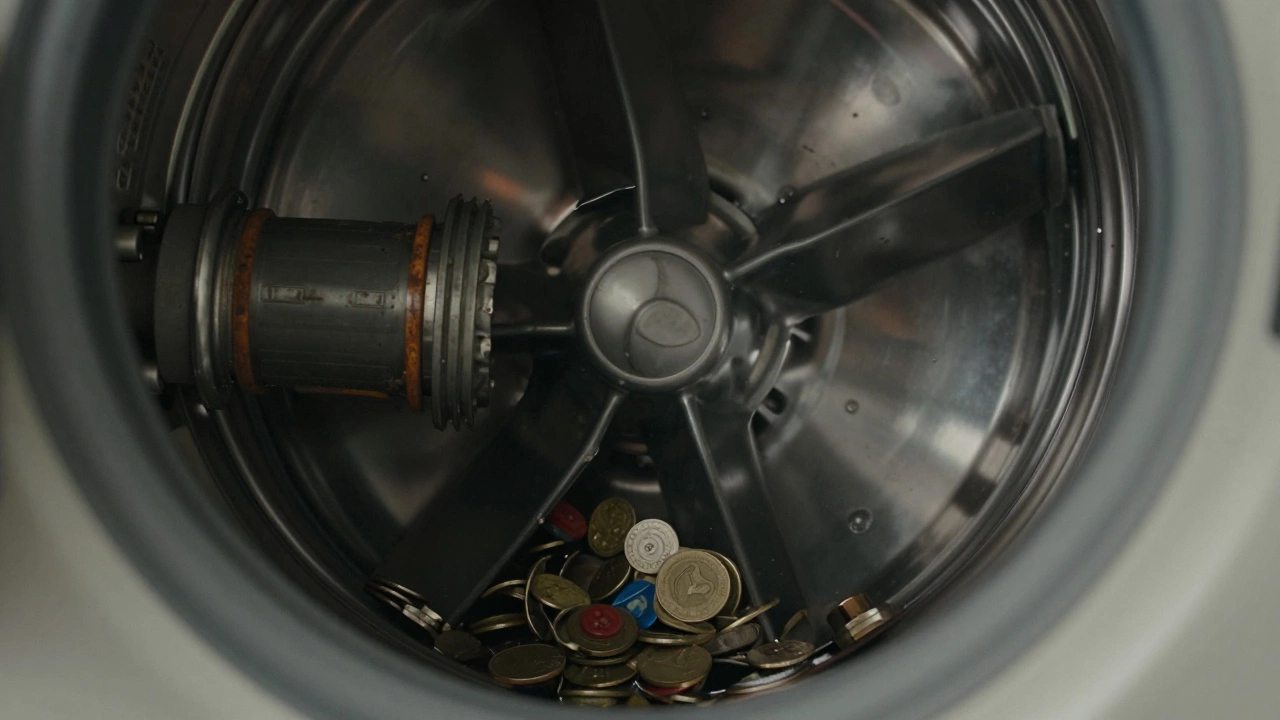
The drain pump is one of the first things to go in a washing machine. It’s a small motor that pushes water out of the tub after each cycle. Over time, lint, coins, and small buttons get sucked into the pump and clog the impeller. This forces the motor to work harder, overheat, and eventually burn out. You’ll know it’s failing if water sits in the tub after a full cycle, or if you hear a loud humming noise but no draining. Replacing it usually costs under $80, and it’s a job you can do yourself with a screwdriver and a little patience.
Drive Belt
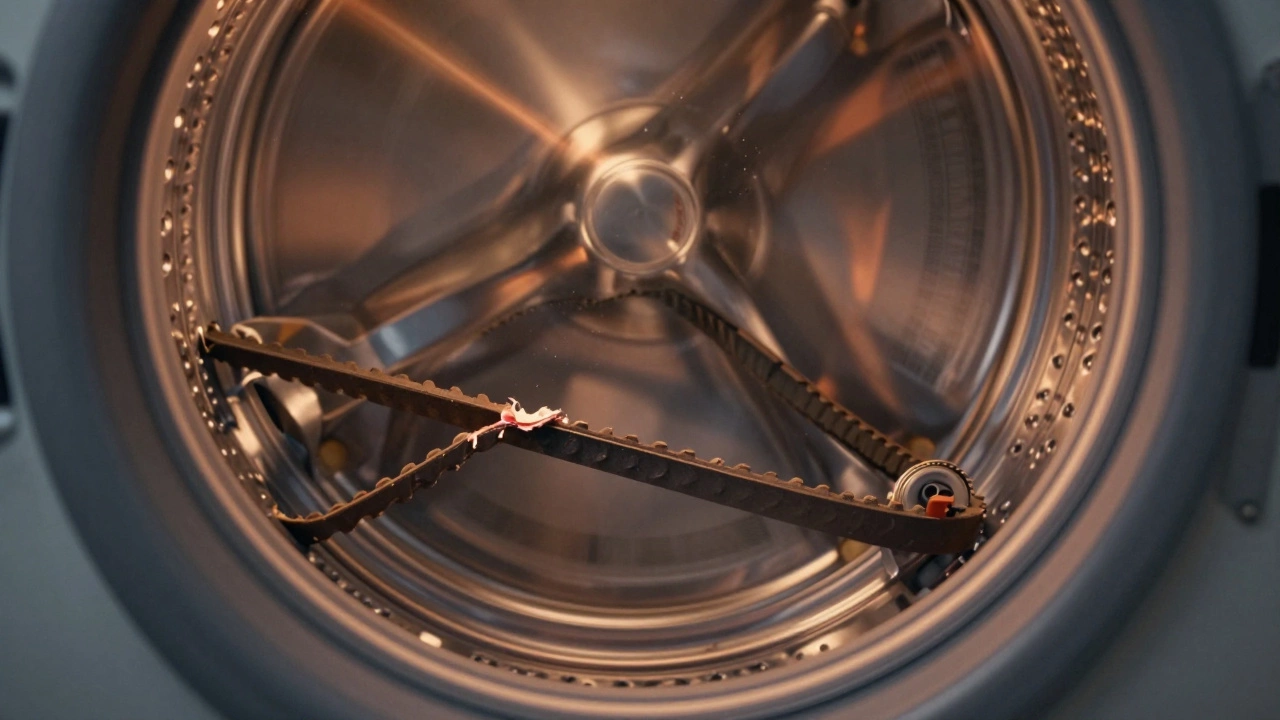
If your washer spins slowly or not at all, the drive belt might be the culprit. This rubber belt connects the motor to the drum. After years of constant tension and heat, it stretches, cracks, or snaps. A broken belt means the drum won’t spin, even if the motor is still running. You might hear a squealing noise or notice the machine shaking violently during spin mode. Most modern washers use a single belt, but older models sometimes use two. Replacement belts cost $15-$30, and installation takes less than an hour. Just make sure to check the pulleys while you’re in there-worn pulleys will ruin a new belt fast.
Door Lock (Latch Assembly)
Modern washers won’t start unless the door is securely locked. The door lock assembly includes a small sensor and a mechanical latch. If either part fails, the machine thinks the door is open-even when it’s not. You’ll see error codes like “LD” or “DL,” or the washer might just sit there with the control panel lit up but no action. This is common in front-loaders, especially if the door is slammed shut too often. The fix? A new latch assembly, usually under $50. Avoid forcing the door open or closed. A gentle close is all it needs.
Water Inlet Valve
This valve controls how hot or cold water enters the machine. It has two solenoids-one for hot, one for cold. Over time, mineral buildup from hard water clogs the screens inside, or the coils burn out. If your washer fills slowly, only uses cold water when you select warm, or doesn’t fill at all, this is likely the issue. You might also notice water leaking from the back of the machine where the hoses connect. Cleaning the inlet screens can help, but if the valve itself is faulty, replacement is needed. A new valve costs $40-$70 and lasts for years if you install a water softener or filter.
Agitator or Impeller
Top-loaders use an agitator-the tall post in the center that twists back and forth. Front-loaders use a low-profile impeller. Both wear out from constant friction. If the agitator is wobbly, makes grinding noises, or doesn’t move at all, its splines are stripped. The same goes for impellers: if clothes aren’t getting cleaned or are bunching up on one side, the impeller may be damaged. Replacing the agitator or impeller isn’t hard, but it requires pulling the tub apart. You’ll need a special tool to remove the retaining bolt, which often rusts in place. Keep a wrench and penetrating oil handy. A new agitator runs $60-$120; an impeller is usually cheaper.
Shock Absorbers and Suspension Springs
Front-loaders spin at high speeds-sometimes over 1,200 RPM. That kind of force needs serious damping. Shock absorbers and suspension springs keep the drum steady. When they wear out, the machine becomes unbalanced, shakes violently, or even moves across the floor. You might hear a loud clunking noise during spin, or the washer might shut off mid-cycle because it detects too much vibration. These parts don’t usually fail suddenly-they degrade over time. Replacing them takes some disassembly, but it’s doable. A set of two shocks and springs costs $50-$90. If you notice this problem early, it can prevent more expensive damage to the drum or motor.
Control Board
The control board is the brain of the washing machine. It tells the motor, valves, and pump what to do and when. But it’s also the most vulnerable part. Power surges, moisture from leaks, or even just age can fry the circuits. Symptoms? Random error codes, unresponsive buttons, or the machine turning on and off by itself. Unlike mechanical parts, you can’t fix a bad control board-you have to replace it. A new one costs $150-$300, which makes some people wonder if it’s worth it. But if the rest of the machine is in good shape, it’s often cheaper than buying new. Always unplug the machine before touching the control board. And if you’ve had recent power outages or lightning storms, that’s a red flag.
Drum Bearings
This one’s serious. The drum bearings let the inner tub spin smoothly. When they wear out, you’ll hear a loud grinding or rumbling noise during spin mode-like a jet engine with bad oil. The noise gets louder over time. Eventually, the drum can wobble so much it hits the outer casing, cracking the tub or damaging the seal. Replacing drum bearings isn’t a DIY job for most people. It requires removing the entire drum, which means taking apart most of the machine. Labor costs can hit $200-$400. If your washer is over 8 years old and the bearings are gone, it’s usually smarter to replace the whole unit. But if it’s a high-end model, the repair might still make sense.
Water Seal (Door Boot Seal)
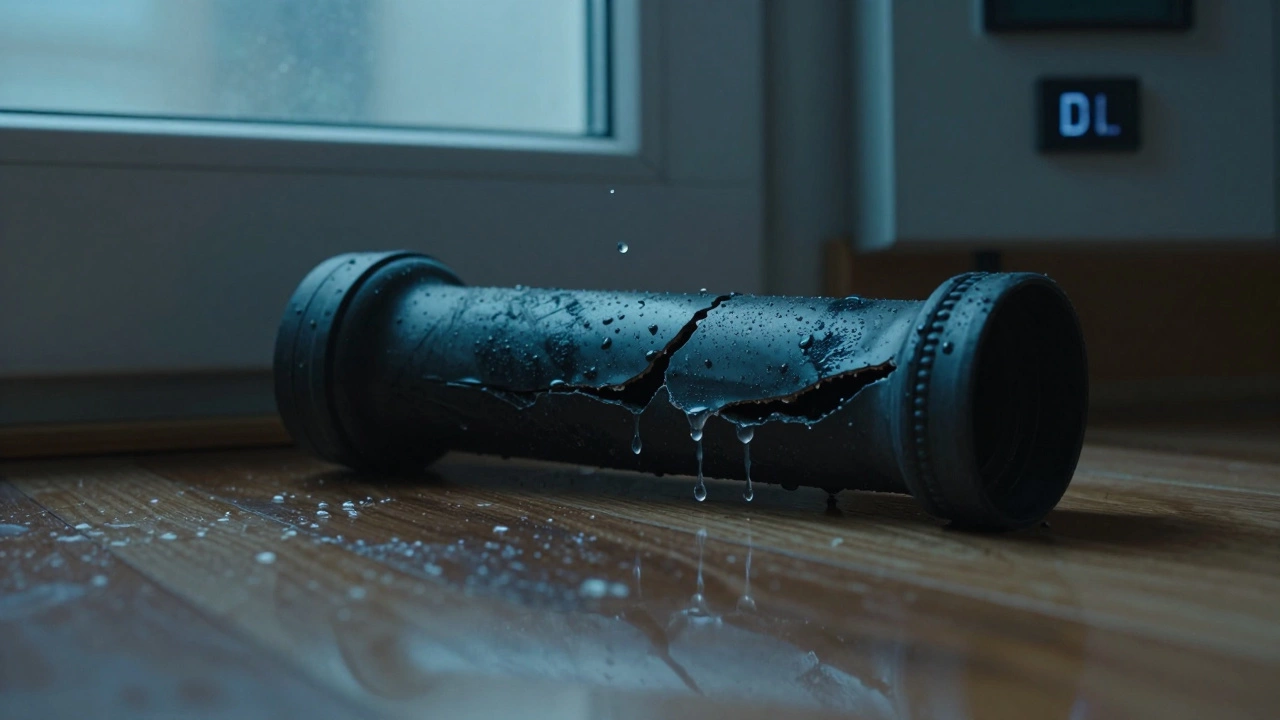
Front-loaders have a rubber gasket around the door that keeps water in. Over time, mold, mildew, and debris build up inside it. The seal can crack, tear, or lose its shape. This causes leaks around the door, especially during spin cycles. You might also notice a musty smell or black streaks on your clothes. Cleaning it regularly with vinegar and a cloth helps, but once it’s cracked, it’s done. A new door boot seal costs $60-$100. Installation is tricky, but many manufacturers sell kits with tools and instructions. Don’t ignore this leak-it can lead to water damage under the machine or even into your floor.
How to Prevent These Failures
Most of these problems happen because of neglect, not bad design. Here’s what you can do:
- Use HE detergent-too much suds stresses the pump and seals.
- Don’t overload the drum. Overloading strains the motor, belt, and bearings.
- Run a cleaning cycle with vinegar or a washer cleaner every month.
- Leave the door slightly open after each load to let the seal dry.
- Check pockets before washing. Coins, keys, and pens are the #1 cause of pump clogs.
- Install a water filter if you have hard water. It cuts mineral buildup in valves and hoses.
These small habits can add 5-10 years to your washer’s life.
Why does my washing machine leak only during the spin cycle?
Leaks during spin usually mean the door seal is cracked or the tub seal has failed. The high-speed rotation puts extra pressure on these parts. Check the rubber gasket for tears or mold buildup. If it’s intact, the problem might be a worn-out drum bearing-this lets the inner tub shift and rupture the seal. If the leak is coming from the back, inspect the inlet hoses and pump connections.
Is it worth repairing a 10-year-old washing machine?
It depends on the part and the cost. If it’s a $50 belt or a $70 pump, yes-especially if the machine still cleans well and has no rust or mold inside. But if the control board or drum bearings are bad, and the repair costs more than half the price of a new machine, it’s time to replace it. Most washers last 10-12 years, so a 10-year-old unit is near the end of its life anyway.
Can a clogged drain cause my washer to stop spinning?
Yes. Many washers have a safety feature that prevents spinning if water hasn’t fully drained. A clogged drain hose or pump can trigger this. If the machine fills and agitates but never spins, check the drain filter first. It’s usually behind a small panel at the bottom front. Clean it out, then run a drain cycle. If it still won’t spin, the pump itself may be faulty.
What causes a washing machine to smell bad?
Mold and mildew build up in the door seal, detergent drawer, or drum. This happens when moisture stays trapped after washing. Use less detergent, run hot water cycles with vinegar, and leave the door open after each use. If the smell persists, clean the drain pump filter-it often collects lint and gunk that rots.
Do all washing machines have the same parts that fail?
No. Top-loaders are more likely to have agitator or transmission issues. Front-loaders fail more often with door seals, drum bearings, and pump clogs. High-efficiency models use less water, which means more detergent residue buildup. Older models (pre-2010) have mechanical timers that fail; newer ones rely on electronic control boards. The failure points vary by design, but the most common culprits-pump, belt, seal, and bearings-are consistent across brands.