
Dryer Troubleshooter
Select the primary symptom your dryer is experiencing to get a diagnosis and recommended fix.
No Heat
Tumbles but coldWon't Start
Dead or unresponsiveLoud Noise
Squeaks, bangs, rattlesClothes Damp
Long dry timesError Codes
Display flashing lightsBad Smell
Musty or burning odorDiagnosis
Recommended Steps:
Select a symptom above to begin troubleshooting.
Your laundry pile is growing, the timer is set, but your clothes are still damp. Or maybe the machine is shaking like it’s trying to escape through the floor. It is frustrating when a reliable appliance suddenly decides to quit. The good news is that most dryer problems are not catastrophic failures requiring a total replacement. They are usually small, fixable issues caused by wear and tear, clogged parts, or simple electrical glitches.
Understanding what usually goes wrong with a tumble dryer can save you hundreds of dollars in service calls. By knowing the common failure points, you can often diagnose the issue yourself or at least have a smarter conversation with a technician. This guide breaks down the most frequent dryer problems, why they happen, and how to address them before they turn into bigger headaches.
The Silent Killer: Lint Buildup and Venting Issues
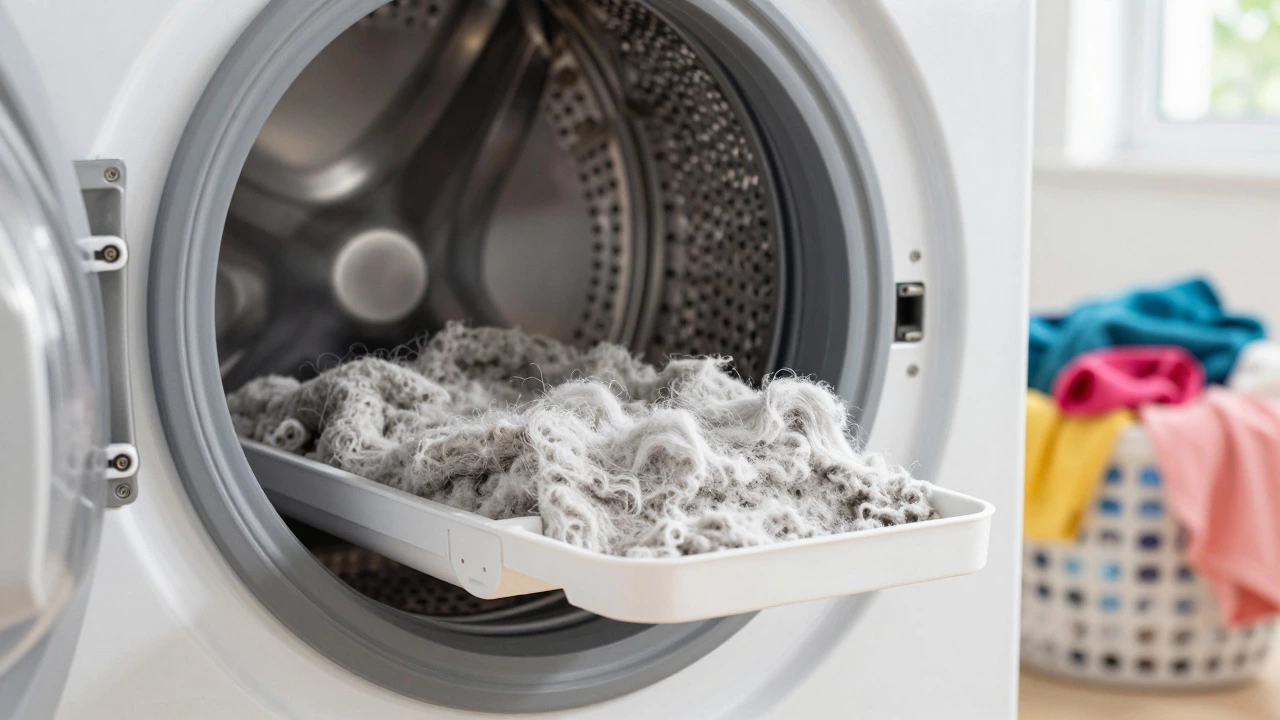
If there is one thing that causes more dryer problems than any other, it is lint. We all know to clean the lint trap after every load, but that is only half the battle. Lint is highly flammable and incredibly persistent. When it escapes the trap, it travels through the dryer's internal ductwork and eventually clogs the exhaust vent. A blocked vent restricts airflow, which forces the dryer to work harder and run hotter to dry your clothes.
This lack of airflow leads to several symptoms. First, your drying times will increase significantly. What used to take forty minutes now takes an hour and a half. Second, the exterior of the dryer will feel excessively hot to the touch. Third, you might notice a musty smell coming from the machine, which indicates mold or mildew growing in the stagnant, moist air trapped inside the vent system. In severe cases, a completely blocked vent can cause the thermal fuse to blow as a safety measure, leaving the dryer without heat entirely.
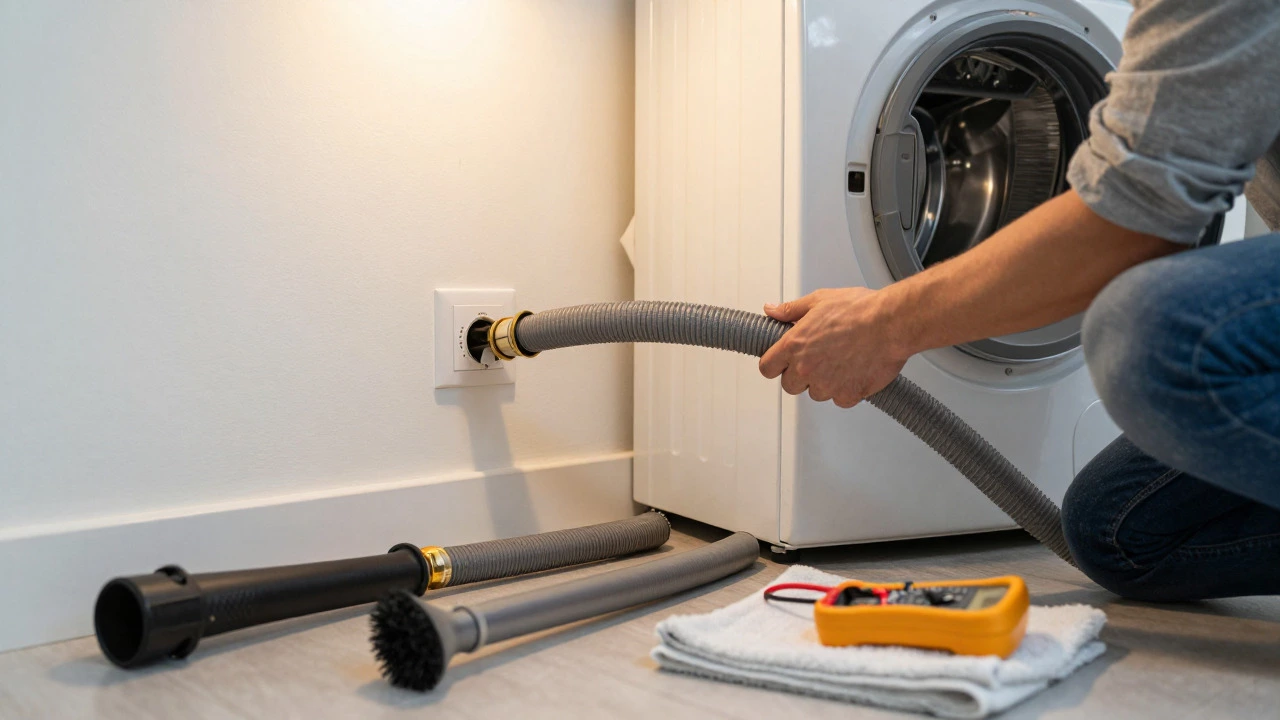
To prevent this, inspect your external vent hose at least once a year. Disconnect it from the wall and use a vent brush or a shop vacuum to clear out accumulated debris. If you have a long vent run with multiple bends, consider replacing flexible plastic or foil vents with rigid metal ducting, which allows for smoother airflow and collects less lint internally.
No Heat? Check the Thermal Fuse and Heating Element
A dryer that tumbles but does not produce heat is one of the most common repair requests. While this can be alarming, the culprit is often a specific component designed to protect your home from fire. The thermal fuse is a one-time safety device located near the blower housing. If the dryer overheats due to a blocked vent or a failing blower motor, the thermal fuse blows to cut power to the heating circuit. Once it blows, it must be replaced; it cannot be reset.
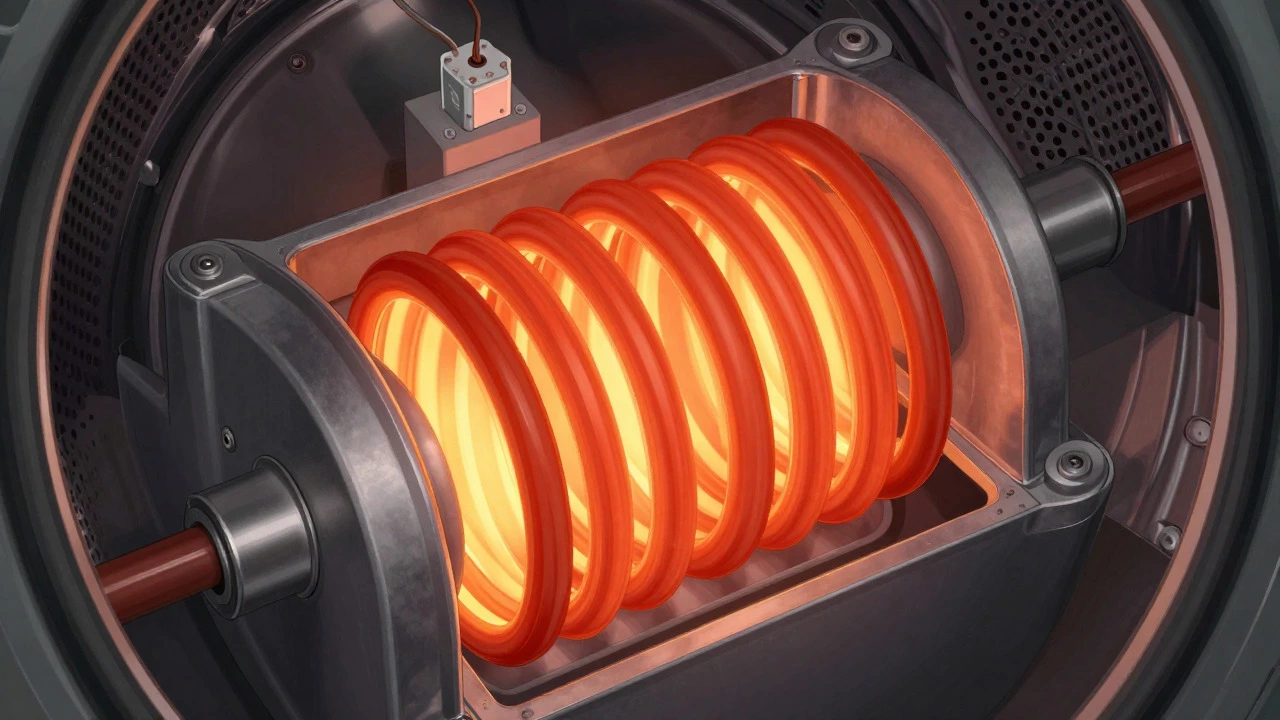
If the thermal fuse is intact, the next suspect is the heating element. In electric dryers, this is a coil of wire that glows red hot to generate warmth. Over time, these elements can burn out, crack, or short circuit. You can often test this with a multimeter for continuity. If the reading shows infinite resistance, the element is dead. For gas dryers, the issue is usually the igniter or the gas valve coils. The igniter glows to open the gas valve; if it cracks or weakens, it won't get hot enough to trigger the valve, resulting in no flame and no heat.
Noise Problems: From Squeaks to Rattles
Is your dryer sounding like a construction site? Noise is a clear indicator of mechanical wear. The type of noise tells you exactly where the problem lies. A high-pitched squealing or screeching sound usually points to worn-out drive belts or failing rollers. The belt spins the drum, and over years of use, it can fray, stretch, or snap. If the belt breaks, the drum will stop turning entirely.
Rear rollers support the back of the drum. If their bearings wear out, they create a loud grinding or rumbling noise. Front-load dryers often use idler pulleys instead of rear rollers; a worn idler pulley bearing creates a similar squeak. Another common source of noise is the drum glides or lifters. These are plastic or felt strips that keep the drum centered and moving smoothly. If they crack or fall off, the metal drum will rub against the cabinet, creating a loud banging or scraping sound.
A clicking noise that occurs only when the dryer starts up could indicate a failing motor capacitor or a loose belt slipping on the motor pulley. If the noise persists throughout the cycle, check for foreign objects stuck between the drum and the front bulkhead seal. Coins, buttons, and keys often slip through pockets and get lodged here, causing rhythmic thumping sounds.
Electrical Glitches and Control Board Failures
Sometimes the dryer works perfectly mechanically but refuses to start or behaves erratically. This is often an electrical issue. Before assuming the worst, check the basics. Is the dryer plugged in securely? Did the house circuit breaker trip? Dryers draw significant power, especially when the heating element kicks in, and older homes may have breakers that trip under heavy load.
If power is reaching the unit, look at the user interface board (the control panel). Moisture, spills, or age can cause corrosion on the circuit board. Symptoms include unresponsive buttons, error codes flashing on the display, or the dryer starting and stopping randomly. In many modern dryers, the control board is the brain that coordinates the motor, heater, and sensors. If it fails, the entire system shuts down.
Another critical electrical component is the door switch. This small switch completes the circuit only when the door is fully closed. If it breaks or gets misaligned, the dryer will not start at all. You can test this by listening for a distinct "click" when you close the door. No click means the switch is likely faulty. Replacing a door switch is typically inexpensive and straightforward, making it a great first step in troubleshooting a non-starting dryer.
Moisture Sensors and Drying Efficiency
Have you ever pulled out clothes that are bone dry on the outside but damp on the inside? Or perhaps the dryer runs long after the clothes should be dry? Modern dryers use moisture sensors embedded in the drum to detect humidity levels. These sensors tell the control board when to end the cycle. However, these sensors can become coated with fabric softener residue or dryer sheet buildup. This coating insulates the sensors, preventing them from detecting moisture accurately.
To fix this, clean the sensor bars with rubbing alcohol and a cloth. Remove the lint screen and look for two metal strips inside the drum opening; these are the sensors. Wipe them until they shine. Additionally, avoid using too much fabric softener or dryer sheets, as these products leave a waxy film that interferes with sensor performance. If you prefer using dryer sheets, try reducing the amount or switching to wool dryer balls, which reduce static without leaving residue.
Uneven drying can also result from loading the dryer incorrectly. Overloading prevents clothes from tumbling freely, trapping moisture in the center of the pile. Underloading can confuse the sensors because there isn't enough mass to retain heat properly. Aim for medium-sized loads that allow clothes to move freely around the drum.
Preventative Maintenance Checklist
Most dryer repairs are reactive, but a little proactive care can extend the life of your machine by years. Here is a simple maintenance routine to follow:
- Clean the lint filter: After every single load. Inspect it for tears that let lint pass through.
- Inspect the vent hose: Every six months, check the connection at the back of the dryer and the wall outlet for kinks or disconnections.
- Clean the exterior vent: Once a year, disconnect the vent hose and clean out accumulated lint from both the hose and the wall duct.
- Wipe the drum interior: Use a damp cloth to remove detergent residue and lint from the drum surface monthly.
- Check the door seal: Ensure the rubber gasket around the door is intact and free of tears. A broken seal lets heat escape, reducing efficiency.
- Lubricate rollers (if applicable): Some models require occasional lubrication of the rear roller shafts. Consult your manual for specifics.
| Symptom | Likely Cause | Difficulty Level |
|---|---|---|
| No heat | Blown thermal fuse, bad heating element, or faulty igniter | Moderate |
| Won't start | Tripped breaker, bad door switch, or failed control board | Easy to Hard |
| Loud squealing | Worn drive belt or failing idler pulley | Moderate |
| Clothes remain damp | Clogged vent, dirty moisture sensors, or overloaded drum | Easy |
| Banging/Rumbling | Broken drum lifters, worn rollers, or foreign object in seal | Moderate |
| Error code displayed | Control board malfunction or sensor failure | Hard |
When to Call a Professional
While many dryer issues are DIY-friendly, some situations require professional expertise. If the problem involves complex wiring, gas lines, or the main motor itself, it is safer to hire a technician. Gas leaks are particularly dangerous; if you smell gas near your dryer, shut off the gas supply immediately and call a pro. Similarly, if you have tried basic troubleshooting-checking the fuse, cleaning the vent, testing the door switch-and the dryer still fails, the issue may be internal to the control board or motor windings, which require specialized diagnostic tools.
Consider the age of your dryer as well. If your unit is more than ten years old and requires expensive part replacements like a new motor or control board, it might be more cost-effective to replace the entire appliance rather than repairing it. Newer models are also more energy-efficient, which can lower your utility bills over time.
How do I know if my dryer's thermal fuse is blown?
A blown thermal fuse typically results in a dryer that tumbles but produces no heat. To confirm, you need to locate the fuse (usually near the blower housing) and test it for continuity with a multimeter. If the meter reads infinite resistance or "open," the fuse is blown and needs replacement. This is often a symptom of a deeper issue, such as a clogged vent, so always check the venting system before installing a new fuse.
Why does my dryer make a squeaking noise?
Squeaking noises are usually caused by friction in the moving parts. The most common culprits are a worn drive belt, a failing idler pulley bearing, or worn rear rollers. As these components degrade, they lose their smooth rotation and begin to grind or squeal against their mounts. Addressing this early can prevent damage to the motor or drum.
Can a clogged vent cause a dryer to catch fire?
Yes, a clogged vent is a leading cause of dryer fires. Lint is highly flammable, and when airflow is restricted, the dryer overheats. If the temperature exceeds safe limits, the lint buildup can ignite. Regularly cleaning the lint trap and inspecting the external vent ducting are critical safety measures to prevent this hazard.
How often should I clean the dryer vent?
You should clean the external dryer vent at least once a year. If you have a large household or use the dryer frequently, consider cleaning it twice a year. Look for signs that you need to clean it sooner, such as longer drying times, a hot exterior cabinet, or a musty odor. Flexible plastic vents collect lint faster than rigid metal ducts, so they may require more frequent attention.
What should I do if my dryer displays an error code?
First, consult your owner's manual to decode the specific error message. Common codes relate to door latch failures, motor issues, or sensor malfunctions. Try resetting the dryer by unplugging it for five minutes. If the code persists, note the exact sequence of flashes or numbers and contact customer support or a repair technician with that information. Do not ignore error codes, as they often indicate safety-critical faults.