
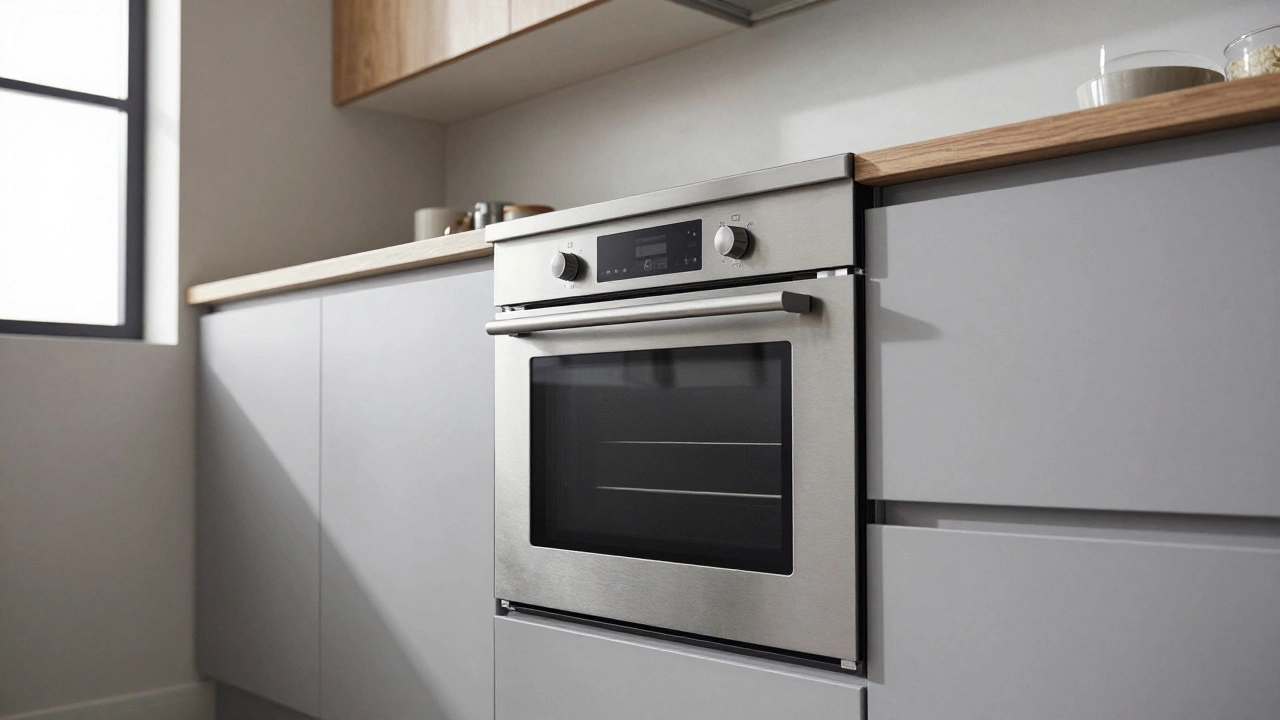
Electric Oven Reliability Calculator
You just dropped a significant amount of money on a new electric oven is a kitchen appliance used for baking and roasting food using electricity. The last thing you want is a service call six months later. It’s frustrating, expensive, and ruins your dinner plans. You’re not alone in asking which brand actually lasts. Most people assume the most expensive brand is the best, or that the cheapest one is a gamble. The truth is somewhere in the middle, and it depends heavily on how we define "least repairs."
Reliability isn't just about whether something breaks; it's about how often it needs attention over its lifespan. For electric ovens, this usually means heating elements, control boards, door hinges, and digital displays. Some brands build components that last ten years. Others use parts that fail after three. If you are looking to minimize downtime and repair costs, understanding these patterns is crucial.
The Data Behind Reliability: What Actually Breaks?
To answer which brand has the least repairs, we have to look at long-term data. Organizations like Consumer Reports and J.D. Power track thousands of appliances over several years. They don't just ask if you're happy; they ask if you've called a technician. For electric ovens specifically, the failure rates vary significantly by manufacturer.
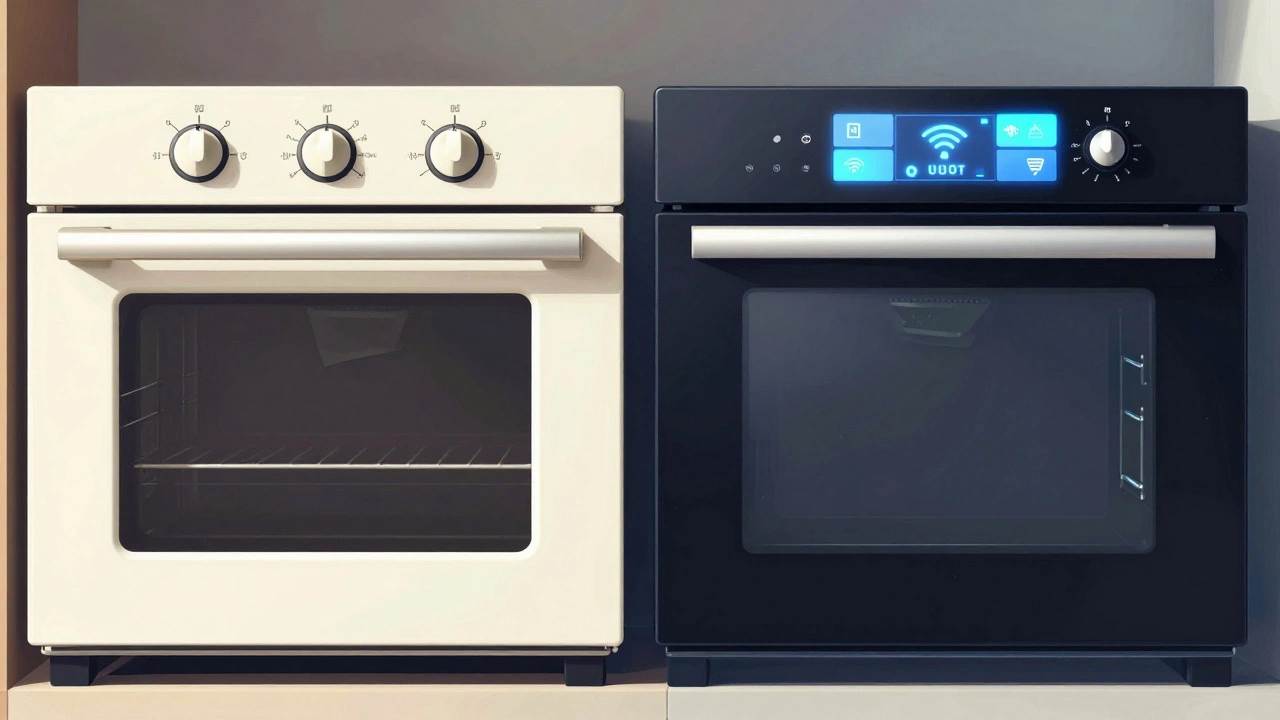
Historically, brands that prioritize simplicity and robust mechanical design tend to outperform those focused heavily on complex smart features. A basic oven with manual knobs and standard heating elements often has fewer points of failure than a model with Wi-Fi connectivity, steam injection, and self-cleaning pyrolytic cycles. The more technology you pack into an oven, the more potential there is for a software glitch or a sensor failure.
| Brand | Average Lifespan | Common Failure Points | Repair Frequency Rating |
|---|---|---|---|
| Whirlpool is a major American home appliance manufacturer known for mid-range reliability. | 13-15 years | Door seals, igniters | Low |
| Bosch is a German engineering company producing high-end durable appliances. | 15+ years | Control panels, sensors | Very Low |
| GE Profile is a premium line from General Electric focusing on modern features. | 10-12 years | Digital boards, fans | Moderate |
| Samsung is a South Korean electronics giant offering stylish but complex appliances. | 8-10 years | Touchscreens, cooling fans | High |
| LG is a South Korean multinational known for innovative display and appliance tech. | 9-11 years | Inverter motors, touch controls | Moderate-High |
As you can see from the table, Bosch and Whirlpool consistently rank among the brands with the lowest repair frequencies. Bosch tends to win on build quality and longevity, while Whirlpool wins on ease of repair and part availability. Samsung and LG, while popular for their sleek designs, often show higher repair rates due to the complexity of their electronic interfaces.
Why Simplicity Wins: The Case for Mechanical Controls
If you want the absolute least repairs, you might be surprised to learn that older-style mechanical ovens are often more reliable than modern digital ones. Think about it. A mechanical knob turns a switch. That's it. There are no microchips to fry during a power surge, no firmware updates to brick the system, and no touchscreens that stop responding because they got splashed with water.
Many high-end brands now offer "retro" models that look vintage but contain modern insulation and heating efficiency. These models often combine the durability of mechanical controls with contemporary performance. If you are prone to spilling wine or oil near your oven controls, a mechanical dial is a safer bet. Digital touchpads require precise calibration and are sensitive to moisture and heat damage.
Furthermore, when a mechanical part fails, it's usually obvious. A broken spring or a burnt-out element is easy to diagnose. With digital ovens, a single error code could mean a faulty temperature probe, a bad main control board, or a loose wire connection. This ambiguity leads to more diagnostic visits and higher labor costs, even if the actual part replacement is simple.
The Impact of Self-Cleaning Cycles on Longevity
One feature that dramatically affects repair rates is the self-cleaning cycle. While convenient, pyrolytic cleaning heats the oven to extremely high temperatures-often exceeding 900°F (480°C). This intense heat stresses the door hinges, the gasket seal, and the interior enamel coating.
Ovens with frequent self-cleaning usage see higher rates of door misalignment and seal degradation. Over time, the high heat can also weaken the mounting brackets for the racks and the heating elements themselves. Brands like Fisher & Paykel is a New Zealand-based appliance maker known for eco-friendly and durable designs. often design their self-cleaning systems to be gentler, but the physical stress remains.
If you choose an oven with a self-clean function, consider using it sparingly. Manual cleaning with a mild detergent and a soft cloth is far less stressful on the appliance's structural integrity. Many repair technicians report that customers who use the self-clean feature weekly experience door hinge failures twice as often as those who clean manually.
Regional Availability Matters: Parts and Technicians
Having a reliable brand means little if you can't get it fixed when it does break. In regions like Wellington, New Zealand, or other parts of the Southern Hemisphere, brand availability varies. Hotpoint is an Australian-owned brand widely available in New Zealand and Australia. is a dominant player here. While global data might rate Hotpoint lower than Bosch, local support networks make a huge difference.
If you buy a niche European brand that doesn't have a dedicated service network in your area, you might face weeks-long delays for parts. In contrast, mainstream brands like Whirlpool, Hotpoint, and Bosch have extensive distribution channels. When evaluating "least repairs," factor in the speed of resolution. An oven that breaks once every five years but takes three months to fix is effectively down for longer than an oven that breaks once every two years but gets fixed in 48 hours.
Check with local repair shops before buying. Ask them which brands they see most often and which parts are easiest to source. Their real-world experience will give you a clearer picture than any global survey.
Maintenance Tips to Extend Oven Life
No matter which brand you choose, proper maintenance is key to minimizing repairs. Here are some practical steps:
- Clean the spill tray regularly: Grease buildup in the bottom drawer can ignite, causing smoke alarms and damaging internal wiring.
- Inspect the door seal: A cracked or loose gasket forces the oven to work harder, leading to premature heating element failure.
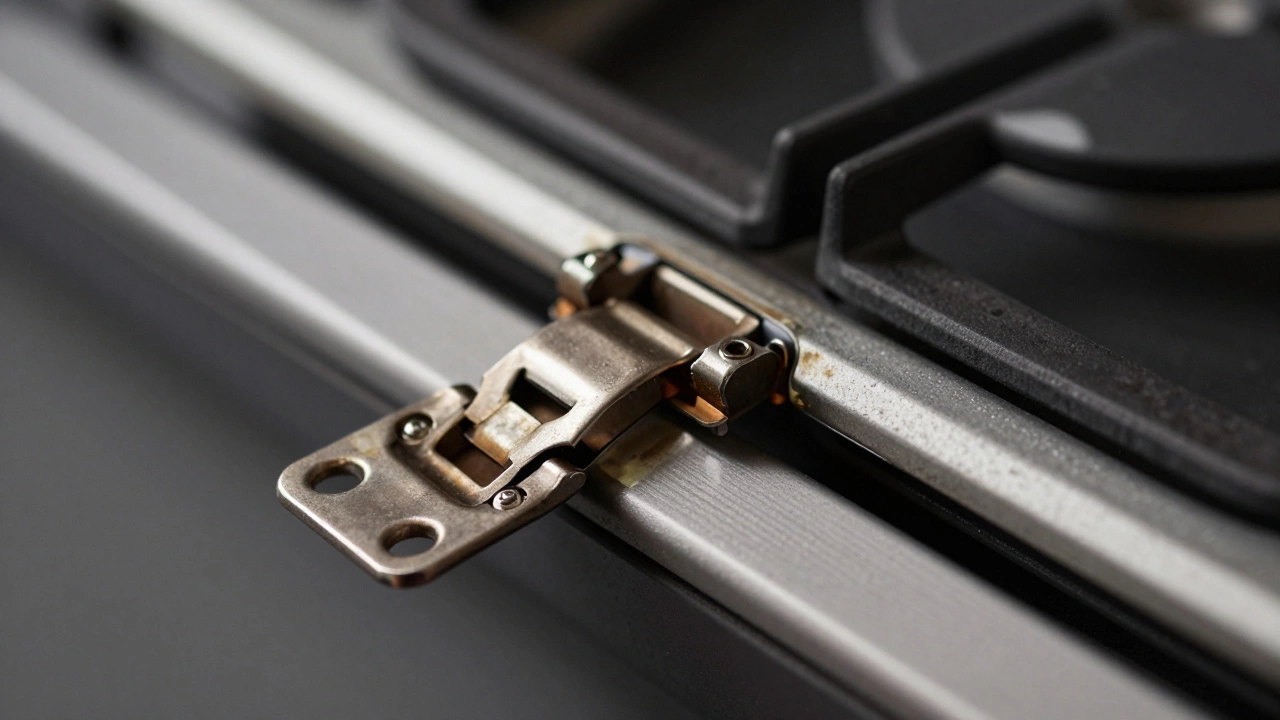
- Avoid slamming the door: The hinges on electric ovens are precision-engineered. Slamming them can misalign the latch mechanism, causing the oven to shut off unexpectedly.
- Use appropriate cookware: Avoid placing large metal trays directly against the back wall where the heating element is located. This can cause localized overheating and burnout.
- Keep vents clear: Ensure the ventilation slots at the top or bottom of the oven are not blocked by cabinetry or debris. Overheating due to poor airflow is a common cause of control board failure.
Warranty vs. Reliability: Don't Be Fooled
A long warranty period doesn't necessarily mean a product is reliable. Sometimes, manufacturers offer extended warranties because they know certain components are likely to fail within that timeframe. Look at the first-year failure rate instead. If a brand has a high volume of claims in the first 12 months, it indicates a quality control issue.
Brands like Miele is a luxury German appliance manufacturer known for exceptional longevity. often come with longer warranties, but their initial cost is significantly higher. For most homeowners, a mid-range brand with a solid reputation for consistency offers better value. You aren't paying for the prestige; you're paying for the probability that it will just work.
Conclusion: Choosing Your Brand
So, which appliance brand has the least repairs? If budget allows, Bosch and Miele lead the pack in pure durability. For the best balance of price and reliability, Whirlpool and Hotpoint (in relevant markets) are strong contenders. Avoid overly complex smart features if your primary goal is longevity. Stick to mechanical controls where possible, clean manually, and ensure you have local support. Your oven should be a tool that disappears into the background of your kitchen, not a project that demands constant attention.
Is it cheaper to repair or replace an electric oven?
If the repair cost exceeds 50% of the price of a new unit, replacement is usually the better option. However, if the oven is less than 7 years old and the issue is a minor component like a heating element or door seal, repair is often more economical and environmentally friendly.
Do smart ovens break more often?
Yes, generally. Smart ovens have more electronic components, including Wi-Fi modules, touchscreens, and multiple sensors. Each additional component represents a potential point of failure. Simple mechanical ovens have fewer things that can go wrong.
How long should an electric oven last?
A well-maintained electric oven typically lasts between 10 and 15 years. High-end models from brands like Miele or Bosch may exceed 20 years with proper care. Lower-cost models may start showing signs of wear after 8 years.
What is the most common reason for oven repair?
The most common issues are faulty heating elements, broken door switches, and malfunctioning temperature sensors. Control board failures are also frequent in newer digital models.
Does using the self-clean feature reduce oven lifespan?
Yes, frequent use of the self-clean cycle can degrade door seals, warp racks, and stress the heating elements due to extreme temperatures. Manual cleaning is gentler on the appliance.