
Boiler Trouble Finder
Select your boiler's fuel type and current symptom to find out who you should call.
Checklist Before They Arrive:
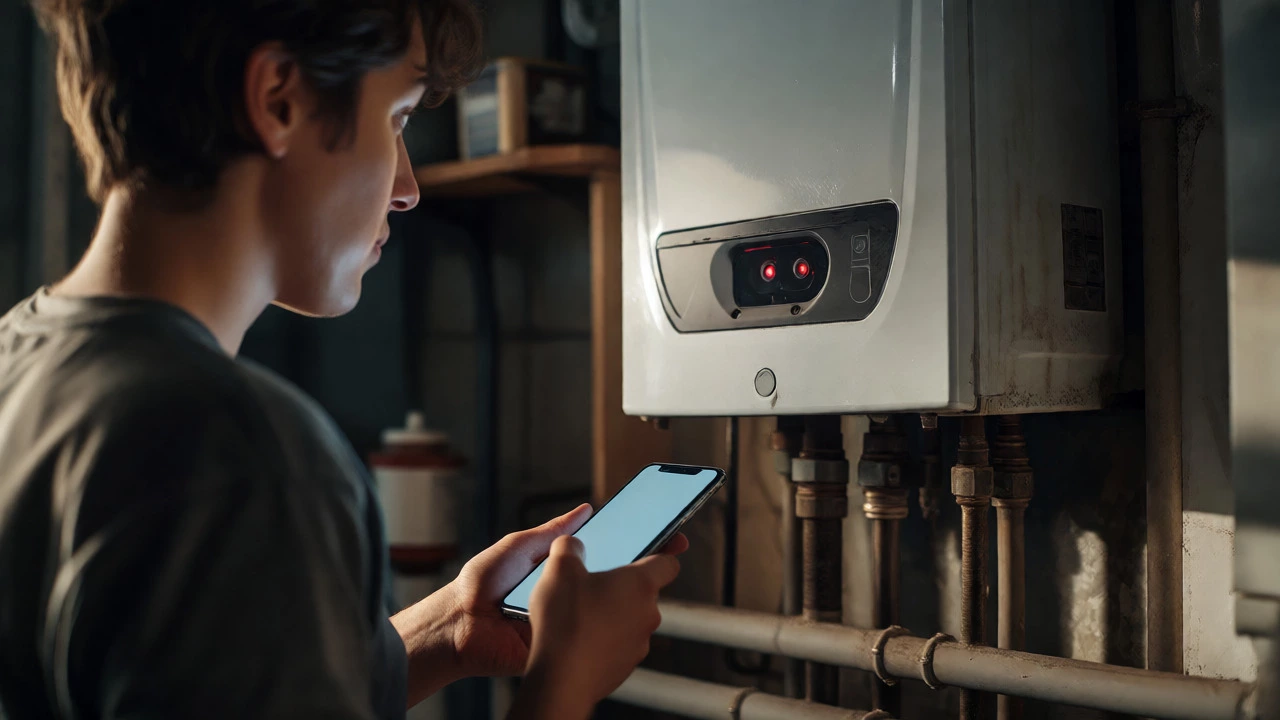
You’re standing in your utility room, staring at a boiler that’s making a noise like a dying cat or simply refusing to ignite. You grab your phone, ready to call someone, but then you freeze. Who exactly do you call? A plumber? A handyman? An electrician? Or is there a specific "boiler guy"? The confusion is real because the lines between these trades can get blurry, especially when things go wrong with your home's heating system.
Here’s the short answer: In most cases, you need a Gas Safe registered heating engineer. But if your boiler is electric, or if the issue is strictly water-related (like a leak from a pipe connected to it), the person you need might be different. Calling the wrong professional doesn’t just waste time; it can be dangerous and expensive. Let’s break down exactly who does what so you never have to guess again.
The Primary Specialist: The Gas Safe Registered Heating Engineer
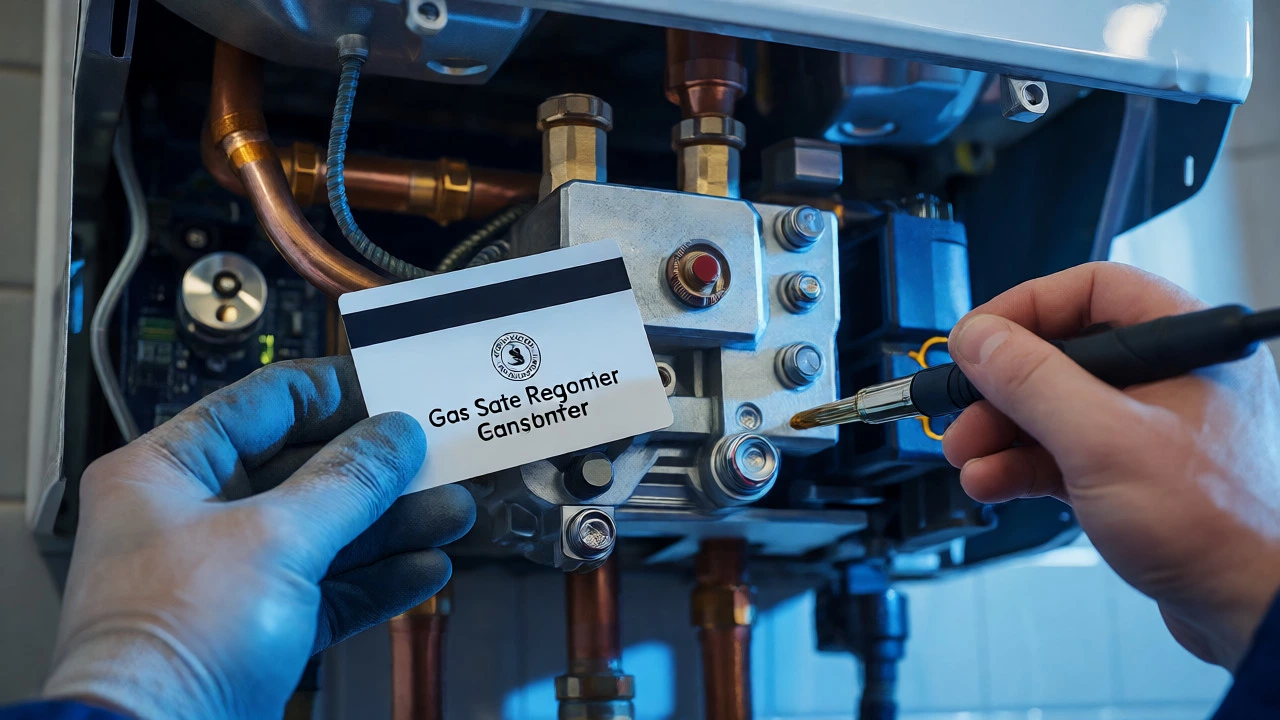
If your boiler runs on natural gas, LPG, or oil, the primary expert is a heating engineer who holds a valid Gas Safe Register card. This isn't just a job title; it’s a legal requirement in many countries, including the UK. A standard plumber might know how to fit pipes, but they aren’t necessarily qualified to work on the combustion chamber, the gas valve, or the flue of a boiler.
Why does this distinction matter? Because working on gas appliances involves risks that simple plumbing tasks don’t. A heating engineer is trained to test for carbon monoxide leaks, check pressure levels, and ensure the ventilation is correct. If an unqualified person touches the gas components, they could void your warranty or, worse, create a safety hazard.
When you hire a heating engineer, you’re paying for their ability to diagnose complex faults. They understand the interplay between gas supply, air intake, and heat exchange. They can replace circuit boards, pumps, and diverter valves. If your boiler is showing error codes, flashing lights, or failing to produce hot water despite the pilot light being on, this is the person to call.
Where Does the Plumber Fit In?
This is where people get tripped up. Many plumbers are also qualified heating engineers. In fact, many start as plumbers and then specialize in heating. However, not all plumbers are gas safe registered. So, when should you call a plumber instead of a dedicated heating engineer?
- Water Leaks: If the boiler itself is fine, but the copper pipe feeding it has sprung a leak, a plumber is often the more cost-effective choice for fixing the pipework.
- Radiator Issues: Bleeding radiators, balancing the system, or replacing a leaking radiator valve is classic plumbing work.
- New Installation Pipework: If you’re moving the location of the boiler, the physical routing of gas and water pipes is often handled by plumbers, though the final connection to the appliance requires a gas engineer.
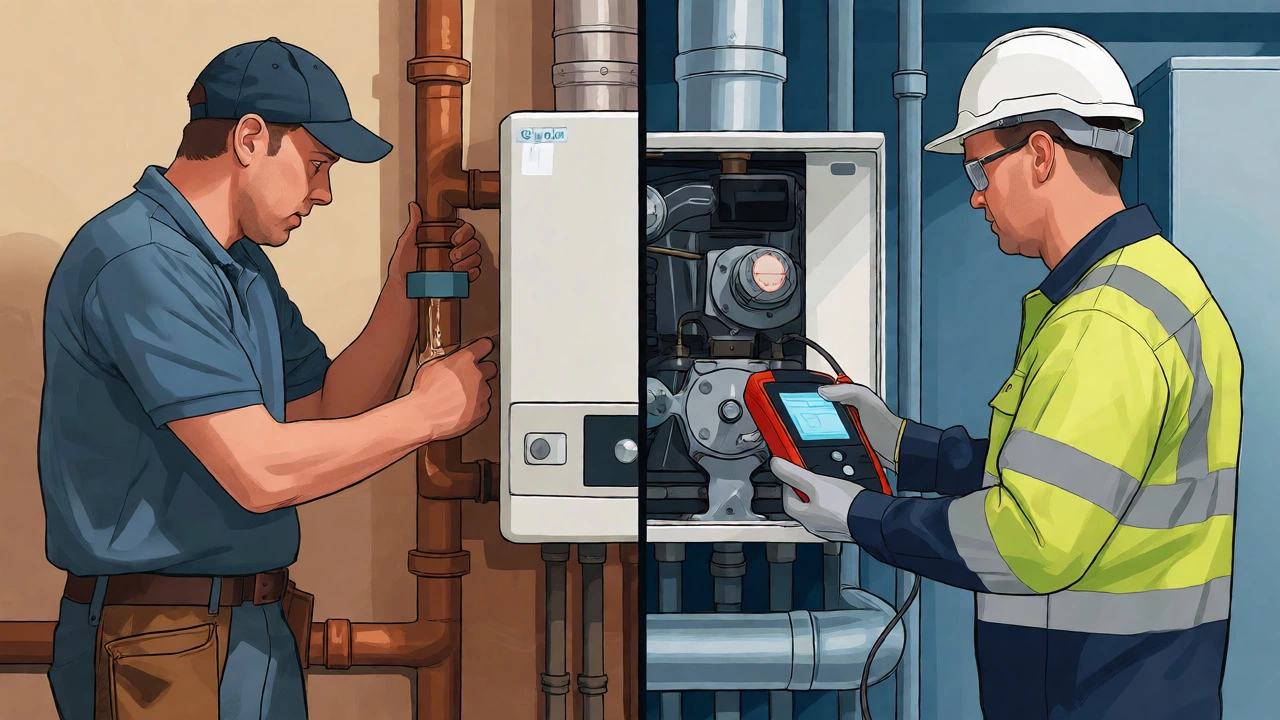
Think of it this way: The plumber handles the delivery system (pipes and taps). The heating engineer handles the engine (the boiler unit itself). If the problem is inside the metal box on your wall, lean toward the heating engineer. If the problem is outside the box, a plumber might suffice, provided they don’t need to disconnect gas lines.
What About Electric Boilers?
Not every home uses gas. Some apartments use electric boilers or immersion heaters. Here, the rules change completely. You don’t need a gas engineer. You need a qualified electrician or a specialist electric boiler technician.
Electric boilers are simpler mechanically but rely heavily on electrical components. Common issues include faulty thermostats, blown fuses, or failed heating elements. An electrician can troubleshoot the power supply and control panels. However, if the internal heating element needs replacing, some manufacturers require a certified installer to maintain the warranty. Always check the manual first. For most minor electrical resets or thermostat changes, a competent domestic electrician is your best bet.
Can a Handyman Fix Your Boiler?
Short answer: No. Don’t let a general handyman open the casing of your boiler unless they have specific certifications listed above. Handymen are great for changing washers, mounting shelves, or fixing door hinges. They are not trained to handle high-pressure systems, gas combustion, or complex diagnostic electronics.
Calling a handyman for a boiler breakdown often leads to a "wait-and-see" approach. They might reset the power, hope it works, and charge you for the visit. When it breaks again two days later, you pay another call-out fee. Worse, if they try to tighten a gas fitting without proper training, they could cause a leak that goes unnoticed until it becomes a serious safety issue. Save handymen for cosmetic repairs and simple maintenance tasks like cleaning the exterior of the unit.
Manufacturer Service Agents vs. Independent Engineers
If your boiler is new (under 5-10 years old), you might be tempted to call the manufacturer directly. Companies like Vaillant, Worcester Bosch, or Baxi have their own service networks. Is this better than calling an independent local engineer?
| Provider Type | Best For | Cost | Speed |
|---|---|---|---|
| Manufacturer Agent | Warranty claims, proprietary parts, brand-specific diagnostics. | High (Premium rates) | Slow (Booking queues) |
| Independent Gas Engineer | General repairs, out-of-warranty units, urgent fixes. | Moderate/Fair | Fast (Often same-day) |
| Plumber (Non-Gas) | Pipework, radiators, non-gas connections. | Low/Moderate | Variable |
Use manufacturer agents if your boiler is still under warranty and the fault might be covered. They have access to original spare parts and software updates. However, they are often slower to respond and more expensive. Independent engineers are usually faster and cheaper, but make sure they are familiar with your specific boiler model. A generic "fixer" might struggle with the proprietary logic boards found in modern condensing boilers.
How to Verify the Right Person Before They Arrive
Don’t wait until the engineer is standing in your kitchen to check their credentials. Ask these three questions when you book:
- "Are you Gas Safe registered?" (For gas boilers). Ask for their registration number. You can verify this instantly on the Gas Safe Register website.
- "Do you specialize in my boiler brand?" Some brands are notoriously difficult. Knowing if they’ve worked on your specific model saves time.
- "Is the call-out fee inclusive of diagnosis?" Clarify if you’re paying just to have them look at it, or if that fee comes off the repair cost if you proceed.
If they hesitate on any of these points, hang up. A qualified professional will happily provide their details. This small step protects you from cowboy builders who lack the technical knowledge to fix modern condensing boilers correctly.
Troubleshooting: Who Do I Call Based on Symptoms?
To make this even easier, here is a quick decision tree based on what your boiler is doing.
- No heat, no hot water, red light flashing: Call a Gas Safe Heating Engineer. Likely a sensor, pump, or ignition fault.
- Water dripping from underneath the boiler: Start with a Heating Engineer. It could be a pressure relief valve discharge (normal) or a cracked heat exchanger (serious). If it’s clearly a pipe joint above the boiler, a plumber might help, but the engineer can rule out internal faults first.
- Loud banging or knocking noises: Heating Engineer. This is often "kettling" caused by limescale buildup on the heat exchanger. They may need to flush the system or descale the unit.
- Thermostat won’t turn on: Try changing batteries first. If that fails, call an Electrician or Heating Engineer. Modern smart thermostats involve low-voltage wiring that both can handle, but engineers are better at integrating it with the boiler controls.
- Gas smell near the boiler: Turn off the gas at the meter, open windows, leave the house, and call a Gas Emergency Service immediately. Do not use light switches or phones indoors.
The Cost Factor: Why Hiring the Wrong Person Costs More
It’s tempting to save £20-£30 by hiring a cheaper, less specialized worker. But consider the long-term math. If a handyman misdiagnoses a blocked condensate pipe as a broken fan, they might replace the fan unnecessarily. That’s £150 wasted. Then the boiler still doesn’t work, and you call a proper engineer who finds the blockage. Now you’ve paid double.
Furthermore, improper repairs can lead to catastrophic failure. A poorly fitted seal on a gas boiler can leak carbon monoxide into your home over months. The health risk far outweighs the initial savings. Paying for the correct expertise upfront ensures the job is done right the first time, extending the life of your appliance and keeping your family safe.
Frequently Asked Questions
Can a regular plumber fix a gas boiler?
Only if they hold a current Gas Safe Registration certificate specifically for boilers. Many plumbers do, but many do not. Always check their ID card. If they are not registered, they cannot legally work on the gas components of your boiler.
Do I need an electrician for an electric boiler?
Yes, for electrical faults. However, for mechanical issues like pump failures or diverter valve problems, a heating engineer with experience in electric systems is often better suited as they understand the hydraulic side of the boiler too.
What is the difference between a heating engineer and a boiler engineer?
The terms are often used interchangeably. Generally, a heating engineer covers the whole system (radiators, pipes, controls), while a boiler engineer focuses specifically on the appliance. Most professionals do both, but specialists exist for large commercial systems versus domestic units.
Should I call the landlord or a plumber if my rental boiler breaks?
Call your landlord or letting agent first. They are legally responsible for arranging repairs and using approved contractors. Unless it’s an emergency (gas leak), don’t hire anyone yourself without permission, as you might not get reimbursed.
How much does a boiler repair typically cost?
Call-out fees range from £60-£100. Minor repairs (seals, sensors) might add £50-£150. Major component replacements (pumps, PCBs) can cost £200-£400 plus labor. Prices vary significantly by region and brand availability.