

Extractor Fan Installation Decision Tool
Tell us about your project:
Recommendation
Handyman
Best for plug-in replacements
Since it's a plug-in unit replacing an existing one, no new wiring is needed.
Note: Ensure the handyman checks the existing outlet capacity before connecting high-power units.
Staring at a greasy kitchen ceiling or a steamy bathroom mirror is frustrating. You know you need an extractor fan is a mechanical device that removes moist air, odors, and fumes from enclosed spaces to stop mold and keep the air fresh. But before you buy one, there is a bigger question: who actually puts it in? Is it a job for the guy who fixes your sink, the person who wires your lights, or can you handle it with a drill and some patience?
The short answer is: it depends on what kind of fan you have and where you live. In most places, installing a simple plug-in fan is easy enough for a handy homeowner. But hardwired units usually require a licensed professional. Getting this wrong doesn't just mean a broken fan; it can trip breakers, void insurance, or even start a fire.
The Three Main Candidates for Installation
When you look for help, three types of professionals usually come up: electricians, plumbers, and general handymen. Each has a different role depending on the complexity of the job.
Electricians are licensed tradespeople who specialize in electrical wiring, circuits, and safety compliance. If your new fan needs to be connected directly to your home's power supply (hardwired), you almost certainly need an electrician. They ensure the circuit can handle the load, install the necessary switches, and make sure the connections are safe from sparks. In many regions, including parts of New Zealand and the UK, local laws strictly require a certified electrician for any permanent electrical work.
Plumbers are skilled workers who install and repair water supply and drainage systems. While they don't touch the wires, plumbers often handle the physical housing of bathrooms and kitchens. If the fan requires cutting through tiles, adjusting ductwork that runs near pipes, or integrating with a complex ventilation system tied to plumbing vents, a plumber might be involved. However, they will not wire the unit.
Handymen are general maintenance workers capable of performing minor repairs and installations around the home. A skilled handyman can mount the fan, cut the hole in the ceiling or wall, and connect the ducting. If the fan is battery-operated or plugs into an existing outlet nearby, a handyman is often the best cost-effective choice. They bridge the gap between doing it yourself and hiring a specialist.
DIY: Can You Install It Yourself?
If you enjoy working with tools and have a steady hand, installing a basic extractor fan is a popular weekend project. Many people successfully swap out old fans for new ones without calling anyone.
You can do it yourself if:
- The fan is plug-in or battery-operated.
- You are replacing an existing fan in the same location, so the hole and wiring are already there.
- You are comfortable using a ladder, a drill, and a screwdriver.
- Your local building codes allow homeowners to perform minor electrical swaps (check your local regulations first).
Here is a simple breakdown of the DIY process:
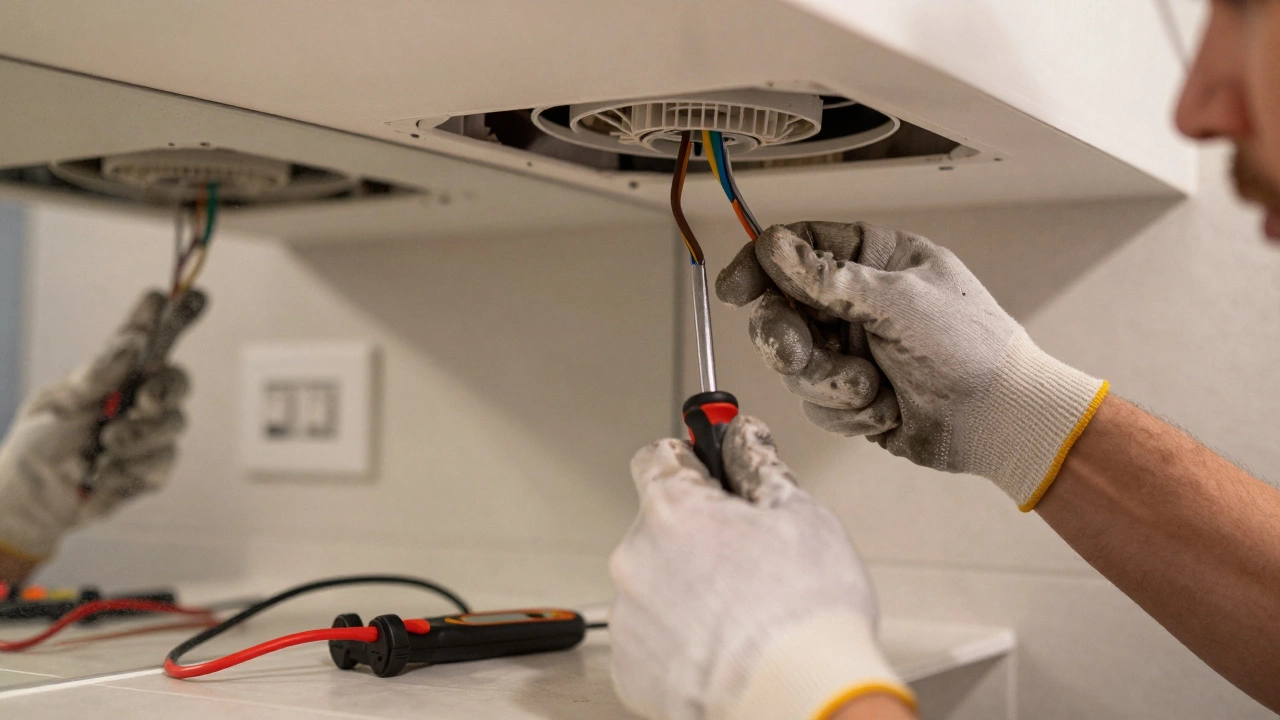
- Turn off the power. Go to your fuse box or circuit breaker and switch off the power to the room. Use a voltage tester to confirm the wires are dead. This is non-negotiable.
- Remove the old fan. Unscrew the grille and pull down the old unit. Disconnect the wires carefully.
- Prepare the new fan. Attach the mounting plate to the ceiling or wall bracket. Feed the power cables through the center.
- Connect the wires. Match the colors: Live (usually brown or black) to Live, Neutral (blue or white) to Neutral, and Earth/Ground (green/yellow or bare copper) to Ground. Secure them with wire nuts or connectors.
- Mount and seal. Push the unit back into place, secure it with screws, and attach the ducting to the outside vent. Seal any gaps with silicone caulk to prevent air leaks.
- Restore power. Turn the breaker back on and test the fan.
If any of these steps sound scary, or if you find damaged insulation or outdated wiring, stop immediately and call a pro.
When You Must Hire a Professional
There are specific scenarios where DIY is not just difficult-it’s dangerous or illegal. Here is when you should skip the toolbox and hire an expert.
Hardwiring into a new circuit: If there is no existing electrical box where you want the fan, you need to run new wires through walls or ceilings. This involves drilling into structural elements and connecting to the main panel. Only a licensed electrician should do this.
Cutting through plasterboard or tile: Installing a fan in a tiled shower area or a finished ceiling requires precision. One wrong move with a saw can crack tiles or hit hidden pipes. Professionals have diamond-tipped blades and experience to avoid costly damage.
Complex ducting: If the fan needs to vent through multiple walls or long distances, the airflow resistance increases. You may need larger ducts or booster fans. An HVAC specialist or experienced handyman can calculate the correct duct size to ensure the fan works efficiently.
Legal requirements: In many jurisdictions, electrical work must be inspected and signed off by a licensed professional. If you do it yourself, you might fail a future home inspection or invalidate your home insurance policy if an electrical fire occurs.
Cost Comparison: DIY vs. Professional
Money is usually the deciding factor. Let’s look at the typical costs involved in getting an extractor fan installed. Prices vary by region, but these estimates give you a clear picture.
| Service Type | Estimated Cost (USD) | Best For |
|---|---|---|
| DIY (Materials only) | $50 - $150 | Replacing existing plug-in fans |
| Handyman | $100 - $300 | Simple mounts, no new wiring |
| Licensed Electrician | $200 - $600+ | Hardwired units, new circuits |
| HVAC Specialist | $300 - $800+ | Complex ducting, whole-house ventilation |
Note that electricians often charge an hourly rate plus a minimum call-out fee. If the job takes less than an hour, you still pay the minimum. Handymen are often cheaper because their overhead is lower, but always check their reviews and ask if they carry liability insurance.
Safety and Building Codes
Extractor fans deal with two major hazards: electricity and moisture. Mixing these incorrectly creates a shock risk. Modern fans are designed with safety features, but improper installation can bypass them.
In areas like Wellington, New Zealand, and across Europe, building codes are strict about ventilation. Bathrooms and kitchens must meet specific air exchange rates to prevent mold growth. A fan that is too small or poorly ducted won’t meet these standards. A professional installer knows how to size the fan based on the room’s volume (cubic meters) and ensures the external vent has a proper rain cap and bird screen.
Also, consider noise levels. Cheap fans installed poorly can rattle against the ducting, creating a loud hum. Pros use flexible ducting and vibration dampeners to keep things quiet. If you value sleep and peace, paying for a professional install is worth it.
Choosing the Right Installer
If you decide to hire someone, how do you pick the right person? Don’t just go with the first name you see online.
- Check licenses: Verify that electricians hold a current license in your state or country. In NZ, look for a Licensed Electrician (LE). In the US, check for state-level licensing.
- Ask for references: Talk to previous clients. Did they finish on time? Was the site clean afterward?
- Get multiple quotes: Ask at least three people for a written estimate. Be wary of prices that seem too good to be true-they might cut corners on materials or safety checks.
- Clarify the scope: Does the quote include removing the old fan? Sealing the exterior vent? Testing the operation? Get everything in writing.
A good installer will also advise you on maintenance. They’ll tell you how often to clean the filter (usually every 3-6 months) and check the motor bearings. This extends the life of the fan and keeps it running efficiently.
Maintenance Tips After Installation
Once your fan is installed, whether by you or a pro, regular care keeps it working well. Dust and grease build up quickly, especially in kitchens.
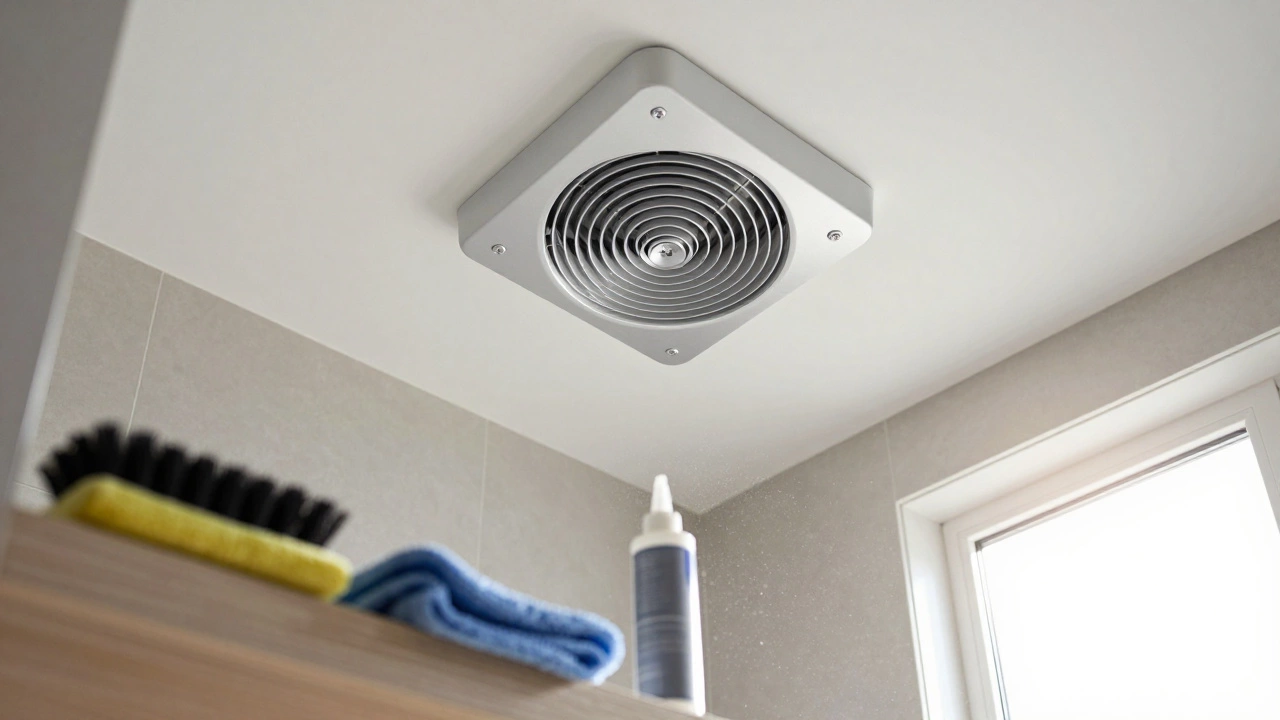
- Clean the grille: Remove the front cover and wash it with warm soapy water. Dry thoroughly before reattaching.
- Vacuum the blades: Use a soft brush attachment to remove dust from the internal blades. Avoid spraying water directly into the motor housing.
- Check the ducting: Every year, inspect the external vent for blockages like leaves or nests. Ensure the flap opens and closes freely.
- Listen for changes: If the fan starts squeaking or vibrating, it might need lubrication or replacement. Don’t ignore early warning signs.
Proper maintenance reduces the need for repairs and keeps your indoor air quality high. It’s a small effort that pays off in comfort and health.
Can I install an extractor fan myself if I am not an electrician?
Yes, but only if the fan is plug-in or battery-operated, or if you are simply replacing an existing hardwired fan in the same location and you are confident with basic electrical connections. Always turn off the power at the breaker first. If you need to run new wires or modify circuits, you must hire a licensed electrician.
Do I need a permit to install an extractor fan?
In many areas, replacing an existing fan does not require a permit. However, installing a new hardwired fan or modifying electrical circuits often does. Check with your local building department. In New Zealand, electrical work must comply with the Electrical Workers Registration Board (EWRB) standards.
How much does it cost to hire an electrician to install a bathroom fan?
Costs vary by location, but typically range from $200 to $600 USD. This includes labor and any necessary electrical materials. If extensive ducting or drywall repair is needed, the price can increase. Always get a detailed quote upfront.
What is the difference between a plug-in and a hardwired extractor fan?
A plug-in fan connects to a standard wall outlet, making it easier to install and move. It is ideal for renters or temporary solutions. A hardwired fan connects directly to your home’s electrical circuit, offering a cleaner look and more powerful performance, but requiring professional installation.
Should I hire a plumber or an electrician for extractor fan installation?
Hire an electrician for the wiring part of the installation. A plumber might help if significant plumbing adjustments are needed nearby, but they cannot legally or safely handle electrical connections. For a complete job, an electrician is the primary professional required for hardwired units.